
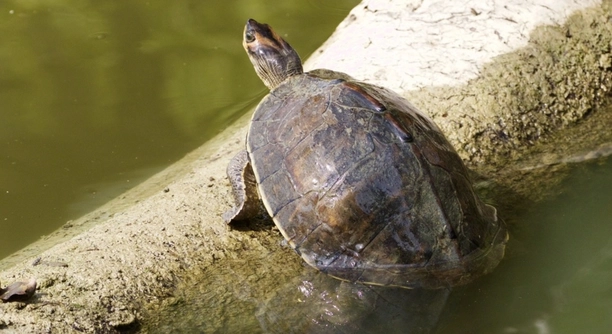
Changing environments can be stressful for pets, and your Indian Roofed Tortoise may need some time to adjust to a new tank. Knowing how to recognize the signs of adaptation can make the process smoother for both of you.
Your Indian Roofed Tortoise will adjust to a new tank by gradually becoming more active and comfortable with its surroundings. Signs of adjustment include eating regularly, exploring the tank, and showing interest in its habitat.
Understanding how your tortoise settles into its new home will help you monitor its well-being. By watching for key signs, you can ensure it’s adapting properly and feeling secure in its new environment.
Signs Your Indian Roofed Tortoise Is Settling In
When you first introduce your Indian Roofed Tortoise to a new tank, it might seem like it’s not sure what to do. It may spend a lot of time hiding or not moving much at first. This behavior is normal and happens because the tortoise is trying to get used to its surroundings. Over time, you’ll notice that it starts to explore more, particularly when it feels safe. Active movement and investigating different parts of the tank are good signs. If your tortoise begins basking under the light and showing interest in its food, it’s adjusting well.
It’s important to watch for changes in behavior. A tortoise that seems anxious or lethargic may need more time to adjust. It’s a good idea to check that the tank temperature and humidity levels are just right.
A well-adjusted tortoise will show signs of eating regularly, soaking in the water if provided, and exploring its space. If it spends a lot of time hiding or avoiding food, this could be an indication it’s still adapting to the new environment. You might also notice it is not as active in the first few days, but as it becomes more comfortable, its behavior will shift. Be patient, and give your tortoise the space it needs. A little time can help it feel at ease.
How to Help Your Tortoise Adjust
Proper tank setup is crucial to ensure your tortoise adjusts quickly. Make sure its habitat is spacious enough and has the right temperature gradient. This will help it feel safe and encourage natural behaviors.
To speed up the adjustment process, consider placing your tortoise in a quiet space away from loud noises and bright lights. A consistent day-night cycle and access to areas for both warmth and coolness will also make a difference.
Tank Environment: Key to Adjustment
The right tank environment is essential for your tortoise to feel at home. Ensure it has enough space to move around, proper lighting, and a humidity level that matches its needs. A comfortable environment can help ease the transition.
Having a heating element like a heat lamp or ceramic heater can provide the warmth your tortoise requires. It’s important to have a cooler area too, so it can regulate its body temperature as needed. Make sure the substrate you use is safe and comfortable for the tortoise to walk on. A proper setup reduces stress and allows your tortoise to settle in faster. It’s also helpful to add a shallow water dish for hydration and bathing, which most tortoises enjoy. You want to create a space that mimics their natural habitat as much as possible.
Without a suitable environment, your tortoise may struggle to adjust. Proper lighting is also key, as it helps regulate its circadian rhythms, making the transition to the new tank smoother. With the right setup, your tortoise will feel more secure and comfortable, leading to better adjustment.
Observing Changes in Eating Habits
Eating habits are a good indicator of whether your tortoise is adjusting well. If your tortoise is eating regularly, that’s a positive sign. However, some may take time to feel comfortable enough to eat in a new environment.
When your tortoise starts eating consistently, it shows that it’s starting to feel safe and settled. Watch for signs like nibbling on its food throughout the day. Avoid overfeeding, as it may result in uneaten food, which can cause stress. Be patient, as tortoises may take several days or even weeks to fully adjust to their new surroundings. Offering food at regular intervals will help your tortoise recognize that its new space is a safe place to eat. It’s important to provide a variety of foods, including leafy greens, vegetables, and some fruits, to keep your tortoise interested.
If your tortoise refuses to eat or doesn’t seem interested in food, it may be still adjusting to its new tank. Ensure the tank conditions are correct, and try changing the type of food offered. If the behavior persists, it may indicate more significant issues with its environment or health.
Behavior Changes to Look For
As your tortoise adjusts, its behavior will change. You’ll notice it becoming more active and curious about its surroundings. The more comfortable it feels, the more it will explore.
It might start moving around the tank more, basking under the heat source, or even climbing on objects if there are any. These are all signs of an adjustment. Initially, your tortoise might hide a lot, but as it feels more secure, this behavior will decrease. A tortoise that is adapting will also begin to show interest in its food and hydration, making it an important sign of progress.
The Importance of a Comfortable Hiding Spot
Providing a hiding spot is important for your tortoise’s comfort. It offers a safe space where it can retreat when feeling stressed. This helps with its overall adjustment.
Tortoises are naturally shy, so having a quiet place to hide makes them feel more secure. Use things like rocks or plants to create a hideaway in the tank. As your tortoise adjusts, it will use this spot less frequently, but it’s still important to have one available.
FAQ
How long does it take for an Indian Roofed Tortoise to adjust to a new tank?
The adjustment time can vary, but it usually takes between a few days to a couple of weeks for your Indian Roofed Tortoise to get comfortable in its new tank. Some tortoises may adjust faster, while others need more time. During this period, it’s important to maintain a stable environment, as changes in temperature, humidity, or light can cause stress. If your tortoise is still hiding or not eating after two weeks, it may need further adjustments in its habitat. Give it plenty of time and space to explore at its own pace.
What are the signs my tortoise is stressed in its new tank?
Stress in a tortoise can be displayed in different ways, including hiding more than usual, refusing to eat, pacing, or constantly trying to escape. If your tortoise seems lethargic or constantly withdrawn, this could indicate stress. Stress can also cause physical signs like shell discoloration or softer spots. It’s important to check the tank’s conditions—incorrect temperature or humidity levels are common causes of stress. Keep an eye on its eating habits as well. If it’s not eating or drinking, this is a significant sign that something may be wrong with the environment.
Should I handle my tortoise while it’s adjusting to a new tank?
It’s best to limit handling during the first few weeks of your tortoise’s adjustment. Too much handling can cause additional stress. Instead, focus on providing a calm and stable environment where it can feel safe. Once it starts becoming more active and eating regularly, you can gradually introduce short, gentle handling sessions to help it get used to human interaction. Remember, tortoises are naturally shy, so patience is key. Let your tortoise explore its new space without feeling pressured.
What should I do if my tortoise isn’t eating after the move?
If your tortoise isn’t eating after moving to a new tank, it may be feeling stressed, or it might still be adjusting. First, check the tank’s temperature and humidity levels to ensure they are correct. A tortoise that is too cold or too hot may lose its appetite. Also, make sure the food offered is varied and fresh. Try offering its favorite foods to encourage eating. If the problem persists for more than a week, consider reducing handling and ensuring the environment is peaceful. If the issue continues, a check-up from a veterinarian may be needed to rule out any health problems.
Is it normal for my tortoise to hide a lot after the move?
Yes, it’s completely normal for a tortoise to hide after a move. Hiding is a natural behavior that makes the tortoise feel safe and secure, especially when it is in a new environment. As your tortoise becomes more comfortable in its new tank, it will gradually spend less time hiding and explore more. A hiding spot in the tank is essential to help it feel secure during this period. Don’t worry if your tortoise hides for the first few days or weeks—it’s just part of its adjustment process.
Can I place other animals in the tank with my tortoise?
It’s generally not recommended to place other animals in the tank with your tortoise while it’s adjusting. Sharing a tank with other animals, especially other reptiles, can cause stress and territorial issues. Each animal has different care requirements, and combining them in the same tank may lead to aggression or competition for resources. If you want to add other animals later, make sure they are compatible with your tortoise’s needs, and introduce them gradually after it has fully adjusted to its new tank. Keep the tortoise’s comfort and well-being as your primary concern.
How can I make the tank more comfortable for my tortoise?
Creating a comfortable tank for your tortoise involves offering a balance of warmth, shelter, and space. Provide a heat source that mimics sunlight, such as a heat lamp or ceramic heater, but also include a cooler spot for temperature regulation. Use a safe substrate that is easy to clean and allows your tortoise to dig or burrow, as they naturally enjoy doing so. Adding a water dish for hydration and soaking is also important. Don’t forget to provide a hiding spot to ensure it feels safe and can retreat when necessary.
Is there anything I should avoid in the tank while my tortoise adjusts?
Avoid drastic changes to the tank’s environment while your tortoise is adjusting. Keep the lighting, temperature, and humidity levels stable to minimize stress. Don’t overcrowd the tank with decorations or objects that could limit movement or hiding space. Keep the tank in a quiet area to prevent your tortoise from being startled by loud noises or excessive handling. Additionally, avoid placing another animal in the tank unless you are sure they are compatible and the tortoise is fully adjusted to its new space. Stability is key during this period.
How can I tell if my tortoise is getting too much heat or light?
If your tortoise is spending too much time in the shade or hiding away from the heat source, it could be a sign that it’s too warm. Tortoises can overheat, just like they can get too cold. Watch for signs like excessive panting, lethargy, or seeking out cool areas. The ideal temperature range for an Indian Roofed Tortoise is between 80°F to 90°F in the basking area, with a cooler side of the tank around 70°F. Ensure your heat lamp is positioned correctly, and always monitor the temperature with a thermometer.
When should I consult a vet about my tortoise’s adjustment?
If your tortoise continues to show signs of stress, lack of appetite, or lethargy after two weeks, it’s a good idea to consult a veterinarian. A vet can help assess whether the issue is due to the tank environment or if there is a health concern. Additionally, if you notice unusual behaviors like shell deformities, respiratory issues, or abnormal weight loss, it’s time to seek professional help. Regular vet check-ups are important to ensure your tortoise stays healthy and adjusts properly to its new home.
Final Thoughts
Adjusting to a new tank can be a slow process for your Indian Roofed Tortoise, but with the right environment and a little patience, it will likely settle in. Remember, the key to helping your tortoise adapt is providing a safe and comfortable space. It’s crucial to maintain a consistent temperature, humidity level, and lighting, as these factors directly affect its well-being. A tank that mimics the tortoise’s natural habitat as closely as possible will help ease the transition. In most cases, your tortoise will start to feel more comfortable once it becomes familiar with its surroundings.
During this time, it’s important to observe your tortoise closely. Look for signs that indicate it’s adjusting well, such as increased activity, regular eating habits, and a general interest in exploring the tank. On the other hand, if you notice that your tortoise is not eating, hiding excessively, or showing other signs of stress, it may require adjustments to its environment. It’s essential to be patient during this period, as tortoises can take some time to feel fully settled. Always give your tortoise space to acclimate and avoid over-handling, which can increase stress.
Lastly, if your tortoise continues to struggle with the new environment despite your efforts, consulting a vet can be helpful. A professional can assess whether there are any underlying health concerns or if the habitat needs further adjustments. While the adjustment phase can sometimes be challenging, it’s an important step in ensuring your tortoise’s long-term health and happiness. With the right care and attention, your Indian Roofed Tortoise will eventually thrive in its new home.

Hello,
If you enjoy the content that we create, please consider saying a "Thank You!" by leaving a tip.
Every little bit helps us continue crafting quality advice that supports the health, happiness, and well-being of pets around the world, for pets of all shapes, sizes, and species.
We really appreciate the kindness and support that you show us!