
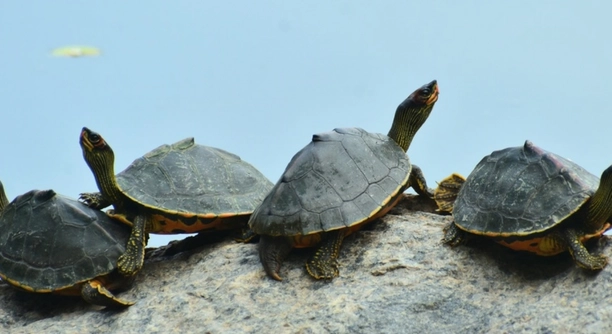
Caring for an Indian Roofed Tortoise can be confusing with so much information floating around. Many myths surround the proper care of these reptiles. Understanding the truth behind these common misconceptions is important for their health and well-being.
There are several myths about caring for Indian Roofed Tortoises that could harm their health. Popular misconceptions include feeding them inappropriate food, improper tank conditions, and misunderstanding their need for sunlight and exercise. Correcting these myths ensures proper care.
Clearing up these myths will help you create the best environment for your tortoise. Proper care will help them thrive and live long, healthy lives.
Myth 1: Indian Roofed Tortoises Can Eat Any Vegetables
Many people believe that all vegetables are good for Indian Roofed Tortoises. However, some vegetables can be harmful to them. Common mistakes include offering high-oxalate foods like spinach, which can cause kidney problems. Other vegetables, such as lettuce, lack nutrients and can lead to digestive issues if given too frequently. A balanced diet is crucial, and it’s essential to provide vegetables that are safe, like dandelion greens, collard greens, and carrots.
It’s important to avoid giving tortoises fruits or vegetables high in sugar or water content, as these can lead to diarrhea or other digestive issues.
A proper diet consists of a mix of leafy greens, flowers, and a small amount of fruits. A varied diet promotes better digestion and overall health. By sticking to suitable vegetables, you can prevent unnecessary health issues and ensure your tortoise is getting the nutrients it needs to thrive.
Myth 2: They Don’t Need Sunlight or UVB Light
Some believe that Indian Roofed Tortoises don’t require direct sunlight or UVB light for their health. In reality, UVB light is essential for their shell and bone development. Without proper UVB exposure, they can suffer from metabolic bone disease, which weakens their bones and shell.
UVB light helps them synthesize vitamin D3, which is vital for calcium absorption. In the wild, tortoises get this from the sun. In captivity, a UVB bulb can replicate this.
A basking area with appropriate UVB lighting is necessary for their well-being. This should be set at the right temperature to allow them to regulate their body heat. Regular exposure to both UVB light and natural sunlight will help maintain a healthy metabolism and strong bones, keeping your tortoise active and healthy.
Myth 3: Indian Roofed Tortoises Can Live in Small Spaces
It’s a common misconception that tortoises can live comfortably in small enclosures. In reality, they need room to roam and explore to stay healthy. A cramped space can lead to stress and health issues over time.
Tortoises require a large, well-ventilated habitat with both dry and humid areas. Their enclosure should be large enough to allow them to move freely and exercise. Without proper space, they can develop shell deformities and stress-related illnesses.
A spacious enclosure encourages natural behaviors, such as digging, grazing, and exploring. A well-designed habitat supports your tortoise’s physical and mental well-being, allowing them to live a longer, happier life. Make sure their living space mimics their natural environment as closely as possible to avoid unnecessary stress.
Myth 4: Tortoises Only Eat Dry Foods
It’s a myth that Indian Roofed Tortoises can survive solely on dry foods like pellets. These foods lack the moisture and nutrients needed for proper hydration and overall health.
Tortoises need a mix of fresh, nutrient-rich foods to stay hydrated. Offering a variety of leafy greens, flowers, and safe vegetables will ensure they get enough water and vitamins. Dried foods should only be used sparingly.
Feeding your tortoise a balanced, fresh diet will promote proper digestion and growth. Make sure to include foods with high water content, such as cucumbers and bell peppers, to keep them hydrated. Healthy eating habits lead to stronger immune systems and better vitality for your tortoise.
Myth 5: Indian Roofed Tortoises Don’t Need Exercise
Many people believe that tortoises are low-energy animals that don’t need much exercise. However, they are naturally active creatures and require daily physical activity to stay healthy. Lack of exercise can lead to obesity and shell deformities.
Tortoises need room to roam and explore. Regular exercise also helps prevent behavioral issues, such as aggression or lethargy. Provide a spacious enclosure with plenty of safe climbing areas or even supervised outdoor time to encourage movement.
A well-exercised tortoise is a happier and healthier one. Daily activity will keep them physically fit and mentally stimulated. Without exercise, their overall health will decline.
Myth 6: Tortoises Can Be Fed Only Once a Day
It’s a common misconception that tortoises only need one meal a day. In truth, they require smaller, more frequent meals to meet their nutritional needs.
Feeding them multiple times a day with balanced portions ensures they get the necessary nutrients. Too much food at once can cause digestive issues.
Myth 7: Tortoises Can Live Without Water
Some believe tortoises can survive without access to water, but this is far from true. Dehydration can cause severe health problems, including kidney damage.
Your tortoise should always have access to fresh water, whether in their enclosure or through regular soaking. This helps them stay hydrated, aids digestion, and supports healthy skin. Tortoises may not always drink from their water dish, but they still need it available at all times.
FAQ
How often should I feed my Indian Roofed Tortoise?
Indian Roofed Tortoises should be fed daily, but their meals should be small and varied. It’s important to offer fresh vegetables, leafy greens, and some fruits in moderation. Avoid overfeeding or offering high-calcium foods too often, as this can cause health problems. A daily feeding schedule helps maintain a healthy metabolism.
Can I feed my Indian Roofed Tortoise fruits?
Yes, but in moderation. Fruits should only make up a small portion of their diet. Too much fruit can lead to diarrhea and other digestive issues due to their high sugar content. Stick to safe fruits like apples, berries, or melons, but limit their quantity.
What is the ideal temperature for an Indian Roofed Tortoise’s enclosure?
The ideal temperature for their enclosure should be between 75°F to 85°F (24°C to 29°C) during the day. They also need a basking area with a temperature of about 90°F (32°C). At night, the temperature can drop to around 70°F (21°C). Proper temperature regulation is vital for their digestion and overall health.
Can Indian Roofed Tortoises live with other pets?
It’s not recommended to house tortoises with other pets, especially those that may see them as prey. Tortoises should have their own space to avoid stress or injuries. If you do choose to introduce them to other animals, ensure that both species are compatible and supervised at all times.
How much space does an Indian Roofed Tortoise need?
Tortoises need a spacious enclosure to move around freely. A minimum of 4 feet by 6 feet is recommended for one adult tortoise. The more space you can provide, the better. Outdoor enclosures with secure fencing are ideal for larger spaces, as long as they are safe from predators and extreme weather.
Do Indian Roofed Tortoises need a humid environment?
While they do not need a humid environment like some other reptiles, a slight humidity boost is beneficial. The humidity level should be around 50%-60%. You can increase this by misting their enclosure or providing a humid hide. Proper humidity aids in shedding and helps maintain healthy skin.
How do I prevent my Indian Roofed Tortoise from getting sick?
To prevent illness, make sure your tortoise has a balanced diet, proper lighting (including UVB), and a spacious enclosure that mimics its natural habitat. Regularly check for signs of dehydration or shell issues. Additionally, maintain clean living conditions to reduce the risk of parasites and infections.
Can I let my Indian Roofed Tortoise roam outside?
Yes, but only under supervision. If you allow your tortoise to roam outside, make sure the area is secure to prevent escape and free from predators. Avoid letting them outside in extreme temperatures, such as during the hottest parts of the day or in cold weather.
What should I do if my Indian Roofed Tortoise isn’t eating?
If your tortoise stops eating, it could be a sign of stress, improper temperature, or health issues. Check their enclosure conditions first, ensuring the temperature and humidity are correct. If they still refuse food, consult a vet to rule out any medical problems.
How do I know if my Indian Roofed Tortoise is healthy?
A healthy tortoise will be active, alert, and have clear eyes. Their shell should be smooth, without any soft spots or cracks. Their skin should be free from lesions, and they should be eating and drinking regularly. If they seem lethargic, have trouble eating, or show signs of unusual behavior, it’s best to see a vet.
Do Indian Roofed Tortoises need a substrate?
Yes, tortoises need a suitable substrate in their enclosure for digging and natural behavior. Choose materials like coconut coir, orchid bark, or grass hay, as these are safe and easy to clean. Avoid sand or wood shavings, which can cause respiratory problems.
Can I keep my Indian Roofed Tortoise indoors?
Yes, an indoor enclosure is perfectly fine as long as it’s large enough and has proper lighting and temperature control. Many tortoises live happily indoors, especially if they have a UVB light source and a basking area. Just make sure they get enough space to move around.
How do I properly bathe my Indian Roofed Tortoise?
To bathe your tortoise, fill a shallow dish with warm water. Place your tortoise in the water for about 15-20 minutes, allowing it to soak and hydrate. Do not submerge their head underwater. Bathing should be done once a week or when you notice signs of dehydration.
How can I tell if my Indian Roofed Tortoise is shedding?
Tortoises shed their skin and scutes (shell pieces) regularly. If you notice areas of their shell that seem to peel off or their skin appears flaky, they are shedding. It’s a natural process. Ensure proper humidity and diet to support healthy shedding.
What kind of lighting does my Indian Roofed Tortoise need?
Indian Roofed Tortoises need both UVB and UVA light for proper health. UVB light helps them synthesize vitamin D3, which is essential for calcium absorption and bone health. UVA light helps maintain their activity and behavior. Replace UVB bulbs every 6-12 months, as their effectiveness decreases over time.
Can Indian Roofed Tortoises live for a long time?
Yes, Indian Roofed Tortoises can live for several decades, often reaching 50 years or more with proper care. They are slow-growing and long-living reptiles. A well-maintained environment with the right diet, exercise, and care will allow your tortoise to thrive throughout its life.
Final Thoughts
Taking care of an Indian Roofed Tortoise involves more than just feeding them and providing shelter. These reptiles have specific needs for diet, space, and environment to stay healthy. By understanding these needs, you can avoid common mistakes and provide a happy, long life for your tortoise. Misconceptions, such as the idea that tortoises only need small spaces or dry food, can lead to poor health and even shorter lifespans. Correcting these myths is essential to ensure their well-being.
Creating the right habitat is key. Indian Roofed Tortoises require a spacious environment that encourages natural behavior, such as roaming and basking. The temperature, lighting, and humidity must be carefully maintained to mimic their natural habitat. UVB lighting is especially important, as it helps them absorb essential vitamins for bone and shell health. Without proper space and light, their health can deteriorate quickly. Exercise, a proper diet, and hydration are also crucial factors in their care.
By following these guidelines and addressing common myths, you will be able to care for your Indian Roofed Tortoise properly. It’s important to be patient and consistent, as tortoises are slow to adapt and can take time to show signs of stress or illness. Regular check-ups with a vet are always a good idea to keep them in the best health. Overall, proper care will help your tortoise live a long, healthy life, and you will enjoy watching it grow and thrive.

Hello,
If you enjoy the content that we create, please consider saying a "Thank You!" by leaving a tip.
Every little bit helps us continue crafting quality advice that supports the health, happiness, and well-being of pets around the world, for pets of all shapes, sizes, and species.
We really appreciate the kindness and support that you show us!