
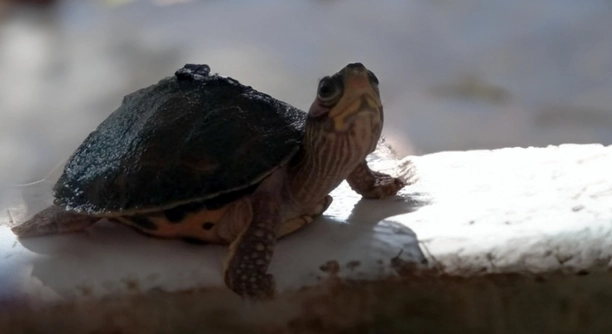
It can be concerning when your Indian Roofed Tortoise’s shell starts to soften. This change can point to various health or environmental issues that need attention. Understanding the causes behind this condition is important for your pet’s well-being.
A softening shell in your Indian Roofed Tortoise is commonly caused by improper diet, inadequate UVB lighting, or lack of calcium. These factors can lead to shell deformities and potential health risks. Addressing these issues promptly is essential for recovery.
Knowing the reasons behind your tortoise’s shell problems will help you take the necessary steps to improve its care and quality of life. Identifying these factors will help you better understand what might be causing the issue.
Causes of a Soft Shell in Your Indian Roofed Tortoise
There are several reasons why your tortoise’s shell may begin to soften, with diet and environmental factors playing a major role. A lack of proper calcium intake is one of the most common causes. Calcium is essential for shell growth and strength. Without enough of it, your tortoise’s shell can become weak and soft. In addition, inadequate UVB light exposure can affect the tortoise’s ability to process calcium, leading to similar issues. Poor diet, with too little variety or nutritional imbalance, can also result in softening. Dehydration and improper humidity levels in their habitat may contribute to weakened shells as well. These factors should all be examined to find the right solution.
A proper diet rich in calcium and adequate UVB light is vital for your tortoise’s health. These simple changes can help restore its shell’s strength.
Ensure that your tortoise has access to natural sunlight or a high-quality UVB light bulb. Calcium supplements should be provided if your pet is not getting enough from its diet. Make sure to offer leafy greens, such as collard greens and dandelion, along with occasional calcium-rich foods. Proper hydration also plays a critical role in shell health. Offer fresh water daily, and monitor the humidity in their enclosure to keep it within the ideal range. These adjustments will help improve the shell’s condition over time.
The Role of Calcium in Shell Health
Calcium is one of the most important elements when it comes to your tortoise’s shell. Without enough calcium, the shell can become soft and fragile, increasing the risk of injury. The main source of calcium should come from a balanced diet that includes calcium-rich vegetables and supplements. Additionally, calcium is best absorbed when paired with adequate UVB lighting. UVB helps your tortoise produce vitamin D3, which is essential for absorbing calcium. Without the right balance of both, the shell can lose its rigidity, leaving your tortoise vulnerable to serious health issues.
Proper calcium intake and UVB lighting are non-negotiable for healthy shell development.
Inadequate UVB Lighting and Its Effects
UVB lighting plays a crucial role in your tortoise’s overall health. Without proper UVB exposure, calcium absorption is impaired, leading to a soft shell. Tortoises need UVB light to help their bodies synthesize vitamin D3, which is essential for utilizing calcium. A lack of this lighting can lead to metabolic bone disease and softening of the shell over time. It’s important to provide a UVB light source that mimics natural sunlight and ensures your tortoise gets the necessary exposure.
Consider using high-quality UVB bulbs specifically designed for reptiles. These bulbs should be replaced regularly, as their effectiveness diminishes over time. The light should be positioned to shine directly on your tortoise for several hours a day, ideally between 10 and 12 hours. You can also offer natural sunlight during warm months, but make sure to avoid direct heat exposure for long periods. Monitoring your tortoise’s health and shell regularly is also vital, as early intervention can prevent further damage.
Without UVB light, your tortoise may develop serious health problems. These issues can lead to irreversible damage if not addressed early, so ensure that lighting is a consistent part of their care routine.
The Importance of Hydration and Humidity
Hydration plays an essential role in shell health. Without proper hydration, your tortoise’s shell can become weak and brittle. Offering fresh water daily is vital to maintaining healthy shell growth. Low humidity levels in the tortoise’s environment can also contribute to dehydration, exacerbating shell problems. Proper humidity helps keep the tortoise hydrated, allowing its body to function efficiently. Maintaining the right moisture level can ensure that your tortoise’s shell remains firm and resilient.
To maintain proper hydration, provide a shallow water dish large enough for your tortoise to soak in. This encourages natural drinking behaviors and allows it to hydrate as needed. In addition to a water dish, ensure the enclosure has the right humidity levels—around 60-80% depending on the species. A simple humidity gauge can help monitor these levels. If the humidity is too low, use a humidifier or mist the enclosure daily. Keeping the environment consistent is key to your tortoise’s health and shell durability.
Poor Diet and Its Impact on Shell Strength
A poor diet is another major reason your tortoise’s shell may become soft. When the diet lacks essential nutrients, such as calcium and vitamins, the shell can weaken over time. Feeding your tortoise a varied, balanced diet is crucial for overall health and shell integrity.
Ensure your tortoise receives calcium-rich vegetables, such as collard greens, dandelion greens, and kale. You can also provide commercial calcium supplements if needed. A diet high in fiber and low in protein is essential for digestion and shell development. Avoid feeding too many fruits or high-fat foods, as they can cause imbalances.
Metabolic Bone Disease and Shell Softening
Metabolic Bone Disease (MBD) can develop when your tortoise does not receive enough calcium or UVB exposure. The disease affects the bones and shell, causing them to soften and deform. MBD is often the result of a combination of factors, such as poor diet and inadequate lighting. It can lead to significant health issues, including weakness, lethargy, and severe shell deformities.
Treating MBD requires immediate intervention, which may include calcium supplements and adjustments to UVB lighting. In severe cases, veterinary care is necessary for a full recovery. Early detection is key to preventing long-term damage, so regular health checks are essential.
Dehydration and Shell Softening
Dehydration can have a direct impact on your tortoise’s shell, causing it to soften and become more vulnerable to damage. When tortoises are not properly hydrated, their body starts to break down nutrients inefficiently, affecting the shell’s structure. Providing ample fresh water helps maintain healthy shell growth.
FAQ
What causes my tortoise’s shell to become soft?
A soft shell in your tortoise is usually the result of improper diet, inadequate UVB lighting, dehydration, or lack of calcium. Poor diet and a lack of proper nutrients like calcium can weaken the shell, making it soft and more susceptible to damage. Without adequate UVB light, your tortoise will have difficulty absorbing calcium, which is essential for shell health. Additionally, dehydration and poor humidity levels in the habitat can also contribute to softening.
How can I tell if my tortoise has a soft shell?
You may notice that your tortoise’s shell feels soft to the touch. A healthy tortoise shell is firm and hard, with a smooth, evenly shaped surface. If the shell is soft or flexible in any area, it is a sign that something might be wrong. You may also notice the shell becoming misshapen, discolored, or even having visible cracks or indentations. It’s essential to act quickly if you notice these signs.
Can a soft shell be reversed?
Yes, it is possible to reverse a soft shell if you catch it early and address the underlying causes. Improving the diet by adding calcium supplements and ensuring proper UVB exposure will support shell recovery. Additionally, providing proper hydration and humidity will help restore the shell’s firmness. However, if left untreated for too long, the damage may become permanent.
What should I feed my tortoise to prevent a soft shell?
To prevent a soft shell, feed your tortoise a balanced diet rich in calcium and other essential nutrients. Offer leafy greens like collard greens, dandelion greens, and kale, which are high in calcium. You can also provide a calcium supplement, especially if your tortoise is not getting enough from food alone. Avoid feeding them too many fruits, as they are high in sugar and can lead to an imbalanced diet. High-fiber foods like grasses, weeds, and flowers should also be included in their diet.
How can I improve my tortoise’s UVB exposure?
The best way to improve UVB exposure is by using a high-quality UVB bulb designed specifically for reptiles. Place the bulb within 6 to 12 inches of your tortoise’s basking area, ensuring it is on for about 10 to 12 hours a day. If possible, give your tortoise natural sunlight a few times a week, as long as it’s not too hot. Be sure to replace the UVB bulb every 6 to 12 months, as its effectiveness diminishes over time.
How much water should I provide for my tortoise?
Your tortoise should have access to fresh water at all times. Offer a shallow water dish that allows your tortoise to drink and soak. Depending on the species, some tortoises also enjoy soaking for longer periods. Be sure to change the water daily to keep it clean and prevent any bacteria buildup. Dehydration can lead to shell softening and other health issues, so hydration is vital.
What humidity levels are best for my tortoise?
The ideal humidity level for most tortoises is between 60-80%. Humidity is important for hydration, skin health, and shell development. You can monitor humidity with a simple hygrometer. If the humidity is too low, you can increase it by misting the enclosure or using a humidifier. Be careful not to make the environment too wet, as excess moisture can also lead to health issues like shell rot.
Is it possible for a tortoise shell to harden again after it has softened?
Yes, it is possible to restore some firmness to a soft shell if the underlying causes are corrected early. Providing a calcium-rich diet, UVB lighting, and proper hydration can help the shell regain its strength. However, if the softening is caused by advanced metabolic bone disease or prolonged nutritional deficiencies, the damage may be permanent and harder to reverse. Early intervention is crucial.
What should I do if my tortoise’s shell seems deformed?
If your tortoise’s shell has become misshapen, it’s important to visit a reptile veterinarian as soon as possible. Deformities can result from improper nutrition, lack of calcium, or severe cases of metabolic bone disease. The vet will be able to assess the severity of the deformity and provide appropriate treatment, such as calcium supplements or changes to diet and lighting.
How often should I check my tortoise’s shell for problems?
Regularly checking your tortoise’s shell is crucial to spotting any potential issues early. Ideally, you should inspect the shell every time you clean the enclosure or handle your tortoise. Look for any signs of softness, cracks, or discoloration. Frequent checks will help you identify problems quickly and take corrective actions before the issue worsens.
Final Thoughts
A soft shell in your Indian Roofed Tortoise is a sign that something isn’t quite right, and it’s important to address it as soon as possible. The health of your tortoise’s shell reflects the overall care and environment you provide. By understanding the causes, such as poor diet, lack of calcium, inadequate UVB light, and improper hydration, you can start making the necessary adjustments. These issues can be prevented or corrected with the right changes, so it’s essential to act promptly to avoid further complications.
To begin with, providing a balanced and calcium-rich diet is one of the most effective ways to ensure your tortoise’s shell stays strong and healthy. Calcium plays a major role in the development of a firm, strong shell. Without it, your tortoise will struggle to maintain a healthy shell structure. Along with calcium, a diet that includes fiber, vitamins, and low protein will also help keep your tortoise in good health overall. Don’t forget the importance of UVB lighting, as it aids in the proper absorption of calcium. A consistent light source that mimics natural sunlight is crucial for your tortoise’s well-being.
Lastly, keeping your tortoise hydrated and maintaining proper humidity levels are simple yet vital steps to preserving its shell. Dehydration can weaken the shell and make it more prone to damage. Be sure to offer fresh water daily and monitor the humidity in the habitat to keep it within the ideal range. These basic steps, combined with a balanced diet and proper lighting, will help prevent softening and keep your tortoise’s shell strong and healthy. By staying proactive with its care, you can ensure your tortoise lives a long, healthy life.

Hello,
If you enjoy the content that we create, please consider saying a "Thank You!" by leaving a tip.
Every little bit helps us continue crafting quality advice that supports the health, happiness, and well-being of pets around the world, for pets of all shapes, sizes, and species.
We really appreciate the kindness and support that you show us!