
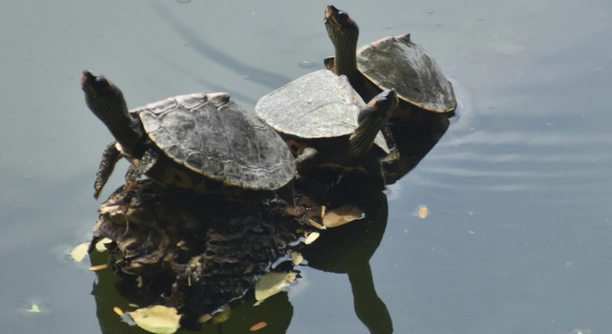
Tortoise shell pyramiding is a common issue that can affect the health of your pet. It’s important to understand the causes and how to prevent this condition for your tortoise’s well-being.
Pyramiding in tortoises typically occurs due to improper diet, insufficient UVB light, and poor humidity levels. It leads to abnormal growth, causing the shell to become raised and uneven, which may cause long-term health issues.
By focusing on proper care, you can ensure that your tortoise grows in a healthy and stable environment. Keep reading to learn the best ways to prevent pyramiding and promote your tortoise’s overall health.
Proper Diet for Your Tortoise
A well-balanced diet is crucial for preventing pyramiding. Tortoises need a variety of fresh vegetables, grasses, and some fruits, depending on the species. Leafy greens like dandelion greens, collard greens, and mustard greens are excellent choices. Avoid feeding them too many high-oxalate vegetables like spinach, as it can lead to calcium imbalances. Proper calcium-to-phosphorus ratios in their food are essential to healthy shell growth. Along with a variety of foods, always ensure fresh water is available.
To support proper shell growth, it’s vital to include calcium and vitamin D3 in your tortoise’s diet. A supplement can help ensure they get enough calcium to prevent shell deformities. If your tortoise isn’t receiving the correct amount of nutrition, pyramiding could occur over time.
Along with proper diet, tortoises benefit from being fed the right amount and at regular intervals. Overfeeding can lead to obesity, while underfeeding can slow growth and make the shell more prone to irregularities. Adjusting their diet based on their species and size will keep their growth steady. Regularly monitor your tortoise’s weight to ensure they are on track.
UVB Lighting
Tortoises require UVB light to properly metabolize calcium and maintain healthy bone structure. Without proper UVB exposure, they are at risk of metabolic bone disease, which can lead to shell problems like pyramiding. Natural sunlight is the best source of UVB, but in the absence of sunlight, a UVB bulb is necessary. Make sure to replace the bulb every 6 to 12 months, as the UVB output decreases over time.
UVB light is essential for your tortoise’s overall health. It helps with the absorption of calcium and contributes to bone strength, preventing deformities in the shell. To avoid pyramiding, ensure that your tortoise has access to UVB light for 10-12 hours a day. The light should be positioned at an appropriate distance based on the bulb type to maximize its effectiveness.
Without the right UVB exposure, your tortoise’s shell will likely start to develop pyramid-like growths. It’s crucial to create an environment that mimics natural sunlight. Setting up the right UVB light and following the recommended guidelines will help your tortoise avoid these health problems.
Humidity Control for Shell Health
Humidity plays a significant role in a tortoise’s shell development. Too low humidity can lead to dry skin, respiratory problems, and, over time, pyramiding. On the other hand, excessive humidity can promote fungal growth and infections. It’s important to maintain a balanced level of humidity that suits your tortoise’s needs. A humidity level of 50-70% is ideal for most tortoise species.
Maintaining proper humidity isn’t just about providing a humid environment. It’s also about ensuring there is adequate ventilation to avoid stagnant air. You can use a humidity gauge to monitor the levels inside the tortoise’s enclosure. If you find the humidity is too low, misting the enclosure or adding a water dish can help.
Ensuring that your tortoise’s environment is neither too dry nor too wet is key to promoting healthy shell growth. If humidity levels are too low, your tortoise’s shell may start to show signs of pyramiding. Regularly check the conditions in their habitat, adjusting as needed to maintain balance. This simple step will help prevent pyramiding and keep your tortoise comfortable.
Proper Enclosure Size
A spacious enclosure is vital for your tortoise’s health. If the enclosure is too small, it restricts movement, which can lead to stress and poor growth. Stress can cause shell deformities, including pyramiding. Always provide ample space for your tortoise to roam, explore, and exercise.
The minimum size of the enclosure depends on the tortoise species, but generally, it should be at least 4 to 6 times the size of the tortoise. A larger space promotes better overall health, encourages physical activity, and prevents developmental issues. A cramped space limits your tortoise’s natural behavior, contributing to unhealthy shell growth.
When designing the enclosure, ensure it has both dry and humid areas, along with hiding spots. It’s important for the tortoise to have a comfortable and safe space to rest and move freely. A cramped, poorly designed environment can create stress, which may affect shell development negatively. This is why a proper-sized enclosure is essential for the prevention of pyramiding and other health issues.
Regular Exercise
Exercise is essential to keep your tortoise in good shape and help maintain a healthy shell. Regular movement encourages muscle development, which supports the growth of a strong, even shell. If a tortoise remains sedentary for too long, it may develop deformities, including pyramiding.
Encourage your tortoise to move around by providing enough space and things to explore. You can use objects like rocks, logs, or plants to create obstacles and paths that stimulate movement. This natural behavior encourages proper shell growth. Be mindful of the temperature in the enclosure, as too much heat or cold can reduce activity levels.
Make sure to adjust the environment based on your tortoise’s species and needs. A well-maintained habitat with daily opportunities for exercise will keep them active and help prevent health problems. Regular activity helps reduce the chances of abnormal shell growth and maintains your tortoise’s overall well-being.
Avoid Overheating
High temperatures can cause dehydration, stress, and even harm the growth of your tortoise’s shell. Pyramiding may develop when your tortoise is exposed to excessive heat. Maintain a consistent, appropriate temperature in the enclosure.
Ensure that the temperature in the basking area stays around 85-95°F, while the cooler side of the enclosure should be around 70-80°F. Too much heat can affect the tortoise’s metabolism and shell health. Be sure to monitor the temperature regularly, as fluctuating heat levels can lead to dehydration or a lack of proper nutrient absorption.
Proper temperature regulation is key to your tortoise’s well-being and shell development. Inconsistent temperatures cause stress, which negatively impacts your tortoise’s growth. Set up a thermometer in the enclosure to keep track of the temperature and make adjustments to prevent overheating.
Shell Soaking
Soaking your tortoise is a helpful way to prevent pyramiding and maintain a healthy shell. It provides hydration, which aids in overall health and prevents dehydration.
Soak your tortoise in shallow water for 15-20 minutes, ensuring the water level covers the legs but not the head. This simple action helps your tortoise stay hydrated and supports their shell growth. Regular soaking will ensure they maintain proper hydration levels for better shell development.
Monitor Weight
Consistently tracking your tortoise’s weight can reveal early signs of health issues. A fluctuating or slow-growing tortoise might be more prone to shell problems like pyramiding. Regular weight checks allow you to adjust diet or environmental factors as needed.
FAQ
What causes pyramiding in tortoises?
Pyramiding in tortoises occurs when their shells grow unevenly, causing a raised, pyramid-like shape. This is often the result of improper diet, inadequate UVB lighting, insufficient humidity, or a poor living environment. Without the right balance of nutrition, light, and humidity, the tortoise’s shell does not develop smoothly and can lead to deformities.
How can I fix pyramiding on my tortoise?
Unfortunately, once pyramiding occurs, it cannot be reversed. However, you can prevent it from worsening by improving your tortoise’s environment. Providing a proper diet, UVB lighting, and correct humidity levels can help your tortoise grow a healthy shell moving forward. Maintaining proper care and monitoring growth are key steps to ensuring a healthy future.
Can pyramiding cause pain or health issues in my tortoise?
Pyramiding itself may not cause immediate pain, but it can lead to other health issues over time. An abnormal shell can affect the tortoise’s mobility, increase the risk of injury, and interfere with the natural function of the shell. Over time, pyramiding can also result in problems with feeding and proper shell growth. Additionally, metabolic bone disease, caused by inadequate calcium or UVB light, is a common concern when pyramiding is present.
How do I know if my tortoise is at risk for pyramiding?
If your tortoise’s shell starts to appear lumpy, uneven, or “pyramidal,” it may be at risk for pyramiding. Other signs include stunted growth, lethargy, and poor appetite. A proper diet with balanced calcium levels, UVB exposure, and a stable living environment are essential in preventing this condition. Regular weight checks and visual assessments can help you spot early signs.
Do all tortoise species get pyramiding?
Not all tortoise species are equally prone to pyramiding, but it can occur in any tortoise if the conditions are not ideal. Some species, like the sulcata and leopard tortoises, are more prone due to their natural habitat and specific care requirements. Regardless of the species, all tortoises can benefit from proper diet and environmental conditions to avoid pyramiding.
How can I provide UVB light for my tortoise?
You can provide UVB light by using specialized UVB bulbs designed for reptiles. These bulbs should be positioned above your tortoise’s basking area and should be replaced regularly, as their UVB output diminishes over time. It’s essential that the bulb provides the correct spectrum of UVB light for your tortoise’s species. For best results, expose your tortoise to UVB lighting for 10 to 12 hours a day.
How often should I soak my tortoise?
Soaking your tortoise 2-3 times a week is typically recommended for hydration and shell health. The water should be shallow enough to cover the tortoise’s legs without submerging the head. The soaking time should be around 15-20 minutes, allowing the tortoise to hydrate without stress. It’s an excellent way to prevent dehydration and help with overall health.
What should I feed my tortoise to prevent pyramiding?
A well-balanced diet is key to preventing pyramiding. Focus on leafy greens like dandelion greens, collard greens, and mustard greens, while offering occasional fruits. Avoid overfeeding high-oxalate foods like spinach, as they can affect calcium absorption. It’s also important to provide a calcium supplement if necessary, especially if your tortoise is not getting enough from its food.
Is humidity important for tortoise health?
Yes, humidity is crucial for your tortoise’s health, particularly for species that thrive in environments with higher moisture levels. Proper humidity helps keep the tortoise’s skin and respiratory system healthy and supports shell growth. Maintaining the right humidity level (50-70%) prevents dryness, which can lead to dehydration and shell deformities, such as pyramiding.
Can pyramiding be prevented in juvenile tortoises?
Yes, pyramiding is more likely to develop in juvenile tortoises if their environmental conditions are not ideal. Proper diet, UVB lighting, humidity control, and enough space are essential during their growth stages. Preventing pyramiding in young tortoises is much easier, and starting with the correct care early on significantly reduces the chances of this condition developing.
How long does it take for a tortoise’s shell to grow?
The growth rate of a tortoise’s shell depends on several factors, including species, diet, and environmental conditions. Typically, a tortoise’s shell grows gradually throughout its life. In the wild, tortoises grow slowly, while those in captivity with optimal conditions can grow at a faster rate. Shell growth is most noticeable during the early years of life. However, this process can slow down as the tortoise matures.
What is the best way to monitor my tortoise’s weight?
Monitoring your tortoise’s weight is essential for detecting health issues early. Weigh your tortoise regularly, using a digital scale. Record the weight so you can track any changes over time. If you notice rapid weight loss or unusual growth patterns, consult with a veterinarian. Weight tracking helps ensure that your tortoise is growing at a healthy rate and helps you adjust their diet or care routine if needed.
How can I create a suitable enclosure for my tortoise?
A suitable enclosure should provide plenty of space for your tortoise to roam and explore. Ensure that it has both warm and cool areas, allowing your tortoise to regulate its temperature. Include hiding spots and objects for your tortoise to climb over, which will encourage physical activity. The enclosure should also have proper humidity levels, lighting, and ventilation for a comfortable environment. A well-maintained habitat will prevent stress and encourage healthy shell growth.
Final Thoughts
Taking the necessary steps to prevent pyramiding in tortoises requires understanding their basic care needs. Providing a balanced diet, access to proper UVB lighting, and maintaining the right humidity levels are crucial for healthy shell growth. By paying attention to these factors, you can greatly reduce the chances of your tortoise developing shell deformities like pyramiding. A tortoise’s shell is an essential part of its health, and taking care of it from a young age ensures that it grows smoothly and evenly over time. Regularly monitoring their diet, habitat, and physical condition will help you identify any potential issues early on, which can save you from long-term complications.
Creating a proper environment for your tortoise also involves maintaining the right temperature and humidity levels in their enclosure. These factors play a significant role in their overall well-being and can prevent several health issues. A spacious enclosure encourages your tortoise to move freely and engage in natural behaviors, which promotes physical health and better shell development. It’s important to remember that small changes, such as adjusting their diet or adding UVB lighting, can have a big impact on your tortoise’s health. Providing the best care possible ensures your tortoise stays happy and healthy for years to come.
While pyramiding may not always be preventable in every tortoise, making sure your pet receives proper care from the start can go a long way in preventing the condition. Regular veterinary check-ups are also recommended, as they can help catch any health problems early before they worsen. Your tortoise deserves the best environment to thrive, and with attention to detail, you can ensure it has the best chance for a healthy, long life.

Hello,
If you enjoy the content that we create, please consider saying a "Thank You!" by leaving a tip.
Every little bit helps us continue crafting quality advice that supports the health, happiness, and well-being of pets around the world, for pets of all shapes, sizes, and species.
We really appreciate the kindness and support that you show us!