
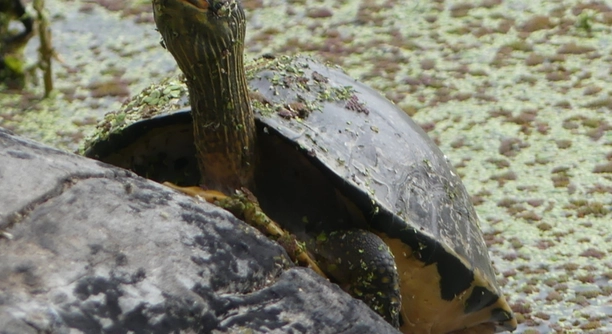
Tortoises are fascinating creatures, and their behaviors can sometimes be puzzling to owners. If you notice your Indian Roofed Tortoise burying itself frequently, you may be wondering what could be behind this behavior.
The main reason your Indian Roofed Tortoise is burying itself all the time is likely due to natural instincts, environmental factors, or stress. Tortoises may bury themselves for comfort, to regulate temperature, or to seek privacy.
Understanding why your tortoise buries itself can help ensure its well-being and happiness. We will explore the various factors that contribute to this behavior and offer tips for providing a better environment.
Why Do Tortoises Bury Themselves?
Tortoises, especially the Indian Roofed Tortoise, have a natural instinct to bury themselves. This behavior may seem unusual to new owners, but it’s quite common. In the wild, these creatures often bury themselves for protection or to regulate their body temperature. Burrowing helps them create a safe and secure environment where they can feel protected from predators. In captivity, they might continue this behavior due to instinct or as a way of coping with their surroundings. If your tortoise is burying itself regularly, it might simply be trying to establish a sense of safety.
Some tortoises will bury themselves for hours or even days, depending on their environment and their need for comfort. They may also do this when feeling stressed or insecure. This behavior is quite normal and part of their daily routine, so it isn’t usually something to worry about. However, understanding the reasons behind it can help you improve their care.
Burrowing also plays a role in regulating temperature. In cooler climates, tortoises may bury themselves to warm up, while in warmer climates, they may dig to find a cooler spot.
Stress or Anxiety
Sometimes, your tortoise may bury itself due to stress. Stressors can include loud noises, unfamiliar surroundings, or changes in routine. If you recently moved its enclosure or added new pets to the environment, this could cause anxiety.
Stress can make your tortoise feel vulnerable and insecure, leading to more burrowing behavior. In some cases, the changes in its environment might create a sense of discomfort. It’s important to provide a stable, quiet place for your tortoise to minimize stress and give it a sense of security. Making sure its enclosure is clean, the temperature is right, and it feels safe can help ease anxiety and reduce excessive burrowing.
If your tortoise’s burrowing continues for a long period or seems excessive, it might be worth looking deeper into its environment and any factors that could be causing it distress. Ensuring a peaceful, familiar setting is key to helping your tortoise feel more at ease.
Temperature Regulation
Your tortoise may bury itself as a way to regulate its body temperature. In the wild, burrowing is a method used to escape the heat or cold.
In captivity, providing a proper temperature gradient within the enclosure is crucial. If the tortoise feels too hot, it might dig to cool off. If it’s too cold, it could bury itself to conserve heat. Make sure the enclosure has a warm side and a cooler side, allowing your tortoise to move between the areas as needed. This way, it can self-regulate and avoid spending too much time buried when it doesn’t need to.
Keep a thermometer in the enclosure to monitor the temperature accurately. If the warmth is not sufficient, consider adding a heat lamp or heat mat. Likewise, ensure the cooler side isn’t too cold, as this could also lead to excessive burrowing behavior.
Natural Instincts
Burrowing is simply a natural behavior for tortoises. In the wild, they often dig to create a safe space or to hide from predators.
Even in captivity, these instincts remain strong. It’s a way for them to feel secure and protected. Tortoises are solitary animals, and they appreciate having their own space to retreat to. If your tortoise seems to bury itself often, it may just be following this deep-seated instinct. Providing hiding spots or soft substrates in the enclosure can encourage natural behavior and make them feel at home.
Giving your tortoise opportunities to express its natural instincts will help reduce stress and contribute to its well-being. A good hiding spot or burrow-like area can create a more comfortable and stimulating environment for your pet.
Environmental Enrichment
Tortoises may bury themselves out of boredom. If they lack stimulation, they may dig to pass the time.
Without enough mental and physical stimulation, tortoises may engage in repetitive behaviors like burrowing. Offering enrichment such as new hiding spots, rocks, or a variety of plants can give them something to explore. Changing up the environment can keep them more active and engaged.
If the enclosure is too barren, your tortoise may bury itself as a way to find something interesting to do. Giving them opportunities to explore, dig, and interact with new elements can reduce this behavior.
Diet and Digestion
A poor diet can cause discomfort, which may lead to more burrowing. A lack of proper nutrition might make your tortoise feel unwell.
Offering a balanced diet with the right amount of fiber, vitamins, and minerals will help keep your tortoise healthy and reduce any discomfort. If a tortoise is eating food that doesn’t suit its needs, it may burrow in response to feeling unwell. Providing fresh vegetables and occasional protein is important to avoid health issues.
Make sure to research the specific dietary needs of your tortoise species.
FAQ
Why is my tortoise digging and burying itself so often?
Tortoises dig and bury themselves as a natural behavior. They do this to regulate their body temperature, to seek comfort, or to escape from perceived threats. If your tortoise buries itself often, it could be due to a need for security, temperature control, or even boredom. It is important to ensure the environment is suitable, offering a warm side and a cooler side for temperature regulation, and providing hiding spots to make your tortoise feel safe. If there are signs of stress or discomfort, the burrowing might be a way for your tortoise to manage those feelings.
How can I tell if my tortoise is stressed or just burrowing naturally?
A stressed tortoise might exhibit other signs like excessive hiding, loss of appetite, or aggressive behavior. If your tortoise is consistently burrowing more than usual and showing these signs, it could be stress-related. On the other hand, if the burrowing is occurring alongside normal eating, active movement, and good overall behavior, it’s likely just natural. Keep a close eye on any changes in behavior to ensure your tortoise is healthy and comfortable. Providing a consistent environment with no sudden changes will help minimize stress.
Is it okay for my tortoise to bury itself all the time?
If your tortoise is constantly burying itself, it might be a sign that something is off with its environment or health. While occasional burying is completely natural, consistent or prolonged burrowing could indicate issues like incorrect temperature, stress, or lack of enrichment. You should monitor its overall health and make adjustments to its habitat. Ensure that the enclosure has both warm and cool areas, access to fresh water, and enough space to move around. If the behavior persists, a visit to a veterinarian may be helpful.
How can I make my tortoise’s enclosure more comfortable?
To make your tortoise’s enclosure more comfortable, ensure that the space is large enough for it to move freely. Add soft substrates like coconut coir, which is good for burrowing. You should also provide hiding spots, such as rocks or logs, so the tortoise feels safe. Make sure there’s a proper temperature gradient, with a warm basking area and a cooler area for the tortoise to retreat to. Good ventilation is also key to avoid excess humidity, which could cause health problems.
Can a tortoise bury itself to escape from its owners or surroundings?
Yes, tortoises may bury themselves to escape stress or discomfort from their surroundings. This could be from a loud environment, the presence of other animals, or changes in routine. Tortoises are solitary creatures, so they may seek out a safe, quiet space when feeling overwhelmed. If your tortoise buries itself frequently, check the environment to see if there are any stress factors that could be affecting it. Reducing noise, keeping the habitat peaceful, and ensuring a stable routine will help your tortoise feel more secure.
What kind of substrate should I use to help my tortoise feel secure?
A good substrate for a tortoise is one that is natural, easy to clean, and allows for burrowing. Coconut coir or cypress mulch is often recommended. These materials are soft, absorbent, and safe for tortoises to dig into. Avoid substrates like sand or gravel, which can be harsh on your tortoise and may lead to digestive issues if ingested. Make sure the substrate is deep enough to allow for proper burrowing and hiding behavior, as it will help your tortoise feel more comfortable and secure.
How often should I change the substrate in my tortoise’s enclosure?
The frequency of substrate changes depends on the material used and how dirty it becomes. With coconut coir or cypress mulch, you should replace it every 4 to 6 weeks, but spot clean regularly to remove waste. If you use a different type of substrate, like paper-based bedding, it may need to be changed more frequently. Regular cleaning helps prevent odor buildup and ensures a healthy environment for your tortoise. Always check the substrate for mold or dampness, as this can cause health problems for your pet.
What should I do if my tortoise isn’t eating but still buries itself?
If your tortoise is not eating but still burying itself, it could be a sign of illness, stress, or environmental issues. A lack of appetite paired with excessive burying can indicate discomfort or an underlying health issue. Ensure the temperature and humidity levels in the enclosure are correct, and check for any signs of injury or illness. If the problem persists, consult a veterinarian to rule out any medical conditions. Keeping the environment stable and comfortable is key to encouraging your tortoise to eat and feel secure.
Should I worry if my tortoise spends more time burrowing than basking?
While it’s natural for a tortoise to bury itself for temperature regulation and comfort, if it spends more time burrowing than basking, there may be an issue with the enclosure. Make sure the basking area is warm enough (around 90-95°F) and that the tortoise can easily access it. If your tortoise is avoiding the basking area, it might be because it’s too cold or the light source is not positioned properly. Check the temperature gradients in the enclosure and adjust them if needed to ensure your tortoise feels comfortable basking.
Can I stop my tortoise from burying itself too much?
While it’s difficult to completely stop a tortoise from burying itself, you can minimize the behavior by providing a comfortable and stable environment. Ensure that the temperature, humidity, and lighting are optimal for your tortoise’s species. You can also reduce burrowing by offering a more enriched environment, with places to hide, climb, and explore. However, it’s important to remember that some burrowing is completely normal and part of your tortoise’s natural behavior. If the burrowing becomes excessive, investigate any environmental or health-related factors that might be contributing to it.
Final Thoughts
Understanding why your Indian Roofed Tortoise is burying itself so often can help you provide the best care possible. This behavior is generally natural and can be a sign that your tortoise is simply following its instincts, regulating its temperature, or feeling a need for comfort. Burrowing can also be linked to stress or boredom, so it’s important to pay attention to your tortoise’s overall environment and routine. By ensuring that your tortoise has a proper habitat, the right temperature, and enough mental stimulation, you can help reduce unnecessary burrowing.
While some burrowing is perfectly normal, excessive digging could signal that your tortoise is not entirely comfortable with its surroundings. If the burrowing seems constant or your tortoise shows other signs of stress or health issues, such as loss of appetite, lethargy, or unusual behavior, it’s worth examining its environment more closely. Are the temperature and humidity levels optimal? Is there enough space to explore, or could your tortoise be feeling confined? Small changes like adjusting the heat or adding hiding spots might make a big difference in reducing the behavior.
Overall, a healthy tortoise needs a balance of comfort, security, and stimulation. Regular monitoring of its environment and behavior is key to ensuring it is happy and well-cared for. If your tortoise’s burrowing becomes excessive, or if you’re unsure about its health, consulting a vet with experience in reptiles can provide peace of mind. With the right care and attention, your tortoise should feel safe and comfortable, allowing it to express its natural behaviors without stress.

Hello,
If you enjoy the content that we create, please consider saying a "Thank You!" by leaving a tip.
Every little bit helps us continue crafting quality advice that supports the health, happiness, and well-being of pets around the world, for pets of all shapes, sizes, and species.
We really appreciate the kindness and support that you show us!