
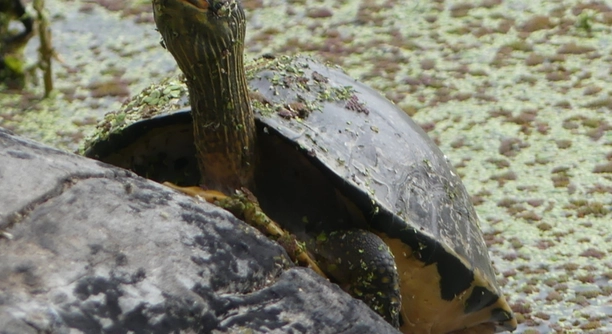
If your Indian Roofed Tortoise has suddenly lost interest in food, it can be concerning. This behavior might be linked to various factors, which can affect its appetite and overall well-being.
The most common reasons for a loss of appetite in Indian Roofed Tortoises include stress, improper diet, or environmental changes. A lack of proper UVB lighting or incorrect temperature can also contribute to reduced eating habits.
Understanding these factors will help you make necessary changes to improve your tortoise’s eating habits and overall health.
Stress and Environmental Changes
Stress can significantly impact the appetite of your Indian Roofed Tortoise. Sudden changes in its environment, such as moving to a new enclosure or adding new animals to its habitat, can be overwhelming for your tortoise. It thrives in a stable environment with consistent temperature and humidity. Any sudden fluctuations or disruptions in its space can lead to stress, which often results in loss of appetite. Even handling your tortoise too often or too roughly can create stress and make it less likely to eat.
Environmental stress can be avoided by keeping your tortoise’s space calm, secure, and familiar. Providing a quiet, comfortable home without sudden changes will help maintain its natural appetite.
Additionally, make sure its habitat is spacious, with areas to hide, climb, and explore. These simple adjustments can help your tortoise feel safe, reducing stress and encouraging healthy eating habits.
Improper Diet
If your tortoise is refusing food, an unbalanced diet might be to blame. They require a diet high in fiber and low in protein, consisting mostly of leafy greens, flowers, and grasses. If you’re feeding it mostly fruits or too much protein, it can lead to a loss of interest in meals. Sometimes, feeding your tortoise the same foods repeatedly can cause it to lose appetite, as variety is key.
Introduce different types of edible plants and make sure the food is fresh and clean. Avoid feeding too much fruit or foods high in fat, as they can upset the digestive system. This dietary adjustment could help spark your tortoise’s interest in food again.
Incorrect Temperature or Lighting
If your tortoise is not eating, poor lighting or temperature could be the issue. Indian Roofed Tortoises require a basking area that reaches around 90°F and a cooler area around 75°F. Without proper heat, your tortoise won’t be able to digest food properly, which can reduce its appetite.
UVB lighting is equally important. This helps your tortoise synthesize vitamin D3, which is crucial for calcium absorption. Without UVB light, your tortoise’s overall health can decline, making it disinterested in eating. Ensure the light is placed correctly and on for 10-12 hours a day to meet your tortoise’s needs.
If the enclosure doesn’t maintain proper temperatures or lack sufficient UVB exposure, it can result in a sluggish tortoise with poor appetite. Checking and adjusting the heat lamps and UVB lighting will help your tortoise feel comfortable and encourage healthy eating habits.
Illness or Infection
If your tortoise’s health is compromised, it may not feel like eating. Common issues like respiratory infections, parasites, or shell problems can all cause a lack of appetite. These health conditions often come with other symptoms like wheezing, lethargy, or visible discharge from the nose or eyes.
If you notice these signs, it’s essential to take your tortoise to the vet for a proper diagnosis. Many health issues require medical treatment, and a veterinarian can provide the necessary care to restore your tortoise’s health.
Regular check-ups can help prevent illness, and early intervention will ensure your tortoise doesn’t suffer long-term consequences. Proper care and attention can go a long way in keeping your tortoise healthy and its appetite steady.
Overfeeding or Overhandling
If you’re feeding your tortoise too much, it may refuse food. Overfeeding leads to digestive issues, making it feel full and uninterested in eating. Stick to a regular feeding schedule and monitor the portion sizes to avoid this problem. Smaller, balanced meals will help maintain its appetite.
Overhandling can also stress your tortoise and reduce its interest in food. Tortoises need time alone to feel safe. Frequent handling can make them feel insecure and less likely to eat. Keep handling to a minimum, especially during feeding times, to allow your tortoise to relax.
Seasonal Changes
Tortoises are influenced by the seasons, and their appetite can naturally decrease during colder months. As reptiles, they follow environmental cues, slowing down during the winter. This period of reduced activity might be why your tortoise eats less or becomes less enthusiastic about food.
Monitor its behavior, and if it’s only eating less during the cooler months, it could simply be adjusting to the change in temperature. However, ensure it has proper heating to prevent additional stress and help it feel comfortable despite the seasonal shift.
Aging or Maturity
As your tortoise ages, its appetite can naturally decline. Older tortoises may not be as active or as eager to eat as they once were. This is a normal part of their life cycle. It’s essential to ensure they still receive a well-balanced diet to maintain their health.
If your tortoise is older, consider adjusting its diet and providing softer foods that are easier to chew. It’s also a good idea to check for any signs of aging, like mobility issues, which might affect its interest in food. Regular check-ups can ensure everything is in order.
FAQ
What should I do if my Indian Roofed Tortoise refuses food for more than a day?
If your tortoise stops eating for a day, it’s generally not a huge concern, but you should observe it closely. Ensure the temperature and lighting in its enclosure are correct. Check if there are any changes in its environment or diet that could be causing stress. If it’s not eating for more than a couple of days, take it to a vet to rule out any medical conditions. Sometimes, minor adjustments can bring its appetite back.
Can stress really affect my tortoise’s appetite?
Yes, stress is one of the main reasons for a tortoise losing interest in food. Changes in their environment, like a new enclosure, other animals, or even excessive handling, can cause stress. Stress affects digestion, making it hard for them to eat properly. Maintaining a calm, stable environment with minimal disturbances will help reduce stress and keep your tortoise eating regularly.
How can I tell if my tortoise is sick?
Signs of illness in your tortoise may include a lack of appetite, lethargy, watery or thick discharge from the nose or eyes, difficulty breathing, or changes in its shell or skin. If you notice any of these symptoms, it’s important to take your tortoise to a vet immediately. Early detection can prevent further complications and help your tortoise recover more quickly.
Is it normal for my tortoise to eat less in the winter?
Yes, it is completely normal for your tortoise to eat less in the colder months. As reptiles, tortoises are cold-blooded and their metabolism slows down in response to cooler temperatures. This means they need less food during the winter. However, make sure the enclosure is still warm enough and that it’s getting adequate UVB light. If it continues to refuse food for an extended period, consult a vet.
How often should I feed my Indian Roofed Tortoise?
Generally, an adult Indian Roofed Tortoise should be fed 3 to 4 times a week. Younger tortoises or hatchlings may need daily feedings to support their growth. It’s important to provide a variety of greens, grasses, and flowers for a balanced diet. Overfeeding can lead to obesity, so portion control is key.
Could my tortoise be getting too much fruit?
Yes, feeding your tortoise too much fruit can lead to health problems. While fruit is a good source of vitamins, it’s also high in sugar, which can upset their digestive system and lead to imbalances. Tortoises should have a diet mainly made up of leafy greens and grasses, with fruits offered only occasionally and in small quantities.
What type of lighting does my tortoise need?
Your tortoise needs both heat and UVB lighting. UVB lighting helps them synthesize vitamin D3, which is essential for calcium absorption and overall health. Without proper UVB exposure, your tortoise can develop metabolic bone disease and other health issues. Ensure the UVB light is on for 10-12 hours a day, and provide a basking area with a temperature around 90°F.
Can handling my tortoise too much affect its eating habits?
Yes, overhandling can stress your tortoise and make it less interested in eating. Tortoises prefer a peaceful environment where they can feel safe. Excessive handling, especially during feeding time, can cause anxiety and a loss of appetite. Limit handling to necessary interactions, allowing your tortoise to eat in peace and avoid unnecessary stress.
Should I worry if my tortoise isn’t eating the food I offer?
If your tortoise isn’t eating a specific food, don’t panic right away. Tortoises can be picky and may not always prefer the same foods every day. Try offering different types of greens and vegetables to see if it shows interest in other options. If it consistently refuses food for several days, check its environment and overall health to identify potential issues.
Is it safe to feed my tortoise commercial tortoise food?
Commercial tortoise food can be a convenient supplement to a tortoise’s diet, but it shouldn’t be the main component. These foods often lack the natural variety that your tortoise would get from fresh vegetables, grasses, and flowers. Use commercial food sparingly and focus on providing fresh, varied, and natural foods for the best nutrition.
How can I ensure my tortoise is getting the right amount of calcium?
Calcium is essential for your tortoise’s shell and bone health. To make sure your tortoise gets enough calcium, you can offer cuttlebone, calcium powder, or dark leafy greens like collard greens or kale. Make sure it has access to UVB light as well, since it helps with calcium absorption. Consult your vet for specific recommendations based on your tortoise’s age and health.
Can overfeeding cause health problems in my tortoise?
Yes, overfeeding your tortoise can lead to obesity and other health issues like shell deformities or digestive problems. It’s important to offer appropriate portions and avoid feeding too much high-calcium or high-protein food. Monitor your tortoise’s weight and ensure it’s getting a balanced diet to avoid potential health complications.
Final Thoughts
It’s natural to worry when your Indian Roofed Tortoise starts refusing food. While it can sometimes be a sign of a bigger issue, there are many factors that could be contributing to this change in appetite. It’s important to consider its environment, diet, and overall health when trying to pinpoint the cause. By paying attention to the details, you can usually figure out what might be affecting its eating habits. Simple changes like adjusting the temperature, providing fresh food, or reducing stress can often help encourage your tortoise to start eating again.
If the issue persists, it’s best to consult a veterinarian. Health concerns like respiratory infections, parasites, or other illnesses can affect a tortoise’s appetite, and a professional can help diagnose and treat any underlying problems. A quick visit to the vet can provide peace of mind and ensure your tortoise stays healthy. Even if the appetite change seems minor, don’t hesitate to seek expert advice if you notice other symptoms like lethargy or changes in behavior. The earlier you catch any potential health issues, the better the chances are for a full recovery.
Maintaining a proper diet and environment is key to ensuring your tortoise remains healthy and happy. Regularly checking the temperature and UVB lighting in its enclosure will help prevent problems related to digestion and appetite. Likewise, offering a variety of food, focusing on high-fiber plants and greens, will support your tortoise’s overall health. With these steps, your tortoise should feel comfortable and eager to eat again. Keep monitoring its behavior and making adjustments where necessary to create the best environment for your tortoise to thrive.

Hello,
If you enjoy the content that we create, please consider saying a "Thank You!" by leaving a tip.
Every little bit helps us continue crafting quality advice that supports the health, happiness, and well-being of pets around the world, for pets of all shapes, sizes, and species.
We really appreciate the kindness and support that you show us!