
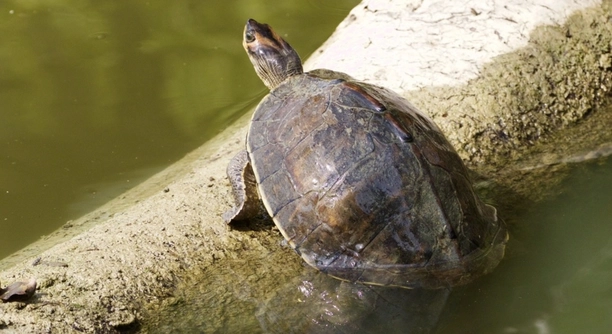
The Indian Roofed Tortoise is a unique and resilient reptile, but its shell can face challenges that affect its strength. Understanding how to improve your tortoise’s shell health is essential for its well-being.
To improve your Indian Roofed Tortoise’s shell strength, focus on proper diet, exercise, UVB light exposure, and a stress-free environment. Regular maintenance and a healthy lifestyle can significantly enhance the resilience of your tortoise’s shell.
These methods are simple yet effective in promoting a strong, healthy shell for your tortoise. Learning how to implement these practices will ensure your tortoise’s shell stays in great condition for years to come.
Proper Diet for Stronger Shells
A balanced diet is key to the health of your tortoise’s shell. A diet rich in calcium and vitamin D3 is essential to promote shell growth and strength. Calcium helps form the shell, while vitamin D3 aids in its absorption. Offering a variety of greens, vegetables, and occasional fruits provides the necessary nutrients. For instance, dark leafy greens like kale, dandelion greens, and collard greens are great options. Additionally, providing a calcium supplement, like cuttlebone, can help support shell integrity.
Regularly adding the right foods to their diet ensures that your tortoise gets the nutrients it needs to thrive. It’s also important to avoid feeding them high-oxalate foods, like spinach, that can hinder calcium absorption.
Maintaining a proper diet not only strengthens the shell but also boosts your tortoise’s overall health. It supports their immune system and prevents potential problems like metabolic bone disease, which can affect shell development. When you get their nutrition right, you’re setting the stage for a healthier, stronger shell.
Regular Exercise
Exercise is vital to your tortoise’s well-being. When given the space to roam, your tortoise can build muscle, which supports a strong shell.
Providing enough room for your tortoise to move freely will help ensure it maintains a healthy weight and posture. A tortoise that gets regular exercise is more likely to have a well-developed shell, as physical activity helps to keep the bones and structure strong.
UVB Light Exposure
UVB light plays a crucial role in your tortoise’s shell health. It allows them to synthesize vitamin D3, which is necessary for calcium absorption. Without UVB light, your tortoise’s bones and shell can weaken over time.
Setting up a proper lighting system that mimics natural sunlight can be a game changer. Ensure your tortoise has access to UVB light for 10 to 12 hours a day. You can achieve this by using a UVB bulb placed close enough to your tortoise’s habitat. Without enough UVB light, your tortoise may develop metabolic bone disease, leading to deformities and softening of the shell.
A steady supply of UVB light encourages shell growth and strength. When your tortoise has the proper lighting, it will be better equipped to absorb nutrients. This not only promotes shell health but also supports overall well-being. Providing UVB light is a simple yet effective way to ensure a strong, healthy shell.
Stress-Free Environment
Stress can negatively impact your tortoise’s shell strength. A calm, stable environment allows your tortoise to grow and thrive.
Tortoises are sensitive creatures, and too much stress can lead to weakened immune systems and poor shell development. Providing them with a quiet, secure space helps them feel safe and reduces anxiety. Avoid loud noises and sudden changes in their habitat. Keeping their enclosure clean and at the right temperature also reduces stress.
A well-maintained, low-stress environment will allow your tortoise to focus on its growth and overall health. Providing a habitat that mirrors its natural environment will make a significant difference in how well your tortoise’s shell strengthens over time.
Proper Hydration
Hydration is essential for shell health. Dehydrated tortoises can suffer from weak shells and other health issues. Providing fresh water daily helps keep their body functions in balance.
A shallow water dish, changed regularly, is perfect for your tortoise. Make sure the water is always clean and free of contaminants. This ensures hydration is maintained, preventing shell issues.
Shell Maintenance
Regularly check your tortoise’s shell for signs of damage. If you notice cracks or irregularities, seek advice from a vet. Cleaning the shell is also important to avoid any buildup of debris.
Maintaining the shell ensures that it remains strong and functional. A well-kept shell helps protect your tortoise from injury and health issues, making regular checks essential.
FAQ
How can I tell if my tortoise’s shell is healthy?
A healthy shell should be smooth and firm, with no visible cracks or soft spots. If you notice any soft areas, deformities, or damage to the shell, it might be a sign of malnutrition, lack of UVB light, or an underlying health issue. A shiny appearance indicates a well-maintained shell, while any discoloration, peeling, or weakness should be monitored closely.
What can I do if my tortoise has a soft shell?
A soft shell is often a result of a lack of calcium or UVB light. Ensure your tortoise is getting enough calcium from its diet and supplements, like cuttlebone. Additionally, provide proper UVB light to help with calcium absorption. If the issue persists, it’s important to consult a vet for further treatment.
Is it necessary to supplement my tortoise’s diet with calcium?
Yes, calcium supplements are essential for tortoises to maintain strong bones and shells. A diet rich in calcium is important, but you can also offer a calcium supplement like cuttlebone or calcium powder sprinkled over their food. Always ensure that calcium is available, especially for growing tortoises.
How much UVB light does my tortoise need?
Tortoises need around 10 to 12 hours of UVB exposure each day. It’s essential to use a UVB bulb specifically designed for reptiles, placed close to your tortoise’s habitat. This helps them synthesize vitamin D3, which is crucial for calcium absorption. Be sure to change the bulbs as directed by the manufacturer to maintain proper UVB output.
Can I use regular household lights for my tortoise’s enclosure?
No, regular household lights do not provide the necessary UVB radiation. Tortoises require specialized UVB lighting to stay healthy. Use a high-quality UVB bulb designed for reptiles, ensuring the light is positioned at the correct distance from your tortoise’s habitat to provide adequate exposure.
How often should I clean my tortoise’s shell?
Clean your tortoise’s shell periodically to remove dirt and debris, but avoid scrubbing too hard, as it could cause damage. A soft brush and lukewarm water work well for cleaning. Make sure to dry the shell afterward. Regular shell maintenance prevents bacteria buildup and supports overall shell health.
Can my tortoise’s shell grow back if it’s damaged?
A tortoise’s shell can heal from minor damage, but it will not “grow back” in the same way as other tissues. If the shell is deeply cracked or injured, it’s important to consult a vet. In severe cases, shell injuries can be life-threatening, and professional care is required for proper healing.
What should I do if my tortoise refuses to eat?
If your tortoise stops eating, it could be a sign of stress, poor diet, or illness. Ensure its environment is stress-free, with proper temperature, humidity, and UVB light. Try offering a variety of foods and avoid overfeeding. If the problem persists, take your tortoise to a vet for a check-up.
How can I create a comfortable habitat for my tortoise?
Create a comfortable environment by ensuring the right temperature, humidity, and lighting for your tortoise. Provide hiding spots, a shallow water dish, and enough space for exercise. Make sure the enclosure is secure and escape-proof, and monitor your tortoise’s behavior to ensure it’s feeling comfortable.
Can stress affect my tortoise’s shell?
Yes, stress can negatively affect your tortoise’s overall health, including its shell. A stressed tortoise may exhibit signs of weakness, poor appetite, or a decrease in activity. To reduce stress, keep the enclosure quiet, free of loud noises, and avoid sudden changes in their environment. A stable, calm habitat is essential.
How do I handle an injured tortoise shell?
If your tortoise has a shell injury, it’s crucial to handle it carefully. If the injury is superficial, clean the area gently with warm water and apply an antiseptic. If the injury is more severe, seek professional help from a vet immediately. Do not attempt to fix serious damage on your own.
What temperature is best for my tortoise’s habitat?
Tortoises generally require a warm environment, with temperatures ranging between 75°F and 85°F during the day. You can use a basking light to create a warm spot for your tortoise, which should be between 90°F and 95°F. Ensure that the temperature at night drops slightly but does not fall below 65°F.
How often should I offer my tortoise a bath?
Bathing your tortoise once a week is generally sufficient. A warm soak in shallow water helps with hydration and can also encourage urination and defecation. Always supervise bath time and make sure the water level is shallow enough for your tortoise to stand comfortably.
Can I take my tortoise outside?
Yes, you can take your tortoise outside, but only in safe, controlled environments. Make sure the outdoor area is free of predators, such as birds or other animals, and that it’s secure. Keep a watchful eye on them, and ensure they have access to shade and fresh water.
Do tortoises need a companion?
Tortoises are solitary animals and generally do not need companions. In fact, introducing other tortoises to the same enclosure may cause stress and territorial disputes. It’s best to keep them alone unless breeding is intended. Ensure your tortoise has a secure and comfortable environment to thrive on its own.
Can I feed my tortoise fruit every day?
While fruit can be a tasty treat for your tortoise, it should not be a daily staple. Offer fruit in moderation, as it is high in sugar and can upset your tortoise’s digestive system. Stick to a variety of leafy greens, vegetables, and occasional fruit for a balanced diet.
Final Thoughts
Taking care of your Indian Roofed Tortoise’s shell strength requires attention to a few important factors. A balanced diet, proper UVB light exposure, and a stress-free environment are essential in ensuring that your tortoise’s shell remains strong and healthy. By offering foods rich in calcium and vitamin D3, your tortoise can maintain the strength and firmness needed for a resilient shell. It’s also important to regularly check their shell for any damage, as early intervention can prevent further issues from developing. Ensuring that your tortoise is hydrated and has access to clean water every day also plays a significant role in keeping them in good health.
Exercise is another vital part of strengthening your tortoise’s shell. Giving your tortoise enough space to move around and explore helps build the muscles that support their shell. Without proper physical activity, your tortoise’s bones and shell may not develop as they should, leading to potential health problems. When setting up your tortoise’s enclosure, make sure it’s large enough to encourage movement while maintaining the right temperature, humidity, and lighting to keep your tortoise comfortable. Creating a suitable environment where they feel safe and secure reduces stress, which can negatively impact their overall health.
Lastly, always keep an eye on your tortoise’s health and shell condition. If you notice any changes, such as cracks, discoloration, or signs of weakness, it’s important to take action quickly. With proper care, your tortoise’s shell will stay strong and healthy for years to come. By following these tips, you’ll be able to provide your tortoise with everything it needs to thrive. The steps may seem simple, but they are crucial for promoting shell health and overall well-being.

Hello,
If you enjoy the content that we create, please consider saying a "Thank You!" by leaving a tip.
Every little bit helps us continue crafting quality advice that supports the health, happiness, and well-being of pets around the world, for pets of all shapes, sizes, and species.
We really appreciate the kindness and support that you show us!