
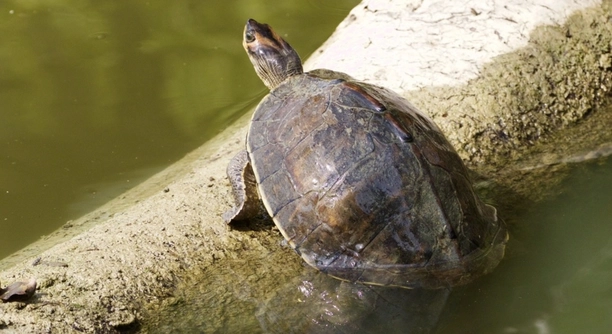
If you have an Indian roofed tortoise, keeping it healthy and happy is a priority. A balanced diet is essential for its well-being. Sometimes, a lack of certain vitamins can cause health issues that are easy to miss.
Vitamin deficiencies in your Indian roofed tortoise can lead to various health problems, such as weakened bones, poor growth, and lethargy. Common signs of a deficiency include shell abnormalities, lack of appetite, and abnormal behavior.
Understanding these symptoms and taking action early can help ensure your tortoise stays healthy and active. Keep reading to learn how to spot these signs and what steps to take to correct the problem.
Common Signs of Vitamin Deficiency in Indian Roofed Tortoises
Indian roofed tortoises, like all reptiles, depend on a balanced diet to stay healthy. If they lack certain vitamins, they can exhibit clear signs that something is wrong. One of the first things to look for is changes in behavior, such as a sudden lack of appetite or lethargy. When these tortoises aren’t getting enough essential vitamins like Vitamin D3 or calcium, they may also have difficulty moving around. You may notice that they are less active or hesitant to walk.
A vitamin deficiency can also affect the shell. The shell might become soft or show signs of deformity. In some cases, growth could be stunted. Another sign to look for is irregular shedding, where the tortoise might shed its skin unevenly or with difficulty. Changes in the color of the skin and eyes can also be indicators that your tortoise isn’t getting the nutrients it needs.
If you notice any of these signs, it’s important to act quickly. Vitamin deficiencies can lead to more serious issues if left untreated.
Vitamin D3 Deficiency in Indian Roofed Tortoises
Vitamin D3 is vital for an Indian roofed tortoise’s health. Without it, the tortoise’s body cannot absorb calcium properly, which leads to weakened bones and an overall decline in health. This deficiency often shows itself in the form of brittle or soft shells, which are weak and prone to damage. Without the proper amount of Vitamin D3, tortoises also become more susceptible to metabolic bone disease.
Regular exposure to sunlight or UVB light is essential for your tortoise to produce Vitamin D3 naturally. Without this exposure, even if you provide calcium in their diet, their bodies may not be able to process it. If your tortoise is not getting enough UVB light, it’s important to invest in a UVB lamp to help mimic the natural sunlight. This will allow them to metabolize calcium correctly and maintain strong bones and a healthy shell.
Correcting Vitamin Deficiencies in Your Tortoise’s Diet
To correct a vitamin deficiency in your Indian roofed tortoise, start by adjusting its diet. The right balance of vitamins and minerals is key to ensuring its health. A good place to start is by providing a varied diet that includes leafy greens like dandelion greens, kale, and collard greens. These greens are rich in Vitamin A, which is essential for vision and immune function.
You can also include vegetables like carrots, squash, and bell peppers, which are full of essential nutrients. If your tortoise isn’t getting enough calcium, consider adding calcium supplements or cuttlebone to their enclosure. Be sure to dust their food with a calcium powder designed for reptiles.
Lastly, ensure that your tortoise gets the proper light exposure. If natural sunlight isn’t an option, using a UVB light will make sure they can process the vitamins and minerals they need. These simple steps can make a big difference in your tortoise’s health and overall well-being.
Recognizing Vitamin A Deficiency in Indian Roofed Tortoises
Vitamin A plays a critical role in your tortoise’s overall health, including vision and immune function. Without it, your tortoise might experience eye issues or a decrease in its ability to fight infections. You may notice swollen or watery eyes as the first sign.
A lack of Vitamin A can also cause poor skin shedding or a dull, rough appearance on the tortoise’s skin. These signs are often accompanied by lethargy or reduced activity. Without intervention, this deficiency can also lead to other health complications, like respiratory issues.
To address Vitamin A deficiency, ensure your tortoise’s diet includes foods like carrots, squash, and leafy greens such as collard greens and kale. These are excellent sources of Vitamin A and will help restore balance to their diet.
The Importance of a Balanced Diet for Indian Roofed Tortoises
Providing a balanced diet is crucial to preventing vitamin deficiencies. Tortoises are herbivores, and their diet should primarily consist of leafy greens, vegetables, and occasional fruits. Offering a variety of foods ensures they receive the vitamins and minerals they need to stay healthy.
Adding variety to their meals also prevents the tortoise from becoming picky and ensures they get a good mix of nutrients. Regularly rotating foods will help keep their diet interesting and nutritionally complete. Avoid feeding them high-oxalate foods, such as spinach, as these can interfere with calcium absorption and contribute to other health problems.
The right combination of food will go a long way in preventing vitamin deficiencies.
The Role of Calcium in Your Tortoise’s Health
Calcium is crucial for your tortoise’s bone health and shell strength. Without enough calcium, your tortoise may suffer from metabolic bone disease, causing soft or deformed shells. Symptoms of calcium deficiency include lethargy and difficulty moving.
Calcium also supports muscle function and nerve transmission, which is essential for overall health. If your tortoise is showing signs of weakness or bone deformities, calcium may be the missing piece. Regular supplementation can help correct deficiencies and ensure proper bone growth.
UVB Light and Its Impact on Vitamin D3 Production
UVB light helps your tortoise produce Vitamin D3, which is needed to absorb calcium properly. Without proper UVB exposure, even the best-calcium-rich diet won’t be effective. A lack of UVB can lead to bone problems and weak shell development.
If your tortoise is not getting enough natural sunlight, invest in a UVB lamp. This will help them metabolize calcium and avoid the common issues linked to Vitamin D3 deficiency, like soft shells and poor bone health.
Monitoring Your Tortoise’s Health Regularly
Regular checkups can help catch any vitamin deficiencies before they become serious. Keep an eye on your tortoise’s behavior, appetite, and shell condition. This will allow you to spot problems early and address them quickly.
If you notice any changes in your tortoise’s activity levels or physical appearance, consult a vet for advice on correcting vitamin deficiencies and adjusting their diet or environment.
FAQ
How can I prevent vitamin deficiencies in my Indian roofed tortoise?
To prevent vitamin deficiencies, provide a well-balanced diet with a variety of leafy greens, vegetables, and occasional fruits. Make sure to include calcium-rich foods, like dandelion greens and collard greens. Additionally, offer a UVB light to mimic natural sunlight if outdoor exposure isn’t an option. Regularly rotate the food items you offer to ensure your tortoise gets all the necessary vitamins and minerals. A good supplement, such as calcium powder, can also help prevent calcium deficiencies, but it should not be the sole source of nutrition.
What are the signs that my Indian roofed tortoise is lacking vitamin D3?
The most common signs of a Vitamin D3 deficiency are soft or deformed shells and weak bones. Your tortoise may also become lethargic or have difficulty moving. Without enough Vitamin D3, your tortoise won’t be able to absorb calcium properly, leading to these health problems. If you notice changes in activity levels or shell abnormalities, this could indicate that your tortoise is not getting enough UVB light or Vitamin D3.
What is the best way to supplement calcium in my tortoise’s diet?
You can supplement calcium by adding cuttlebone or using a calcium powder made specifically for reptiles. Dust the food with the powder several times a week, depending on your tortoise’s needs. It’s also essential to provide natural sources of calcium, like leafy greens. Ensure your tortoise has access to UVB light, as it allows their body to absorb calcium more effectively. Don’t over-supplement, as too much calcium can be harmful as well.
How often should I change my tortoise’s diet to avoid deficiencies?
You should rotate your tortoise’s diet every few days to ensure it gets a range of nutrients. Include a variety of leafy greens, vegetables, and fruits. Avoid feeding the same food repeatedly to ensure your tortoise isn’t missing out on any essential vitamins or minerals. For instance, mix in different greens like kale, dandelion, and collard greens regularly. By providing a balanced variety, your tortoise will receive a well-rounded diet that reduces the risk of deficiencies.
Is it okay to feed my Indian roofed tortoise fruit regularly?
Fruit should be given as an occasional treat, not as a primary food source. While fruits can offer valuable vitamins, they are also high in sugar, which can cause digestive issues in tortoises. Offer fruit sparingly, and make sure your tortoise’s main diet consists of leafy greens and vegetables. Popular fruits like strawberries, melons, or apples can be given in small portions, but they shouldn’t make up more than 10-15% of their diet.
How can I tell if my tortoise is getting enough Vitamin A?
Vitamin A deficiencies can cause eye problems, such as swelling, discharge, or cloudiness, and can also lead to poor skin shedding. If your tortoise seems lethargic, or if you notice any of these eye or skin issues, a lack of Vitamin A may be the cause. Ensure your tortoise’s diet includes foods rich in Vitamin A, such as carrots, sweet potatoes, and dark leafy greens. If your tortoise’s condition doesn’t improve, consider adding a Vitamin A supplement or consulting a vet.
What is the best UVB lighting for my Indian roofed tortoise?
UVB lighting is essential for your tortoise to produce Vitamin D3. You should use a high-quality UVB lamp, specifically designed for reptiles, with a proper wattage and range suitable for your tortoise’s enclosure. Place the light within 12 inches of your tortoise’s basking area, and ensure it provides UVB rays in the 290-320nm range. Replace the UVB bulbs every 6-12 months, as their effectiveness diminishes over time. If possible, also allow your tortoise some exposure to natural sunlight to boost its Vitamin D3 levels.
How long can an Indian roofed tortoise go without UVB light?
Indian roofed tortoises can survive without UVB light for a short period but not for extended durations. Without UVB, they cannot produce Vitamin D3, which is necessary to absorb calcium and maintain strong bones and a healthy shell. Prolonged lack of UVB exposure can lead to serious health issues, including metabolic bone disease. It’s essential to provide a UVB light source for at least 10-12 hours a day if your tortoise isn’t exposed to natural sunlight.
Can a vitamin deficiency cause my tortoise to stop eating?
Yes, a vitamin deficiency, particularly in Vitamin A or calcium, can lead to a loss of appetite in tortoises. If they’re lacking essential nutrients, their body may be unable to function properly, causing lethargy and a lack of interest in food. If your tortoise stops eating, check for other signs of deficiency, such as eye swelling or soft shell. Adjusting its diet to include the right vitamins and supplements can help restore its appetite.
How can I ensure my tortoise gets enough calcium if it doesn’t like cuttlebone?
If your tortoise refuses cuttlebone, try offering calcium supplements in powdered form. Dust their food with the calcium powder a few times a week. You can also include calcium-rich vegetables, such as collard greens and dandelion greens, to provide natural sources. Ensure your tortoise has access to UVB light, as it helps in calcium absorption.
Is it safe to feed my tortoise vegetables like spinach and beet greens?
Spinach and beet greens should be offered in moderation due to their high oxalate content. Oxalates can bind to calcium and prevent proper absorption, leading to calcium deficiencies over time. It’s best to offer spinach and beet greens occasionally, alongside a variety of other greens that are lower in oxalates, like kale or collard greens, to maintain a balanced diet.
What should I do if my tortoise shows signs of a vitamin deficiency?
If your tortoise shows signs of a vitamin deficiency, the first step is to adjust its diet. Add more nutrient-dense foods, such as leafy greens, carrots, and fruits high in vitamins. Ensure it’s getting enough calcium and UVB exposure. If the signs don’t improve or worsen, consult a vet for further treatment. A vet may recommend additional supplements or a more detailed treatment plan to correct the deficiency.
Final Thoughts
Taking care of an Indian roofed tortoise requires attention to detail, especially when it comes to their diet and overall health. Understanding the signs of vitamin deficiencies can help prevent serious health issues before they become a bigger problem. Common deficiencies like those in Vitamin D3, calcium, and Vitamin A can all lead to significant changes in behavior, shell health, and physical condition. By paying attention to these signs and making adjustments to their diet or environment, you can ensure that your tortoise remains healthy and active for many years.
One of the most important aspects of caring for an Indian roofed tortoise is providing a varied and balanced diet. Incorporating a wide range of leafy greens, vegetables, and occasional fruits into their diet will help prevent vitamin deficiencies. Be sure to rotate the types of food you offer to ensure that they receive a full spectrum of nutrients. Additionally, providing calcium supplements or cuttlebone, and ensuring access to UVB light for proper calcium absorption, is essential for maintaining bone strength and a healthy shell. The more diverse and balanced the diet, the less likely your tortoise will experience nutrient imbalances that lead to health concerns.
Lastly, regular monitoring of your tortoise’s behavior and appearance is crucial. Small changes, like a lack of appetite, lethargy, or shell abnormalities, can indicate a vitamin deficiency. Catching these signs early can help you address the problem quickly and prevent long-term damage. Always consult with a vet if you are uncertain about your tortoise’s health or if symptoms don’t improve with dietary adjustments. By staying vigilant and proactive, you can ensure that your tortoise lives a healthy, happy life.

Hello,
If you enjoy the content that we create, please consider saying a "Thank You!" by leaving a tip.
Every little bit helps us continue crafting quality advice that supports the health, happiness, and well-being of pets around the world, for pets of all shapes, sizes, and species.
We really appreciate the kindness and support that you show us!