
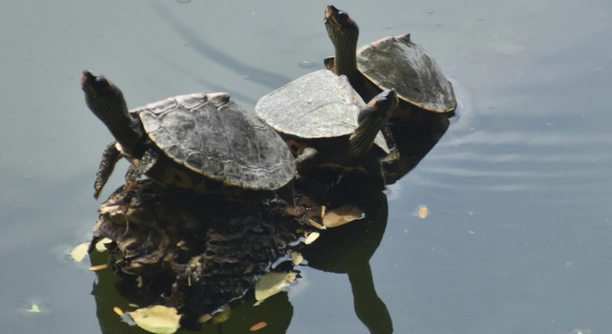
Sometimes, pet owners notice their Indian Roofed Tortoise seems to be constantly trying to escape its enclosure. This behavior can leave you wondering what’s causing this persistent desire to break free.
The primary reason your Indian Roofed Tortoise may be trying to escape is due to its natural instincts and desire for more space. These tortoises are active creatures, and a small, confined space may cause them stress and frustration.
Understanding the underlying reasons behind this behavior can help create a more comfortable environment for your tortoise. By addressing its needs, you can ensure it remains happy and secure.
Natural Instincts of the Indian Roofed Tortoise
Indian Roofed Tortoises have a natural urge to roam. In the wild, they are constantly moving, looking for food, and exploring new areas. This desire to move is a key part of their survival instincts. They are not creatures that enjoy staying in one spot for too long, which is why they might attempt to escape from enclosures. When confined to a small space, it can cause them stress or discomfort, leading to their persistent escape attempts. Providing a larger, more enriching environment can help meet their natural needs.
Even in captivity, their instincts remain strong, and this need for exploration doesn’t disappear. While some tortoises may be more relaxed, others, particularly the Indian Roofed Tortoise, can become quite determined to break free from their limited space. This behavior is not an attempt to be destructive; it’s simply their nature.
Ensuring your tortoise has room to roam and explore will help reduce the urge to escape. This is where a larger enclosure with different hiding spots, climbing areas, and even some water can be beneficial. Providing variety in its environment not only satisfies their instincts but also promotes better physical and mental health.
Environmental Factors Impacting Behavior
The environment plays a significant role in how your tortoise behaves.
Temperature, humidity, and lighting all affect your tortoise’s comfort. If any of these factors are off, it can cause them to become restless, increasing their desire to escape. Maintaining a consistent temperature and humidity level in your tortoise’s enclosure is crucial for its well-being.
If your tortoise is always trying to escape, it might be a sign that it’s uncomfortable in its current environment. Indian Roofed Tortoises require specific conditions to thrive, such as warm areas for basking and cooler areas for hiding. If they feel too hot, too cold, or too stressed, they may try to escape. Providing an optimal habitat will help reduce this behavior.
Try setting up different temperature zones and ensuring the humidity levels are within the ideal range for your tortoise. Regularly monitor the lighting to make sure it mimics the natural light cycle. Doing this will make your tortoise feel more at ease, reducing the urge to escape.
Lack of Proper Enclosure
The size and design of the enclosure play an essential role in how your tortoise behaves.
If your tortoise feels cramped or restricted, it’s likely to try and escape. A small, poorly designed enclosure might not offer the space or stimulation that your Indian Roofed Tortoise needs to feel secure. In fact, a smaller space could heighten feelings of anxiety and lead to escape attempts.
An appropriate enclosure should be large enough to allow for movement and exploration. A good rule of thumb is to ensure the space is at least 4 to 5 times the length of your tortoise in all directions. It should also provide areas for them to hide, bask, and cool off. You should also consider adding elements like rocks, plants, or logs to keep things interesting.
Make sure the enclosure is escape-proof. Indian Roofed Tortoises are skilled climbers and diggers, so it’s essential that the walls are high enough and secured at the bottom to prevent them from finding a way out. Consider using heavy-duty materials or adding barriers to make it more difficult for them to escape.
Stress and Anxiety in Your Tortoise
Stress and anxiety can trigger escape behavior in tortoises.
If your tortoise feels stressed, it may become restless and start looking for ways to get out of its enclosure. Factors like loud noises, frequent handling, or sudden changes in its environment can all contribute to stress. If you notice this behavior, it’s important to assess the factors that may be causing anxiety.
A calm, quiet environment is essential for your tortoise. Avoid loud sounds, sudden movements, or too much handling. Make sure that the habitat is stable and familiar, with minimal disruptions. Creating a peaceful space will help your tortoise feel more secure and reduce its desire to escape.
Insufficient Diet and Nutritional Needs
A poor diet could also cause your tortoise to act out.
Indian Roofed Tortoises require a balanced diet to stay healthy and happy. If they aren’t getting the right nutrition, they may start displaying abnormal behavior, including attempting to escape. An inadequate diet might leave your tortoise feeling lethargic or frustrated, making it more likely to try and break free in search of better conditions.
Providing a varied diet with the right balance of vegetables, fruits, and occasional protein is important. Make sure your tortoise gets the right vitamins and minerals for proper bone health and energy. Additionally, always offer fresh water and check the food for any signs of mold or contamination. A balanced, nutritious diet will help keep your tortoise calm and content.
Overcrowding in the Enclosure
Overcrowding can increase stress levels for your tortoise.
If there are too many animals in the same space, your tortoise may feel threatened or uncomfortable. Tortoises need their own personal space to thrive, and sharing an enclosure with other animals can create competition and lead to escape attempts.
Ensure your tortoise has enough room to move freely without interference from other creatures. This reduces stress and makes it less likely to try escaping. Keeping only one tortoise in an enclosure is often the best option for their well-being.
Lack of Proper Lighting
Proper lighting is essential for your tortoise’s health and behavior.
Tortoises need a source of UVB light to properly metabolize calcium and maintain a healthy shell. Without the right lighting, your tortoise may feel weak, stressed, or ill, which could lead to behaviors like attempting to escape. UVB lighting also helps regulate their sleep cycles and keeps them active.
Be sure to provide UVB lighting that mimics natural sunlight, as it plays a crucial role in your tortoise’s overall health and mood. This ensures they feel energized and content, reducing the desire to escape.
Temperature Regulation
Temperature plays a significant role in your tortoise’s comfort.
Indian Roofed Tortoises need a consistent temperature to thrive. Too hot or too cold, and they will feel uncomfortable, increasing their stress levels. If the temperature is not regulated properly, your tortoise may start trying to escape in search of a more comfortable environment.
FAQ
Why is my Indian Roofed Tortoise constantly trying to escape?
Your tortoise might be trying to escape because it is not comfortable in its current environment. Common reasons include inadequate space, lack of stimulation, or improper habitat conditions like temperature, humidity, or lighting. Tortoises have a natural instinct to roam, and if they feel confined, they may attempt to escape. Ensure that the enclosure is spacious enough, has the right lighting, and is free from stressors to make your tortoise feel more secure.
How much space does an Indian Roofed Tortoise need in its enclosure?
Indian Roofed Tortoises require ample space to feel comfortable and avoid stress. A minimum of 4 to 5 times the length of the tortoise in all directions is ideal. For example, a 6-inch tortoise would need a 24 to 30-inch enclosure. Providing a large, open area allows your tortoise to move around freely and explore its environment, which helps reduce escape attempts. The more space, the happier your tortoise will be.
What temperature should I maintain for my Indian Roofed Tortoise?
Maintaining the right temperature is crucial for your tortoise’s well-being. During the day, the warm side of the enclosure should be around 85-90°F (29-32°C), with a cooler area at 75-80°F (24-27°C). At night, temperatures should drop to around 70°F (21°C). A temperature gradient helps your tortoise regulate its body temperature and stay healthy. If the enclosure is too hot or too cold, your tortoise may try to escape to find a more comfortable environment.
Does my Indian Roofed Tortoise need UVB light?
Yes, UVB light is essential for your tortoise’s health. UVB light helps your tortoise absorb calcium, which is necessary for strong bones and a healthy shell. Without UVB light, your tortoise could suffer from metabolic bone disease and other health problems. Provide a UVB bulb that covers a large portion of the enclosure, and make sure it is replaced regularly, as UVB bulbs lose their effectiveness over time.
Can stress cause my Indian Roofed Tortoise to escape?
Yes, stress can definitely cause your tortoise to try to escape. Stress may be caused by overcrowding, loud noises, frequent handling, or an environment that is too small or uncomfortable. If your tortoise is constantly trying to escape, it’s a sign that something is stressing it out. Identifying and addressing the stressor will help your tortoise feel safer and reduce the escape attempts.
What should I feed my Indian Roofed Tortoise?
Your Indian Roofed Tortoise needs a balanced diet to stay healthy. A diet mainly consisting of leafy greens, such as dandelion greens, collard greens, and mustard greens, is ideal. You can also feed them some vegetables like squash and carrots, along with occasional fruits like apples or melons. Ensure they have access to fresh water at all times. Offering a variety of foods provides the necessary nutrients and helps keep your tortoise active and content, reducing any frustration that might lead to escape attempts.
How can I make my Indian Roofed Tortoise feel comfortable in its enclosure?
To make your tortoise feel comfortable, ensure its enclosure is large enough for movement, has hiding spots, and mimics its natural environment. Include climbing objects, rocks, or logs to encourage exercise. Temperature and humidity should be monitored carefully, with a basking spot that provides warmth and a cool area for rest. Using substrate like coconut fiber or soil can also help your tortoise feel more at home. A comfortable tortoise is less likely to attempt escaping.
Why does my Indian Roofed Tortoise dig so much?
Digging is a natural behavior for tortoises. It helps them regulate their temperature and find cooler spots in the wild. In captivity, they may dig in search of a better environment or simply out of instinct. If your tortoise is digging excessively, it might be because it feels too hot or too cold, or it may be looking for a hiding place. Providing a variety of spaces within the enclosure can help satisfy their digging instincts and reduce the need to escape.
Is it okay to keep an Indian Roofed Tortoise with other pets?
It’s generally better to keep your Indian Roofed Tortoise alone or with other tortoises of the same species. Other pets may stress out your tortoise, leading to escape attempts. Additionally, some animals may pose a threat to the tortoise’s safety. If you do decide to house other pets with your tortoise, ensure that the enclosure is large enough to provide sufficient space for both the tortoise and the other animals, with clear boundaries to prevent stress.
How often should I clean my Indian Roofed Tortoise’s enclosure?
You should clean your tortoise’s enclosure at least once a week. This includes removing any uneaten food, replacing soiled bedding, and cleaning the water dish. A deep clean should be done every month, including disinfecting the enclosure, substrate, and all decorations. Keeping the enclosure clean helps prevent bacteria build-up and ensures a healthier environment for your tortoise.
Can Indian Roofed Tortoises climb fences or walls?
Yes, Indian Roofed Tortoises are quite adept climbers. They may try to climb the sides of their enclosure, especially if they feel stressed or confined. To prevent escape, make sure the walls of the enclosure are tall enough to prevent climbing and the bottom is secured to stop digging. You may also want to use heavy-duty materials for the enclosure to make it more difficult for your tortoise to climb or break out.
Final Thoughts
Understanding why your Indian Roofed Tortoise is always trying to escape is the first step in creating a better environment for it. These tortoises are naturally curious creatures, and their desire to explore is part of their instinct. If they feel confined, stressed, or uncomfortable, they may try to break free from their enclosure. By recognizing the signs and addressing the underlying causes, you can help prevent these escape attempts and ensure your tortoise feels safe and secure in its space. A little effort into creating the right environment can make a big difference in your tortoise’s behavior.
One of the most important things you can do is provide a spacious, well-designed enclosure. It should be large enough for your tortoise to roam, with temperature gradients, UVB lighting, and areas for hiding and basking. Offering these features will help reduce the urge to escape and will also improve your tortoise’s health. When your tortoise feels that its needs are being met, it will feel more content and less likely to escape. Don’t forget to consider the diet, as proper nutrition is another key factor in ensuring your tortoise is healthy and happy.
Finally, remember that patience and observation are key when dealing with a tortoise’s escape behavior. It may take time to identify the exact cause of the problem, but once you address it, your tortoise will likely show signs of improvement. Whether it’s reducing stress, adjusting the temperature, or providing more space, small changes can have a big impact. By keeping your tortoise’s natural instincts and needs in mind, you’ll be able to provide a home that encourages a happier, calmer, and healthier life for your Indian Roofed Tortoise.

Hello,
If you enjoy the content that we create, please consider saying a "Thank You!" by leaving a tip.
Every little bit helps us continue crafting quality advice that supports the health, happiness, and well-being of pets around the world, for pets of all shapes, sizes, and species.
We really appreciate the kindness and support that you show us!