
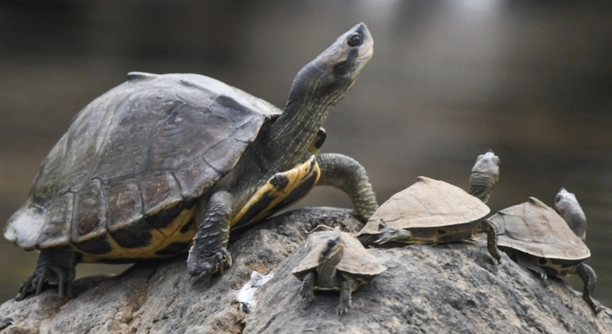
Overstimulating your Indian Roofed Tortoise can have a negative impact on its well-being. It’s important to recognize the signs of overstimulation to keep your pet comfortable and healthy. Knowing what to look for will help maintain a good environment for your tortoise.
Overstimulation in Indian Roofed Tortoises occurs when they are exposed to excessive activity or environmental changes, causing stress. Common signs include erratic behavior, hiding, and changes in eating or movement patterns. Monitoring your pet’s response to surroundings is key.
Understanding the signs of overstimulation can help prevent stress-related health issues in your tortoise. By recognizing these signs early, you can create a more comfortable and balanced environment for your pet’s well-being.
Recognizing the Early Signs of Overstimulation
Overstimulated tortoises can show a variety of signs that may be subtle at first. Changes in behavior like increased hiding, pacing, or uncharacteristic aggression are common indicators. If you notice your tortoise becoming unusually active or withdrawing from normal routines, it’s time to observe more closely. Stress can affect a tortoise in different ways, leading to changes in appetite or movement. Overstimulated tortoises may also start breathing faster or even stop eating altogether. A stressed tortoise will try to avoid certain situations, like handling or unfamiliar environments. Keep in mind that what’s typical for one tortoise may not be for another. Identifying these signs early on will help you create a calmer environment.
It’s essential to remain patient and avoid handling your tortoise too often during these stressful periods. Over time, your pet will adjust to a routine that suits its needs.
Stress in tortoises can also manifest physically. Overstimulated tortoises often develop a weakened immune system, leaving them more susceptible to infections or illnesses. Additionally, the stress might cause them to be less active or appear sluggish. If you’re concerned about your pet’s health, it’s always best to consult with a vet. Recognizing these signs promptly allows you to make necessary adjustments to their living space and daily routine.
Adjusting the Environment for Comfort
Creating a suitable environment for your Indian Roofed Tortoise can prevent overstimulation. Keep their enclosure at a comfortable temperature, with access to both warm and cool areas.
To reduce stress, ensure that your tortoise has access to a quiet, safe space. Providing hideouts, such as small shelters or plants, can offer the security it needs. Reducing the noise and activity around their enclosure is also essential for a stress-free atmosphere.
Overstimulation from Handling
Frequent or rough handling can easily overstimulate your tortoise. Over time, this can lead to stress and even cause physical harm. Avoid holding your tortoise for long periods, especially during sensitive times when it’s already stressed.
Excessive handling interrupts the tortoise’s natural behavior and routine. Tortoises need time to explore, rest, and regulate their environment without interference. Overstimulation from constant touching or moving them around can cause them to withdraw or act out in unusual ways. Their shell can also become more susceptible to damage if handled improperly.
If your tortoise shows signs of overstimulation after being handled, consider reducing the frequency of physical interaction. Keep interactions short and always ensure that your tortoise is calm before touching or picking it up. Let your pet rest after handling to allow it to regain composure.
Diet and Overstimulation
Sometimes, what your tortoise eats can influence its stress levels. If it’s not eating the right foods, it can contribute to its overstimulation.
Make sure your tortoise’s diet is balanced, with a mix of vegetables, fruits, and protein as recommended for its species. Offering food in a routine manner also helps reduce any unnecessary stress. Keep their meals consistent and avoid overfeeding or underfeeding, as both can trigger stress responses. Additionally, check that the food is fresh, clean, and free of any contaminants that could harm your tortoise.
Excessive Lighting
Too much lighting can cause your tortoise to become overstimulated. Constant bright light can be overwhelming, making it harder for your pet to relax.
Ensure that your tortoise has access to both light and dark areas in its enclosure. A proper light cycle is important, with 12-14 hours of light followed by darkness. Avoid exposing your tortoise to artificial lights for extended periods, as it can disrupt its natural rhythms.
Temperature Changes
Tortoises are sensitive to rapid changes in temperature. Sudden shifts can cause stress and impact their behavior.
Consistent temperatures help maintain a healthy environment for your tortoise. Ensure the temperature stays within the appropriate range for your species, and use heat sources wisely to avoid overheating or chilling your pet.
FAQ
How can I tell if my tortoise is stressed?
Stress in tortoises can show up in different ways. Common signs include erratic behavior like pacing, hiding more than usual, or becoming more aggressive. They might also stop eating or drinking, which is a red flag. If your tortoise is usually calm but starts acting agitated, it’s likely feeling stressed. You may also notice physical changes, such as excessive yawning or quicker breathing. Monitoring your pet closely for these signs will help you catch stress early.
What should I do if my tortoise refuses to eat?
If your tortoise isn’t eating, the first thing to check is its environment. A sudden change in temperature or excessive lighting might be affecting its appetite. If the habitat is fine, try offering different types of food to see what it prefers. You can also reduce stress by giving it some quiet time. In some cases, if the issue persists for a few days, it’s best to consult with a vet to rule out any underlying health issues.
Can handling my tortoise too much cause stress?
Yes, handling your tortoise too often can cause stress. Tortoises are not as interactive as some other pets and prefer to stay in their environment. Too much physical interaction, especially if it’s rough or sudden, can overwhelm them. Keep handling to a minimum, allowing your tortoise to rest and explore its surroundings. If you must handle it, make sure to do so gently and briefly to avoid adding to its stress.
How much space does my tortoise need?
Tortoises need ample space to move around, explore, and hide. A cramped environment can lead to stress. A general rule of thumb is to provide at least 4 square feet of space per tortoise, but this varies by species. The larger the space, the better, as long as it’s safe and secure. A well-designed enclosure that mimics their natural habitat, with enough room to roam, is ideal.
What is the best temperature for my tortoise’s habitat?
The ideal temperature for your tortoise depends on its species, but in general, a basking area should be between 90-100°F, with cooler areas of around 70-80°F. Nighttime temperatures should not drop below 60°F for most species. You can use a thermometer to monitor temperatures and adjust as needed to keep your tortoise comfortable.
Why is my tortoise hiding more than usual?
Hiding can be a natural response to stress or a way for your tortoise to seek rest. If your tortoise starts hiding more than normal, check for signs of overstimulation, like changes in the environment or handling. It could also be a response to temperature changes or illness. If the behavior continues, observe closely for any other signs of discomfort and consult a vet if needed.
What kind of lighting does my tortoise need?
Tortoises require UVB lighting to help them metabolize calcium and maintain healthy bones. A combination of UVB light and heat sources is necessary for their well-being. Ideally, provide 12-14 hours of light daily, followed by 10-12 hours of darkness to mimic natural day-night cycles. Ensure that the UVB light is replaced every 6-12 months, as it loses effectiveness over time.
Can I keep my tortoise outdoors?
Yes, you can keep your tortoise outdoors if the climate is suitable. Make sure the enclosure is secure and has proper shade, warmth, and shelter. Avoid placing your tortoise in direct sunlight for too long. Outdoor enclosures should have areas for your tortoise to hide, food and water dishes, and a safe environment to roam freely. Monitor the weather to ensure your tortoise is not exposed to extreme temperatures.
What are the signs of a healthy tortoise?
A healthy tortoise will be active and alert, with clear, bright eyes and a smooth, firm shell. It will also have a good appetite and regular movement. A healthy tortoise will not exhibit signs of lethargy, dehydration, or erratic behavior. Regular vet check-ups will help confirm your tortoise’s health status.
How do I handle my tortoise safely?
When handling your tortoise, always support its body with both hands. Avoid picking it up by the shell or tail. Place your tortoise gently in a safe, stable position, and avoid rough handling. Always wash your hands before and after interacting with your pet to ensure hygiene and avoid spreading bacteria. Keep interactions short, and allow your tortoise time to rest afterward.
Final Thoughts
Understanding when your Indian Roofed Tortoise is overstimulated is crucial for its health and well-being. By keeping an eye on signs like erratic behavior, changes in eating habits, or increased hiding, you can ensure that your pet is comfortable. Stress is a real issue for tortoises, and it can affect both their physical and mental health. The more you know about how they respond to their environment, the easier it will be to prevent overstimulation and maintain a balanced habitat. A calm, stable environment is key to keeping your tortoise happy.
Creating the right environment goes beyond just monitoring temperature and lighting. You need to provide space for your tortoise to move around freely and feel safe. If it feels cramped or constantly exposed to too much noise or light, it can lead to stress. Simple changes, like adjusting its basking area, reducing handling, or adding hiding spots, can help a lot. Tortoises are creatures of habit, so a consistent routine can also help them feel secure. In some cases, even small environmental changes can have a big impact on their stress levels.
At the end of the day, keeping your Indian Roofed Tortoise happy involves being observant and making small adjustments. If you notice any signs of overstimulation, it’s important to act quickly to reduce stress. Pay attention to how your tortoise behaves and take note of any changes in its habits. Over time, you will get to know your pet’s specific needs and preferences, making it easier to create a healthy and comfortable home. Remember that the well-being of your tortoise relies on you to create a balanced environment that suits its natural instincts and needs.

Hello,
If you enjoy the content that we create, please consider saying a "Thank You!" by leaving a tip.
Every little bit helps us continue crafting quality advice that supports the health, happiness, and well-being of pets around the world, for pets of all shapes, sizes, and species.
We really appreciate the kindness and support that you show us!