
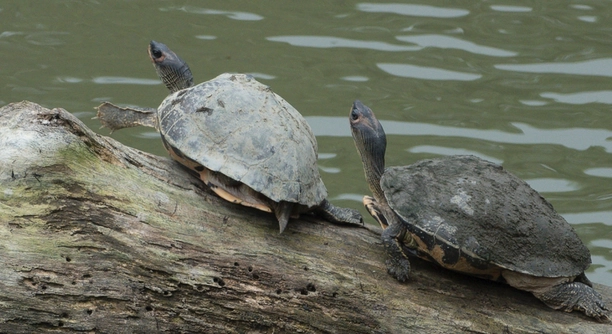
Indian roofed tortoises are wonderful pets that require special attention to their habitat. Plants can add beauty and enrichment, but not all plants are safe for them. Choosing the right ones is essential for their well-being.
Several safe plants you can add to an Indian roofed tortoise’s habitat include dandelions, clover, and kale. These plants are non-toxic and provide essential nutrients while enhancing the environment, promoting natural behaviors such as foraging and grazing.
Choosing the right plants for your tortoise’s home can help improve its health and happiness. Keep reading to discover the best options available!
Why Choosing Safe Plants Matters for Indian Roofed Tortoises
When selecting plants for your Indian roofed tortoise, safety should always come first. Many plants can be harmful if consumed, leading to digestive issues or poisoning. It’s crucial to avoid plants that are toxic to tortoises. Researching which plants are safe ensures your pet thrives in a healthy environment, allowing it to explore, graze, and interact naturally.
Creating a safe habitat is about providing enrichment. Plants not only contribute to the aesthetic of the tortoise’s enclosure but also give it the chance to mimic its natural surroundings. Tortoises love to nibble on plants, and offering safe options ensures they benefit from this activity without the risk of harm. The right plants also encourage exercise, mental stimulation, and overall health.
Choosing safe plants may seem like a small decision, but it plays a significant role in the long-term well-being of your tortoise. Consider what’s best for their diet and environment. A careful selection of plants offers a balanced approach to both comfort and nourishment, benefiting your pet for years to come.
Safe and Nourishing Plants for Tortoises
Safe plants that are also beneficial to your tortoise include dandelion, clover, and prickly pear. These plants provide great nutrition and are safe for your pet.
Dandelions are an excellent choice for your tortoise’s diet. They are rich in vitamins and minerals, which are essential for your tortoise’s overall health. From the leaves to the flowers, every part of the dandelion can be safely consumed by your pet. Not only are they nutritious, but they also mimic the kinds of plants your tortoise would naturally encounter in the wild. Offering dandelions can provide the much-needed variety that enhances the quality of its diet. Clover is another great option to consider. It’s packed with protein and fiber, which aids in digestion and supports muscle health. The best part is that it’s completely safe for your tortoise to munch on without worrying about any toxic effects. Lastly, prickly pear cactus is another fantastic plant to add to your tortoise’s habitat. It’s rich in moisture, perfect for hydration, and also has the right texture for your tortoise to interact with. These plants create a safe, diverse, and healthy environment for your tortoise.
Nutritional Benefits of Safe Plants for Tortoises
Safe plants like dandelion and clover provide essential vitamins and minerals. These plants are not only safe to eat but offer nutritional value that supports your tortoise’s health, keeping it strong and active.
Dandelions, for example, are full of vitamins A, C, and K, which help boost the immune system and promote healthy bone growth. They also contain calcium, important for maintaining strong shells and bones. Clover is high in fiber and protein, which aids digestion and supports overall bodily functions. Both plants provide a variety of nutrients that make them ideal additions to your tortoise’s diet, ensuring a balanced intake.
Incorporating these plants into your tortoise’s environment mimics their natural diet, which promotes foraging and keeps them mentally engaged. They can graze throughout the day, helping to keep them physically active. The nutritional benefits these plants provide will support your tortoise’s health and vitality for the long term.
How to Safely Introduce Plants to Your Tortoise’s Habitat
When introducing plants to your tortoise’s habitat, it’s important to ensure they’re clean and pesticide-free. This will protect your pet from harmful chemicals.
Start by thoroughly washing any plants before placing them in your tortoise’s enclosure. This will remove any dirt or residue that could be harmful. You can even grow your own plants to ensure they are free of pesticides. Consider providing a variety of plants, such as clover and dandelion, to keep the diet interesting and fresh. Always observe your tortoise’s behavior to see how it reacts to new plants. If it shows any signs of discomfort or avoids them, it may be an indication that the plant is not suitable. Regularly monitor the plants for any signs of mold or rot, as these can be harmful if consumed. With careful planning, your tortoise will enjoy a safe and nutritious environment.
Importance of Variety in Plant Choices
Offering a variety of plants ensures a balanced diet for your tortoise. It also keeps them engaged and encourages natural behaviors like foraging.
Variety prevents your tortoise from becoming bored with its diet. By offering different textures and tastes, you encourage it to explore its food options, which also promotes better digestion. Additionally, different plants provide a wider range of nutrients, making sure your pet gets everything it needs to stay healthy. By switching up the plants periodically, you can also prevent overconsumption of any one plant, ensuring a more diverse and enriching diet.
Common Mistakes to Avoid
One common mistake is giving your tortoise too much of the same plant. Too much of any single plant can upset their diet balance.
It’s important to avoid overfeeding specific plants, even the safe ones. While dandelions and clover are great, offering them excessively can lead to an imbalance in nutrients. This may cause digestive problems or other health issues over time. Offering a mix of plants will help maintain that balance, ensuring your tortoise enjoys a varied diet that promotes good health. Monitoring their intake will keep them from consuming too much of one plant and getting too little of another.
Monitoring Plant Growth and Health
Regularly check the plants in your tortoise’s habitat to ensure they remain healthy. Wilting or decaying plants can be harmful.
If you notice any plants are turning yellow or dying, remove them immediately. Decomposing plants can attract pests or introduce harmful bacteria that can affect your tortoise’s health. Keeping the plants fresh is vital.
FAQ
What plants are safe for an Indian roofed tortoise?
Safe plants for your Indian roofed tortoise include dandelions, clover, kale, and prickly pear. These plants are non-toxic and provide essential nutrients such as vitamins, minerals, and fiber. Dandelions, for instance, offer calcium for bone health, while clover provides protein and fiber that aid digestion. Kale is rich in antioxidants, and prickly pear cactus offers hydration with its moisture content. Always ensure that plants are free from pesticides before offering them to your tortoise. You can also grow your own plants to control what your tortoise consumes.
Can I feed my tortoise fruit or vegetables?
Yes, you can feed your tortoise fruits and vegetables, but only in moderation. Fruits like strawberries and papayas can be offered as occasional treats due to their high sugar content. Vegetables such as leafy greens, like kale and collard greens, are great and nutritious. However, certain vegetables like spinach should be given sparingly because they contain oxalates, which can interfere with calcium absorption. It’s best to focus on offering a variety of leafy greens and edible plants while limiting fruit to small amounts to prevent digestive upset.
Should I give my tortoise flowers to eat?
Yes, flowers can be a great addition to your tortoise’s diet, provided they are safe and pesticide-free. Flowers like hibiscus, dandelions, and pansies are good choices. Tortoises enjoy the variety of textures and tastes flowers offer, which can also help with their hydration levels. Always make sure the flowers are non-toxic and are from a pesticide-free environment. Some flowers may cause mild digestive issues if eaten in excess, so it’s important to offer them in moderation. Ensure that the flowers are thoroughly washed before feeding them to your tortoise.
How do I know if a plant is safe for my tortoise?
To determine if a plant is safe, research its toxicity to tortoises. Many common plants, such as ivy or daffodils, are harmful. It’s essential to avoid plants that contain compounds like alkaloids or oxalates, which can cause poisoning or interfere with nutrient absorption. You can look up plant databases that list safe plants for tortoises or consult a vet who specializes in reptiles. If you’re uncertain, it’s better to err on the side of caution and avoid giving the plant to your tortoise. When in doubt, stick to well-known safe plants like dandelions and clover.
Can I grow my own plants for my tortoise?
Yes, growing your own plants is a great idea for ensuring they are fresh and free of pesticides. You can plant safe varieties like clover, dandelions, or basil in pots or a small garden. Growing your own allows you to control the environment and avoid harmful chemicals. Be sure to water the plants properly and provide them with the right amount of sunlight. Additionally, it’s helpful to grow a variety of plants to keep your tortoise’s diet diverse and interesting. Regularly rotate the plants to maintain their freshness and nutrient value.
How often should I change the plants in my tortoise’s habitat?
Changing the plants in your tortoise’s habitat depends on the type of plants and how quickly they grow. Generally, it’s a good idea to replace plants once they begin to wilt, turn yellow, or decompose. Fresh plants provide the best nutrition and encourage natural foraging behaviors. You should also regularly check for any mold or pests on the plants, as these can harm your tortoise. If the plants are being eaten quickly, you may need to replace them more often to ensure your tortoise always has access to fresh, safe food.
What if my tortoise refuses to eat the plants I offer?
If your tortoise refuses to eat certain plants, it could be due to their texture, taste, or the fact that they’re unfamiliar. Tortoises can be picky, especially when it comes to new foods. Try offering a different variety of plants or slightly altering the way you present them. For example, you can try cutting up the plants into smaller pieces or offering them alongside a more familiar food. If the problem persists, consult with a reptile vet to ensure there are no underlying health issues affecting its appetite. Patience is key when adjusting your tortoise to new foods.
Can I feed my tortoise plants from outside?
Feeding your tortoise plants from outside can be risky. Plants in your garden may have been exposed to pesticides, herbicides, or other chemicals that are harmful to your tortoise. If you choose to gather plants from outside, make sure they are in an area that hasn’t been treated with chemicals and are thoroughly washed. Additionally, ensure the plants you pick are safe for tortoises. Some outdoor plants may contain toxins, so it’s best to stick with well-known safe options or grow your own plants specifically for your tortoise’s habitat.
How can I prevent my tortoise from eating harmful plants?
Preventing your tortoise from eating harmful plants starts with ensuring that only safe plants are available in its habitat. Remove any harmful plants from its environment before introducing any new ones. You can also create barriers in the habitat to keep your tortoise from reaching certain plants that may be toxic. If you have outdoor access for your tortoise, keep a close eye on where it roams to prevent it from eating unsafe plants. Training your tortoise to avoid certain plants may take some time, but it’s essential for its safety.
What are some common signs that a tortoise has eaten something harmful?
Signs that your tortoise may have eaten something harmful include loss of appetite, vomiting, diarrhea, lethargy, and changes in behavior. If you notice any of these symptoms after your tortoise has eaten a new plant, it’s important to remove the plant immediately and consult a vet. Some plants may cause mild symptoms, while others can lead to serious health issues. Prompt treatment can prevent further complications, so it’s always better to seek professional advice when in doubt. Keeping your tortoise’s habitat free of toxic plants is key to preventing these issues.
Final Thoughts
Choosing safe plants for your Indian roofed tortoise’s habitat is a crucial step in providing a healthy environment. These tortoises love to graze and explore, so offering them plants that are both safe and nutritious is essential for their overall well-being. By adding plants like dandelions, clover, kale, and prickly pear, you can create a more natural and engaging habitat that encourages positive behaviors. When choosing plants, always ensure they are free from pesticides and harmful chemicals to keep your tortoise safe. Remember that a little research can go a long way in ensuring the plants you select will not cause any harm.
In addition to providing safe plants, it’s important to create variety in your tortoise’s diet. Just like any pet, a balanced diet helps support your tortoise’s health. Offering a range of plants not only provides essential nutrients but also prevents your tortoise from getting bored with its food. Different plants have different textures, tastes, and benefits, which can encourage natural foraging behaviors. When you rotate plants regularly, it keeps the diet interesting and helps mimic what a tortoise would naturally encounter in the wild. A healthy, varied diet is one of the key factors in keeping your tortoise happy and healthy in the long run.
Finally, remember to keep an eye on your tortoise’s habitat and the plants within it. Regularly check for wilting, rotting, or decaying plants that could be harmful if consumed. Additionally, observe your tortoise’s behavior and appetite, as changes could signal potential health issues. With proper care, you can provide a safe and enriching environment that supports your tortoise’s health and happiness. Offering safe plants, ensuring variety in their diet, and maintaining a clean habitat will help keep your tortoise thriving for years to come.

Hello,
If you enjoy the content that we create, please consider saying a "Thank You!" by leaving a tip.
Every little bit helps us continue crafting quality advice that supports the health, happiness, and well-being of pets around the world, for pets of all shapes, sizes, and species.
We really appreciate the kindness and support that you show us!