
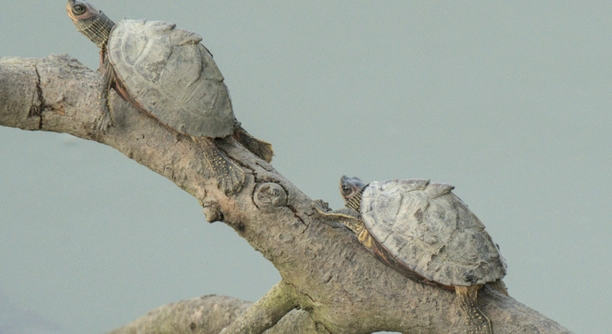
If you’re a tortoise owner, it’s important to stay aware of any signs of illness in your pet. One common issue with Indian Roofed Tortoises is ear infections. Recognizing the symptoms early can help prevent serious health problems.
An ear infection in an Indian Roofed Tortoise typically presents as swelling, discharge, or difficulty hearing. You may notice your tortoise scratching at its ears or having trouble moving its head. Prompt treatment can avoid further complications.
Understanding the signs of ear infections can help your tortoise recover quickly and maintain its well-being. Recognizing symptoms early can make a big difference in ensuring a healthy and happy pet.
Recognizing the Signs of an Ear Infection
Ear infections in Indian Roofed Tortoises often go unnoticed at first, but there are a few clear signs you can look for. Swelling around the ear area or any discharge coming from the ear can be the first noticeable signs. Your tortoise may also seem less active than usual or have difficulty moving its head. In some cases, you might notice your tortoise scratching at its ear or even shaking its head frequently. These signs indicate that something isn’t quite right, and it’s important to act quickly.
A tortoise that is struggling with an ear infection may also show signs of a decreased appetite. This could be because the infection is causing discomfort. You may also notice your pet seems more lethargic than normal, as the pain or irritation from the infection can take a toll on its energy levels. Watching for these warning signs is crucial in getting your tortoise the treatment it needs.
Prompt treatment can help prevent the infection from getting worse. If you notice any of these symptoms in your tortoise, it’s important to consult a veterinarian experienced with reptiles. The sooner you address the issue, the better the chances of a full recovery. Ear infections can cause serious damage if left untreated, leading to potential long-term health problems. By being vigilant and seeking help early, you can ensure your tortoise remains healthy and comfortable.
Causes of Ear Infections in Tortoises
Ear infections in tortoises are often caused by poor habitat conditions or an injury. Excess moisture in the enclosure can lead to bacterial or fungal growth, which affects the ears. Inadequate temperature control in the tortoise’s environment can also weaken their immune system, making them more susceptible to infections. Additionally, ear infections can occur after trauma, such as a scratch or bump that breaks the skin near the ear area.
Infection can also be a result of improper diet or stress, which may impact the tortoise’s overall health. In cases where the tortoise is kept in an unclean or overcrowded habitat, bacteria can spread more easily, increasing the risk of infections. Ensuring your tortoise’s enclosure is well-maintained and free of excess moisture is vital in preventing such infections. Regular cleaning and proper humidity control can reduce the chances of bacteria and fungi building up.
Monitoring the health of your pet is important, as a balanced diet and good living conditions will help keep the immune system strong. Taking proactive steps to maintain the tortoise’s habitat and diet will ensure it is less likely to develop ear infections in the future. Regular check-ups from a reptile vet are a good idea to stay ahead of any health issues.
How to Prevent Ear Infections
Keeping your tortoise’s habitat clean is one of the most effective ways to prevent ear infections. Regularly cleaning the enclosure, removing waste, and changing water helps reduce bacteria and fungi buildup. Ensuring the temperature and humidity levels are consistent is also key to preventing infections.
Make sure the enclosure has proper ventilation and isn’t too humid, as excessive moisture encourages bacteria growth. Check for areas where water may collect, as this could create an ideal environment for infection-causing organisms. Also, using clean bedding and removing old food regularly will help maintain a healthy environment for your tortoise.
Providing your tortoise with a proper diet rich in vitamins and minerals helps boost its immune system. A healthy immune system will be better equipped to fight off infections. Keeping stress levels low by giving your tortoise enough space to roam and ensuring it has time to bask in the right conditions can also contribute to its overall health. Regularly monitor your tortoise’s health and make sure its habitat meets its needs.
Treatment Options for Ear Infections
If you suspect an ear infection, the first step is to visit a reptile vet. A veterinarian can confirm the diagnosis and recommend the best course of treatment. They may clean the ear and prescribe antibiotics or antifungal medications if necessary.
Treatment depends on the severity of the infection. In mild cases, topical treatments may be enough to resolve the infection. However, more severe infections may require systemic antibiotics or anti-inflammatory medications. The vet might also recommend regular ear cleaning to remove excess discharge and reduce swelling. Always follow the vet’s advice for proper care and monitoring.
A crucial part of treatment is providing a proper recovery environment. While your tortoise heals, keep its enclosure clean and free of any irritants. Reducing humidity or making the environment less stressful can help speed up recovery. Make sure your tortoise has enough warmth and is comfortable throughout the healing process. Keeping a close eye on your pet’s progress will help ensure the infection clears up without any complications.
When to Seek Professional Help
If you notice symptoms like swelling, discharge, or excessive scratching, it’s time to take your tortoise to the vet. Prompt attention can prevent the infection from worsening. Don’t wait too long, as untreated ear infections can lead to more serious health issues.
If your tortoise shows no improvement after a few days of treatment or if its condition worsens, it’s crucial to consult your vet again. Infections that spread can cause significant pain and complications, possibly affecting hearing and balance. Regular follow-ups will ensure your tortoise gets the care it needs for full recovery.
Caring for Your Tortoise During Recovery
While your tortoise recovers, it’s essential to keep its environment stress-free and comfortable. Monitor its eating habits and make sure it is resting in a warm area with proper humidity. If your tortoise has trouble moving its head, ensure it can access food and water without difficulty.
Ensuring your tortoise gets proper care during this time will help it recover faster. Avoid handling it too much, as this can cause additional stress. Also, make sure to clean the enclosure frequently to avoid reintroducing bacteria. With the right support, your tortoise will heal properly.
FAQ
What are the early signs of an ear infection in my tortoise?
The earliest signs of an ear infection in a tortoise include swelling or redness around the ear area. You might also notice discharge coming from the ear. Other symptoms include excessive scratching or head shaking. The tortoise may become less active, refuse food, or struggle to move its head comfortably. If you see these signs, it’s best to consult a vet to prevent the infection from worsening.
Can ear infections cause permanent damage to my tortoise?
Yes, if left untreated, ear infections can lead to permanent damage. Chronic infections may affect the tortoise’s balance or hearing. The infection can also spread to other parts of the head and body, causing more severe health problems. The earlier the infection is treated, the better the chance of a full recovery with no long-term effects.
How can I prevent ear infections in my tortoise?
Preventing ear infections starts with maintaining a clean and dry habitat. Make sure the enclosure has proper ventilation and humidity control. Excess moisture can promote bacterial and fungal growth, leading to infections. Regularly clean the tortoise’s living area, remove uneaten food, and keep the water clean. Also, ensure your tortoise has a balanced diet to support its immune system, which can help prevent infections.
Can I treat my tortoise’s ear infection at home?
While minor ear infections might be manageable with vet-recommended topical treatments, most cases require professional care. A vet can clean the ear and prescribe the appropriate medication, such as antibiotics or antifungals. Attempting to treat the infection without a vet’s guidance can make the problem worse. It’s always best to seek professional help to ensure the right treatment.
What should I do if my tortoise has trouble eating or drinking?
If your tortoise has trouble eating or drinking, it might be due to pain or discomfort from the ear infection. During this time, make sure its food and water are easily accessible. You might need to offer softer food or hand-feed it to ensure it gets proper nutrition. If the symptoms persist, consult your vet immediately to rule out complications.
How long does it take for a tortoise to recover from an ear infection?
The recovery time for a tortoise depends on the severity of the infection and how quickly treatment is started. In mild cases, you might see improvement within a few days. However, it may take several weeks for a full recovery, especially if the infection was more advanced. Consistent treatment and follow-up visits to the vet can help speed up the healing process.
What happens if my tortoise doesn’t get treatment for an ear infection?
If an ear infection goes untreated, it can lead to serious complications like hearing loss, balance problems, or even damage to the inner ear structures. The infection can also spread to other parts of the tortoise’s body, causing severe pain and potentially life-threatening conditions. Early intervention is crucial to prevent these issues.
Can stress lead to ear infections in tortoises?
Yes, stress can weaken a tortoise’s immune system, making it more susceptible to infections, including ear infections. Factors like overcrowded living conditions, improper temperatures, or lack of space can stress your tortoise. Reducing stress by ensuring proper habitat conditions and avoiding sudden changes can help maintain your tortoise’s health.
How can I tell if my tortoise is in pain?
Tortoises are good at hiding pain, so it may be hard to tell at first. However, signs of discomfort can include reduced activity, changes in eating habits, or being more withdrawn. If your tortoise is acting unusually or showing signs like head shaking or scratching at its ear, it may be in pain. Watching for these subtle changes can help you recognize when something is wrong.
Should I clean my tortoise’s ears?
Generally, it’s best to leave ear cleaning to a veterinarian, especially if you suspect an infection. If your tortoise has a minor issue, a vet may recommend cleaning the ears with a gentle solution. Never use harsh chemicals or cotton swabs without proper guidance. Cleaning the ears improperly can cause injury or worsen an infection.
Can a tortoise recover from a severe ear infection?
Yes, a tortoise can recover from a severe ear infection if treated properly and promptly. The key is to get professional help as soon as possible. A vet can clean the infection and may prescribe medications to help your tortoise recover. The longer an infection is left untreated, the harder it is to treat, so acting quickly is important.
What should I do if my tortoise’s ear is swollen?
Swelling around the ear is a sign that something is wrong, possibly an infection. If you notice swelling, it’s important to take your tortoise to a vet for an evaluation. Swelling can be caused by fluid buildup, infection, or injury, and a vet will determine the cause and prescribe the appropriate treatment.
Can a tortoise’s ear infection spread to other parts of its body?
Yes, if left untreated, an ear infection can spread to other parts of the body. The infection may travel through the bloodstream, affecting other organs and tissues. This can lead to more serious health problems, including respiratory or neurological issues. Immediate treatment can prevent the infection from spreading and causing further harm.
Is it safe to give my tortoise antibiotics?
Antibiotics should only be given to your tortoise under the guidance of a vet. Using the wrong type of antibiotic or administering it incorrectly can cause harm to your tortoise. A vet will prescribe the right medication and dosage based on your tortoise’s condition, ensuring the safest and most effective treatment.
Can an ear infection affect my tortoise’s balance?
Yes, ear infections can affect your tortoise’s balance. The inner ear is essential for maintaining balance, and an infection can disrupt this function. If your tortoise seems disoriented, has trouble walking, or is tipping over, it may be suffering from an ear infection. Timely treatment can restore balance and improve overall mobility.
Should I continue to handle my tortoise if it has an ear infection?
If your tortoise has an ear infection, it’s best to minimize handling to reduce stress. Overhandling can worsen the infection and delay recovery. If you need to move your tortoise, do so gently and carefully. Giving your tortoise space and time to heal is essential for its recovery.
Final Thoughts
Ear infections in Indian Roofed Tortoises are a common health issue, but they can be managed if caught early. These infections are often easy to treat when addressed promptly, and the symptoms are noticeable enough for owners to spot them. Swelling, discharge, and discomfort are clear signs that something is wrong, and it’s important to act quickly. The longer an infection goes untreated, the more severe it can become, potentially causing long-term damage to the tortoise’s hearing or balance. Being proactive in monitoring your tortoise’s health and environment will go a long way in preventing infections from happening in the first place.
Preventing ear infections is largely about maintaining a clean and dry habitat. The enclosure should be well-ventilated, with the correct temperature and humidity levels to ensure a healthy living space for your tortoise. Regular cleaning and proper food and water management will help reduce the chance of bacteria or fungi causing infections. A balanced diet is also essential to boost the immune system, making your tortoise less susceptible to health issues. Stress can also play a role in weakening the immune system, so providing a calm, stable environment is important for your pet’s overall well-being.
If your tortoise does develop an ear infection, don’t hesitate to visit a reptile vet. Professional care is key to ensuring your tortoise gets the proper treatment. While mild infections can be treated with medication, more severe cases may require additional care, such as ear cleaning or more intensive treatment. By taking quick action, you can ensure your tortoise recovers quickly and continues to live a healthy, happy life. Always remember that caring for a tortoise means staying vigilant about their health and being ready to seek help when needed.

Hello,
If you enjoy the content that we create, please consider saying a "Thank You!" by leaving a tip.
Every little bit helps us continue crafting quality advice that supports the health, happiness, and well-being of pets around the world, for pets of all shapes, sizes, and species.
We really appreciate the kindness and support that you show us!