
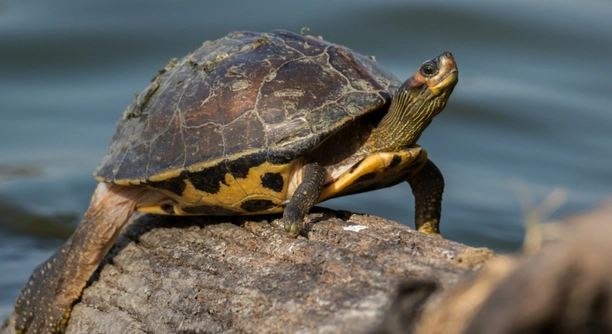
Lethargy in Indian Roofed Tortoises can be worrying for owners, especially when they notice their normally active pets becoming unusually sluggish. Understanding why this happens can help you identify the cause and take appropriate steps.
Lethargy in Indian Roofed Tortoises can be caused by factors such as improper temperature, dehydration, poor diet, stress, illness, hibernation behavior, or lack of proper lighting. Each of these factors affects the tortoise’s activity levels and overall health.
Taking note of these common causes will help you understand why your tortoise might be feeling low on energy. Addressing these issues promptly can ensure your pet stays healthy and active for longer.
Improper Temperature
Indian Roofed Tortoises are cold-blooded animals, which means their body temperature is regulated by the environment around them. If the temperature in their enclosure is too low or too high, it can lead to lethargy. Tortoises need a specific temperature range to stay active and healthy. Inadequate warmth affects their digestion, mobility, and overall behavior. The basking area should be around 90°F, while the cooler end of the enclosure should be between 75°F and 80°F. If their habitat is too cold, your tortoise may slow down and appear less energetic.
Proper heating and monitoring of temperatures are essential for maintaining their activity levels. Using a thermometer to check the enclosure’s temperature regularly will help keep your tortoise comfortable and active. Without the right conditions, their metabolism slows, leading to inactivity.
Maintaining an ideal temperature is essential for your tortoise’s health. Investing in a reliable heat source like a basking lamp can prevent lethargy. Consistently monitor the temperatures to make sure your pet feels comfortable and stays active.
Dehydration
Dehydration is another common cause of lethargy in tortoises. When they don’t get enough water, their energy levels can drop significantly. It’s essential to provide fresh water daily, ensuring that your tortoise has constant access to it.
To keep your tortoise hydrated, misting them with water or offering water in a shallow dish can help. A hydrated tortoise will be more active and healthier overall. Dehydration also affects their ability to digest food properly, making them feel sluggish.
Tortoises also benefit from soaking in shallow water for 20-30 minutes. This simple practice will keep them hydrated and prevent the negative effects of dehydration. Regular hydration will encourage more natural behavior and help your tortoise stay energetic.
Poor Diet
A poor diet can lead to lethargy in tortoises. If their food lacks the necessary nutrients, it can affect their energy levels and health. Ensure your tortoise gets a balanced diet rich in fiber, vitamins, and minerals.
Offering a variety of fresh vegetables, leafy greens, and occasional fruits will help. Tortoises also need calcium and vitamin D3, which are often lacking in poor diets. A lack of these nutrients can result in weak bones and overall sluggishness.
Feeding them a commercial pellet food occasionally is fine, but it should not make up the majority of their diet. A diet that includes dandelion greens, clover, and dark leafy vegetables will provide the nutrition they need to thrive.
Stress
Stress is a significant cause of lethargy in tortoises. Changes in their environment, noise, or handling can make them feel anxious. When stressed, tortoises tend to hide and become less active.
Providing a quiet, calm environment is key to reducing stress. Avoid sudden changes in their habitat, such as moving their enclosure or introducing loud noises. A peaceful space allows your tortoise to feel safe and encourages more activity.
Sometimes, being handled too often can also cause stress. Tortoises prefer to be left alone and should only be handled when necessary. Allowing them to settle into their environment will prevent stress-related lethargy and encourage healthy, natural behavior.
Illness
If your tortoise is lethargic, it may be a sign of illness. Infections, parasites, and respiratory issues can all cause a lack of energy. Regular vet checkups are essential for spotting health issues early.
If your tortoise has lost its appetite, has swollen eyes, or is breathing heavily, these could be signs of illness. It’s crucial to address these symptoms immediately to avoid further health complications.
Taking your tortoise to a veterinarian familiar with reptiles is important to ensure proper diagnosis and treatment.
Hibernation Behavior
Hibernation can cause a tortoise to appear lethargic. During colder months, some tortoises naturally slow down and may even enter a state of dormancy.
If the temperature drops significantly, your tortoise may stop eating and become more sluggish. This is a normal behavior in some species, but it’s essential to monitor them closely. If they stay inactive for too long, it may indicate a problem, especially if they haven’t properly prepared for hibernation.
Lack of Proper Lighting
Proper UV lighting is crucial for your tortoise’s activity levels. Without adequate exposure to UVB light, they can develop health issues such as metabolic bone disease, leading to lethargy.
Investing in a UVB light source is necessary for their well-being. This light helps them absorb calcium, which supports strong bones and keeps them active. The lack of it can make them feel weak and slow. Make sure the light is positioned correctly and is replaced as needed.
FAQ
What is the ideal temperature for my Indian Roofed Tortoise?
The ideal temperature for an Indian Roofed Tortoise should range between 75°F and 80°F on the cooler side of the enclosure and 90°F on the basking side. This temperature range allows them to regulate their body temperature properly. A thermometer should be placed at both ends of the habitat to ensure accurate readings. If the temperature is too low, your tortoise may become sluggish and stop eating. On the other hand, if it’s too high, they may also struggle to stay comfortable and could become stressed. A heat lamp that provides a basking spot is essential for maintaining this temperature.
How often should I feed my tortoise?
Indian Roofed Tortoises should be fed every day with a variety of fresh leafy greens, vegetables, and occasional fruits. The majority of their diet should consist of dark leafy greens like dandelion, collard greens, or mustard greens. It’s important not to overfeed them with high-calcium foods like kale or spinach, as too much calcium can cause health problems. You should avoid giving them processed foods or those high in oxalates, such as rhubarb. Offer them a variety of plants to ensure they get all the nutrients they need for optimal health.
Can stress cause lethargy in tortoises?
Yes, stress can make your tortoise lethargic. Tortoises are sensitive to changes in their environment. They may become stressed due to loud noises, frequent handling, or changes in their habitat, like a new pet or moving their enclosure. Stress can result in them hiding more often, eating less, or moving around less. Creating a quiet, calm environment with plenty of hiding spots will help reduce stress. Minimizing handling and ensuring the enclosure remains stable can help prevent unnecessary anxiety.
How can I tell if my tortoise is sick?
If your tortoise is sick, you may notice changes in behavior. A lack of appetite, difficulty breathing, swollen eyes, or abnormal discharge from the nose are common signs of illness. If your tortoise is unusually lethargic, not eating, or displaying abnormal behavior such as rapid weight loss, it is important to consult with a vet who specializes in reptiles. Parasites, respiratory infections, or metabolic diseases can cause these symptoms. Early detection is key to treating any health issues effectively.
Is dehydration a common cause of lethargy in tortoises?
Yes, dehydration is one of the leading causes of lethargy in tortoises. Tortoises need constant access to fresh water. Without it, they can become sluggish, lose appetite, and their overall health can deteriorate. Dehydration is especially common in warmer climates, where humidity levels may not be high enough to help them stay hydrated. Make sure to provide your tortoise with a shallow dish of water daily. You can also mist them occasionally or soak them in lukewarm water for 20 to 30 minutes to help keep them hydrated.
Should I be concerned if my tortoise isn’t eating?
If your tortoise isn’t eating, it’s worth paying close attention to other signs such as lethargy, weight loss, or changes in behavior. A loss of appetite could be due to illness, stress, incorrect temperature, or dehydration. It’s important to evaluate whether their environment is suitable, including checking the temperature, lighting, and humidity levels. If they have been in a hibernation-like state, they may be slow to eat, but if they refuse food for more than a few days, it’s best to consult with a vet.
Can my tortoise go without food for a few days?
Yes, tortoises can go without food for a few days, especially if they are in a hibernation or brumation state. However, prolonged lack of food or water is a serious concern. If your tortoise hasn’t eaten for an extended period, this may indicate health issues, such as parasites, stress, or inadequate environmental conditions. Monitor their behavior and ensure they have access to fresh food and water daily. If they refuse food for more than a few days, seeking veterinary advice is essential to rule out any health problems.
What should I do if my tortoise is acting too sluggish?
If your tortoise is excessively sluggish, it’s important to check their habitat conditions first. Ensure the temperature is within the appropriate range and that they have access to fresh water. If these conditions are met and your tortoise is still lethargic, check for signs of illness, dehydration, or stress. It’s also worth considering their diet to make sure they are receiving the right nutrients. If their sluggishness persists despite environmental adjustments, consulting a reptile vet will help determine if there are underlying health concerns that need to be addressed.
Is it okay to let my tortoise hibernate?
Indian Roofed Tortoises may hibernate in cooler months, but this depends on the species and the environment. If your tortoise is displaying signs of hibernation, like reduced activity and lack of appetite, ensure the temperature in their habitat is correct. Tortoises that are not prepared properly for hibernation may suffer from health complications. To prevent potential issues, some owners may choose to avoid hibernation or provide a controlled environment that mimics the conditions needed for safe hibernation. Always consult with a reptile vet before allowing your tortoise to hibernate to ensure it is the right time.
Can my tortoise get too much sunlight?
While tortoises need UVB light to thrive, it’s possible for them to get too much direct sunlight, especially if they are in an outdoor enclosure. Too much sun can cause overheating, dehydration, or burns. It’s important to have shaded areas in the enclosure so your tortoise can move between areas of heat and coolness. If you are using outdoor sunlight, monitor the temperature closely to avoid heat stress. Additionally, UVB light should come from a controlled source like a UVB lamp in indoor enclosures to avoid overexposure.
How often should I take my tortoise to the vet?
Regular vet checkups are crucial, especially if you notice changes in your tortoise’s behavior. A yearly visit to a reptile vet is recommended, but more frequent visits may be necessary if your tortoise shows signs of illness or lethargy. Routine checkups can help detect any potential health issues early, ensuring that your tortoise remains healthy. It’s essential to find a vet who specializes in reptiles to ensure they receive the best care possible.
Final Thoughts
When it comes to caring for Indian Roofed Tortoises, understanding the causes of lethargy is key to ensuring they stay healthy and active. Lethargy can be caused by a range of factors, including improper temperatures, dehydration, poor diet, stress, illness, and even hibernation behavior. By recognizing the signs of lethargy and addressing the underlying causes, you can improve your tortoise’s quality of life and prevent more serious health issues. Regular monitoring of their habitat and behavior is crucial in keeping them comfortable and thriving.
A healthy environment is essential for your tortoise to feel at ease. Make sure their enclosure has the right temperature and humidity levels, as well as proper lighting to support their overall well-being. Providing them with a balanced diet, fresh water, and a stress-free environment will help them remain energetic. If you notice any changes in your tortoise’s behavior or health, it’s always best to consult with a veterinarian who specializes in reptiles. Early detection and treatment of any health problems can help your tortoise recover quickly and avoid long-term issues.
By staying proactive and attentive to your tortoise’s needs, you can ensure they live a long, healthy life. Small adjustments to their care routine can make a significant difference in their energy levels and happiness. Whether it’s regulating their temperature, improving their diet, or reducing stress, these changes will contribute to their overall health. Keep an eye on their behavior and act quickly if you notice any signs of illness or lethargy. With proper care, your tortoise will continue to be an active and cherished companion.

Hello,
If you enjoy the content that we create, please consider saying a "Thank You!" by leaving a tip.
Every little bit helps us continue crafting quality advice that supports the health, happiness, and well-being of pets around the world, for pets of all shapes, sizes, and species.
We really appreciate the kindness and support that you show us!