
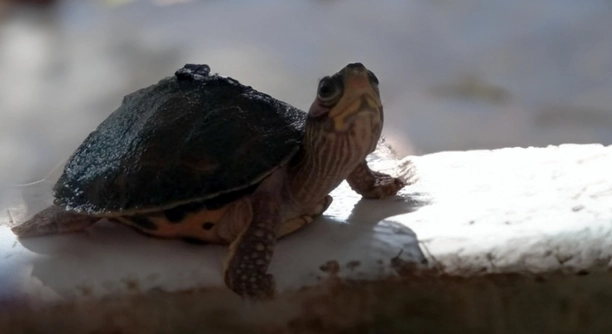
Is your Indian Roofed Tortoise scraping the bottom of its tank? This behavior can be puzzling, but it often has an understandable cause. Understanding why your tortoise is acting this way can help you make the right adjustments to its care.
Scraping the bottom of its tank is typically a sign of stress or an attempt to find a more comfortable space. It could also indicate an environmental issue, such as incorrect humidity, temperature, or substrate in the tank.
Addressing the right environment for your tortoise can prevent this behavior. Understanding the needs of your pet is the first step to creating a healthier, happier habitat for them.
Why Is My Indian Roofed Tortoise Scraping the Tank?
When your Indian Roofed Tortoise starts scraping the bottom of its tank, it’s usually a sign that something is off. This behavior could be linked to its environment, which is one of the most important factors in its overall health. Tortoises are naturally curious creatures and may explore their surroundings, but scraping the tank floor often points to something more specific like stress or discomfort. Understanding the root of the issue can help you provide a better living space for your tortoise.
Many pet owners assume that this behavior is just part of their tortoise’s routine. However, it’s important to remember that these creatures are sensitive to their habitat. Changes in their environment, such as the substrate, temperature, or humidity, could be triggering the scraping behavior. A thorough assessment of the tank’s conditions will likely show you areas that need attention.
Providing your tortoise with the right living conditions is crucial. Ensure that the humidity is maintained at the correct level, and the temperature is in an ideal range. Proper substrate like coconut coir or soil also helps your tortoise feel more comfortable. Making these small changes can lead to a noticeable improvement in their behavior.
Common Environmental Issues
Scraping can also be a response to improper lighting or lack of space.
Tortoises need both UVB light and a basking light to regulate their body temperature and metabolism. Without these, they can become stressed and show behaviors like scraping or trying to escape their tanks. If the tank isn’t large enough, your tortoise may also feel confined, leading to restless behaviors. Keeping their habitat clean and free from mold or bacteria can also help keep your pet comfortable. It’s important to address both the lighting and space needs before resorting to other solutions. This way, you can be sure the environment is as close to natural as possible.
Incorrect Substrate
The type of substrate in your tortoise’s tank can play a big role in its behavior. If the material is too rough or uncomfortable, your tortoise might start scraping to find a better surface. Choosing a soft, natural substrate is key to preventing irritation.
Coconut coir, soil, or sand are ideal choices for Indian Roofed Tortoises. These materials mimic their natural habitat and allow them to dig or burrow, which is important for their well-being. Substrates like gravel or sand that are too sharp may cause discomfort, prompting your tortoise to scrape. A thicker layer of substrate can also help maintain the correct humidity levels, ensuring your tortoise stays comfortable.
If you notice that the scraping continues after adjusting the substrate, it may be worth checking if your tortoise is digging in search of food or hiding spots. Adding more hiding spaces or enriching the environment could help.
Improper Humidity Levels
Humidity plays a vital role in the health of your tortoise. If the humidity is too low, your tortoise might feel stressed and could start scraping the tank’s floor as it looks for more comfortable conditions.
To maintain proper humidity, mist the tank regularly or use a humidifier. The ideal humidity range for an Indian Roofed Tortoise is typically between 50% and 70%. Adding a water dish and providing damp areas in the tank will help your tortoise stay hydrated. Insufficient humidity can also cause health issues like respiratory problems or shedding difficulties. Keep a close eye on the humidity levels and make adjustments as needed to create a more comfortable environment. A simple hygrometer can help monitor these levels.
This will reduce stress and improve your tortoise’s behavior, preventing it from scraping the tank.
Incorrect Temperature
Your tortoise needs the right temperature range to feel comfortable. If the tank is too hot or cold, it can cause stress and lead to behaviors like scraping. Be sure to maintain a proper gradient of temperatures in the tank for your tortoise to regulate its body heat.
The basking spot should be around 90°F, while the cooler side should be between 75°F and 80°F. Using a heat lamp for basking and a ceramic heater for nighttime can help maintain consistent temperatures. Too much heat can be just as uncomfortable as too little, so balance is essential for your tortoise’s health.
A thermometer placed at different spots in the tank will help monitor the heat levels accurately. Without the proper temperature range, your tortoise could suffer from digestive issues or stress, which could cause it to scrape in search of relief.
Stress or Anxiety
Your tortoise might also be scraping the bottom of its tank due to stress or anxiety. This can be triggered by sudden changes in the environment, handling, or noise.
Stress is more likely to occur if there are frequent disturbances around the tank or if your tortoise feels threatened. Limiting contact with your pet and providing a quiet, stable environment can help it feel safer. Adding hiding places in the tank can also give your tortoise a sense of security.
Creating a stress-free habitat will help reduce unwanted behaviors like scraping and ensure that your tortoise feels comfortable.
FAQ
Why is my Indian Roofed Tortoise scraping the tank?
Scraping the tank is usually a sign that something is off in your tortoise’s environment. It could be an issue with temperature, humidity, or substrate. Tortoises may scrape when they feel stressed, uncomfortable, or are trying to find a better spot to relax or hide. A close look at your tortoise’s tank setup could reveal issues that need to be addressed.
Can the scraping behavior indicate an illness?
Scraping is generally linked to environmental issues rather than illness, but it’s still possible for a sick tortoise to exhibit unusual behavior. If the scraping is accompanied by lethargy, loss of appetite, or abnormal shell appearance, it could be a sign of illness. In that case, a visit to the vet is recommended to rule out health problems.
How do I know if the humidity levels are too low for my tortoise?
If your tortoise is scraping the tank and the humidity seems off, a simple hygrometer can help you measure it. The ideal humidity for an Indian Roofed Tortoise is between 50% and 70%. If it’s lower than that, the tortoise may become stressed, leading to scraping or other behaviors. You can increase humidity by misting the tank or adding a humidifier.
What should the temperature in the tank be?
The temperature in your tortoise’s tank should have a basking spot of around 90°F and a cooler side ranging from 75°F to 80°F. Using a thermometer to monitor the temperature at various spots in the tank is essential. If the temperature is too high or too low, your tortoise could start scraping as it tries to find comfort.
Can I use sand as substrate in my tortoise’s tank?
While sand can be used as a substrate, it should be fine and free of sharp edges. Coarse sand or sand mixed with other materials can cause discomfort, leading to scraping. It’s better to use substrates like coconut coir or soil, which provide a more natural feel and help maintain the correct humidity.
How can I prevent my tortoise from feeling stressed?
Stress can result from various factors, such as sudden environmental changes, noise, or handling. Keep your tortoise’s environment stable, provide hiding spots for security, and minimize loud noises around the tank. A calm, quiet, and consistent environment will help your tortoise feel more at ease, reducing stress-related behaviors like scraping.
Is my tortoise trying to escape if it is scraping the tank?
It’s possible that scraping indicates your tortoise is trying to escape, especially if the tank feels too small or the environment doesn’t meet its needs. If your tortoise keeps scraping and climbing the sides of the tank, it could be looking for a more comfortable space or trying to get out. Ensure the tank is large enough and meets all the environmental requirements to prevent this behavior.
Can I leave my tortoise in its tank all day?
While tortoises are often content in their tanks, they should still be given time to roam and explore outside of it for enrichment. A large, safe outdoor space is ideal for allowing your tortoise to get natural sunlight and exercise. However, if that’s not possible, provide a larger enclosure with plenty of room for your tortoise to move around.
What are the signs of a happy tortoise?
A happy tortoise will be active, eating well, and exploring its environment. It should have a well-maintained tank, with the right temperature, humidity, and substrate. If your tortoise is spending time basking, moving around, and has a healthy appetite, it is likely content. Scraping the tank could be a sign that something is wrong, so it’s important to monitor the tank conditions regularly.
How can I tell if my tortoise is comfortable in its tank?
Comfortable tortoises typically spend their time basking in their warm spot or hiding in cool areas. They move around the tank with curiosity and often spend time eating and drinking. If your tortoise is constantly scraping, it could be trying to signal that something is wrong, like the temperature, humidity, or space. Check the tank conditions closely.
Should I be concerned if my tortoise keeps digging or burrowing?
Digging or burrowing is natural behavior for tortoises, especially if they are trying to find a cooler spot, hide, or lay eggs. However, if your tortoise is digging excessively or scraping along the bottom, it could be due to an issue with the substrate or environmental conditions. Ensure that the substrate is deep enough for digging and that the overall habitat is comfortable.
What are the common mistakes that lead to scraping behavior?
Common mistakes include using the wrong type of substrate, maintaining improper humidity or temperature, or not providing enough space for your tortoise to roam. Scraping often happens when the tank conditions don’t match the tortoise’s natural environment. It’s crucial to provide a stable, comfortable habitat to prevent this behavior.
Final Thoughts
If your Indian Roofed Tortoise is scraping the bottom of its tank, it’s important to understand that this behavior is often a sign of discomfort. Tortoises are sensitive to their environment, and when something is off, they try to communicate this by exhibiting certain behaviors, like scraping. The first step in addressing this issue is to assess the tank conditions. Look closely at the temperature, humidity, substrate, and space to make sure everything is set up correctly. Small adjustments can often lead to a significant improvement in your tortoise’s behavior.
Proper temperature and humidity levels are crucial for your tortoise’s comfort and health. Indian Roofed Tortoises need a basking area with temperatures around 90°F, with a cooler area ranging from 75°F to 80°F. The humidity should be maintained between 50% and 70%. If these factors are not correct, your tortoise could become stressed, leading to behaviors like scraping. In addition to temperature and humidity, choosing the right substrate plays a big role in your tortoise’s comfort. A soft, natural material like coconut coir or soil is ideal, as it mimics their natural habitat.
Lastly, it’s essential to remember that tortoises are creatures of habit and need a stable environment. Frequent changes to their setup, loud noises, or too much handling can cause stress. Make sure the tank is large enough to allow your tortoise to move around and explore. Providing hiding spots can also make your tortoise feel safer. By creating a comfortable, stable habitat, you can help your tortoise feel more at ease and reduce undesirable behaviors like scraping. If, after adjusting these factors, the scraping continues or your tortoise shows signs of illness, it’s best to consult a veterinarian. Taking the time to understand your tortoise’s needs will ensure they remain healthy and happy in their home.

Hello,
If you enjoy the content that we create, please consider saying a "Thank You!" by leaving a tip.
Every little bit helps us continue crafting quality advice that supports the health, happiness, and well-being of pets around the world, for pets of all shapes, sizes, and species.
We really appreciate the kindness and support that you show us!