
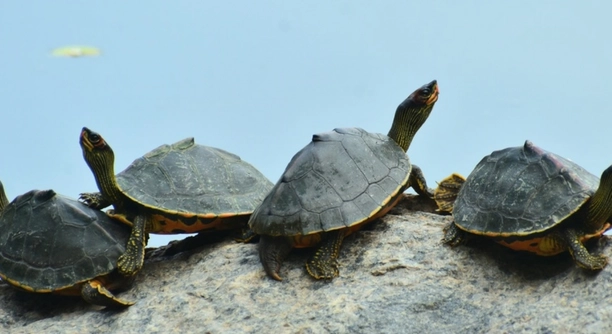
Indian Roofed Tortoises are popular pets, known for their unique appearance and gentle nature. However, many owners may notice discoloration of their shells over time. This can be a sign of underlying issues that need attention.
Shell discoloration in Indian Roofed Tortoises can be caused by various factors, including improper diet, environmental stress, health conditions, or inadequate care. Identifying the cause is essential for ensuring your tortoise’s well-being and preventing further damage.
By understanding the causes behind shell discoloration, you can take steps to improve your tortoise’s care. This article will provide insight into the most common reasons for discoloration and how to address them effectively.
Improper Diet and Nutritional Deficiencies
A balanced diet is crucial for your Indian Roofed Tortoise’s overall health, including its shell condition. Without the right nutrients, your tortoise may experience shell discoloration. A lack of calcium and vitamin D3, essential for shell development and strength, is one of the main factors behind this problem. Calcium deficiency leads to softening of the shell, while vitamin D3 is needed to absorb calcium effectively.
Providing a diet that includes leafy greens, grasses, and occasional fruits will help meet their nutritional needs. Additionally, offering calcium supplements like cuttlebone can provide extra support. Without proper nutrition, your tortoise’s shell may become weak, discolored, or misshapen.
You should also be mindful of feeding them too many high-protein foods. This can result in an imbalanced diet and may contribute to shell discoloration as well. It’s essential to know the right food choices and portion sizes to maintain a healthy tortoise. Regularly consulting a vet about your tortoise’s dietary needs can keep these issues at bay.
Poor Living Environment
The living environment plays a big role in the health of your Indian Roofed Tortoise. An enclosure that is too cold or too hot can lead to stress and shell discoloration. Tortoises need a temperature gradient in their habitat, with a warm basking area and a cooler side to regulate their body temperature.
Temperature extremes can cause the tortoise to become stressed, leading to a weakened immune system and shell issues. Too much humidity or lack of it can also lead to health problems. Therefore, creating a stable environment with the right temperature and humidity levels is essential for preventing shell discoloration.
Maintaining a proper enclosure setup will ensure your tortoise feels comfortable and safe. Ensure there is plenty of space for movement and that the enclosure is clean. Dirty living conditions can contribute to fungal and bacterial infections, which also cause shell discoloration. Regularly cleaning the enclosure and checking for any signs of illness will help you keep your tortoise healthy.
Shell Injuries and Trauma
Accidental injuries to the shell can lead to discoloration and permanent damage if not treated properly. Cracks, chips, or blunt force trauma can cause the tortoise’s shell to lose its natural color and develop spots or patches.
Any impact on the shell should be checked by a vet, especially if there are visible cracks or dents. These injuries may also cause infections, which can worsen the discoloration over time. If the shell is broken or severely damaged, the tortoise may need specialized care to prevent further issues and ensure proper healing.
A tortoise with an injured shell may also show signs of distress, such as lethargy or a lack of appetite. In such cases, providing a safe and stress-free environment while following the vet’s recommendations is important for recovery. Keep the tortoise in a controlled environment to minimize further risks and allow healing to take place.
Poor Lighting and UVB Exposure
Without proper UVB lighting, your tortoise may struggle to absorb the necessary calcium needed for a healthy shell. UVB light is vital for their overall health, and without it, shell discoloration and deformities can occur.
If your tortoise isn’t receiving enough natural sunlight, you should invest in a quality UVB light to replicate the benefits of sunlight. It’s essential that the UVB light is placed correctly in their enclosure and replaced regularly. Over time, the UVB light loses its effectiveness, so checking its lifespan and replacing it when necessary will ensure your tortoise is getting what it needs.
It’s also important to balance their exposure to UVB light with access to shaded areas where they can regulate their temperature. Too much UVB exposure can be harmful, so providing a variety of light options will help maintain their overall health.
Stress and Environmental Changes
Stress is another common factor that leads to shell discoloration in Indian Roofed Tortoises. Changes in their environment or routine can cause anxiety, which affects their health. A stressed tortoise may display signs of shell fading or dark spots.
Frequent handling, loud noises, or sudden changes in their enclosure can increase stress levels. It’s important to maintain a consistent, calm environment to avoid triggering these issues. Always observe their behavior and adjust the surroundings accordingly to minimize stress.
Infections and Parasites
Infections and parasites can cause significant damage to the shell, leading to discoloration. Fungal, bacterial, or parasitic infections can cause the shell to become discolored, soft, or even deteriorate. Regularly checking your tortoise for signs of illness can prevent these problems.
Treating infections promptly with veterinary assistance is crucial to avoid further complications. Maintaining a clean living environment also helps reduce the risk of infections and parasite infestations. Make sure to clean the tortoise’s habitat and provide proper food to strengthen their immune system.
Aging and Natural Wear
As tortoises age, their shells may naturally change color, becoming darker or lighter over time. This is a normal part of their life cycle and shouldn’t be a cause for concern.
Age-related changes can also include minor cracks or scuff marks on the shell. These small signs are usually harmless, but they can affect the overall appearance. If the discoloration seems more severe or if other health issues are present, it’s worth consulting a vet to rule out other causes.
FAQ
What causes the shell to become discolored in an Indian Roofed Tortoise?
Shell discoloration can occur due to several reasons. Nutritional deficiencies, poor living conditions, injuries, and stress are the most common causes. A lack of calcium and vitamin D3 in their diet can lead to a soft or weakened shell, which may cause discoloration. Similarly, if the environment is too hot, too cold, or improperly lit, it can lead to stress and shell issues. Injuries or trauma to the shell may also result in dark spots or other discolorations.
How do I know if my tortoise’s shell discoloration is serious?
If the discoloration is localized and not accompanied by any other health signs, it might be a minor issue, such as environmental stress or dietary imbalance. However, if the shell appears soft, cracked, or infected, it’s time to consult a veterinarian. Infections, especially fungal or bacterial, can worsen discoloration and cause more severe health issues. Be mindful of other symptoms, like a lack of appetite, lethargy, or abnormal behavior, as these can indicate a deeper problem.
What should I feed my tortoise to prevent shell discoloration?
A proper diet is crucial to prevent shell issues. Indian Roofed Tortoises should mainly eat a variety of leafy greens, such as dandelion greens, kale, and collard greens. Grasses, flowers, and some fruits can also be included, but they should only make up a small part of their diet. Providing calcium supplements like cuttlebone or a calcium powder is important, especially if their diet lacks natural calcium sources.
Can poor lighting cause shell discoloration in tortoises?
Yes, poor lighting can cause shell discoloration. UVB lighting is essential for tortoises as it helps them absorb calcium properly. Without proper UVB exposure, they can develop shell deformities or discoloration. If your tortoise doesn’t get enough natural sunlight, invest in a good UVB lamp that is placed correctly within their enclosure. Be sure to replace the bulb regularly as it loses effectiveness over time.
What type of enclosure should I provide for my Indian Roofed Tortoise?
The enclosure should mimic the tortoise’s natural environment as closely as possible. A spacious area with a proper temperature gradient is necessary. The basking area should be warmer, around 90°F, while the cooler side should be around 75°F. Ensure that the humidity levels are right, as both too much and too little can lead to health issues. Clean the enclosure regularly and provide safe hiding spaces. This will help your tortoise feel secure and minimize stress, which can also prevent shell discoloration.
How can I tell if my tortoise is stressed?
Signs of stress in a tortoise may include abnormal behavior like hiding more than usual, excessive pacing, or a lack of appetite. Stress can also cause physical signs, such as changes in the color or texture of the shell. To reduce stress, maintain a consistent and calm environment for your tortoise. Avoid sudden changes in their habitat or routine, and be mindful of how often you handle them.
Can I treat my tortoise’s shell discoloration at home?
For minor discoloration caused by stress or dietary issues, adjustments to their diet or environment can often improve the condition. Ensure that they have the right nutrients, proper lighting, and a stable environment. If the discoloration is due to injury or infection, it’s best to consult a vet for proper treatment. Do not try to treat serious issues on your own, as improper care may make the problem worse.
Is shell discoloration in tortoises reversible?
In some cases, shell discoloration can be reversed with the right care. If the cause is linked to a nutritional imbalance, providing the proper diet and supplements may restore the tortoise’s shell over time. For other causes, such as stress or lighting issues, shell health may improve with environmental adjustments. However, if the discoloration is due to more severe issues like infections or injuries, it may not be fully reversible, but treatment can help prevent further damage.
Should I be concerned if my tortoise’s shell turns yellow or brown?
Yellow or brown discoloration can be a sign of several things. If the discoloration is accompanied by other symptoms like softening or cracking of the shell, it’s best to seek veterinary help. However, if the change is gradual and the tortoise seems healthy, it could be a natural part of aging or minor environmental changes. Keep an eye on any other symptoms and consult a vet if the discoloration persists or worsens.
How often should I clean my tortoise’s enclosure to prevent shell discoloration?
Cleaning your tortoise’s enclosure is crucial to prevent bacterial or fungal infections that could affect the shell. The enclosure should be cleaned thoroughly at least once a week. Spot cleaning the areas where waste is present should be done daily. Keep the water clean and ensure that there are no moldy or damp areas in the habitat. A clean and hygienic environment is essential for preventing shell discoloration and other health issues.
Final Thoughts
Shell discoloration in Indian Roofed Tortoises can be caused by a variety of factors, from diet and environment to injuries and stress. Understanding these causes is important because it allows you to address the issue before it becomes serious. Proper care, including a balanced diet rich in calcium and vitamin D3, will help maintain the health of your tortoise’s shell. Offering the right foods and supplements, combined with a clean and safe living environment, can prevent most of the common issues that lead to discoloration.
Stress and environmental changes also play a major role in shell health. Providing your tortoise with a stable habitat that meets its temperature, humidity, and lighting needs is essential. Stress from frequent handling, noise, or sudden changes in their surroundings can lead to health problems, including shell discoloration. It’s important to ensure that your tortoise’s home is consistent and that any potential stressors are minimized. Regularly observing your tortoise for signs of stress or discomfort can help you make the necessary adjustments to improve their well-being.
Lastly, always be aware of signs of injury or illness. Shell discoloration that results from an injury or infection should be addressed quickly to prevent further damage. Regular vet check-ups are a good practice to monitor your tortoise’s health, and if you notice anything unusual, it’s better to seek professional advice sooner rather than later. By keeping your tortoise healthy, comfortable, and stress-free, you can ensure that its shell remains strong and vibrant for years to come.

Hello,
If you enjoy the content that we create, please consider saying a "Thank You!" by leaving a tip.
Every little bit helps us continue crafting quality advice that supports the health, happiness, and well-being of pets around the world, for pets of all shapes, sizes, and species.
We really appreciate the kindness and support that you show us!