
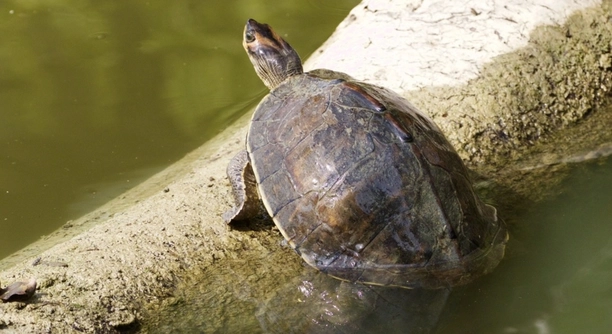
Is your Indian Roofed Tortoise acting differently than usual? Sometimes, changes in their behavior may signal an issue with their digestive system. Constipation can affect tortoises, and it’s important to recognize the signs early.
A tortoise’s constipation is typically caused by dehydration, lack of fiber, or insufficient exercise. You may notice your tortoise has a decreased appetite, is less active, or has difficulty passing stools. If these signs persist, seek veterinary help.
Understanding constipation in your tortoise will help you address it quickly and ensure they stay healthy. Keep reading to learn more about what causes constipation and how you can help your tortoise feel better.
Causes of Constipation in Indian Roofed Tortoises
Constipation in Indian Roofed Tortoises can be a result of a few factors, but dehydration is one of the most common. These tortoises need regular access to clean, fresh water to stay hydrated. Without enough water, their digestive systems can slow down, leading to constipation. Another key factor is a lack of fiber in their diet. Tortoises are herbivores, so they require a variety of fibrous plants to maintain regular bowel movements. If their diet consists mostly of low-fiber foods like fruits or processed options, constipation can occur. Lastly, insufficient exercise also plays a role. Tortoises that don’t get enough physical activity may have slower digestion, which can cause stools to become impacted.
Water intake is essential for digestion and the overall health of your tortoise. If your tortoise isn’t drinking enough, try offering water in a shallow dish or misting their enclosure. Adding water-rich vegetables like lettuce can also help.
Making sure your tortoise gets enough fiber is simple. Offer them leafy greens such as dandelion greens, kale, or collard greens. These vegetables are high in fiber, which aids digestion. Regularly switching up their diet can prevent constipation and provide a range of necessary nutrients. Additionally, providing an appropriate environment with enough space for exercise is key. A tortoise that has room to roam will be more likely to move around and keep its digestive system functioning properly.
How to Recognize Constipation in Your Tortoise
Constipation in tortoises isn’t always obvious, but there are clear signs to look out for. If your tortoise hasn’t defecated in several days, it may be constipated. You may also notice a loss of appetite, lethargy, or a lack of interest in food. These behaviors could signal that something is wrong.
When constipation happens, it’s crucial to act fast. A good first step is to check the humidity levels in the tortoise’s enclosure. If it’s too dry, increase the humidity by misting the area or using a humidifier. You should also make sure that your tortoise is getting the right balance of water and fiber. If the constipation persists, it might be necessary to take your tortoise to a vet. They can provide more specific treatment and ensure the issue doesn’t worsen.
How to Prevent Constipation in Your Tortoise
To prevent constipation, hydration is key. Always ensure your tortoise has access to fresh, clean water. You can also offer watery vegetables, such as cucumber or watermelon, to help them stay hydrated. Additionally, proper humidity levels in their enclosure will support their digestion.
A balanced diet rich in fiber is crucial. Offer a variety of leafy greens like dandelion greens, collard greens, and kale. Avoid feeding your tortoise too many fruits, as they lack the fiber your tortoise needs. You can also supplement their diet with hay to help maintain digestive health.
Providing a spacious environment allows your tortoise to move freely, which encourages digestion. Tortoises that stay active are less likely to experience constipation. Also, make sure your tortoise has plenty of light exposure, as it can promote digestion and healthy activity levels. With these simple steps, you can help prevent constipation and keep your tortoise healthy and comfortable.
When to Seek Veterinary Help
If your tortoise shows signs of constipation for more than a few days, it’s time to consult a veterinarian. Prolonged constipation can cause serious health issues, like impaction or organ damage, which may require medical intervention.
Your vet will assess your tortoise’s overall health and may recommend treatments like hydration therapy or prescribed medications. In some cases, they might perform manual removal of the impacted stool. Don’t wait for symptoms to worsen. Early veterinary care can prevent long-term damage to your tortoise’s digestive system.
Signs of Severe Constipation
Severe constipation in your tortoise can lead to significant discomfort. You may notice a bloated appearance or a noticeable lack of movement. If the tortoise isn’t defecating for several days, this could indicate an obstruction.
You might also notice that your tortoise seems lethargic or has a reduced appetite. These signs are indicators that the constipation is more serious and may need immediate intervention.
Treatment Options for Constipated Tortoises
If your tortoise is severely constipated, the first step is to try and hydrate them. Soaking them in lukewarm water for 15-20 minutes can help them pass stool. If this doesn’t work, a vet may recommend a mild laxative.
In some cases, a veterinarian may need to manually remove the impacted stool or prescribe medications to ease the constipation. These treatments should always be administered under veterinary guidance.
FAQ
How can I tell if my tortoise is constipated?
The most obvious sign of constipation is a lack of defecation. If your tortoise hasn’t passed stool in several days, it might be constipated. Other signs include lethargy, reduced appetite, and a bloated or distended abdomen. If your tortoise is showing these signs, it’s best to act quickly to prevent further complications.
What should I do if my tortoise is constipated?
If you suspect your tortoise is constipated, start by increasing its water intake. Offer fresh, clean water daily, and consider soaking your tortoise in lukewarm water for 15-20 minutes to encourage bowel movements. A fiber-rich diet with leafy greens can also help. If these steps don’t resolve the issue, consult a veterinarian.
How long can a tortoise go without defecating?
A healthy tortoise typically defecates every few days. However, some tortoises may not defecate daily. If your tortoise has gone more than five days without passing stool, it’s a good idea to observe closely for other signs of constipation or seek veterinary advice.
Can a lack of exercise cause constipation in tortoises?
Yes, a lack of exercise can contribute to constipation in tortoises. Tortoises need space to move around, and inactivity can slow down their digestive system. Make sure your tortoise has enough room to roam in a safe environment to keep its digestive system functioning properly.
What types of food help with constipation in tortoises?
Foods rich in fiber are crucial for preventing constipation. Offer your tortoise leafy greens such as dandelion greens, kale, and collard greens. You can also provide a small amount of hay to promote healthy digestion. Avoid feeding them too many fruits, as they are low in fiber and can make constipation worse.
Is dehydration a common cause of constipation?
Yes, dehydration is one of the most common causes of constipation in tortoises. Without sufficient water, their digestive systems can slow down, causing stools to become hard and difficult to pass. Ensure your tortoise always has access to fresh water, and consider offering water-rich vegetables to support hydration.
Can I treat my tortoise’s constipation at home?
You can try a few home remedies, such as soaking your tortoise in lukewarm water or offering fiber-rich foods like leafy greens. However, if the constipation persists or if your tortoise seems to be in pain, it’s important to seek veterinary care. A vet can provide more specific treatments, such as medications or manual removal of impacted stool.
When should I take my tortoise to the vet for constipation?
If your tortoise’s constipation lasts more than five days, or if you notice other concerning symptoms like bloating, pain, or loss of appetite, it’s time to consult a veterinarian. A vet can properly diagnose the issue and provide treatment to prevent more serious complications.
How do I prevent constipation in my tortoise?
Preventing constipation starts with proper hydration, a fiber-rich diet, and regular exercise. Ensure your tortoise has access to fresh water every day and offers a variety of leafy greens. Provide a large enough space for your tortoise to roam, as exercise helps stimulate the digestive system. Regularly check the humidity levels in their enclosure, as low humidity can also contribute to digestive issues.
Can poor humidity cause constipation in tortoises?
Yes, low humidity can make it difficult for your tortoise to pass stool. Dry conditions in the enclosure can lead to dehydration, which can slow down digestion. Make sure the humidity levels in the enclosure are appropriate for your tortoise’s species, and mist the enclosure regularly to maintain the right level of moisture.
Are some tortoise species more prone to constipation than others?
Some species of tortoises are more prone to digestive issues, including constipation. For example, species like the Indian Roofed Tortoise may experience more digestive problems due to their specific dietary needs and environmental requirements. Regardless of species, all tortoises benefit from proper hydration, a high-fiber diet, and ample exercise to avoid constipation.
Can stress affect my tortoise’s digestion?
Yes, stress can lead to digestive problems in tortoises, including constipation. Stress can result from factors like sudden changes in the environment, improper housing, or poor diet. To keep your tortoise stress-free, provide a stable and calm environment with plenty of space to move around. Avoid handling them too much and ensure their habitat is well-maintained.
What are the long-term effects of untreated constipation in tortoises?
Untreated constipation can lead to more severe health issues, including impaction, which can be life-threatening. Prolonged constipation may cause a tortoise to stop eating, become lethargic, or experience organ damage. It’s important to address constipation early to avoid these complications and ensure your tortoise’s long-term health.
Can I give my tortoise a laxative for constipation?
Some veterinarians may recommend a mild laxative to help relieve constipation in tortoises. However, it’s crucial that you only use laxatives under veterinary guidance. Over-the-counter laxatives designed for humans can be harmful to tortoises, so always consult a vet before administering any treatment.
Final Thoughts
Taking care of an Indian Roofed Tortoise involves paying close attention to its diet, hydration, and overall environment. Constipation is a common issue that can arise when any of these factors are not properly managed. Recognizing the signs of constipation early is key to helping your tortoise stay healthy. If you notice your tortoise isn’t eating, is sluggish, or hasn’t defecated in several days, it’s important to take action quickly to prevent further health problems.
To avoid constipation, make sure your tortoise has a balanced diet rich in fiber. Leafy greens like dandelion and collard greens are essential for their digestive health. Offering a variety of vegetables and avoiding too many sugary fruits will also help maintain a healthy gut. In addition to diet, hydration plays a crucial role in keeping your tortoise’s digestive system functioning properly. Regular access to fresh water and soaking them in lukewarm water can aid in preventing dehydration, a common cause of constipation.
If your tortoise shows signs of constipation that don’t improve with dietary changes or hydration, seeking veterinary care is important. A vet can help determine the cause of the issue and recommend treatments like medications or manual removal if necessary. Regular check-ups and maintaining a stable environment with appropriate humidity levels will also contribute to your tortoise’s overall well-being. By being proactive, you can help prevent constipation and ensure that your tortoise lives a long, healthy life.

Hello,
If you enjoy the content that we create, please consider saying a "Thank You!" by leaving a tip.
Every little bit helps us continue crafting quality advice that supports the health, happiness, and well-being of pets around the world, for pets of all shapes, sizes, and species.
We really appreciate the kindness and support that you show us!