
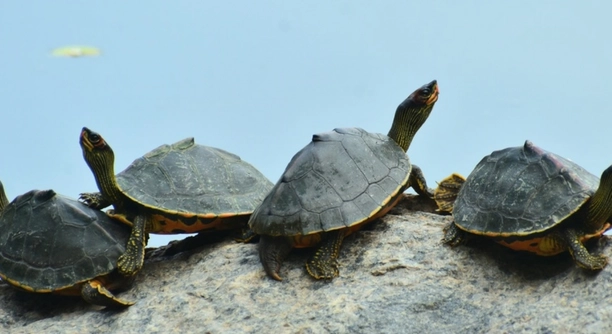
Setting up the perfect home for your Indian Roofed Tortoise is an exciting and rewarding experience. However, there are a few things you should avoid putting in their tank to ensure their safety and comfort.
Certain items in your tortoise’s tank can be harmful and cause long-term health issues. Items like toxic plants, unsuitable substrates, sharp objects, and chemicals should never be included. These can lead to injury or illness in your pet.
By understanding the things to avoid, you can create a safe and healthy environment for your tortoise to thrive. We’ll walk you through some key items that should stay out of their tank.
Toxic Plants
Many plants can be harmful to your Indian Roofed Tortoise if they are ingested. Some plants contain toxins that can cause severe reactions in reptiles, such as vomiting, diarrhea, or even death. It’s important to know which plants are safe and which should be avoided. Common houseplants like aloe vera, pothos, and lilies are particularly dangerous for tortoises. Additionally, some outdoor plants such as foxglove or certain types of ivy can be lethal if eaten. Always research any plant before introducing it to your tortoise’s enclosure. Keep their habitat plant-free of anything that could pose a risk.
Avoiding toxic plants is an essential step in keeping your tortoise healthy and safe. Non-toxic plants like dandelions, clover, and grass are excellent alternatives for adding greenery to their space.
Before placing any new plant in your tortoise’s tank, ensure it’s safe for them to eat or simply use non-edible decorations instead. While greenery can be a great addition, your tortoise’s safety should be the priority. If you are ever uncertain, it’s better to be cautious and remove the plant. Keep your tortoise’s habitat free from any potential threats.
Inappropriate Substrates
Not all substrates are suitable for your tortoise. Avoid using materials like sand, gravel, or cedar chips. Sand, while it may seem natural, can cause impaction if ingested. This can lead to serious digestive issues, especially if it’s eaten while foraging for food. Gravel can be too sharp for a tortoise’s sensitive skin and may cause scratches or cuts, potentially leading to infections. Cedar chips release harmful oils that can irritate a tortoise’s respiratory system. These materials can also be difficult to clean and retain moisture, which may create an environment for harmful bacteria to grow. Instead, opt for safe, absorbent materials such as coconut coir or plain soil that are easy to clean and pose no health risks.
Choosing the right substrate is key to providing your tortoise with a comfortable living environment. Safe options will promote natural digging behavior and help maintain proper humidity levels.
A good substrate will also support your tortoise’s overall well-being, ensuring they can exhibit natural behaviors and stay healthy. Always avoid substrates that are too abrasive or harmful. If you’re unsure about a substrate, look for those designed specifically for reptiles.
Chemicals and Cleaning Products
Many cleaning products contain harsh chemicals that are harmful to your tortoise. Avoid using cleaners that contain bleach, ammonia, or other strong chemicals in their tank. These substances can cause respiratory issues, skin irritation, or even poisoning if they come in contact with your tortoise. Instead, use natural or reptile-safe cleaners when disinfecting their enclosure.
When cleaning, it’s crucial to thoroughly rinse the tank and any objects inside. Even small amounts of chemical residue can pose a threat. Always ensure that all surfaces are free of cleaning agents before placing your tortoise back in their home.
Non-toxic, natural cleaning products like vinegar and water or reptile-specific disinfectants are safe alternatives. They will keep the habitat clean without exposing your tortoise to harmful chemicals. Regular cleaning is essential, but be mindful of the products you use. Cleanliness shouldn’t come at the cost of your pet’s health.
Sharp Objects
Sharp objects, such as broken ceramic pieces, rocks with jagged edges, or metal items, should never be placed in your tortoise’s tank. These objects can cause serious injuries, including cuts or punctures to their skin, which can lead to infections. Always check for sharp edges before placing any new items in their enclosure. Even if an item seems safe, it could still pose a hidden danger.
You can create a safe environment by using smooth rocks or artificial decorations that have no sharp edges. If you’re unsure about an object’s safety, test it by gently running your fingers over the surface to check for any rough spots. Ensuring the tank is free from dangerous objects will protect your tortoise from potential harm.
If your tortoise does get injured by a sharp object, it’s essential to act quickly. Clean the wound gently with warm water, and consider consulting a vet to prevent infection. Protecting your tortoise from sharp objects is a simple but essential part of their care.
Water Sources with Contaminants
Water in your tortoise’s tank should be clean and free of contaminants. Avoid using untreated tap water, as it may contain chlorine, chloramine, or heavy metals that are harmful to your tortoise. Always provide fresh, filtered, or dechlorinated water to keep your pet hydrated and healthy.
Water contamination can cause health problems, such as skin irritation or digestive issues. If using tap water, make sure it’s treated by letting it sit for 24 hours to allow the chlorine to dissipate. Using a water filter designed for reptiles can also be an easy solution to keep the water safe.
Keep your tortoise’s water bowl clean by washing it regularly and replacing the water daily. Clean water is essential for hydration, and it helps maintain proper kidney and digestive function in your tortoise. Always ensure their water source is free from any harmful chemicals or pollutants.
Inadequate Hiding Spots
Tortoises need a sense of security in their environment, and hiding spots are crucial for them to feel safe. Without proper hiding areas, they may become stressed, leading to health issues or behavioral problems. Ensure the tank has at least one suitable hiding spot.
A hiding spot can be as simple as a small cave or a box placed in a corner of the tank. It should provide enough space for your tortoise to retreat into, offering shelter from bright lights or other disturbances. A secure hiding space will help your tortoise feel calm and less anxious.
Tortoises are shy creatures, and providing them with an area where they can retreat when needed is key to their well-being. Avoid overcrowding their tank, and give them the privacy they need. A peaceful and secure environment helps keep your tortoise happy and stress-free.
FAQ
What type of food should I avoid feeding my Indian Roofed Tortoise?
Avoid feeding your tortoise foods that are too high in protein or fat, such as meat, dairy, or processed foods. Stick to a diet that includes dark leafy greens, edible flowers, and vegetables. Some fruits can be fed occasionally but should not be a regular part of their diet. High-protein foods can lead to kidney problems and other health issues. Additionally, avoid feeding your tortoise iceberg lettuce, as it contains little nutritional value and may cause digestive upset. Ensure the food provided is fresh and free from pesticides or chemicals.
Can I use a heat lamp in my tortoise’s tank?
Yes, a heat lamp is essential for providing your tortoise with the warmth it needs. Indian Roofed Tortoises require a temperature gradient in their tank, with a basking spot that reaches around 90°F and cooler areas that stay around 75°F. A heat lamp can help create this temperature difference. However, be cautious not to place the lamp too close to the substrate, as it can cause overheating. Always monitor the temperature using a thermometer to ensure your tortoise is comfortable and not stressed by the heat. UVB lighting is also important to support their calcium absorption and overall health.
Is it necessary to have UVB lighting for my tortoise?
Yes, UVB lighting is critical for your tortoise’s health. UVB rays help them produce vitamin D3, which is necessary for calcium absorption and bone health. Without UVB light, your tortoise can develop metabolic bone disease, leading to weak bones and other health complications. A UVB light should be kept on for about 10 to 12 hours a day, and the bulb should be replaced regularly, as its effectiveness diminishes over time. Be sure to position the light so that your tortoise can bask in its rays without being too close to avoid burns.
How much space does an Indian Roofed Tortoise need in its tank?
Indian Roofed Tortoises need plenty of space to roam, especially as they grow. For a juvenile tortoise, a 40-gallon tank may be sufficient, but as they mature, they will require more room. A full-grown tortoise needs a minimum of a 75-gallon tank or a custom enclosure with enough space to move around freely. Providing a large enough space will allow your tortoise to exercise, explore, and feel more comfortable in its habitat. Overcrowding can lead to stress and health problems, so always ensure the enclosure is roomy enough for your pet to thrive.
How often should I clean my tortoise’s tank?
You should clean your tortoise’s tank regularly to maintain a healthy environment. Remove waste and uneaten food daily. Deep cleaning, including disinfecting the entire tank and changing the substrate, should be done every 1-2 weeks. This helps prevent the buildup of harmful bacteria and ensures your tortoise has a clean living space. Be sure to wash and sanitize their water bowl daily as well, and ensure that the tank stays dry enough to avoid mold growth. A clean environment is crucial for preventing infections and maintaining your tortoise’s health.
Do I need to provide water for my tortoise?
Yes, always provide clean water for your tortoise to drink and soak in. Hydration is essential for their digestion, skin health, and overall well-being. Place a shallow water dish in the tank, making sure it’s large enough for the tortoise to soak in. The water should be changed daily to keep it clean. While some tortoises drink regularly, others prefer soaking for hydration. Make sure the water is shallow enough to avoid drowning. Providing access to clean water will ensure your tortoise remains healthy and well-hydrated.
How do I know if my tortoise is stressed?
Stressed tortoises may exhibit signs like hiding frequently, becoming more aggressive, or eating less. Other symptoms include abnormal behavior, such as pacing, attempting to escape, or being more lethargic than usual. Stress can be caused by various factors, including an inadequate tank setup, temperature fluctuations, or environmental changes. If you notice signs of stress, assess the tank’s temperature, humidity, and general setup. Providing hiding spots, proper lighting, and avoiding loud noises will help reduce stress. If symptoms persist, consult a veterinarian for advice on how to address the issue.
Can I house multiple tortoises together?
It’s generally not recommended to house multiple tortoises together, especially in a small enclosure. Tortoises are solitary animals and can become territorial, leading to aggression and stress. In some cases, tortoises may fight over space, food, or basking spots. If you do choose to house more than one tortoise, ensure the enclosure is large enough to provide separate areas for each, with multiple hiding spots, basking areas, and water dishes. It’s often best to house them separately to prevent fighting and reduce stress.
How can I tell if my tortoise is sick?
Signs that your tortoise may be sick include loss of appetite, lethargy, weight loss, unusual breathing sounds, runny nose, or swollen eyes. You may also notice changes in the shell, such as soft spots or unusual growth. If your tortoise exhibits any of these symptoms, it’s important to consult a veterinarian who specializes in reptiles. Early detection is key to treating any health issues before they become more serious. Regular checkups can help prevent illness and ensure your tortoise is living a long, healthy life.
What temperature should my tortoise’s enclosure be?
The ideal temperature for an Indian Roofed Tortoise’s enclosure is around 90°F for the basking area and 75°F for the cooler side. This temperature gradient helps your tortoise regulate its body heat. Make sure the basking spot has a heat source, such as a heat lamp, while the cooler side allows for a retreat when needed. At night, the temperature should not drop below 70°F. Use a thermometer to monitor the temperatures regularly, as fluctuations can cause stress or health problems for your tortoise.
Final Thoughts
Caring for an Indian Roofed Tortoise requires understanding and attention to detail. Ensuring their enclosure is safe, clean, and comfortable is the foundation of keeping them healthy. As we’ve discussed, there are several things you should avoid placing in their tank to make sure they are not exposed to harmful substances or conditions. By being mindful of the plants, substrates, and objects you put in their habitat, you are already taking the right steps to provide them with a safe environment. Regular cleaning, monitoring temperatures, and providing appropriate food and water will go a long way in keeping your tortoise happy and healthy.
The importance of knowing what not to include in the tank cannot be overstated. Harmful items such as toxic plants, sharp objects, or inappropriate substrates can cause injury, stress, or illness to your tortoise. Also, the right lighting, a suitable hiding space, and proper water sources are essential for their well-being. Indian Roofed Tortoises are naturally curious and need an environment that allows them to explore while offering security and comfort. Understanding their specific needs will help you provide the best care possible and ensure they thrive in captivity.
Remember, every tortoise is unique, and the more you learn about their behavior and needs, the better you will be at creating an environment that supports their long-term health. Regular observation will help you notice any potential issues early on, allowing you to address them before they become more serious. With the right care, your Indian Roofed Tortoise will live a happy, healthy life, and you will enjoy the experience of caring for such a remarkable animal.

Hello,
If you enjoy the content that we create, please consider saying a "Thank You!" by leaving a tip.
Every little bit helps us continue crafting quality advice that supports the health, happiness, and well-being of pets around the world, for pets of all shapes, sizes, and species.
We really appreciate the kindness and support that you show us!