
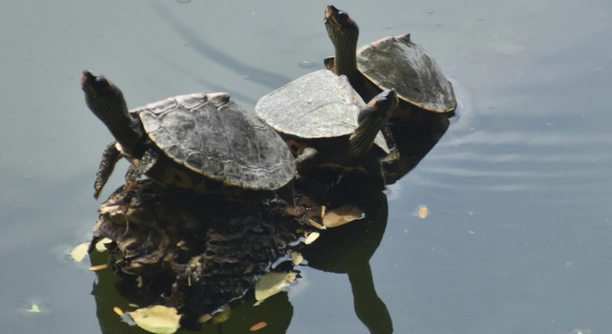
Indian Roofed Tortoises are unique and charming pets that thrive in a well-balanced environment. Providing them with the right space is essential for their health and comfort. Learning the signs of when they need more space is key to their well-being.
If your Indian Roofed Tortoise shows signs of stress, constant wandering, or lack of space to explore, it likely needs a larger enclosure. These tortoises require enough room to move, explore, and feel secure in their environment.
Providing the right space will make a noticeable difference in their behavior. Understanding how to meet their needs can help keep your tortoise happy and healthy.
Why Space Matters for Your Indian Roofed Tortoise
Indian Roofed Tortoises are known for their curious nature. They love to explore and move around, which is why providing enough space in their enclosure is crucial. Without adequate space, they may become stressed, leading to undesirable behaviors like excessive pacing or hiding. When confined to too small an area, they might not get enough exercise, which can affect their physical health. In the wild, these tortoises roam large areas, so replicating this freedom in captivity is important for their overall well-being. Giving them room to roam allows them to express natural behaviors and helps avoid anxiety.
A small enclosure can hinder your tortoise’s growth and development. To thrive, they need both vertical and horizontal space. This makes their environment feel more like their natural habitat and supports better digestion and exercise.
Proper space is not just about the size of the tank but also about how it is set up. Offering varied terrain with hiding spots, obstacles, and areas for basking will keep your tortoise active and engaged. It’s important to remember that providing room to explore goes beyond just allowing them to walk freely. Enrichment through space encourages mental stimulation and helps mimic the conditions they would experience in nature.
Signs Your Tortoise Needs More Space
If your tortoise spends most of its time in one area of the enclosure or paces continuously, it’s time to assess its living conditions. These behaviors are common signs that it’s not getting enough room to move around.
Increasing the space provided can significantly reduce stress. Make sure the new area is well-equipped to meet their physical and mental needs, with various substrates, hiding areas, and basking spots to help them feel secure.
How to Increase Your Tortoise’s Space
When you notice your Indian Roofed Tortoise needs more space, the solution is simple: provide a larger enclosure. Make sure it’s spacious enough for your tortoise to move comfortably. Aim for at least 4×8 feet for adults.
Consider expanding the habitat vertically as well. Adding platforms or ramps gives them a chance to climb and adds complexity to their environment. Creating areas that mimic natural terrain, such as shallow water pools and rocks, helps keep them active and engaged.
If you’re limited on space, you can build a larger outdoor pen during warmer months. This gives your tortoise access to sunlight, fresh air, and a wider area to explore, mimicking their natural environment more closely. Just ensure the pen is secure from predators and weather.
Creating a Comfortable Habitat
A comfortable habitat is not only about the size but how you arrange it. Offering different textures, like a mix of sand, dirt, and rocks, can encourage your tortoise to dig and explore. These surfaces also help with their natural behaviors and prevent boredom.
Ensure the enclosure has a proper heat gradient so your tortoise can regulate its body temperature. A basking spot with a heat lamp should be provided along with a cooler area to allow for temperature variation. This setup promotes healthy digestion and keeps your tortoise active.
Providing Outdoor Space
If possible, allow your Indian Roofed Tortoise some outdoor time. An outdoor pen provides natural sunlight, which is essential for their health. They can explore more freely and enjoy a larger area to move around.
Outdoor enclosures should be escape-proof and shaded for hot days. Make sure there’s a secure fence and that the space is free from potential hazards like sharp objects or toxic plants. Always supervise your tortoise when outdoors to keep them safe from predators.
Offering More Enrichment
Enrichment is just as important as space for your tortoise. Adding new objects to the enclosure, such as logs, plants, or tunnels, will provide variety and encourage exploration. This keeps your tortoise mentally stimulated and satisfied.
Changing the setup occasionally helps prevent boredom and keeps your tortoise engaged. Even small changes can make a big difference in how they interact with their environment.
FAQ
How much space does an Indian Roofed Tortoise need?
The size of the enclosure depends on your tortoise’s age and size. For an adult Indian Roofed Tortoise, aim for an enclosure that is at least 4 feet by 8 feet. Younger tortoises can do well in smaller spaces, but as they grow, they will need more room to roam. If you’re keeping multiple tortoises, make sure there is enough space for each one to have its own territory. Remember, the more space you provide, the healthier and happier your tortoise will be.
Can I keep my Indian Roofed Tortoise in a smaller space?
While it’s possible to keep a tortoise in a smaller space, it’s not ideal for their health and well-being. A cramped environment can lead to stress, poor movement, and even health problems. If your tortoise shows signs of restlessness, such as pacing, it’s a sign that they need more space. The larger the space, the more natural behaviors they can display, leading to a happier and more active tortoise.
What type of substrate should I use for their enclosure?
Indian Roofed Tortoises enjoy a variety of substrates that mimic their natural habitat. A mix of coconut fiber, soil, and sand is commonly used. This mixture provides a good balance of moisture control and allows your tortoise to dig, which is a natural behavior. Avoid using sharp or artificial substrates like gravel or sandpaper, as these can harm their delicate skin and cause injury. Changing the substrate regularly helps maintain cleanliness and ensures a healthy environment.
Can I use a glass tank for an Indian Roofed Tortoise?
While a glass tank can work for smaller tortoises, it is not ideal for adults. Glass tanks restrict ventilation and can cause humidity issues. They are also usually too small for larger tortoises. A better option is a large wooden or plastic enclosure that offers more space and better air circulation. If you must use a glass tank, ensure it is large enough and has proper ventilation to keep your tortoise comfortable.
Do Indian Roofed Tortoises need heat lamps?
Yes, Indian Roofed Tortoises require a heat source to maintain their body temperature. They need a basking area with a heat lamp that keeps the temperature around 90-95°F (32-35°C). This allows them to regulate their temperature, which is essential for digestion and overall health. A UVB light should also be used to provide the necessary UV rays for proper calcium absorption and to prevent shell deformities. Make sure to create a temperature gradient in the enclosure, with cooler areas for your tortoise to retreat to.
How can I tell if my tortoise is stressed?
Tortoises show several signs when they’re stressed. If your Indian Roofed Tortoise is pacing, digging excessively, or hiding more than usual, these may be signs of stress. Stress can be caused by insufficient space, improper temperatures, or lack of enrichment. If your tortoise is showing signs of stress, it’s essential to assess their environment and make changes to reduce discomfort. Ensure the enclosure is large enough, the temperature is correct, and they have enough enrichment to keep them mentally stimulated.
What is the best diet for an Indian Roofed Tortoise?
Indian Roofed Tortoises are herbivores, and their diet should consist primarily of leafy greens, grasses, and flowers. You can feed them dandelion greens, collard greens, and hibiscus flowers. They should also have access to hay, such as Timothy hay, which aids in digestion. Avoid feeding them high-oxalate vegetables like spinach, as these can interfere with calcium absorption. Fresh water should always be available. Supplements like calcium powder may be necessary, but consult a vet before adding any to their diet.
Can I keep more than one Indian Roofed Tortoise together?
It’s possible to keep multiple Indian Roofed Tortoises together, but you need a large enclosure to prevent territorial conflicts. Males can be more aggressive, especially during mating season, so it’s crucial to observe their behavior. If you notice signs of aggression or stress, separate them to avoid injury. If you’re considering keeping more than one, ensure there is enough space for each tortoise to claim its own territory.
How often should I clean my tortoise’s enclosure?
Cleaning your tortoise’s enclosure regularly is essential for their health. At least once a week, you should remove waste, uneaten food, and replace soiled substrate. Monthly, do a more thorough cleaning by washing all surfaces with a mild, tortoise-safe cleaner to prevent bacteria growth. Keeping the enclosure clean reduces the risk of parasites and infections. Always make sure fresh water is provided daily.
Can Indian Roofed Tortoises be kept outdoors year-round?
Indian Roofed Tortoises can be kept outdoors, but only in suitable climates. They need temperatures between 75°F and 95°F (24°C-35°C). In colder climates, they will need to be brought inside during winter to avoid freezing temperatures. During the warmer months, an outdoor pen with access to sunlight and shade is ideal. Ensure the enclosure is secure to prevent escape and protect your tortoise from predators. Properly caring for your tortoise outdoors can provide them with the space they need to thrive.
Final Thoughts
When it comes to caring for an Indian Roofed Tortoise, providing the right space is crucial for its well-being. These tortoises need room to roam, explore, and express natural behaviors. A cramped enclosure can lead to stress, which may cause your tortoise to become more aggressive, inactive, or even unwell. Giving them space not only improves their mental health but also helps with their physical health by allowing them to move freely and exercise. A larger space mimics the freedom they would experience in the wild, making them feel more secure and comfortable in their environment.
In addition to space, other factors like temperature, lighting, and enrichment are important. A heat lamp and UVB light are necessary to provide the proper temperature and aid in calcium absorption. Enrichment through items like hiding spots, climbing structures, and various textures helps keep them mentally stimulated. These factors, combined with enough room to roam, create a balanced environment that supports your tortoise’s overall health. Taking care of these aspects will help your tortoise live a long, healthy life in captivity.
It’s also important to remember that tortoises are not just small, low-maintenance pets. They require consistent attention, proper care, and a suitable environment. While it can be tempting to keep them in a smaller enclosure or provide less space, their well-being depends on providing enough room for them to thrive. A larger enclosure, with plenty of space to explore and proper enrichment, is key to keeping them happy. By paying attention to these needs, you’ll not only create a healthier living space for your tortoise but also strengthen the bond between you and your pet.

Hello,
If you enjoy the content that we create, please consider saying a "Thank You!" by leaving a tip.
Every little bit helps us continue crafting quality advice that supports the health, happiness, and well-being of pets around the world, for pets of all shapes, sizes, and species.
We really appreciate the kindness and support that you show us!