
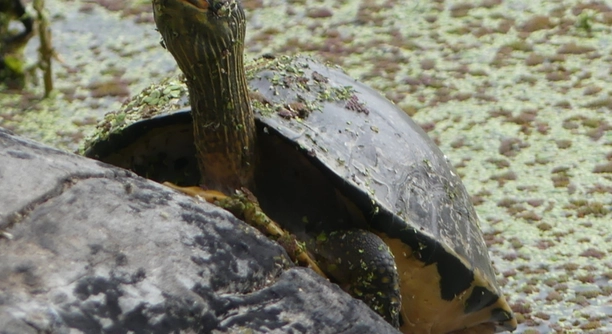
If you own an Indian Roofed Tortoise, you may notice subtle changes in their behavior or appearance that could signal a health issue. Recognizing these signs early can help you address problems quickly, ensuring they remain happy and healthy.
Common warning signs of illness in Indian Roofed Tortoises include changes in appetite, lethargy, shell abnormalities, difficulty breathing, and abnormal behavior. Prompt action is necessary to prevent further complications and ensure the well-being of your pet.
These symptoms are often easy to spot, and recognizing them will help you take immediate steps to support your tortoise’s health.
Loss of Appetite
A sudden drop in your tortoise’s appetite can be a sign of illness or stress. Indian Roofed Tortoises, like most reptiles, thrive on a consistent feeding schedule. If your tortoise refuses food for more than a couple of days, it could indicate underlying issues. This could range from a minor stomach upset to more serious problems, such as infections or parasites. Always pay attention to changes in feeding habits. If the loss of appetite is accompanied by other symptoms, like lethargy or abnormal behavior, it’s time to consult a veterinarian.
Changes in diet or the environment can also cause temporary loss of appetite. However, if this persists, it’s a signal that something is wrong. Be sure to monitor your pet’s health closely during these times.
Feeding your tortoise the right balance of vegetables and the occasional protein is essential for maintaining good health. Lack of proper nutrition can weaken their immune system, making them more susceptible to illness. Make sure your tortoise has access to fresh food regularly, and if they continue to refuse it, seek professional advice.
Abnormal Shell Appearance
Shell problems are often an early warning sign of illness in Indian Roofed Tortoises. Look out for cracks, soft spots, or changes in the color of the shell. These issues can be linked to infections or poor living conditions, such as improper humidity or poor diet.
The health of the shell reflects the overall well-being of your tortoise. If there is noticeable damage or a shift in the shell’s appearance, it’s important to act quickly.
Maintaining proper humidity and providing adequate UVB lighting are key to shell health. A dry environment or lack of essential vitamins can lead to shell deformities, including softening or pyramiding (abnormal growth). Poor diet can also contribute to this, as calcium deficiencies are common in tortoises that aren’t fed correctly. A healthy shell is vital for your pet’s protection, so ensure its environment and diet are top-notch. If shell issues arise, consulting a vet should be your next step.
Lethargy and Lack of Movement
When your Indian Roofed Tortoise starts to move less, it could be a sign something is wrong. Tortoises are naturally active, so a noticeable decrease in movement should not be ignored. This could indicate dehydration, illness, or stress.
If your tortoise isn’t showing interest in exploring its environment or moving to its food, it’s essential to investigate the possible causes. Infections, shell problems, or metabolic diseases can cause a tortoise to be more lethargic. Additionally, improper temperatures or an unsuitable habitat can lead to inactivity. If the change is sudden or lasts for more than a day, it’s best to get a vet’s advice.
Lack of movement is also a sign of stress or discomfort in the living environment. Make sure your tortoise’s habitat is set up with the right temperature, humidity, and space. If your tortoise continues to show signs of lethargy, it could be time for a health check. It’s important to ensure your tortoise is comfortable and healthy, as constant inactivity could lead to further complications.
Difficulty Breathing
Breathing issues can quickly become a serious problem for tortoises. If your Indian Roofed Tortoise is wheezing, making odd noises, or having trouble breathing, these signs must be taken seriously. Respiratory infections are a common issue in reptiles.
If your tortoise’s breathing becomes labored or it seems to be struggling, consult a vet immediately. Respiratory infections can be caused by a variety of factors, including poor habitat conditions like low humidity or cold temperatures. Lack of ventilation and improper heating may also contribute to these issues.
Since tortoises can’t express pain, any difficulty breathing should be addressed as soon as possible. You may notice other signs such as discharge from the nose or mouth, making it even more apparent that something is wrong. Always ensure your pet’s living space has the right conditions, with adequate warmth and airflow. Breathing problems are often treatable with proper care, but they can become severe if not handled quickly.
Discharge from the Eyes or Nose
A discharge from your tortoise’s eyes or nose is another sign of illness. This could indicate a respiratory infection or another underlying health issue. Constantly clear or thick discharge should be monitored closely.
If the discharge is watery, it may be a mild irritation, but if it’s thick or colored, it’s more concerning. Infections can develop quickly in tortoises, so it’s essential to observe your pet carefully. If symptoms persist, seek help from a veterinarian. A clean and dry environment can help prevent respiratory problems.
Abnormal Behavior
If your tortoise’s behavior suddenly changes, it’s a red flag. If it’s acting aggressively, hiding more often, or behaving unusually in other ways, this can signal stress or illness. Tortoises are creatures of habit, and sudden behavioral shifts shouldn’t be ignored.
Abnormal behavior can be a response to stress caused by improper living conditions or even environmental changes. It can also indicate health problems like pain or discomfort. Look for any patterns in behavior and compare it to their normal activity. Changes in behavior often happen when your tortoise is unwell, making it essential to address the issue quickly.
Skin Issues
Skin problems in tortoises can be hard to notice at first but should not be overlooked. If your tortoise’s skin appears swollen, discolored, or develops sores, it could be dealing with a fungal or bacterial infection. These conditions can be caused by humidity imbalances, parasites, or injury.
Infections that affect the skin can spread quickly, so it’s important to monitor for signs such as crusty patches or unusual texture. You can help prevent skin issues by maintaining proper humidity levels in the enclosure and ensuring your tortoise is not exposed to rough surfaces that could cause injury. If skin abnormalities appear, a vet visit is essential for treatment.
FAQ
How do I know if my Indian Roofed Tortoise is dehydrated?
Dehydration in tortoises can be difficult to spot, but there are a few key signs to look for. If your tortoise becomes lethargic, has dry or sunken eyes, or its skin appears wrinkled, dehydration might be the cause. You can try gently pinching the skin – if it doesn’t bounce back quickly, dehydration is likely. Providing a shallow water dish in their enclosure for drinking, as well as soaking your tortoise in lukewarm water for 10-15 minutes, can help prevent dehydration. If these symptoms persist, a visit to the vet is recommended.
What is the best diet for my Indian Roofed Tortoise?
Indian Roofed Tortoises should be offered a diet consisting mainly of leafy greens, such as dandelion leaves, collard greens, and mustard greens. You can also offer a variety of vegetables like zucchini, carrots, and squash. Fruit should be given sparingly, as it’s high in sugar. Additionally, providing occasional sources of protein like small insects can be beneficial. A balanced diet, along with adequate calcium (usually from calcium supplements or cuttlebone), is essential for shell health. Ensure you’re offering a variety of foods to keep your tortoise healthy and prevent nutritional deficiencies.
How often should I feed my Indian Roofed Tortoise?
Feeding your tortoise depends on its age and size. Hatchlings and young tortoises should be fed daily, while adults can be fed every other day. Overfeeding can lead to obesity, which can affect your tortoise’s health, especially its shell. A feeding schedule that includes a balanced mix of vegetables, occasional fruits, and some protein is ideal. If you’re unsure about portion sizes, it’s always a good idea to ask a vet for guidance. Keeping their enclosure clean and offering fresh food daily is key to their well-being.
How can I tell if my Indian Roofed Tortoise is stressed?
Stress in tortoises can be caused by environmental changes, lack of space, or improper care. Signs of stress include a loss of appetite, excessive hiding, aggressive behavior, or sudden changes in activity level. To reduce stress, make sure your tortoise’s habitat is quiet and secure, with proper heating, humidity, and space for movement. Avoid sudden changes in their environment, such as relocating them to a different area. If stress persists, it’s important to reassess their living conditions or consult a vet to rule out health problems.
What should I do if my Indian Roofed Tortoise has a respiratory infection?
Respiratory infections are common in tortoises and should be addressed quickly. If your tortoise shows signs of a runny nose, wheezing, or labored breathing, it’s best to take them to a veterinarian. In the meantime, make sure their enclosure is kept warm and dry, with proper ventilation. A respiratory infection can worsen quickly, so don’t delay seeking professional treatment. A vet may prescribe antibiotics or other treatments, depending on the severity of the infection. Keeping the enclosure temperature consistent and avoiding drafts can help prevent future respiratory issues.
Can I keep more than one Indian Roofed Tortoise together?
While it’s possible to keep multiple Indian Roofed Tortoises together, it requires careful consideration. Tortoises are territorial creatures, and there can be aggression between them, especially if there isn’t enough space or resources to go around. If you do plan to house more than one, ensure the enclosure is large enough for each tortoise to have its own space, food, and hiding spots. Monitor their behavior closely for signs of aggression or stress, and be prepared to separate them if necessary. It’s always best to consult with a vet before introducing new tortoises into the same habitat.
How can I ensure my Indian Roofed Tortoise has a healthy shell?
A healthy shell is essential for your tortoise’s overall health and protection. To keep your tortoise’s shell in good condition, make sure it has access to plenty of calcium through food and supplements, and provide proper lighting, including UVB rays. UVB light helps the tortoise absorb calcium and promotes strong shell growth. Keep the enclosure clean and free from sharp objects that could cause injury. Regularly monitor your tortoise’s shell for any signs of softening, cracks, or unusual growth patterns. If you notice any issues, consult a vet for proper treatment and guidance.
What temperature should I keep my Indian Roofed Tortoise’s enclosure?
Indian Roofed Tortoises thrive in a warm environment. The basking spot in their enclosure should be between 90-95°F (32-35°C), while the cooler side of the enclosure can range from 75-80°F (24-27°C). Nighttime temperatures should not drop below 70°F (21°C). Make sure to provide a gradient of temperatures within the enclosure so your tortoise can move between warmer and cooler areas as needed. Using a heat lamp and a thermometer to monitor the temperature is crucial to ensure your tortoise remains comfortable and healthy.
How long do Indian Roofed Tortoises live?
Indian Roofed Tortoises have a relatively long lifespan, often living between 50 to 70 years in captivity if properly cared for. The key to a long life is providing the right environment, a balanced diet, and regular health checks. Their long lifespan means they require a commitment of time and care, so be prepared for the responsibility of keeping them healthy for many years. A stable and consistent habitat will help them live out their full potential lifespan.
Can I take my Indian Roofed Tortoise outside?
Taking your tortoise outside can be beneficial, as long as the environment is safe. When outdoors, ensure there are no predators or hazards like sharp objects or pesticides. The temperature should also be appropriate, with no sudden temperature fluctuations that could harm your tortoise. It’s essential to supervise them closely and make sure they don’t wander off. Outdoor time allows your tortoise to enjoy natural sunlight, which is important for their overall health, especially for proper shell development. However, always bring them back inside if the weather is too cold or if it’s unsafe for any reason.
Final Thoughts
Taking care of an Indian Roofed Tortoise requires attention to detail, patience, and a solid understanding of its needs. These animals can live for many decades when provided with the proper care, which makes it important to stay on top of their health. By maintaining a clean environment, offering a balanced diet, and ensuring the right temperature and humidity, you can help your tortoise thrive. If you notice any signs of illness or unusual behavior, acting quickly is key. Early detection can make a big difference in addressing health issues before they become serious.
It’s also crucial to remember that each tortoise is unique, and their care might require slight adjustments. Some tortoises may be more sensitive to environmental changes, while others might require more attention to their diet. Paying close attention to your tortoise’s behavior, eating habits, and appearance will help you catch potential health problems early. Keeping their habitat stable and comfortable is just as important as providing food and water. Understanding what your tortoise needs and adjusting accordingly will lead to a longer and healthier life for them.
In the end, being a responsible tortoise owner means being observant and proactive. If you’re unsure about any aspect of your tortoise’s care, don’t hesitate to reach out to a veterinarian who specializes in reptiles. Their expertise will help ensure your pet is in the best hands possible. By staying informed and making sure your tortoise’s environment supports its well-being, you can enjoy many years of companionship with your unique and fascinating pet. Regular health checks, proper diet, and a safe, stimulating environment will go a long way in keeping your tortoise happy and healthy.

Hello,
If you enjoy the content that we create, please consider saying a "Thank You!" by leaving a tip.
Every little bit helps us continue crafting quality advice that supports the health, happiness, and well-being of pets around the world, for pets of all shapes, sizes, and species.
We really appreciate the kindness and support that you show us!