
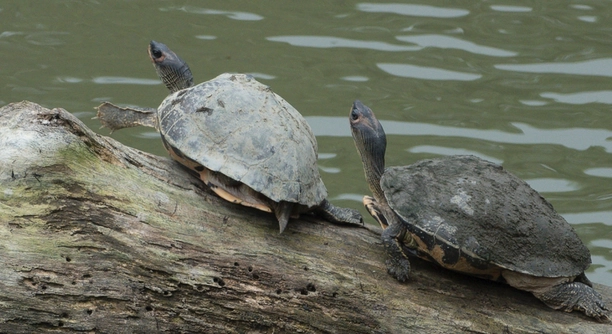
The Indian Roofed Tortoise is a unique and fascinating pet, but maintaining its shell in good condition requires attention. A damaged shell can cause serious health problems for your tortoise. Understanding how to prevent such damage is essential.
To reduce the risk of Indian Roofed Tortoise shell damage, you should focus on proper habitat setup, diet, handling, and routine checkups. Ensuring a safe and comfortable environment can prevent trauma and stress that could lead to shell injuries or deformities.
By following some simple guidelines, you can help protect your tortoise’s shell. These tips will ensure it remains healthy and strong for years to come.
Create a Safe Habitat
One of the most effective ways to prevent shell damage is by providing a safe and secure environment for your Indian Roofed Tortoise. This includes creating an enclosure that mimics its natural habitat, ensuring it has enough space to move freely without risking injury. A proper enclosure should have smooth, non-sharp surfaces to avoid accidental scratching. Temperature and humidity are important as well; extreme conditions can weaken the shell over time. Be sure the tortoise’s home is large enough for it to roam and explore, but not so large that it causes unnecessary stress.
A well-maintained habitat with no hazards plays a vital role in protecting your tortoise’s shell.
Avoid placing objects with sharp edges, as they can harm your tortoise. Smooth surfaces will reduce the chances of accidents. Keep the enclosure clean and free from debris that could lead to injury.
Proper Diet for Shell Health
A balanced diet is essential in maintaining the strength of your tortoise’s shell. Providing the right nutrients will help your tortoise grow a healthy, durable shell. High-quality leafy greens, vegetables, and fruits are essential in their diet. Calcium plays a key role in shell development, so supplementing with calcium powder or cuttlebone can make a big difference. Avoid feeding your tortoise too much protein, as it may lead to unhealthy growth, putting extra stress on its shell. Hydration is also important, so make sure there’s always fresh water available. A proper diet ensures your tortoise’s shell remains strong and intact throughout its life.
Feeding your tortoise nutrient-rich food not only helps prevent shell damage but also supports its overall health.
Calcium is critical, so adding supplements and natural sources like cuttlebone can help your tortoise maintain a sturdy shell.
Handle with Care
Handling your tortoise properly is crucial to avoiding shell damage. Be gentle when picking it up, and always support its body evenly. Lifting it by the shell can cause injury, especially if it’s dropped. Avoid sudden movements or rough handling, as this can stress your tortoise and lead to shell cracks.
When handling your tortoise, always make sure your hands are clean and dry. This reduces the risk of transferring harmful bacteria. Try not to hold it for long periods, as tortoises can get stressed. Short, calm interactions are best for their well-being.
It’s also important to provide a safe area for your tortoise to explore outside its enclosure. Ensure the surroundings are free of potential hazards like sharp rocks or other pets. By keeping handling moments calm and controlled, you can protect your tortoise from unwanted injuries to its shell.
Avoiding Stress
Stress can significantly affect your tortoise’s health and shell condition. Stress leads to weakened immune systems, which can make the tortoise more susceptible to injury and illness. Maintaining a peaceful and quiet environment helps reduce stress. Keep the enclosure free of loud noises or sudden changes in temperature, as this can upset your tortoise.
Make sure to provide a hiding space where your tortoise can retreat when feeling overwhelmed. These spaces offer comfort and a sense of security. A calm environment not only keeps your tortoise happy but also plays a significant role in preventing shell damage.
Create a routine to ensure consistency, as changes can be stressful. Regular feeding, cleaning, and quiet surroundings all help to create an atmosphere where your tortoise can feel safe. Less stress means less risk of damage to its shell.
Regular Checkups
Regular checkups are important for catching early signs of shell damage. A veterinarian familiar with reptiles can help assess the health of your tortoise’s shell. If any cracks or soft spots are found, early intervention is crucial.
Taking your tortoise for a checkup every six months can prevent major issues. This routine ensures that you stay on top of any potential problems.
Proper Lighting
Providing the right lighting is essential for your tortoise’s shell health. UVB light helps in the absorption of calcium, which strengthens the shell. Without proper UVB exposure, your tortoise could develop soft shells, making it more prone to damage.
Ensure that your tortoise gets 10 to 12 hours of UVB light daily. Place the light source close enough to allow for optimal absorption.
FAQ
How can I tell if my tortoise’s shell is damaged?
Signs of shell damage can include visible cracks, holes, soft spots, or discolored patches. You might also notice that the tortoise is acting differently, possibly being less active or avoiding movement. If you suspect damage, it’s important to get a vet’s opinion for proper treatment.
Can shell damage heal on its own?
Minor shell damage, like small scratches or slight cracks, can heal over time if the tortoise is in a healthy environment with proper care. However, larger cracks or deep injuries may require veterinary treatment. If the damage is severe, the shell might never fully return to its original state.
What should I do if I find a crack in my tortoise’s shell?
If you notice a crack, clean the area gently with warm water and consult a veterinarian immediately. The vet will assess the severity of the injury and recommend treatment, which could involve applying a protective dressing or providing medication to prevent infection. Keeping your tortoise in a stress-free environment during recovery is essential.
How can I prevent my tortoise from getting shell damage?
To avoid shell damage, ensure your tortoise’s habitat is free from sharp objects and hazards. Handle it carefully, avoiding picking it up by the shell. Regular checkups with a vet, proper diet, and maintaining the right lighting are all important to prevent injury and support shell health.
Can the shell get too dry or too wet?
Yes, both dryness and excess moisture can cause problems for your tortoise’s shell. Dry conditions can lead to dehydration, while too much moisture can cause fungal or bacterial infections. Ensure your tortoise’s habitat has the right humidity levels for its species and maintain a balance to keep its shell in top condition.
How does diet affect my tortoise’s shell?
A well-balanced diet is crucial for shell health. Calcium is especially important for a strong shell. Feeding your tortoise a variety of leafy greens and vegetables will provide the necessary nutrients. Be sure to avoid overfeeding protein, as it can lead to an imbalance that may affect shell growth.
What kind of bedding is best for my tortoise?
The best bedding is one that keeps the environment clean and dry, such as coconut fiber, grass hay, or non-toxic shredded paper. Avoid using sand or gravel, as these can cause abrasions to the shell and lead to injury. Regular cleaning of the bedding is also essential to prevent bacteria buildup.
Is it normal for my tortoise to shed its shell?
Tortoises do not shed their entire shell like some reptiles, but they do occasionally shed small pieces of the outer layer, which is a normal process. This shedding usually happens gradually and doesn’t cause harm. If large patches of the shell are coming off, it might indicate a health issue.
How do I create a safe environment for my tortoise to roam outside its enclosure?
When allowing your tortoise outside its regular enclosure, make sure the area is free of predators, sharp objects, and other potential dangers. Keep an eye on it at all times to ensure it doesn’t injure itself. A safe outdoor space should have soft, grassy ground and a shaded area to prevent overheating.
Should I use a basking light for my tortoise?
Yes, basking lights are essential for your tortoise to regulate its body temperature and aid in digestion. A basking light creates a warm spot in the enclosure, where your tortoise can absorb the heat it needs. Be sure to provide a cooler area so your tortoise can choose where it feels most comfortable.
What temperature should my tortoise’s enclosure be?
The temperature inside your tortoise’s enclosure should range from 75°F to 85°F during the day, with a basking spot that reaches around 90°F. At night, the temperature can drop to 70°F to 75°F. Make sure to monitor the temperature regularly to ensure it stays within these ideal ranges.
Can I use a heating pad for my tortoise?
Heating pads can be used but should be placed under one part of the enclosure to provide a warm spot, not the entire habitat. It’s important to monitor the temperature closely to avoid overheating, as tortoises need a gradient of temperatures within their enclosure to regulate their body heat.
How often should I clean my tortoise’s enclosure?
Cleaning your tortoise’s enclosure should be done at least once a week. Spot cleaning for waste should be done daily to prevent bacteria buildup. Regular cleaning ensures a healthy environment and helps prevent shell damage caused by infections or other health problems.
Can my tortoise’s shell get damaged from being too active?
While normal movement and exploration don’t typically cause shell damage, excessive rough activity or rough surfaces can lead to injury. It’s important to make sure that the area your tortoise roams is free of sharp or hard objects that could cause scratches or cracks to the shell.
Should I use a UVB light for my tortoise?
Yes, UVB lighting is essential for your tortoise’s health as it helps with calcium absorption, which is necessary for a strong and healthy shell. A UVB light should be on for about 10-12 hours a day to mimic natural sunlight, providing your tortoise with the necessary exposure for bone and shell health.
Can a tortoise’s shell become too soft?
Yes, if a tortoise does not receive enough calcium or UVB light, its shell may become soft. This can lead to deformities and increased vulnerability to injury. Ensuring a proper diet with calcium supplementation and providing adequate UVB light can prevent this issue.
How do I know if my tortoise is stressed?
Signs of stress in a tortoise include lethargy, lack of appetite, hiding more than usual, and unusual behaviors like pacing. Stress can lead to a weakened immune system and may make the tortoise more susceptible to injury. Creating a quiet, stable environment can help reduce stress and promote overall well-being.
Final Thoughts
Taking care of an Indian Roofed Tortoise involves understanding its needs, including shell protection, diet, and habitat. The shell is one of the most important parts of your tortoise’s body, and maintaining its health should be a top priority. By providing a safe environment free of sharp objects, ensuring proper nutrition, and handling the tortoise with care, you can reduce the risk of shell damage. Regular checkups with a vet help detect any potential problems early, allowing for prompt treatment if necessary.
Shell damage can sometimes be hard to notice until it’s too late, so it’s essential to stay aware of your tortoise’s condition. Checking for cracks, soft spots, or discoloration regularly will help you catch issues before they worsen. Ensuring proper lighting, hydration, and diet will also keep your tortoise healthy and help strengthen its shell. The more attention you give to your tortoise’s environment and care, the better its chances of staying free from injuries or health issues.
While preventing shell damage is important, it’s equally crucial to understand that accidents can happen. In case of an injury, staying calm and seeking professional help quickly can make a difference. Your tortoise’s health and shell strength are directly linked to the care it receives, so making sure all its needs are met is vital. By following these simple yet important steps, you can ensure your tortoise has a long, healthy life with a strong, well-maintained shell.

Hello,
If you enjoy the content that we create, please consider saying a "Thank You!" by leaving a tip.
Every little bit helps us continue crafting quality advice that supports the health, happiness, and well-being of pets around the world, for pets of all shapes, sizes, and species.
We really appreciate the kindness and support that you show us!