
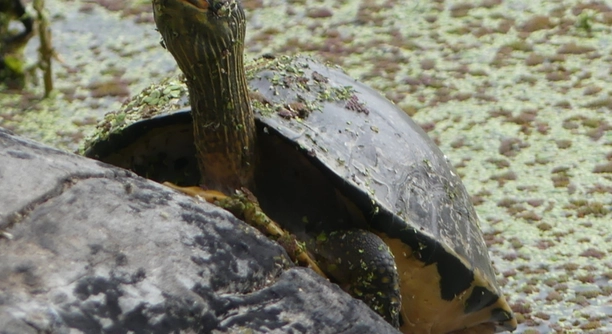
Are you concerned about your Indian Roofed Tortoise’s weight and wondering if it might be underweight?
An underweight Indian Roofed Tortoise can have various causes such as improper diet, stress, or health issues. Signs of underweight include a visible, sunken shell and noticeable changes in behavior. Addressing these concerns promptly is crucial.
Understanding the signs of an underweight tortoise will guide you in ensuring its well-being. This article provides helpful tips on identifying and managing weight issues with your tortoise.
Signs of an Underweight Indian Roofed Tortoise
If you notice your Indian Roofed Tortoise seems smaller than usual or isn’t growing at a healthy pace, it may be underweight. One of the key indicators is a sunken shell. A healthy tortoise should have a rounded, firm shell, and if it appears thin or concave, that can signal malnutrition or health problems. Another sign is lethargy or a noticeable decrease in activity. These tortoises are usually quite active and curious. When underweight, they might show less interest in exploring their environment.
Other signs include reduced appetite and difficulty moving. Underweight tortoises may struggle to move around or seem uninterested in eating. This change in behavior can indicate that your tortoise is not getting the right nutrition. It’s important to monitor these signs closely, as a weight issue could lead to more serious health concerns.
The good news is that once you notice these signs, you can make adjustments to help your tortoise. A proper diet, regular hydration, and appropriate enclosure conditions can help your tortoise regain its healthy weight.
Causes of Weight Loss in Indian Roofed Tortoises
Diet is one of the most common reasons for an Indian Roofed Tortoise to become underweight. They need a high-fiber, low-protein diet, often consisting of grasses, weeds, and leafy greens. Too many fruits or high-protein foods can result in an unbalanced diet that leads to weight loss.
Other reasons for underweight tortoises include stress, incorrect temperature in the enclosure, or health conditions like parasites. If the environment is too cold or if they feel stressed, they might not eat as much. Stress can stem from factors such as loud noises, improper habitat, or even a change in surroundings. A comfortable, quiet space is essential for your tortoise to feel safe and eat properly.
Parasites can also play a role in weight loss. If your tortoise has an internal parasite infestation, it may lose its appetite and nutrients. In this case, a vet visit is necessary to get rid of the parasites and restore your tortoise’s health. Regularly checking your tortoise’s habitat and monitoring its diet can prevent these issues.
How to Assess If Your Indian Roofed Tortoise is Underweight
One of the best ways to assess if your tortoise is underweight is by gently feeling its shell. A healthy tortoise has a firm, smooth shell with no sunken areas. If you can easily press into the shell or feel sharp ridges, this could indicate that your tortoise is underweight.
Additionally, look at its legs and tail. If these areas appear noticeably thinner than usual, it may be a sign of malnutrition or insufficient food intake. The legs should be strong and proportional to the tortoise’s size. Also, pay attention to your tortoise’s movements. If it seems lethargic and unwilling to move, that could be another indicator.
Weighing your tortoise regularly is an effective method to track changes in weight. A steady or noticeable drop in weight over time should raise concern. A scale can help you compare its current weight to previous measurements and determine if action is needed.
How to Help Your Tortoise Gain Weight
To help your tortoise gain weight, adjust its diet. Offer more high-fiber greens like dandelion leaves, clover, and grass. These foods will help provide the right nutrition and boost their weight. Avoid offering too much fruit or high-protein food as this can disrupt their digestion.
Making sure your tortoise has access to fresh water at all times is equally important. Dehydration can contribute to weight loss, so make sure your tortoise is drinking enough water. You can also add calcium to their diet, as this will strengthen their shell and overall health. If your tortoise isn’t eating well, try offering food in smaller, more frequent portions to encourage feeding.
Adjusting the temperature in the habitat can also make a significant difference. An area with a heat source is vital for digestion. Ensure your tortoise has a warm basking spot, as cold temperatures can decrease their appetite. Keep the temperature consistent to encourage healthy eating habits.
Importance of Regular Vet Check-ups
Taking your Indian Roofed Tortoise to the vet for regular check-ups is essential for monitoring its health and weight. Even if your tortoise seems fine, regular exams can help catch any underlying issues that may not be visible yet.
A vet can help you identify parasites, infections, or other health concerns that could contribute to weight loss. They can also guide you on proper diet and care tailored to your tortoise’s specific needs. If your tortoise is underweight, seeking professional help can give you peace of mind and direction on how to move forward.
Environmental Factors Affecting Weight
The environment plays a major role in your tortoise’s weight and overall health. An environment that is too cold or too humid can lead to weight loss or make it harder for your tortoise to gain weight.
Ensure your tortoise has a suitable enclosure with the right temperature, humidity levels, and space to move around. A basking area that reaches around 95°F is ideal. Providing a warm, dry, and safe environment helps with digestion and keeps your tortoise active, encouraging healthy weight.
Common Mistakes to Avoid
When caring for a tortoise, it’s easy to make mistakes that can lead to weight issues. Overfeeding or offering foods that aren’t suitable for their digestive system can lead to poor health.
Offering too many high-protein foods, such as lettuce or fruits, can also throw off their balance. It’s important to stick to a proper diet with fibrous greens. Additionally, avoid sudden changes in temperature or habitat that might cause stress.
FAQ
How often should I feed my Indian Roofed Tortoise?
Feeding your Indian Roofed Tortoise depends on its age and size. Younger tortoises require more frequent feeding, about 4-5 times a week, while adult tortoises can be fed 2-3 times per week. The main goal is to provide a variety of leafy greens, grasses, and a small amount of other vegetables. Be sure to offer fresh food daily, and always remove any uneaten food after a few hours to prevent spoilage.
What should I do if my tortoise refuses to eat?
If your tortoise isn’t eating, it could be due to a variety of reasons, such as stress, illness, or an improper environment. Check the temperature of its enclosure. If it’s too cold or too hot, the tortoise may not feel comfortable enough to eat. Ensure the basking spot is warm enough and that the humidity is appropriate. If the environment is fine and the tortoise still refuses food for more than a few days, it may be time to consult a vet for further advice.
Can my Indian Roofed Tortoise become overweight?
Yes, if your tortoise is overfed or eating foods that aren’t part of its natural diet, it can become overweight. It’s essential to avoid high-protein foods like fruit or protein-heavy vegetables in excess, as these can lead to unhealthy weight gain. Overfeeding and a lack of exercise can also contribute. Stick to a balanced diet of fibrous greens and provide opportunities for your tortoise to exercise in a safe, spacious environment.
Is it okay to feed my tortoise fruit?
Yes, fruit can be offered as an occasional treat, but it should never be the main component of their diet. Fruits are high in sugar and can lead to health issues if fed too often. Offer fruit sparingly, and focus on providing dark leafy greens, flowers, and grasses, which are more suitable for your tortoise’s digestion.
How do I keep my tortoise hydrated?
Hydration is crucial for your tortoise’s overall health. Always provide fresh water in a shallow dish. Some tortoises will drink from a water dish, while others may prefer to hydrate through their food. You can also offer your tortoise water by gently soaking it in lukewarm water for about 20-30 minutes, which also helps with digestion. Ensure the water is changed regularly to keep it clean.
How can I tell if my tortoise is stressed?
Signs of stress in a tortoise include a lack of appetite, excessive hiding, or pacing in its enclosure. A stressed tortoise may also have difficulty breathing or show signs of aggression. Environmental factors like temperature, lighting, and noise levels can cause stress. Try to create a calm, quiet environment with the right temperature and humidity to help your tortoise feel safe.
How long can my tortoise go without food?
An adult Indian Roofed Tortoise can go without food for a few days to a week, but it should not become a regular occurrence. If a tortoise refuses food for longer periods, it could be a sign of health issues. For young tortoises, it’s crucial to provide regular meals, as they need consistent nutrition for proper growth. If your tortoise is refusing food for an extended period, consult a vet to rule out any health concerns.
Should I be concerned if my tortoise is shedding?
Tortoises occasionally shed their skin and scutes (the plates on their shell), which is a normal part of growth. However, if shedding seems excessive or there is underlying damage to the shell or skin, it’s a good idea to monitor the situation. Dry or cracked scutes can be a sign of dehydration or improper environmental conditions. Make sure your tortoise is in a well-maintained habitat with adequate humidity.
How do I prevent my tortoise from getting parasites?
Parasites are common in tortoises, especially if they are housed in unsanitary conditions. To minimize the risk, keep your tortoise’s environment clean and ensure its food is thoroughly washed. If your tortoise shows signs of weight loss, lethargy, or diarrhea, it could have a parasite infestation. A vet visit is necessary to treat the issue and prevent future infections. Regular check-ups can help detect parasites early before they cause harm.
Can I take my tortoise outside?
Yes, your tortoise can benefit from spending time outside, but it’s important to ensure a safe, controlled environment. Make sure the area is secure and free of potential dangers like predators, chemicals, or toxic plants. Always supervise your tortoise while outside to prevent accidents. Outdoor time is great for their health, as it allows them to bask in natural sunlight and explore a different environment. Just make sure the temperature is suitable for your tortoise, as extreme weather conditions can cause stress or health issues.
Final Thoughts
Keeping your Indian Roofed Tortoise healthy and well-nourished is an important part of ensuring a long, happy life for your pet. If you notice signs of underweight or a change in behavior, it’s crucial to take action quickly. Regularly observing your tortoise and adjusting its diet and environment can prevent many health issues from developing. Small changes can make a big difference in helping your tortoise gain weight and feel better. By paying attention to these signs early on, you can help your tortoise stay strong and active.
Diet plays a key role in maintaining the proper weight for your tortoise. Offering the right mix of high-fiber greens, grasses, and occasional fruits ensures that they receive the proper nutrients. Avoiding foods that are too high in protein or sugar is essential, as it can cause imbalance and lead to weight issues. Make sure to offer fresh food daily and clean any leftover food promptly. Additionally, keeping your tortoise hydrated is just as important. Fresh water should always be available, and soaking your tortoise in lukewarm water can also help with hydration and digestion.
Along with diet, the right environmental conditions are necessary for maintaining a healthy tortoise. Ensure that your tortoise’s enclosure has proper temperature and humidity levels to support its health. A basking spot of about 95°F is needed to help your tortoise digest its food properly. Providing enough space for your tortoise to roam and exercise will also promote healthy weight gain. If you’re ever unsure about your tortoise’s health or need help with any aspect of care, don’t hesitate to consult a vet. Regular check-ups can catch problems early and give you peace of mind that your tortoise is on the right track.

Hello,
If you enjoy the content that we create, please consider saying a "Thank You!" by leaving a tip.
Every little bit helps us continue crafting quality advice that supports the health, happiness, and well-being of pets around the world, for pets of all shapes, sizes, and species.
We really appreciate the kindness and support that you show us!