
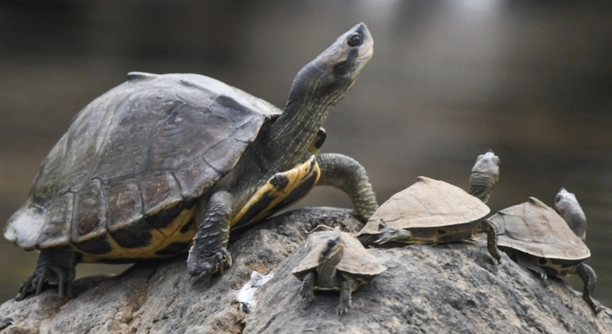
An overcrowded Indian roofed tortoise tank can cause stress for your pet, leading to health issues. It’s essential to ensure the tank provides the right space for your tortoise to thrive and live comfortably.
To reduce overcrowding in your tortoise tank, create more space by reducing the number of pets, enhancing tank layout, and adding appropriate accessories. Improving ventilation, temperature regulation, and cleaning also contributes to creating a healthier and more spacious environment.
Managing overcrowding is simple once you know the right steps. These simple fixes will make a significant difference in the comfort and wellbeing of your tortoise.
Reduce the Number of Tortoises in the Tank
If you have too many tortoises in one tank, it can quickly become overcrowded. Each tortoise needs space to move around freely. In cramped conditions, they may become stressed, which can lead to health problems like shell deformities or weight loss. It’s important to ensure that each tortoise has enough room to roam, eat, and explore without competing for space or food. Overcrowding can also affect water quality and the effectiveness of heating and lighting, making it harder to maintain ideal living conditions. If you’re unsure, consider rehoming a few tortoises to provide a better environment for the remaining ones.
Removing a few tortoises can vastly improve the space available. Ensuring a healthy living environment is essential for their wellbeing and growth.
By decreasing the number of tortoises, you’ll not only help with overcrowding but also give the remaining tortoises a better chance to thrive. Each one will have room to grow, eat, and relax, which is important for their long-term health.
Improve the Tank Layout
The way you arrange the tank can also make a huge difference. If the layout is cluttered, it might make the space feel even smaller than it actually is. Use the available space wisely by creating different zones for feeding, basking, and hiding. You can place rocks, plants, or other decorations to create a more natural environment. These features also help in providing some privacy for each tortoise, reducing stress. The more efficient your layout, the less crowded the tank will feel.
Rearranging your tank can make it feel less overcrowded and more comfortable for your tortoises.
Make sure the tank layout has enough hiding spots to reduce stress and encourage natural behaviors. You can use caves, logs, and plants to break up the space and create more private areas. Providing these spaces helps tortoises feel safer and more secure in their environment.
Add More Hiding Spots
Adding more hiding spots can reduce the stress caused by overcrowding. It gives each tortoise its own space to retreat to when it feels overwhelmed. You can use rocks, logs, or plants to create these areas. Adding more hiding spots not only makes the tank feel bigger but also helps tortoises feel secure.
When you have multiple tortoises, they may compete for limited hiding spots, leading to fights or stress. By adding more options, you ensure that each tortoise has a private retreat. This can be as simple as placing a few plants or small caves around the tank. Make sure the hiding spots are easily accessible for all tortoises.
Each tortoise has its own need for solitude at different times, so more hiding spots ensure they don’t have to wait their turn. The extra spaces also prevent them from feeling threatened or cornered by other tortoises, which can happen if there aren’t enough private areas.
Improve Tank Ventilation
Proper ventilation is key in maintaining a healthy tank, especially when it’s overcrowded. Poor air circulation can lead to high humidity and uncomfortable conditions. This can contribute to respiratory issues and mold growth in the tank. If your tank feels stuffy or there is too much condensation, it’s time to improve the airflow.
Ventilation helps control humidity levels and ensures that your tortoises breathe in fresh, clean air. You can add a small fan, adjust the lid to allow more airflow, or use a tank with better air circulation. Ensure that the air moves freely to prevent stale air from building up.
A well-ventilated tank also promotes healthier living conditions by reducing the risk of bacteria and fungi growth. Proper airflow keeps the temperature stable, which is crucial for your tortoises’ comfort. Without proper ventilation, overcrowding can become even worse, as poor conditions only make stress and health issues more likely.
Add More Substrate
Adding extra substrate to the tank can give your tortoises more room to dig and explore. A thicker layer of substrate allows for natural behaviors, like burrowing, which can reduce stress. It also makes the tank feel less cramped.
Thicker substrate provides more space for your tortoises to engage in natural activities. It also keeps the tank clean by absorbing waste and moisture, which helps maintain a healthy environment. A good depth of substrate allows them to feel more at home in their space.
Ensure Proper Lighting
Proper lighting is crucial for your tortoise’s health, especially when the tank is overcrowded. Without the right balance of light and heat, they might not be able to regulate their body temperature effectively. Ensure that each tortoise has access to enough light to stay healthy.
Tortoises rely on UVB light to process calcium, and overcrowding can make it harder for them to find the right spots under the light. Make sure the lights are evenly distributed across the tank to allow each tortoise to bask. This will also help maintain a consistent temperature gradient.
Keep the Tank Clean
Keeping the tank clean helps avoid bacterial growth and ensures that your tortoises stay healthy. With overcrowding, waste can accumulate faster, leading to poor air quality and possible infections. Regular cleaning is essential to maintain good conditions.
Ensure that you clean the tank at least once a week. Remove waste, uneaten food, and debris to keep the water and substrate fresh. Overcrowding increases the amount of waste produced, so more frequent cleaning may be necessary. A clean environment will help prevent stress and health issues for your tortoises.
FAQ
How many tortoises can be kept in one tank?
The number of tortoises you can keep in a tank depends on the tank size. A general rule is that each tortoise needs at least 10-20 gallons of space. For example, a 40-gallon tank can comfortably hold two small tortoises. However, overcrowding can lead to stress, territorial issues, and health problems. Always consider the size and species of the tortoises you’re keeping when determining the ideal tank size.
Can overcrowding cause health problems for my tortoises?
Yes, overcrowding can lead to various health issues. When there’s not enough space, tortoises may experience stress, leading to weakened immune systems. Stress can also result in behaviors like aggression, which can cause injuries. Additionally, poor ventilation and increased waste can affect the air quality, leading to respiratory problems and infections.
How do I know if my tortoise tank is overcrowded?
Signs of overcrowding include tortoises constantly fighting, visibly stressed or lethargic behavior, and difficulty accessing food or basking areas. If the tank seems cramped and your tortoises are showing signs of aggression or stress, it’s likely overcrowded. You should also notice a decline in overall tank cleanliness as waste builds up more quickly.
How often should I clean my overcrowded tortoise tank?
For an overcrowded tank, cleaning should be done more frequently—at least once a week. More tortoises produce more waste, which can quickly deteriorate the tank’s conditions. Regularly removing uneaten food, waste, and debris is crucial to maintaining a healthy environment. If the tank has more than one or two tortoises, consider spot-cleaning more often between deep cleans.
What are the best hiding spots for tortoises in an overcrowded tank?
Tortoises need their own space to retreat and feel safe. You can use rocks, logs, caves, or even DIY hides made from cardboard or plastic containers. These hiding spots give them a chance to escape from the others when they feel threatened or stressed. It’s best to place hiding spots in different areas of the tank to avoid competition.
Should I add more plants to an overcrowded tortoise tank?
Adding more plants can help provide additional hiding spots and create a more natural environment. Live plants also help absorb waste, reduce humidity, and improve air quality. However, ensure the plants are safe for tortoises and non-toxic. Avoid any plants that could harm them if ingested.
Can I use a larger tank to fix overcrowding?
A larger tank is a good way to address overcrowding, but it might not be the only solution. Simply increasing the tank size won’t fix all the problems. You should also focus on improving the tank’s layout, providing adequate hiding spots, and maintaining proper ventilation and lighting.
How do I control the temperature and humidity in an overcrowded tank?
In an overcrowded tank, maintaining the right temperature and humidity is crucial. Overcrowding can affect the tank’s climate, so make sure to monitor both with a thermometer and hygrometer. Use heat lamps to create a basking area and adjust humidity with water trays or a misting system. Ensure that each tortoise can access the heat and humidity it needs for proper thermoregulation.
Is it better to have fewer tortoises in a larger tank or more tortoises in a smaller tank?
It’s better to have fewer tortoises in a larger tank. Overcrowding a smaller tank with too many tortoises can lead to stress, aggression, and health problems. A larger tank provides enough space for each tortoise to roam, eat, and find a private space. This setup is healthier for the tortoises and easier for you to maintain.
How do I handle aggression in an overcrowded tank?
Aggression is common in overcrowded tanks due to limited space and resources. If you notice fighting, separate the tortoises and re-evaluate the tank’s layout and number of residents. Provide more hiding spots, adjust the food and basking areas, and consider reducing the number of tortoises. Sometimes, rehoming a tortoise or dividing the tank into sections can help reduce tension.
Can I keep different species of tortoises in the same tank?
It’s generally not recommended to house different species of tortoises in the same tank. Different species have varying space, diet, and temperature needs. Housing them together can lead to competition for resources and stress. If you do keep multiple species, ensure that you can meet the needs of each one and monitor their interactions closely.
How can I improve the quality of air in an overcrowded tortoise tank?
Improving air quality in an overcrowded tank requires proper ventilation. You can increase airflow by using fans, adjusting the tank’s lid, or investing in a tank with built-in ventilation. Regular cleaning also helps, as it prevents waste from building up and affecting air quality. Proper humidity control is also essential for maintaining good air conditions.
Is it necessary to add more lighting to an overcrowded tank?
Yes, adding extra lighting can help if your tank is overcrowded. Tortoises need UVB light for proper calcium absorption, and overcrowding can make it harder for each one to access adequate lighting. Ensure that each tortoise has a chance to bask under the light. You may need to add more lamps or reposition them to evenly distribute light across the tank.
Final Thoughts
Overcrowding in a tortoise tank can be stressful for your pets, affecting their overall health and wellbeing. When multiple tortoises are kept in a confined space, it leads to a number of issues, including competition for food, basking spots, and hiding areas. Tortoises may become aggressive or withdrawn due to the lack of personal space, which can result in injuries or stress. Overcrowding also makes it harder to maintain clean, balanced tank conditions, contributing to poor air quality, excessive humidity, and bacterial growth. These factors can weaken their immune system, making them more prone to illness.
The good news is that simple changes can make a big difference in improving the living conditions for your tortoises. Start by reducing the number of tortoises in the tank, or consider dividing them into separate enclosures if necessary. Providing enough space for each tortoise to move freely is essential for their mental and physical health. Creating hiding spots, improving ventilation, and maintaining proper temperature and humidity levels can also help to ease the overcrowding issue. When you ensure that each tortoise has access to food, space, and comfort, you’ll notice a positive change in their behavior and health.
Ultimately, taking the time to adjust your tortoise tank setup and provide an appropriate living space for each animal is vital for their long-term well-being. Addressing overcrowding doesn’t need to be complicated—small adjustments, like rearranging the tank, adding more substrate, or adjusting the lighting, can go a long way. A clean, spacious, and well-equipped tank will help your tortoises thrive. By focusing on their needs, you can create an environment that promotes healthy growth, reduces stress, and ensures they live a happy, active life.

Hello,
If you enjoy the content that we create, please consider saying a "Thank You!" by leaving a tip.
Every little bit helps us continue crafting quality advice that supports the health, happiness, and well-being of pets around the world, for pets of all shapes, sizes, and species.
We really appreciate the kindness and support that you show us!