
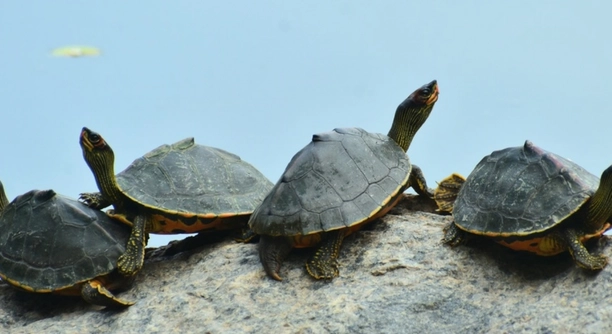
Are your Indian roofed tortoise’s eyes looking a little off? Like all pets, the health of your tortoise’s eyes is essential for its well-being. In this article, we’ll cover the signs to look for and how to keep those eyes in top shape.
Healthy eyes in an Indian roofed tortoise are clear, bright, and free from discharge. Red or cloudy eyes, swelling, or crustiness can indicate infection or injury. Regular observation and quick action can prevent serious health issues.
Keeping an eye on these symptoms will help you identify potential health concerns. It’s crucial to stay informed about how to properly care for your tortoise’s eyes and overall health.
Common Signs of Eye Problems in Indian Roofed Tortoises
When you notice changes in your tortoise’s eyes, it’s important to act fast. Common signs of eye issues include redness, cloudiness, or excessive discharge. If the eyes are swollen or seem partially closed, it could be a sign of an infection. Another symptom to look for is a white or grayish film over the eye. This could indicate that your tortoise is suffering from an eye infection or possibly a more serious health condition. A change in behavior, like your tortoise becoming more reclusive or rubbing its eyes, can also signal discomfort. Be aware of these changes as early intervention can help prevent further complications.
Checking your tortoise’s eyes regularly is a good practice to ensure its health. Eyes that remain clear and bright are often a sign of a healthy tortoise.
If you notice any of these warning signs, it’s time to act. The sooner you can address eye issues, the better. If the problem persists or worsens, consult a vet who can assess your tortoise’s condition and provide appropriate treatment. Regular monitoring and prompt attention can prevent severe damage to their delicate eyes.
How to Prevent Eye Problems
A healthy environment is key to keeping your tortoise’s eyes in good condition. The enclosure should be free of dust and debris, which can irritate the eyes. Make sure there is enough humidity, as dry conditions can lead to eye problems. A proper diet, rich in vitamins and minerals, supports overall health, including eye function. Overexposure to bright light or direct sunlight can also harm their eyes, so it’s important to provide a shaded area.
Proper habitat conditions play a huge role in eye health. A balanced diet combined with the right environmental setup reduces the risk of eye infections or other eye-related issues. Make sure your tortoise has access to clean water and fresh food daily.
Maintaining a well-maintained habitat goes beyond just providing a place for your tortoise to roam. Proper lighting, humidity, and temperature control are essential for preventing stress and eye irritation. A tortoise exposed to unhealthy conditions is more likely to experience eye problems. To avoid this, ensure your tortoise’s enclosure is set up to meet its specific needs.
When to Seek Veterinary Help
If the eye problem doesn’t improve within a couple of days, it’s best to consult a vet. Persistent discharge, swelling, or cloudiness often require professional treatment. Ignoring these symptoms can lead to permanent damage. Prompt attention from a veterinarian can help ensure your tortoise recovers fully without complications.
Veterinarians can offer specific treatments for infections or injuries that may not be apparent to an untrained eye. They may recommend medication, eye drops, or other treatments to help your tortoise heal. Regular checkups are also important for preventing eye problems in the future. The sooner an issue is addressed, the better.
Eye health in tortoises is often linked to overall well-being. If left untreated, eye conditions can worsen quickly, sometimes leading to more severe problems like loss of vision. It’s essential to act early. A vet’s diagnosis can determine the best course of action, whether it’s antibiotics, special care, or changes in environment or diet.
The Role of Diet in Eye Health
A balanced diet is critical in preventing eye problems in your tortoise. Nutrient deficiencies, particularly in vitamin A, can lead to eye issues such as dryness, swelling, or even blindness. Feed your tortoise a variety of fresh vegetables, fruits, and high-quality pellets to provide essential nutrients.
Foods rich in vitamin A, like carrots and dark leafy greens, should be included regularly. Vitamin A supports good vision and overall health. Offering a variety of foods ensures your tortoise gets all the necessary vitamins and minerals. Some tortoises may require supplements, but this should be discussed with your vet to avoid over-supplementing.
A well-balanced diet doesn’t just improve eye health but also boosts your tortoise’s immune system. A strong immune system helps fight off infections, reducing the chances of eye problems. Adding foods with high moisture content can also help keep the eyes from drying out. Make sure to offer fresh food daily for optimal health.
Cleaning Your Tortoise’s Eyes
Cleaning your tortoise’s eyes can be a simple task when done properly. If you notice any discharge or crustiness around the eyes, gently wipe it away using a clean, damp cloth. Avoid using harsh chemicals, as they may irritate the eyes.
Use warm, distilled water to clean the eyes. Never use tap water, as it may contain chemicals that could cause irritation. Clean the area around the eyes carefully, making sure not to put pressure on the eye itself. If there is persistent discharge, this could be a sign of infection.
If the eyes remain irritated after cleaning, or the discharge returns, it could indicate a more serious problem that requires veterinary attention. Proper eye cleaning can help prevent infections from developing, but it’s essential to monitor for signs of trouble regularly.
Enclosure Conditions for Healthy Eyes
A clean and properly set-up enclosure is key to keeping your tortoise’s eyes healthy. Avoid placing your tortoise in an area with too much dust or dirt, as this can irritate their eyes. Make sure the space is well-ventilated.
Keeping your tortoise’s living space clean can prevent bacteria from affecting its health. Regularly wipe down surfaces and change the bedding as needed. A dry or excessively humid environment can also cause discomfort to their eyes. Ensure that the temperature and humidity levels are balanced. These conditions will help keep your tortoise safe from eye problems.
Temperature and Lighting
Ensure that your tortoise’s environment has proper temperature and lighting. Too much direct sunlight or too little UV light can cause eye issues. Make sure to have a balanced lighting setup, offering both basking spots and shaded areas.
Having the right temperature range is just as important as the right light. It helps your tortoise regulate its body and keep its eyes healthy. Consider using a UVB light for proper vitamin D3 synthesis, but avoid harsh lights that could harm the eyes.
FAQ
What should I do if my tortoise’s eyes are swollen?
Swollen eyes in tortoises are often a sign of an infection, injury, or irritation. If you notice swelling, it’s important to inspect the eyes for any discharge, crustiness, or other signs of infection. If swelling is accompanied by these symptoms, clean the area with warm, distilled water and gently wipe away any debris. If the swelling doesn’t go down after a day or two, or if the eye seems cloudy, seek veterinary help. A vet can prescribe the necessary treatment, such as antibiotics or eye drops, to address the issue.
How can I tell if my tortoise’s eyes are infected?
Infected eyes in tortoises may appear red, swollen, or cloudy. You may also notice excessive discharge, which could be clear, yellow, or even green, depending on the severity of the infection. If your tortoise is squinting or keeping one eye closed, it might be in pain or discomfort. An infection can lead to more serious complications if untreated, including permanent damage to the eye. If you suspect an infection, contact a veterinarian immediately for proper diagnosis and treatment.
Can vitamin A deficiency cause eye problems in my tortoise?
Yes, a vitamin A deficiency can lead to serious eye problems in tortoises. Vitamin A is essential for maintaining healthy vision and preventing eye infections. If your tortoise is not getting enough vitamin A from its diet, it may experience symptoms like swollen, cloudy, or dry eyes. To prevent deficiencies, offer foods rich in vitamin A, such as carrots, kale, and dandelion greens. If your tortoise continues to have eye problems despite dietary changes, consult a vet for advice on supplementation.
Is it normal for a tortoise to have cloudy eyes?
Cloudy eyes are not normal and may signal a health problem. In some cases, cloudy eyes may be caused by an infection or a vitamin A deficiency. Another possible cause is a condition called ocular opacity, which can result from trauma or dehydration. If your tortoise’s eyes appear cloudy, it’s best to seek veterinary advice as soon as possible. The vet can determine the cause and suggest a treatment plan to restore the tortoise’s eye health.
How do I clean my tortoise’s eyes properly?
Cleaning your tortoise’s eyes is simple but requires care. If you notice discharge or debris around the eyes, dampen a clean cloth with warm, distilled water. Gently wipe the area around the eye to remove any buildup. Avoid applying pressure to the eye itself. Never use tap water, as the chemicals in it can irritate your tortoise’s eyes. If discharge persists or the eye appears swollen, cloudy, or painful, consult a vet.
Can stress affect my tortoise’s eyes?
Yes, stress can lead to various health issues in tortoises, including eye problems. A stressed tortoise may exhibit behavior such as hiding, loss of appetite, and more frequent eye irritation. Stress can weaken the immune system, making it harder for your tortoise to fight off infections, including those affecting the eyes. To minimize stress, make sure your tortoise’s habitat is quiet, clean, and provides enough space for it to roam and bask. Avoid sudden changes in temperature or lighting that may stress it further.
What are the signs of dehydration in tortoises?
Dehydration can cause a range of issues for tortoises, including dry or sunken eyes. You may also notice your tortoise becoming lethargic, having difficulty moving, or not eating or drinking. Dehydration often occurs when your tortoise is not receiving enough water or is kept in an environment with inadequate humidity. To prevent dehydration, offer fresh water daily and ensure that the humidity levels in the enclosure are appropriate. If dehydration continues, consult a vet for advice and possible treatment.
Why is my tortoise rubbing its eyes?
Rubbing its eyes can be a sign that your tortoise is experiencing discomfort or irritation. This may be due to foreign debris, an infection, or dry conditions in the environment. If your tortoise is rubbing its eyes frequently, check for any signs of discharge, redness, or swelling. If the irritation persists, clean the area with warm, distilled water, and ensure that the habitat is properly set up with correct humidity and temperature. If the rubbing continues or worsens, seek veterinary help.
How can I prevent eye infections in my tortoise?
Preventing eye infections begins with maintaining a clean environment for your tortoise. Regularly clean the enclosure, remove waste, and change the bedding to avoid bacterial growth. Ensure your tortoise has access to clean water and a healthy diet rich in vitamins and minerals, particularly vitamin A. Proper humidity and temperature control are also essential. Additionally, avoid exposing your tortoise to harsh chemicals or excessive dust, which can irritate the eyes and lead to infections.
Is it normal for my tortoise to squint one eye?
Squinting one eye may be a sign of discomfort or pain. If your tortoise is squinting, inspect the eye for any visible signs of infection, such as redness, cloudiness, or discharge. Squinting can also be a response to bright lights or an attempt to protect the eye from dust or debris. If the squinting persists or is accompanied by other symptoms, such as swelling or discharge, consult a veterinarian for a thorough examination and treatment.
Final Thoughts
Taking care of your Indian roofed tortoise’s eyes is crucial for its overall health and well-being. Their eyes can tell you a lot about their condition, and noticing any changes early on can make a big difference. Whether it’s swelling, discharge, or cloudiness, each symptom should be taken seriously. The good news is that many eye issues can be treated, especially when caught early. Simple steps like cleaning around the eyes, maintaining proper enclosure conditions, and ensuring a balanced diet can go a long way in preventing problems. Keeping an eye on these signs will help you act fast and give your tortoise the best chance for a full recovery.
Regular monitoring of your tortoise’s eyes should be part of your routine care. By checking for any unusual symptoms and maintaining a clean environment, you can minimize the risk of infections or injuries. Healthy eyes are often a reflection of a well-maintained habitat and proper diet. Providing your tortoise with a variety of vitamin-rich foods, such as leafy greens and carrots, will help support its eye health and overall immunity. Consistent care in these areas can prevent many common eye problems, allowing your tortoise to thrive.
However, if you notice that the symptoms don’t improve or worsen despite your efforts, it’s important to consult a veterinarian. Eye problems can sometimes be a sign of a more serious health issue, and a professional diagnosis is the best way to ensure your tortoise gets the right treatment. With the right care, your Indian roofed tortoise can enjoy good health, including clear and bright eyes, for many years to come. By staying informed and attentive to your tortoise’s needs, you can help it live a long, happy life.

Hello,
If you enjoy the content that we create, please consider saying a "Thank You!" by leaving a tip.
Every little bit helps us continue crafting quality advice that supports the health, happiness, and well-being of pets around the world, for pets of all shapes, sizes, and species.
We really appreciate the kindness and support that you show us!