
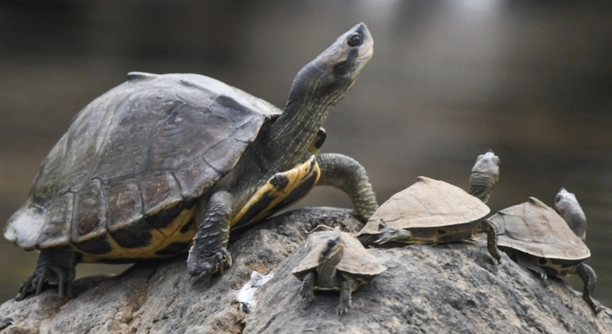
If you’re a proud owner of an Indian Roofed Tortoise, you may have noticed that its scales are not looking as healthy as they once did. Scales are essential for their protection and well-being, so it’s important to understand what could be causing this issue.
The loss of scales in an Indian Roofed Tortoise can be caused by factors such as improper habitat conditions, poor diet, stress, or skin infections. In some cases, shedding is a normal part of growth, but persistent shedding requires attention.
Understanding the causes of scale loss will help you take the right steps to care for your tortoise. Taking quick action can lead to improvements in their health and overall comfort.
Improper Habitat Conditions
Your Indian Roofed Tortoise needs a warm, humid environment to stay healthy. If the temperature or humidity levels in their enclosure aren’t correct, it can cause stress on their skin and lead to scale loss. A dry, cool environment can prevent proper shedding and result in unhealthy scales. Maintaining a stable temperature between 80-85°F (27-29°C) during the day and slightly cooler at night is essential. The humidity level should be kept around 60-80% to mimic their natural habitat. If the habitat is too dry or too cold, it may lead to dehydration, skin shedding issues, and other health problems.
Improper habitat conditions can have long-term effects on your tortoise’s health. Make sure you’re monitoring the temperature and humidity regularly to create a stable and comfortable environment for them.
To improve the habitat, you may want to invest in a reliable thermometer and hygrometer. Adding a humidifier or misting the enclosure with water can help maintain moisture. You should also ensure there is enough space for your tortoise to move around comfortably. If their enclosure is too small, it could cause stress, which contributes to the skin problems you’re seeing. If you’re unsure about the temperature or humidity in your tortoise’s enclosure, consider adjusting the setup until it’s just right for them.
Poor Diet
A poor diet can also affect your tortoise’s skin health. If they aren’t getting enough vitamins or minerals, their scales may start to shed prematurely.
Feeding your tortoise a varied diet is essential for their health. Make sure they’re getting enough fiber from dark leafy greens, as well as calcium and other nutrients from a balanced mix of vegetables and fruits. A lack of essential nutrients can weaken the skin, leading to scale loss or other issues.
Stress
Stress can be a major factor in scale loss for your tortoise. When they feel threatened or uncomfortable, it can manifest in physical symptoms like shedding scales. Stress can stem from a variety of sources, including sudden changes in their environment, loud noises, or the presence of other animals.
It’s important to minimize stress in your tortoise’s life. If they feel threatened by other pets or are constantly handled, they may experience anxiety, leading to shedding issues. Providing a quiet, peaceful space for them is crucial. Tortoises also need time to themselves, so avoid overhandling them.
Another cause of stress could be a lack of hiding spots. These tortoises naturally seek shelter when they feel vulnerable, and without hiding places, they may become anxious. Offering safe, secure spaces where they can retreat and rest is essential for reducing stress and promoting healthy skin. You can also try keeping their environment calm by limiting loud noises or disturbances around them.
Skin Infections
Skin infections can cause your tortoise’s scales to fall off. These infections are often caused by bacteria or fungi. If your tortoise’s skin is wet for too long or there’s poor ventilation, it can create the perfect environment for infections.
Look out for signs of swelling, redness, or unusual discharge. These could be indicators of an infection. If you suspect an infection, it’s best to consult a vet right away. The longer it goes untreated, the more damage it can cause to your tortoise’s skin and overall health.
In some cases, poor hygiene in the enclosure can contribute to skin infections. Regularly cleaning the habitat and removing waste will reduce the risk of infection. Also, try not to over-moisturize the enclosure, as excess moisture can encourage bacterial or fungal growth.
Nutritional Deficiency
A lack of essential nutrients can contribute to skin issues and scale loss in tortoises. A poor diet, especially low calcium and vitamin A, can weaken their skin.
FAQ
What causes my Indian Roofed Tortoise to shed its scales?
There are several reasons your tortoise might shed scales. It could be due to a natural shedding process, especially as they grow. However, if it’s happening excessively, it could indicate issues such as poor diet, improper habitat conditions, stress, or skin infections. Make sure your tortoise has the right environment, with appropriate humidity and temperature, a balanced diet, and minimal stress. If problems persist, it’s always a good idea to consult a vet to rule out any infections or underlying health concerns.
How do I know if my tortoise’s scale loss is due to stress?
Stress can show up as sudden, excessive shedding of scales. If your tortoise is exposed to loud noises, sudden changes, or other animals in its space, it can feel stressed. Other signs of stress include decreased appetite, lack of movement, or hiding more than usual. To reduce stress, ensure their environment is quiet, stable, and comfortable. Give them plenty of space and time to rest without unnecessary handling.
Can a poor diet cause scale loss?
Yes, a poor diet can definitely contribute to scale loss in your tortoise. A lack of essential nutrients like calcium, vitamin A, and fiber can weaken the skin and lead to shedding issues. To avoid this, make sure your tortoise is eating a variety of leafy greens, vegetables, and occasional fruits. A calcium supplement may also be needed to ensure they’re getting enough of this vital nutrient for healthy shell and skin development.
What’s the best way to maintain the correct humidity for my tortoise?
Maintaining the right humidity is crucial for your tortoise’s health. Use a hygrometer to monitor humidity levels, aiming for 60-80% humidity. You can achieve this by misting their enclosure regularly or using a humidifier. Additionally, providing a water dish that they can soak in helps maintain proper hydration, which can prevent scale shedding. If you find your enclosure too dry, adjust your methods to increase humidity.
Should I take my tortoise to a vet if it’s losing scales?
If your tortoise is losing scales consistently or showing other signs of distress, it’s a good idea to consult a vet. While occasional shedding can be normal, excessive or abnormal scale loss may signal a health problem such as an infection, nutritional deficiency, or other underlying conditions. A vet can help diagnose the issue and suggest proper treatment.
How can I ensure my tortoise is eating the right foods for healthy skin?
A proper diet is key for maintaining your tortoise’s skin health. Make sure they get a variety of leafy greens like kale, collard greens, and dandelion greens. These provide essential vitamins and minerals. Avoid feeding them too many fruits or high-fat foods, as this can upset their nutritional balance. You can also add calcium supplements, especially for adult tortoises, to support their skin and shell health.
What temperature is best for my tortoise’s habitat?
To maintain healthy skin, your tortoise’s habitat should be kept at a consistent temperature. Daytime temperatures should be between 80-85°F (27-29°C), with a slightly cooler nighttime temperature. If the enclosure is too cold, your tortoise may become stressed or sick. A heat lamp or ceramic heater can help maintain the warmth they need. Be sure to avoid temperature extremes, as they can lead to health issues, including skin problems.
How often should I clean my tortoise’s enclosure to prevent skin problems?
Regular cleaning of your tortoise’s enclosure is essential to avoid infections and skin issues. You should clean their habitat at least once a week, removing waste, uneaten food, and any old bedding. Spot cleaning daily is a good idea to keep the environment fresh and hygienic. Be sure to replace the substrate regularly, especially if it becomes wet or soiled, as bacteria can grow in moist conditions and lead to infections.
Can bathing my tortoise help with skin health?
Yes, bathing your tortoise in lukewarm water can help with skin hydration. It allows them to soak, which aids in proper shedding and keeps their skin moisturized. However, be sure not to soak them for too long, as excessive moisture can lead to skin infections. A bath once a week or as needed should be sufficient. Always make sure the water is shallow enough for them to stand in, and never leave them unattended during a bath.
Is scale loss a sign of a serious health problem?
Scale loss can sometimes be a sign of a health issue, especially if it happens regularly or is accompanied by other symptoms like lethargy, loss of appetite, or swelling. It could indicate something as simple as a habitat issue or dietary imbalance, but in some cases, it may point to infections or other medical conditions. It’s always safest to consult with a vet to determine the exact cause and receive the appropriate treatment.
Can I prevent my tortoise from losing scales?
While some scale shedding is natural, you can minimize excessive loss by maintaining proper habitat conditions, feeding a balanced diet, reducing stress, and keeping their enclosure clean. Providing a calm environment, proper humidity levels, and essential nutrients will go a long way in preventing skin issues. Regular check-ups with a vet can help detect any problems early, ensuring your tortoise stays healthy and their scales remain intact.
Final Thoughts
Taking care of an Indian Roofed Tortoise involves attention to several factors that contribute to their overall well-being. While scale loss can sometimes be a normal part of their growth, it’s important to keep an eye out for signs of excessive or abnormal shedding. If your tortoise is losing scales due to improper habitat conditions, poor diet, or stress, taking action quickly can prevent further health issues. A healthy environment, proper nutrition, and minimizing stress are key to maintaining the health of your tortoise’s skin and overall condition.
It’s also essential to monitor your tortoise for other possible signs of illness, such as lethargy, changes in appetite, or unusual behavior. If you notice any of these symptoms, it’s a good idea to consult with a veterinarian. Early diagnosis and treatment can help address any health concerns before they worsen. Remember, what may seem like a simple issue with scale loss could sometimes be a sign of a deeper problem that requires professional care. Regular check-ups and maintaining a stable, comfortable environment can help you avoid these issues in the first place.
Caring for an Indian Roofed Tortoise takes patience and observation. By ensuring your tortoise has the right habitat, a balanced diet, and a stress-free environment, you can help them thrive and keep their skin healthy. If you’re ever uncertain, don’t hesitate to seek advice from a vet to ensure your tortoise is getting the best possible care. Taking these steps will not only prevent scale loss but also improve your tortoise’s long-term health and happiness.

Hello,
If you enjoy the content that we create, please consider saying a "Thank You!" by leaving a tip.
Every little bit helps us continue crafting quality advice that supports the health, happiness, and well-being of pets around the world, for pets of all shapes, sizes, and species.
We really appreciate the kindness and support that you show us!