
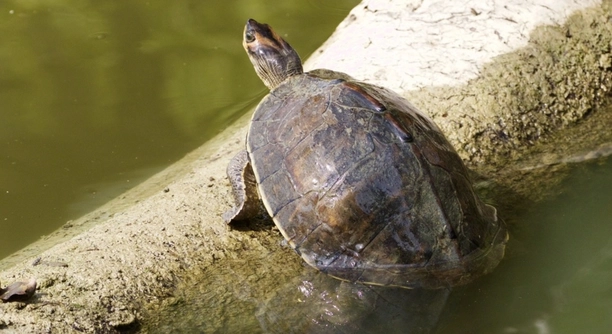
Indian Roofed Tortoises are wonderful pets, but like all reptiles, they need the right care to thrive. Sometimes, growth issues can arise, affecting their health and development. Knowing the signs can help ensure they live a healthy life.
Growth issues in Indian Roofed Tortoises can stem from improper diet, poor habitat conditions, or illness. Signs include stunted growth, abnormal shell development, or weight loss. Identifying these early can help in addressing the problem effectively.
Taking action early can make a significant difference. Addressing the root cause of growth issues will help your tortoise grow strong and healthy.
Identifying Growth Problems in Indian Roofed Tortoises
Growth problems in Indian Roofed Tortoises can often go unnoticed until they start to affect their overall health. One of the first signs to watch for is stunted growth, where your tortoise seems to be growing at a slower pace than usual. This can be due to insufficient diet or inadequate lighting, both of which are essential for proper development. Another thing to look out for is an abnormal shell shape or size. If your tortoise’s shell is uneven, soft, or misshapen, it could be a sign of improper nutrition or a calcium deficiency. It’s also important to check for any signs of weight loss. Healthy tortoises should maintain a consistent weight, and sudden weight loss could indicate a more serious health issue. Pay attention to any other physical or behavioral changes, as these can provide more clues about what might be going wrong.
Recognizing these signs early on can help you take the right steps to address the issue before it worsens. Regularly monitoring your tortoise’s growth is key.
Keeping an eye on your tortoise’s diet is crucial for its proper development. Tortoises need a well-balanced diet rich in leafy greens, vegetables, and the occasional fruit. Calcium is especially important for shell development, so providing a calcium supplement or ensuring access to calcium-rich food can help prevent shell deformities. Alongside a proper diet, ensure your tortoise has access to UVB lighting. UVB rays are necessary for them to synthesize vitamin D3, which is vital for calcium absorption. Without adequate UVB lighting, your tortoise could develop metabolic bone disease, which severely impacts growth. If you notice that your tortoise isn’t growing at the expected rate or exhibits signs of illness, it may be time to reassess their diet and environment. Sometimes a simple adjustment to their lighting or food intake can make all the difference.
Environmental Factors Affecting Growth
Environmental factors play a significant role in the growth and development of your Indian Roofed Tortoise. Temperature and humidity need to be carefully managed to ensure your tortoise’s well-being. A comfortable temperature range for these tortoises is between 80°F and 85°F during the day, with a basking spot reaching around 90°F. The humidity level should also be kept between 50-60% to support proper hydration and overall health. If these conditions are off, your tortoise may become stressed, leading to a halt in growth or even health issues.
Inadequate habitat conditions, such as improper substrate or insufficient space, can further worsen growth problems. Tortoises require an area to roam, dig, and hide, which helps them feel secure and comfortable.
By maintaining the right environment, your tortoise will have the best chance to thrive and grow at a healthy rate. Providing the proper habitat allows them to absorb nutrients and experience natural behaviors that contribute to their well-being.
Diet and Nutrition for Healthy Growth
Proper nutrition is essential for your Indian Roofed Tortoise’s growth. A balanced diet rich in fiber, calcium, and essential vitamins helps maintain a healthy shell and overall well-being. Providing a variety of leafy greens, vegetables, and some fruits ensures your tortoise receives the nutrients it needs.
The most important aspect of their diet is calcium, which supports shell development and bone health. Without enough calcium, your tortoise may experience shell deformities. Alongside calcium, they also need vitamin D3, which can be absorbed from UVB light. Ensure that their diet includes high-fiber vegetables like dandelion greens, kale, and collard greens to promote healthy digestion.
A poor diet can lead to serious health issues. If your tortoise is eating the same foods daily, it might not be getting the full range of nutrients. Incorporating variety is crucial for preventing deficiencies and ensuring proper growth. Adding calcium supplements can be helpful if the diet doesn’t meet your tortoise’s needs. Regularly check that they are getting the right nutrition to stay healthy.
Health Concerns That Affect Growth
Health problems can greatly impact the growth of your tortoise. Parasites, infections, and metabolic bone disease are just a few of the issues that could cause growth problems. If you notice unusual behavior like lethargy or a lack of appetite, it might be a sign that something is wrong.
Metabolic bone disease, often caused by a lack of UVB lighting or calcium, affects the tortoise’s ability to properly absorb nutrients, leading to deformities and slow growth. Signs of this condition include soft or brittle shells and swollen limbs. Parasitic infections, such as those caused by mites or worms, can also lead to weight loss and stunted growth. If left untreated, these infections could be harmful.
If you suspect a health issue, it’s crucial to take your tortoise to the vet for proper diagnosis and treatment. Early detection can help prevent more severe complications and ensure that your tortoise continues to grow strong and healthy.
Temperature and Lighting
Temperature and lighting are crucial for your tortoise’s growth. Without the proper conditions, their metabolism can slow down, affecting their overall development. Make sure your tortoise has access to a warm basking area with temperatures reaching around 90°F and a cooler area to regulate body heat.
UVB lighting is just as important. It helps your tortoise produce vitamin D3, which is necessary for calcium absorption. Without UVB light, they can suffer from metabolic bone disease and stunted growth. Replace UVB bulbs regularly to ensure your tortoise is getting the proper amount of exposure.
Proper lighting and temperature help keep your tortoise active and healthy. Make adjustments if needed to ensure your tortoise’s growth is not hindered by environmental factors.
Common Shell Issues
Shell deformities are common signs of growth problems in tortoises. Soft shells, uneven growth, or pyramiding can occur due to insufficient calcium intake or improper UVB lighting. These issues can affect your tortoise’s shell structure and growth rate.
Shell pyramiding is often caused by a lack of proper nutrition or too little UVB exposure. When tortoises don’t get enough calcium or vitamin D3, their shells may become raised and uneven. This not only affects the appearance of their shell but can also cause long-term health problems if not corrected. It’s important to maintain a proper diet and lighting to prevent these issues.
Weight Loss Concerns
Weight loss is a key indicator of growth issues in tortoises. If your tortoise is losing weight without explanation, it could point to a health or environmental problem. Check if they’re eating enough and if their habitat is optimal for growth.
Stress, poor diet, or health problems like infections can lead to weight loss. If weight loss continues despite proper care, a visit to the vet is necessary. A professional will help diagnose the issue and guide you on how to fix it, ensuring your tortoise can grow at a healthy rate.
FAQ
How can I tell if my tortoise is not growing properly?
If your tortoise is not growing properly, you may notice it’s smaller than expected for its age, has a soft or misshapen shell, or seems lethargic. If the growth rate seems slow, it could be due to poor diet, insufficient UVB lighting, or inadequate temperature in its habitat. Additionally, if your tortoise isn’t eating enough, it might be a sign of a health issue or environmental problem. Monitoring their behavior and physical condition closely can help you identify these issues early.
What is the best diet for an Indian Roofed Tortoise?
A healthy diet for your Indian Roofed Tortoise should consist primarily of leafy greens, such as dandelion greens, collard greens, and kale, alongside other vegetables like squash, carrots, and bell peppers. They should have occasional fruits, like strawberries or melons, but in moderation due to the sugar content. It’s essential to provide calcium-rich foods or supplements to prevent shell deformities and metabolic bone disease. Avoid feeding your tortoise high-oxalate foods, like spinach, which can interfere with calcium absorption.
How do I provide the right UVB lighting?
UVB lighting is crucial for your tortoise to produce vitamin D3, which aids in calcium absorption. You should use a high-quality UVB bulb specifically designed for reptiles. Make sure the UVB light is placed in a position where your tortoise can bask under it for 10-12 hours a day. Replace the bulb every 6 months, as the UVB output decreases over time. Position the light about 6-12 inches above the basking area to ensure proper exposure. UVB exposure is important for proper shell growth and overall health.
What are the signs of metabolic bone disease in tortoises?
Metabolic bone disease (MBD) is common in tortoises that do not receive enough UVB light or calcium in their diet. Symptoms include soft or rubbery shells, swollen limbs, and difficulty moving. A tortoise with MBD may also have deformed shells or a hunched appearance. If you notice these symptoms, it’s crucial to adjust the diet and lighting immediately and take your tortoise to a vet for treatment. MBD is serious and can lead to permanent damage if not addressed.
Can a tortoise’s shell become deformed if it isn’t growing properly?
Yes, a tortoise’s shell can become deformed if it isn’t growing properly, usually due to improper nutrition, lack of calcium, or insufficient UVB exposure. This condition, known as pyramiding, causes the shell to grow unevenly and can be a sign of poor diet or environmental stress. To prevent shell deformities, ensure your tortoise gets a balanced diet rich in calcium and vitamin D3, and provide proper UVB lighting and temperature. Early intervention can prevent severe deformities and promote healthy shell growth.
How often should I feed my Indian Roofed Tortoise?
Indian Roofed Tortoises should be fed daily, with a variety of leafy greens and vegetables. The amount of food depends on the size and age of your tortoise, but generally, they should be offered food that is roughly the size of their shell. Be mindful of the food’s nutritional balance and avoid overfeeding them. If your tortoise is a juvenile, they may need more food than an adult. You can offer food once or twice a day for young tortoises, while adults can typically be fed once a day.
What are the best temperature and humidity levels for my tortoise?
The ideal temperature for an Indian Roofed Tortoise should range between 80°F and 85°F during the day, with a basking spot around 90°F. At night, the temperature can drop to around 75°F. Humidity should be maintained between 50-60%. If the humidity is too low, your tortoise may suffer from dehydration or respiratory problems, and if it’s too high, they could develop fungal infections. Proper heating and humidity levels are essential for healthy growth and digestion, so be sure to regularly monitor and adjust the conditions in their habitat.
How long does it take for an Indian Roofed Tortoise to grow to full size?
Indian Roofed Tortoises typically reach their full size between 10 and 15 years of age, with males being slightly smaller than females. During the first few years, they grow rapidly but slow down as they approach maturity. However, providing the proper care, including a healthy diet, proper lighting, and temperature, can help them grow at a steady and healthy rate. If your tortoise’s growth rate is slower than expected, it could be due to environmental factors or diet deficiencies.
How can I tell if my tortoise is getting enough calcium?
If your tortoise is not getting enough calcium, it may show signs like soft, brittle, or misshapen shells. You might also notice it becoming more lethargic or not eating as much. To ensure proper calcium intake, provide calcium-rich foods like dark leafy greens, and consider adding calcium supplements to their diet. Offering a calcium block or dusting their food with a calcium powder can also help. Make sure your tortoise has access to proper UVB lighting, which helps with calcium absorption.
What should I do if my tortoise stops eating?
If your tortoise stops eating, it could be a sign of stress, illness, or environmental problems. First, check if the temperature and humidity in their enclosure are correct, as improper conditions can cause a lack of appetite. If their habitat is fine, assess their diet and ensure they’re getting a variety of nutritious foods. If your tortoise continues to refuse food, consult a veterinarian, as this could be a sign of a health issue that needs immediate attention.
Final Thoughts
Taking care of an Indian Roofed Tortoise involves attention to several factors, from their diet and habitat to proper lighting and temperature. Each aspect plays an important role in their growth and overall well-being. If your tortoise is showing signs of growth issues, early intervention is key to preventing further problems. By keeping a close eye on their behavior, eating habits, and physical condition, you can catch potential issues before they escalate into something more serious. With the right care, your tortoise can grow healthy and strong.
It’s also important to understand that growth rates can vary among individual tortoises, so don’t expect all tortoises to develop at the same pace. However, if you notice any abnormal signs such as stunted growth, weight loss, or shell deformities, it’s worth investigating the possible causes. A proper diet, which includes calcium and vitamin D3, is essential for maintaining a healthy shell and strong bones. UVB lighting is also necessary to help your tortoise absorb calcium and prevent conditions like metabolic bone disease. Make sure their environment, including temperature and humidity, is optimized for their specific needs.
Ultimately, being attentive and proactive about your tortoise’s care will ensure that they grow to their full potential. If growth problems persist despite making adjustments to their diet or environment, seeking professional help from a veterinarian is important. A vet can help diagnose any underlying health conditions and provide guidance on how to correct the problem. By creating a supportive and well-maintained habitat, you give your Indian Roofed Tortoise the best chance to thrive and live a healthy, happy life.

Hello,
If you enjoy the content that we create, please consider saying a "Thank You!" by leaving a tip.
Every little bit helps us continue crafting quality advice that supports the health, happiness, and well-being of pets around the world, for pets of all shapes, sizes, and species.
We really appreciate the kindness and support that you show us!