
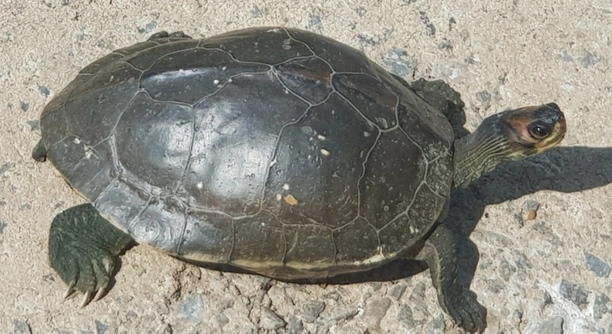
Indian Roofed Tortoises are lovely and low-maintenance pets, but they require specific care to stay healthy. Understanding how to avoid certain mistakes can make a significant difference in their well-being.
Shell rot in Indian Roofed Tortoises is often caused by improper habitat conditions, poor hygiene, and inadequate diet. Common mistakes include damp environments, lack of UVB lighting, and failure to maintain a clean living space.
Knowing the common causes of shell rot helps you take steps to prevent it. By understanding the key factors, you can ensure your tortoise stays healthy and happy. Keep reading to learn more about these critical mistakes.
Poor Habitat Conditions
One of the most common causes of shell rot in Indian Roofed Tortoises is poor habitat conditions. Tortoises need a dry and warm environment to thrive. If their living space is too damp or lacks proper ventilation, it can lead to bacterial or fungal infections. Keeping the enclosure too humid can soften the tortoise’s shell and make it more susceptible to rot. This is why it’s crucial to monitor humidity levels and ensure proper airflow in their habitat.
Maintaining a dry, clean, and warm environment is essential to your tortoise’s health. Using a dehumidifier or ensuring regular cleaning can prevent the growth of harmful bacteria and fungi.
In addition, avoid overcrowding the enclosure. A larger space gives your tortoise room to move freely and keeps its habitat healthier. Properly setting up the enclosure with the right materials can go a long way in preventing shell rot. Keep surfaces dry and replace bedding frequently to avoid moisture buildup, which promotes fungal growth. Ensuring the space is just right will provide your tortoise with the healthiest home possible.
Inadequate UVB Lighting
UVB lighting is essential for your tortoise’s overall health, especially for shell development. Without adequate exposure to UVB, your tortoise cannot properly process calcium, which is necessary for shell growth and strength. Weak bones and soft shells are a direct result of insufficient UVB light.
It’s important to use high-quality UVB bulbs and ensure they are replaced regularly. Over time, UVB lights lose their effectiveness, even if they still appear to be working. Without proper UVB exposure, your tortoise’s shell will be much more prone to developing rot.
Make sure the UVB light is positioned correctly over the basking area, ensuring your tortoise gets the necessary exposure for several hours each day. You should also provide access to natural sunlight when possible, especially during warm months. UVB exposure, combined with a proper diet, helps keep your tortoise’s shell strong and healthy, significantly reducing the risk of shell rot.
Poor Diet
A poor diet can significantly affect your tortoise’s health and lead to shell rot. If your tortoise is not getting the right nutrients, it can develop weak shells that are prone to infection. A lack of calcium is especially harmful, as it plays a vital role in shell strength.
A balanced diet with leafy greens, high-quality grasses, and calcium supplements is essential. Avoid feeding your tortoise too much fruit, as it can lead to obesity and other health problems. Regularly offer a variety of vegetables and ensure they’re properly washed to remove pesticides.
Feeding your tortoise a proper diet doesn’t just help with shell strength. It also ensures their digestive system works efficiently and their overall health is maintained. A healthy tortoise will have a stronger shell that is more resistant to damage and infection, reducing the chances of shell rot developing. Healthy eating habits are crucial for long-term well-being.
Lack of Proper Hydration
Proper hydration is vital for your tortoise’s shell and overall health. Dehydration can cause the shell to become brittle, and it can also lead to other health problems. Tortoises that are not hydrated well enough are more prone to fungal and bacterial infections.
Make sure your tortoise has constant access to clean, fresh water. This will help them stay hydrated and maintain the necessary moisture levels in their body. You can also provide a shallow water dish for your tortoise to soak in, allowing them to rehydrate properly.
In addition, soaking helps with shell health by keeping the skin soft and preventing dryness. Dry, cracked skin can invite bacteria or fungi to invade, leading to shell rot. Regular access to water, both for drinking and soaking, is a simple yet effective way to avoid these risks.
Infrequent Shell Cleaning
Not cleaning your tortoise’s shell regularly can contribute to shell rot. Dirt, bacteria, and fungi can build up on the shell, making it easier for infections to take hold. A clean shell helps prevent these issues and keeps your tortoise healthy.
Clean your tortoise’s shell with a soft, damp cloth. Avoid harsh chemicals or scrubbing too hard, as this could damage their delicate shell. Regularly check for any signs of fungal growth or dirt buildup that could contribute to shell issues.
A quick clean every few days can go a long way in keeping their shell free of harmful bacteria. Don’t forget to also clean the tortoise’s enclosure, as a dirty habitat will only cause more problems.
Inappropriate Bedding
Using the wrong bedding can harm your tortoise’s shell and health. Some bedding materials, like cedar or pine shavings, release oils that can irritate their skin and lead to infections. Stick to safe options like aspen, coconut husk, or paper-based bedding.
A clean, dry bedding is crucial to preventing moisture buildup, which can lead to fungal growth. Bedding should be changed regularly to keep the enclosure hygienic and safe for your tortoise. Be sure to remove any wet spots or soiled bedding as soon as you notice them.
By providing the right bedding, you help your tortoise avoid unnecessary stress and potential shell rot. The wrong bedding material can lead to skin irritation and shell damage. Simple changes can make a big difference in their comfort and overall health.
Stress and Injury
Stress and injury are both common contributors to shell rot. When tortoises are stressed, their immune systems can weaken, making them more susceptible to infections. Similarly, injuries to the shell can provide an entry point for harmful bacteria or fungi.
Always ensure your tortoise’s environment is quiet, calm, and free of any potential stressors. Avoid handling them too frequently, as this can also cause stress. When providing space, make sure it’s secure and free from sharp edges or other obstacles that could lead to injury.
Creating a peaceful and safe environment is key to their well-being. If your tortoise is injured, it’s important to seek veterinary care right away.
FAQ
How can I tell if my Indian Roofed Tortoise has shell rot?
Shell rot often shows as soft, discolored, or sunken patches on the shell. You might notice a foul smell coming from the area, which indicates infection. A healthy shell should be hard and smooth with no visible cracks or holes. If you notice any unusual signs, it’s essential to consult a vet right away.
Can I prevent shell rot?
Yes, you can prevent shell rot by maintaining the proper living conditions for your tortoise. Ensure their habitat is clean, dry, and well-ventilated. Make sure they receive enough UVB light, a balanced diet, and regular hydration. Proper care and attention can help keep your tortoise healthy and prevent shell rot from occurring.
What should I do if I suspect my tortoise has shell rot?
If you suspect shell rot, take your tortoise to a veterinarian who specializes in reptiles. The vet can assess the condition and provide appropriate treatment. This may include cleaning the affected area, applying medications, or even surgical intervention in severe cases. Early treatment is crucial to prevent further damage.
How often should I clean my tortoise’s shell?
You should clean your tortoise’s shell at least once a week, though more frequent cleanings may be necessary if they spend a lot of time outdoors or get dirty quickly. Use a soft cloth and warm water to gently wipe the shell, ensuring you don’t damage the surface. Always be gentle and avoid scrubbing too hard.
Is shell rot contagious to other tortoises?
Shell rot is typically not contagious to other tortoises, but it’s still a good idea to separate the infected tortoise from others until it has fully recovered. This helps prevent potential stress or injury to the other tortoises and allows you to provide focused care to the affected one.
What causes shell rot in Indian Roofed Tortoises?
Shell rot is caused by poor living conditions, such as high humidity, inadequate ventilation, or dirty enclosures. Poor diet, lack of UVB light, dehydration, and stress can also contribute to shell rot. Regular care, proper hydration, and a balanced diet are essential to keep your tortoise healthy and prevent shell rot.
Can I treat shell rot at home?
While minor cases of shell rot might be treated at home with proper cleaning and care, more severe cases require veterinary intervention. A vet can prescribe antibiotics or antifungal treatments if necessary. Always consult a professional if you are unsure or if the condition worsens.
What bedding is best for preventing shell rot?
Use safe bedding materials like coconut husk, aspen shavings, or paper-based bedding. Avoid using cedar or pine, as they contain oils that can irritate your tortoise’s skin and lead to infections. Make sure the bedding stays dry to prevent moisture buildup, which can promote fungal growth.
How much UVB light does my tortoise need?
Your Indian Roofed Tortoise needs about 10-12 hours of UVB light per day. If you’re using artificial UVB lights, make sure they are of high quality and replace them every 6 months, as their effectiveness diminishes over time. You can also allow your tortoise to bask in natural sunlight when possible.
Can dehydration lead to shell rot?
Yes, dehydration can make your tortoise more susceptible to shell rot. When a tortoise is dehydrated, its shell becomes brittle, and its immune system weakens, making it more prone to infections. Make sure your tortoise has access to fresh water at all times, and offer regular soaking to keep them hydrated.
Is it safe to soak my tortoise?
Yes, soaking your tortoise is beneficial for hydration and shell health. Use a shallow dish with warm water, allowing them to soak for 15-30 minutes. Be sure the water is not too deep to avoid drowning. Soaking helps with hydration and prevents the shell from becoming too dry and cracked.
How can I ensure my tortoise gets enough calcium?
You can provide calcium by offering calcium-rich foods like dark leafy greens and certain vegetables. Additionally, you can dust their food with a calcium supplement designed for reptiles. Providing UVB light is also essential because it helps your tortoise process calcium from food properly, promoting healthy shell growth.
What are the signs of dehydration in my tortoise?
Signs of dehydration include lethargy, sunken eyes, dry skin, and a lack of appetite. If your tortoise is not drinking or soaking regularly, it may be dehydrated. Make sure they have easy access to fresh water, and consider soaking them if you suspect dehydration.
Can stress cause shell rot?
Yes, stress can weaken your tortoise’s immune system and make it more vulnerable to shell rot and other health issues. Keep your tortoise’s environment quiet and free from sudden changes. Handling them too often or introducing unfamiliar animals or situations can cause unnecessary stress.
Is shell rot painful for my tortoise?
Shell rot can cause discomfort, especially if it leads to exposed tissue or infection. In severe cases, the rot can spread deeper into the shell, affecting the underlying bone. This is why early detection and treatment are so important to prevent pain and further complications for your tortoise.
Can I prevent shell rot with a proper diet?
Yes, a well-balanced diet plays a key role in preventing shell rot. Providing a variety of leafy greens, high-quality grasses, and occasional fruits ensures your tortoise gets the nutrients they need. Adding calcium supplements is also important for shell strength. A proper diet keeps your tortoise healthy and supports its natural defenses against infection.
What should I do if my tortoise’s shell is cracked?
If your tortoise has a cracked shell, it’s important to take them to a vet immediately. A crack can allow bacteria or fungi to enter, leading to shell rot or infection. The vet will assess the damage and may recommend treatments such as cleaning, medication, or a shell repair procedure.
Final Thoughts
Taking care of an Indian Roofed Tortoise requires attention to several factors, such as their habitat, diet, hydration, and overall health. Shell rot is a serious condition that can easily be avoided with the right care. By maintaining a dry, clean, and well-ventilated environment, ensuring they receive adequate UVB light, and providing a balanced diet, you can help prevent many of the common causes of shell rot. Regular monitoring of their condition is essential, as it allows you to spot any early signs of infection or other health issues before they become more serious.
Preventing shell rot is also about being mindful of your tortoise’s stress levels and providing a safe, comfortable space for them to thrive. Tortoises are sensitive to changes in their environment, so try to minimize stress by keeping their surroundings calm and secure. Handling them with care and ensuring that their enclosure is free from sharp edges or dangerous items will help avoid injuries that can lead to infections. Shell rot often begins with small issues, so taking quick action when you notice something unusual can make a significant difference in preventing further harm.
Lastly, don’t hesitate to seek professional help if you suspect your tortoise is suffering from shell rot or any other health issues. A vet who specializes in reptiles can offer valuable advice and treatment to address the problem. With consistent care, the right environment, and regular check-ups, your Indian Roofed Tortoise can live a long, healthy life free from shell rot. Taking the time to understand their needs and respond appropriately ensures they remain happy and well-cared for.

Hello,
If you enjoy the content that we create, please consider saying a "Thank You!" by leaving a tip.
Every little bit helps us continue crafting quality advice that supports the health, happiness, and well-being of pets around the world, for pets of all shapes, sizes, and species.
We really appreciate the kindness and support that you show us!