
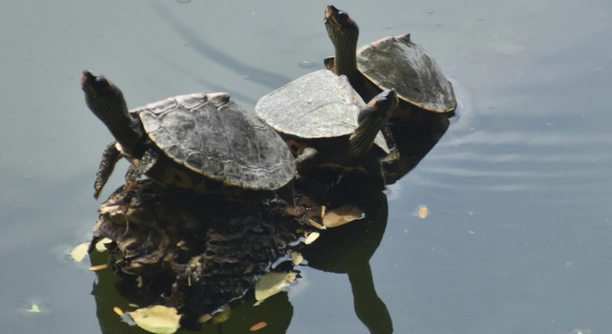
Indian Roofed Tortoises are fascinating creatures, but sometimes, their behaviors can be puzzling. If you’ve noticed your tortoise frequently sleeping in its water bowl, you might be wondering what’s going on.
The primary reason for your tortoise sleeping in its water bowl is likely its need for humidity and hydration. Tortoises often seek water for comfort, temperature regulation, and moisture, especially in dry environments.
There are a few key factors at play here, and understanding them can help you create a more comfortable environment for your tortoise.
Why Humidity Matters for Your Tortoise
Indian Roofed Tortoises naturally thrive in environments with higher humidity. If the air is too dry, they might look for moisture to stay hydrated. Water bowls provide a cool, humid spot that helps regulate their body temperature. In the wild, they are often found in areas with moist surroundings. Without proper humidity, they may feel uncomfortable and instinctively seek out a water source. This behavior isn’t unusual, especially in tortoises living in drier climates or homes with low humidity levels. Ensuring your pet has a suitable environment is crucial for its health and well-being.
It’s important to maintain a consistent humidity level of around 50-60% in their habitat. You can achieve this by misting their enclosure, using a humidity gauge, or placing the water bowl in a more central area of the enclosure.
If you notice your tortoise resting in its water bowl often, it’s a sign it’s trying to stay cool and hydrated. You might want to adjust the habitat to meet its moisture needs. Adding a humid hide or moist substrate could help keep them comfortable and prevent dehydration. You could also explore using a small heat source or lamp to maintain a warm environment, which would make the tortoise more likely to stay active. Consider experimenting with different setups until you find one that best suits your tortoise’s needs.
Temperature Regulation and Comfort
Temperature plays a key role in a tortoise’s behavior. They are ectothermic, meaning they rely on external temperatures to regulate their body heat. If the temperature inside the tank is too high or too low, they may seek out water as a way to cool down or warm up. Tortoises often gravitate toward their water bowls because the water offers a stable temperature, which helps maintain their internal balance.
The ideal temperature range for an Indian Roofed Tortoise should be between 75-85°F (24-29°C) during the day. Providing a gradient in the enclosure with both a warmer and cooler side can help them regulate their body temperature.
Stress and Anxiety in Tortoises
When a tortoise feels stressed, it may exhibit unusual behaviors, like seeking out water for comfort. Stress can be caused by sudden changes in its environment, loud noises, or an overcrowded living space. A stressed tortoise may retreat to its water bowl to feel safe and secure.
To reduce stress, try to create a quiet, calm space for your tortoise. Avoid placing its enclosure in high-traffic areas or near loud sounds. Make sure there’s plenty of room for your tortoise to roam and hide, as overcrowding can lead to anxiety. A consistent routine will also help minimize stress.
Tortoises are sensitive creatures that can react to shifts in their environment. If your tortoise seems particularly anxious, try adjusting its surroundings gradually to provide a more peaceful atmosphere. Introducing new items or changes slowly will allow your pet to feel more comfortable. Once stress levels are reduced, you should notice a decrease in the time spent in the water bowl.
Health Issues to Consider
If your tortoise spends an excessive amount of time in its water bowl, it could be a sign of an underlying health issue. Conditions like dehydration, respiratory infections, or skin problems may make the tortoise seek out water for relief. It’s important to monitor other signs like lethargy or unusual behavior.
If your tortoise isn’t eating, drinking regularly, or seems lethargic, these could be symptoms of an infection or illness. If you suspect your tortoise is sick, it’s always a good idea to consult a vet who specializes in reptiles. Prompt treatment can help prevent any further complications.
Sometimes, a tortoise will sleep in the water bowl to alleviate discomfort caused by an infection or other medical concerns. If your pet is frequently in the water bowl and showing additional signs of illness, it’s critical to get professional advice. Early intervention can prevent long-term health issues.
Substrate Issues
The type of substrate in your tortoise’s enclosure can impact its behavior. If the substrate is too dry or uncomfortable, your tortoise may seek out the water bowl for moisture or relief. Choose a substrate that holds moisture well, like coconut coir or moist soil.
A dry substrate can increase dehydration, leading your tortoise to spend more time in its water bowl. Make sure the substrate is regularly misted to maintain a healthy humidity level. This helps create a more suitable environment and encourages your tortoise to engage with the habitat more naturally.
Incorrect Water Bowl Size
If your tortoise’s water bowl is too small or shallow, it may encourage it to spend more time in the water. A bowl that doesn’t allow the tortoise to submerge its body fully can create unnecessary discomfort. Ensure the water bowl is large enough for your tortoise to rest in comfortably.
A larger water bowl also gives your tortoise the option to soak its body, which is essential for hydration and maintaining good health. It’s better to provide a slightly bigger bowl than a smaller one. This ensures your tortoise can access the water as needed.
Lighting and UVB Needs
Indian Roofed Tortoises require proper UVB lighting for healthy shell growth and overall well-being. Without sufficient UVB exposure, they might seek out areas of their enclosure where they feel more comfortable, like the water bowl, to regulate their body temperature and hydration.
Proper lighting should be placed at a safe distance from your tortoise’s basking area. A UVB light is necessary for about 10 to 12 hours a day. Ensure the light is placed correctly to mimic natural sunlight and support your tortoise’s health.
FAQ
Why does my Indian Roofed Tortoise sleep in its water bowl?
Tortoises, especially Indian Roofed Tortoises, seek moisture to maintain hydration and regulate their body temperature. If they feel too dry or hot, they might sleep in their water bowl to find relief. This behavior is often seen in environments with low humidity or improper temperature. Ensuring the right balance in their enclosure can prevent this.
How can I prevent my tortoise from spending too much time in the water bowl?
To help your tortoise stop sleeping in its water bowl, make sure the habitat has enough humidity and the right temperature. Adjust the humidity levels in the enclosure using a misting system or humidifier. You can also add a humid hide or moist substrate to provide more comfortable spaces.
Can my tortoise get sick from staying in its water bowl too much?
If your tortoise is constantly in the water bowl, it could be a sign of underlying health issues. Prolonged exposure to water, especially if it’s not clean, may lead to infections or shell problems. Be sure to monitor for signs of illness like lethargy or loss of appetite and seek veterinary advice if necessary.
How can I tell if my tortoise is dehydrated?
Dehydration in tortoises is easy to spot if you know the signs. A dehydrated tortoise may become lethargic, refuse food, or appear to have sunken eyes. The skin may lose its elasticity and not bounce back when gently pinched. Make sure your tortoise always has access to fresh water, and consider adding a water bowl large enough for soaking.
How often should I clean my tortoise’s water bowl?
You should clean your tortoise’s water bowl at least every two to three days. Bacteria can quickly grow in standing water, leading to health problems for your tortoise. Clean the bowl with mild soap and rinse it thoroughly before refilling it with fresh water. Regular cleaning also helps keep the water fresh and inviting for your pet.
What type of water is best for my tortoise?
Filtered or dechlorinated water is ideal for tortoises. Tap water often contains chlorine and other chemicals that could harm your pet. If you’re using tap water, let it sit out for 24 hours before offering it to your tortoise to allow the chlorine to evaporate. You can also use bottled water if needed.
Should I provide a heat source for my tortoise’s water bowl?
Generally, a heat source for the water bowl isn’t necessary, but it can help if the room temperature is too low. Tortoises need a warm basking area, and if the water bowl is too cold, it could become uncomfortable for them. A water bowl that is too cold may make the tortoise more likely to spend excessive time in it to stay warm. Keep the water at a comfortable temperature to prevent this.
What are the signs of stress in a tortoise?
Stress in tortoises can be caused by many factors, including changes in their environment, improper temperature, or social stress. Signs of stress include lack of appetite, lethargy, pacing, hiding, or excessive time spent in the water bowl. If your tortoise shows these signs, check the habitat setup and make sure it is comfortable.
Can I use a heater to regulate the temperature for my tortoise?
Yes, a heater can be used to maintain the proper temperature in your tortoise’s enclosure. Ensure that the temperature is consistent, with a basking spot around 90°F and a cooler side of the enclosure between 75°F and 85°F. Using a thermostat with the heater will help maintain a stable environment.
What is the ideal humidity level for my tortoise’s habitat?
The ideal humidity level for an Indian Roofed Tortoise should be between 50% and 60%. If the air is too dry, your tortoise may seek out the water bowl to compensate for the lack of moisture in its environment. You can use a hygrometer to monitor humidity and adjust it with regular misting or a humidifier.
Can my tortoise stay in the water bowl all day?
It’s not healthy for your tortoise to stay in the water bowl all day. While tortoises do need water to stay hydrated, excessive time in the water can lead to dehydration, skin issues, or shell problems. Ensure the water bowl is large enough for soaking but still allows them to leave and bask when needed.
Is it okay for my tortoise to eat in its water bowl?
It’s best for your tortoise to eat outside of the water bowl. Eating in the water can cause the food to become soggy and dirty, which isn’t hygienic. A clean feeding area helps prevent the growth of bacteria that could make your tortoise sick. Keep the water separate from the feeding area to maintain cleanliness.
How long should my tortoise be exposed to UVB light daily?
Tortoises need around 10 to 12 hours of UVB exposure daily to maintain healthy shell growth and overall health. UVB light helps them synthesize Vitamin D3, which is essential for calcium absorption. Without adequate UVB exposure, your tortoise could develop shell deformities and weakened bones.
How can I make my tortoise feel more comfortable?
Providing your tortoise with the right environment is key to making it feel comfortable. Ensure there is a warm basking area, a cooler zone for rest, proper humidity, and enough space to move around. Adding hiding spots, like rocks or logs, can also help your tortoise feel safe and secure.
Can I place my tortoise’s enclosure near a window?
It’s not recommended to place your tortoise’s enclosure near a window where direct sunlight may cause temperature fluctuations or overheating. The sun’s rays can also damage UVB light bulbs, reducing their effectiveness. Choose a location where the temperature can be easily regulated without being too exposed to outside weather conditions.
Final Thoughts
If your Indian Roofed Tortoise is spending a lot of time in its water bowl, it is likely trying to stay cool and hydrated. Tortoises, like all reptiles, need a stable environment to thrive, and humidity plays a big role in their comfort. If the enclosure is too dry or the temperature is off, your tortoise may seek water to regulate its body temperature or moisturize its skin. It’s important to pay attention to your tortoise’s behavior and adjust the habitat to meet its needs. Creating a balanced environment with the right temperature, humidity, and space can make a big difference in your pet’s well-being.
While the occasional dip in the water bowl is perfectly natural, too much time spent there can signal other issues, such as dehydration, stress, or even health problems. Monitoring your tortoise for other signs of illness, such as lethargy, changes in eating habits, or unusual behavior, is essential. If your pet continues to spend excessive time in the water bowl or shows signs of discomfort, consider consulting with a reptile vet to rule out any medical concerns. Tortoises can sometimes develop infections or skin issues if they are not properly hydrated or exposed to the right environmental conditions.
Ultimately, understanding the reasons behind your tortoise’s behavior and taking the right steps to adjust its habitat is the key to keeping it happy and healthy. By ensuring the enclosure has appropriate humidity levels, temperature gradients, and enough space to roam, you can help your tortoise live a more comfortable life. Regularly clean the water bowl, keep the environment consistent, and make sure your tortoise has access to the proper lighting and UVB exposure. With the right care, your Indian Roofed Tortoise will thrive, and you can avoid many of the issues related to excessive water bowl use.

Hello,
If you enjoy the content that we create, please consider saying a "Thank You!" by leaving a tip.
Every little bit helps us continue crafting quality advice that supports the health, happiness, and well-being of pets around the world, for pets of all shapes, sizes, and species.
We really appreciate the kindness and support that you show us!