
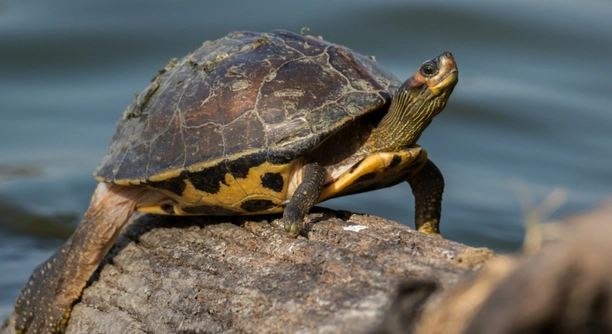
Soft shell in Indian roofed tortoises can be a worrying issue for pet owners. This condition can affect their overall health and shell structure, leaving you with concerns about how to help them.
Soft shell in Indian roofed tortoises is caused by factors like poor diet, lack of UVB light, dehydration, and insufficient calcium intake. These issues weaken the shell, making it soft and vulnerable to damage.
Understanding the reasons behind soft shell can help you address the problem effectively. By learning how to fix these issues, you can support your tortoise’s health and improve its shell condition.
Lack of Calcium and Vitamin D3
One of the main reasons your Indian roofed tortoise might have a soft shell is insufficient calcium and vitamin D3 in its diet. Calcium is essential for shell growth and strength, while vitamin D3 helps the tortoise absorb calcium. Without the right balance, the shell becomes weak and flexible, making it prone to deformities. It’s important to provide a proper calcium supplement and UVB light to help your tortoise metabolize the calcium.
Adding a calcium supplement to your tortoise’s diet, along with proper UVB exposure, can prevent soft shell from developing. Make sure your tortoise has access to natural sunlight or a UVB light source for 10-12 hours daily.
Ensure your tortoise is getting enough calcium-rich foods like leafy greens and occasional cuttlefish bone. A lack of vitamin D3 can be fixed by using a UVB lamp or natural sunlight. Adjusting the diet and lighting setup can prevent further damage and help strengthen the tortoise’s shell. A well-balanced diet and proper light exposure will keep your tortoise healthy and its shell strong.
Dehydration and Poor Hydration Practices
Dehydration can also lead to a soft shell in Indian roofed tortoises. Lack of water or improper hydration can affect their overall health and shell condition.
If your tortoise isn’t drinking enough water, or if its enclosure is too dry, the shell can lose its firmness. Always ensure access to fresh, clean water and consider soaking your tortoise in shallow water for hydration.
Hydration is vital for your tortoise’s metabolism and shell growth. When they don’t have enough water, their shell may become brittle and soft. Regular soaking can also help your tortoise stay hydrated and keep its shell healthy. Make sure your tortoise’s habitat has the right humidity levels and that they can easily drink water. Keeping your tortoise hydrated helps avoid shell problems and supports its overall well-being.
Poor Diet and Nutritional Deficiencies
A poor diet with an imbalance of nutrients can lead to a soft shell. Tortoises need a variety of greens, vegetables, and some fruits. Without proper nutrients, their shells may not develop correctly. A lack of fiber, vitamins, and minerals, especially calcium, leads to weakened shells.
Ensure your tortoise is fed a well-balanced diet rich in calcium and fiber. Offer dark leafy greens like kale, collard greens, and dandelion greens, along with other vegetables and fruits. Avoid feeding them too much fruit, as it can upset their digestive system. Including a calcium supplement is key for strong shells.
It’s also crucial to provide variety in their diet to mimic their natural intake of food. Tortoises need a range of plant matter to get the vitamins and minerals they require. Consistently feeding them the wrong types of food, such as lettuce, can result in nutritional imbalances, leading to weakened shells. Always make sure your tortoise is getting enough of the right nutrients to thrive.
Lack of UVB Light Exposure
Without UVB light, tortoises cannot properly absorb calcium from their diet. UVB light is essential for synthesizing vitamin D3, which helps calcium absorption and shell health. Without it, the tortoise can develop a soft shell over time.
Your tortoise needs exposure to natural sunlight or a UVB light source for at least 10-12 hours a day. UVB lamps are a great option if natural sunlight is unavailable. Make sure the UVB bulb is replaced regularly to ensure its effectiveness.
Proper UVB lighting is vital for your tortoise’s overall health, especially in indoor enclosures. Without this crucial light, even a well-balanced diet may not prevent shell issues. The UVB light should be placed properly to cover the basking area. Additionally, ensure that your tortoise can move between warm and cool areas to regulate body temperature, which will help its metabolism and overall well-being.
Inadequate Temperature Control
Temperature plays a major role in a tortoise’s health, including shell strength. If their habitat is too cold, digestion and calcium absorption slow down, leading to a soft shell. Make sure their enclosure is kept at the right temperature.
Your tortoise needs a warm basking spot, typically between 85-95°F, and a cooler area to regulate body temperature. A drop in temperature causes stress and affects metabolism, which in turn impacts shell growth. Use a reliable thermometer to monitor the temperature regularly, adjusting the heating as needed to maintain the correct environment.
Consistent temperatures are crucial to your tortoise’s health. Without them, they cannot properly digest food or absorb nutrients, weakening their shell. A temperature gradient within the enclosure will help your tortoise regulate its body heat naturally. Keeping a stable environment encourages normal growth and strengthens the shell over time.
Shell Injuries and Trauma
Physical injuries to the shell can cause damage, leading to a soft and vulnerable condition. If your tortoise has experienced trauma, whether from falling or rough handling, it may affect the integrity of its shell.
Be cautious when handling your tortoise to avoid injury. Ensure their enclosure is safe from sharp objects and any potential hazards that might harm their shell.
Trauma can lead to cracks or weakened areas on the shell, allowing bacteria or infections to cause further damage. Over time, untreated injuries can result in a softened, compromised shell. Always monitor your tortoise for signs of injury, and take them to the vet if needed.
Parasites and Infections
Parasites or infections may weaken your tortoise’s shell if left untreated. These issues can lead to softening, especially if the tortoise’s immune system is compromised. Regular vet check-ups are essential to keep track of any potential infections.
If your tortoise shows signs of lethargy, loss of appetite, or shell abnormalities, it could be dealing with a parasitic infection. Seek veterinary care to identify and treat the problem quickly. Early detection can prevent serious damage to the shell and overall health.
FAQ
What are the signs of a soft shell in Indian roofed tortoises?
The primary sign of a soft shell is when the shell feels pliable, unlike the hard, firm shell typical of a healthy tortoise. You may notice the shell bends or indents when pressure is applied. Other signs include lethargy, loss of appetite, or difficulty moving. In severe cases, the shell may start to deform.
How can I prevent a soft shell in my tortoise?
To prevent a soft shell, make sure your tortoise receives a balanced diet rich in calcium and vitamin D3. Proper UVB light exposure is also essential for calcium absorption. Ensure your tortoise stays hydrated and maintains proper temperature and humidity in its enclosure. Regular veterinary check-ups will help catch any early signs of health issues before they worsen.
Can a soft shell be reversed?
Yes, a soft shell can be reversed with the proper care and adjustments. First, ensure your tortoise is receiving adequate calcium and vitamin D3. Providing UVB light, correcting hydration issues, and offering a proper diet are also crucial. If the condition is severe, a vet may need to provide additional treatments.
What is the best way to feed my Indian roofed tortoise for shell health?
The best way to feed your tortoise for shell health is to offer a variety of leafy greens, such as kale, dandelion, and collard greens. These foods provide essential nutrients like calcium and fiber. You can also add occasional calcium supplements, such as cuttlefish bone, to ensure your tortoise gets enough calcium. Limit fruits, as too much sugar can lead to digestive issues. Avoid feeding them iceberg lettuce, as it provides little nutritional value.
How often should I provide UVB light for my tortoise?
UVB light should be provided for 10-12 hours a day, ideally from a high-quality UVB bulb. The bulb should be placed close to the tortoise but not too close to cause burns. If natural sunlight isn’t available, a UVB lamp is essential for maintaining your tortoise’s health. Replace the UVB bulb every 6-12 months to ensure proper function.
How do I check if my tortoise is dehydrated?
Signs of dehydration in tortoises include sunken eyes, dry skin, and a lack of appetite. If your tortoise is not drinking enough water, it may become lethargic. To prevent dehydration, ensure fresh water is always available and consider soaking your tortoise in shallow water for 10-15 minutes a few times a week.
What temperature should my tortoise’s enclosure be?
Your tortoise’s enclosure should have a basking area with temperatures between 85-95°F (29-35°C). The cooler side of the enclosure should be around 75-80°F (24-27°C). Temperature regulation is vital for digestion and overall health. Use a reliable thermometer to monitor temperatures and adjust heat sources as needed.
Can stress cause a soft shell in tortoises?
Yes, stress can contribute to health issues, including a soft shell. Stress can be caused by poor enclosure conditions, improper diet, handling too frequently, or the presence of other aggressive animals. Stress weakens the immune system and may make the tortoise more susceptible to infections or calcium deficiency, which can lead to shell problems.
Should I soak my tortoise to help with a soft shell?
Soaking your tortoise can help with hydration and improve its overall health. Soaking in shallow water for 10-15 minutes a few times a week can encourage hydration, which is crucial for shell health. However, soaking alone won’t resolve soft shell issues; diet and lighting need to be addressed as well.
How can I fix a soft shell if my tortoise isn’t eating?
If your tortoise isn’t eating, it’s important to figure out why. Stress, illness, or improper environmental conditions may be the cause. Make sure the temperature, humidity, and diet are correct. Try offering food in different ways, such as hand-feeding, or consult a veterinarian to rule out underlying health issues. If the tortoise is severely undernourished or dehydrated, immediate veterinary care is necessary.
Can I use a calcium supplement to help my tortoise’s shell?
Yes, a calcium supplement can be very helpful for improving shell health. You can use calcium powder and sprinkle it on your tortoise’s food or offer cuttlefish bone for gnawing. Make sure to use a calcium supplement without phosphorus, as too much phosphorus can interfere with calcium absorption.
Are there any common mistakes that could lead to a soft shell?
Some common mistakes include feeding a poor diet (too much fruit or low-calcium foods), not providing UVB light, or maintaining incorrect temperature and humidity levels in the enclosure. Another mistake is over-handling your tortoise, which can cause stress. Consistently providing a balanced diet, proper lighting, hydration, and a suitable environment will help prevent soft shell issues.
How long does it take for a tortoise’s shell to harden after treatment?
The time it takes for a tortoise’s shell to harden after treatment varies depending on the severity of the soft shell and the adjustments made to diet, hydration, lighting, and temperature. It can take anywhere from a few weeks to several months for the shell to become firm again. Regular monitoring and care will speed up recovery.
Can shell abnormalities in tortoises be prevented?
Many shell abnormalities can be prevented with proper care, such as a balanced diet, UVB light, hydration, and temperature control. Regular check-ups with a vet can also help detect potential issues early. Keeping your tortoise’s living environment safe and comfortable is essential for shell health.
Should I take my tortoise to a vet for a soft shell?
Yes, if your tortoise has a soft shell, it is a good idea to take it to a vet, especially if the condition is severe or not improving with home care. A vet can assess your tortoise’s overall health, provide advice on nutrition and environmental conditions, and recommend treatments if necessary.
Final Thoughts
Soft shell in Indian roofed tortoises is a condition that can often be prevented with proper care and attention to their diet, environment, and health needs. The most important factors are providing a balanced diet with enough calcium and vitamin D3, making sure they have access to UVB light for proper calcium absorption, and keeping their habitat at the right temperature and humidity levels. These changes can prevent soft shell from occurring and ensure your tortoise remains healthy.
If you notice any signs of a soft shell, it’s important to take action quickly. Adjusting their diet, hydration, and lighting can help address the issue and promote shell recovery. In some cases, it may take a few months for the shell to harden again, but with consistent care, your tortoise should be able to heal. Monitoring your tortoise’s condition regularly and making sure they’re getting the right nutrients and exposure to sunlight or UVB light will help keep their shell strong in the long run.
Remember, if you are unsure about the proper care or if the soft shell condition seems severe, don’t hesitate to consult a veterinarian. They can offer advice, identify any underlying health problems, and help you develop a treatment plan for your tortoise. With the right approach, most tortoises can recover and live a healthy life with a strong, sturdy shell.

Hello,
If you enjoy the content that we create, please consider saying a "Thank You!" by leaving a tip.
Every little bit helps us continue crafting quality advice that supports the health, happiness, and well-being of pets around the world, for pets of all shapes, sizes, and species.
We really appreciate the kindness and support that you show us!