
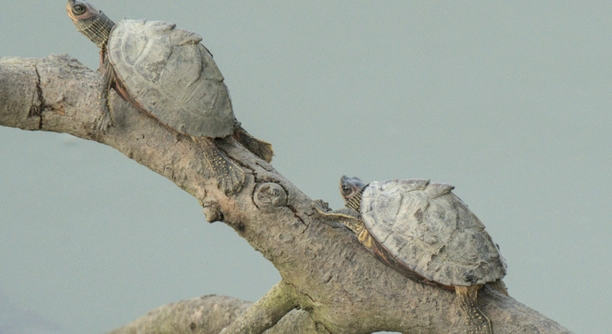
Is your Indian roofed tortoise looking a bit rounder than usual? Keeping your pet at a healthy weight is important for its overall well-being and long life. Monitoring their size can help prevent potential health issues down the road.
The easiest way to tell if your Indian roofed tortoise is overweight is by observing its shell and limbs. If fat bulges around the legs when it moves or the shell appears too small for its body, your tortoise may be carrying excess weight.
Understanding the signs of an overweight tortoise can help you make informed decisions about its diet and habitat. Maintaining a proper balance ensures your pet stays healthy and active for years to come.
Signs Your Indian Roofed Tortoise Is Overweight
An overweight Indian roofed tortoise may show visible physical changes. Look for fat bulging around the legs and neck when it moves. The shell may also appear too small or slightly raised due to the excess body mass. These signs are clear indicators that your tortoise might be heavier than it should be.
Excess weight can cause health problems over time. Obesity can put pressure on their internal organs, leading to digestive issues or breathing difficulties. It may also reduce their ability to move freely, making daily activities harder for your tortoise.
Monitoring your tortoise’s body shape and behavior is essential. If you notice a slower pace, difficulty retracting its limbs, or decreased activity, it may be time to evaluate its diet and habitat. Regular observation helps you catch weight issues early and take steps to maintain your tortoise’s health.
Causes of Weight Gain in Indian Roofed Tortoises
Overfeeding is a common cause of weight gain in Indian roofed tortoises. Offering too much food or feeding calorie-dense items can lead to gradual weight increase. A lack of physical activity also contributes to excess weight.
A tortoise’s diet should mimic what it would eat in the wild. Feeding too many fruits or high-protein foods can disrupt this balance. Indian roofed tortoises thrive on a variety of leafy greens, vegetables, and occasional fruits. Avoid processed foods or treats that are not part of their natural diet.
Inadequate space to move can also lead to weight problems. Tortoises need enough room to walk, explore, and exercise. If their enclosure is too small, they may become less active and gain weight. Ensuring your tortoise has an enriching environment with proper lighting and room to roam supports healthy movement.
Balancing food portions, encouraging activity, and creating a spacious habitat are essential to preventing weight gain. Keeping these factors in check will help your tortoise maintain a healthy weight and live a comfortable life.
How to Help Your Indian Roofed Tortoise Lose Weight
Adjusting your tortoise’s diet is the first step to managing its weight. Reduce high-calorie foods like fruits and focus on providing leafy greens and fibrous vegetables. Feed smaller portions and establish a consistent feeding schedule to prevent overeating and support a balanced diet.
Encourage physical activity by offering a spacious enclosure. A larger habitat allows your tortoise to explore and stay active. Add natural elements like rocks, logs, and small hills to promote movement. Regular time outside the enclosure, in a safe and supervised area, can also help your tortoise burn excess weight.
Monitor your tortoise’s weight and appearance regularly. Weigh it monthly to track progress and observe physical changes like reduced fat bulges. If weight issues persist despite dietary changes and increased activity, consult a veterinarian familiar with reptile care for further guidance and support.
Best Diet for a Healthy Indian Roofed Tortoise
A balanced diet is key to keeping your Indian roofed tortoise at a healthy weight. Offer a variety of fresh, leafy greens like dandelion, collard greens, and mustard greens. These low-calorie options provide essential nutrients without contributing to weight gain. Avoid feeding too much fruit, as it is high in sugar.
Vegetables like squash, bell peppers, and carrots can be included in moderation. Ensure food is fresh and free of pesticides. Provide calcium supplements as needed to support strong shell and bone health. Clean, fresh water should always be available for hydration and proper digestion.
Feed your tortoise in small portions and stick to a regular feeding schedule. Younger tortoises may need daily feeding, while adults do well with food every other day. Consistent monitoring and proper nutrition will keep your tortoise healthy and active.
Proper Enclosure Size for Your Tortoise
The right enclosure size encourages healthy activity. A larger space allows your tortoise to roam, stretch, and exercise. If the enclosure is too small, it can lead to inactivity and weight gain. Ensure your tortoise has plenty of room to move around comfortably.
A good rule of thumb is to provide a space that is at least four times the length of your tortoise’s shell in both length and width. This ensures it has enough area for exercise and exploration. Keeping the space clean and free of obstacles will also help your tortoise stay active and engaged.
Impact of Temperature and Lighting
Proper lighting and temperature are crucial for your tortoise’s overall health. A basking spot should be kept at 90°F to 95°F, while the cooler side of the enclosure should be around 75°F to 80°F. Providing proper UVB lighting is also important for calcium absorption.
Without the right heat and light, your tortoise may become lethargic, affecting its ability to move and maintain a healthy weight. It also helps with digestion, which can be slower in colder environments. Regularly check the temperature to make sure it stays within the ideal range for your tortoise’s well-being.
Overfeeding vs. Proper Portions
Overfeeding can lead to weight gain and other health issues. It’s important to serve food in appropriate amounts based on your tortoise’s age and size. Always measure portions and avoid feeding too frequently.
Giving excess food, especially treats or high-calorie items, will cause an imbalance in your tortoise’s diet. Stick to proper portions for better health and to prevent weight issues.
FAQ
How can I tell if my tortoise is overweight?
To determine if your tortoise is overweight, check for signs of fat accumulation around the legs and neck. If the shell looks too small compared to its body or has a raised appearance, it could be a sign of excess weight. You should also observe its movement; if it moves slower than usual or struggles to retract its limbs, it may be carrying extra weight. Weighing your tortoise regularly can also help track its weight and monitor any changes.
What should I feed my Indian roofed tortoise to prevent weight gain?
To prevent weight gain, focus on feeding your tortoise leafy greens like dandelion greens, collard greens, and mustard greens. These are low-calorie options that offer essential nutrients. Limit high-sugar fruits like apples and strawberries, as they can contribute to weight gain. Offering vegetables like squash, peppers, and carrots in moderation is also good. Make sure to avoid processed foods or anything high in fat or protein, as this can disrupt their natural balance and lead to obesity.
How much should I feed my tortoise?
The amount of food you feed your tortoise should be based on its age and size. Younger tortoises need food more frequently, usually daily, while adults can be fed every other day. The portions should be large enough for them to eat in one sitting but not so large that they have leftovers. It’s important to measure food and avoid overfeeding. If you’re unsure, a general rule is to offer food that’s approximately the size of your tortoise’s shell.
Can I give my tortoise treats?
Treats should be given sparingly to your tortoise, especially if you’re concerned about weight. Offering a small amount of fruits or flowers can be a nice treat now and then. However, these should never make up the bulk of your tortoise’s diet. Too many high-calorie treats can cause unnecessary weight gain. Always prioritize nutritious, low-calorie foods and limit treats to once or twice a week.
How often should I take my tortoise outside?
Taking your tortoise outside regularly is important for both its health and activity level. Outdoor time allows them to explore and exercise, helping maintain a healthy weight. Depending on the weather and your environment, you can take your tortoise outside several times a week for 30 to 60 minutes. Just be sure to supervise them closely to prevent escape or injury. When outside, ensure there are no hazards, such as predators or toxic plants.
Can stress cause my tortoise to gain weight?
Stress can indirectly affect your tortoise’s weight. When stressed, your tortoise may eat more or be less active, leading to weight gain. Chronic stress can also interfere with digestion and overall health. To reduce stress, provide a calm, consistent environment for your tortoise. Avoid loud noises, sudden changes in habitat, or too much handling. A well-balanced diet and proper temperature and lighting can also help manage stress levels.
Is it okay to feed my tortoise commercial food?
Commercial food can be used in moderation but shouldn’t be the main part of your tortoise’s diet. Many pre-packaged tortoise foods are high in calories, preservatives, and fillers. It’s best to feed fresh, natural foods whenever possible. If you decide to use commercial food, look for a high-quality, well-balanced option without unnecessary additives. Always ensure that the food is appropriate for the specific species of tortoise you have.
How can I get my tortoise to be more active?
If your tortoise isn’t as active as it should be, try increasing its space. A larger, more enriched habitat encourages exploration and movement. Adding different textures, such as rocks, logs, and hides, can help stimulate their natural curiosity and movement. Additionally, time outside in a safe area for exercise will keep your tortoise physically active and help prevent weight gain.
Can I keep my tortoise in a small enclosure to save space?
Keeping your tortoise in a small enclosure can limit its physical activity and may lead to weight gain. A cramped environment restricts movement and doesn’t provide enough stimulation for your tortoise. It’s important to offer enough space for your tortoise to move around freely and explore. A larger enclosure helps ensure they stay active, which is crucial for maintaining a healthy weight.
Should I take my tortoise to the vet for weight issues?
If you’ve made adjustments to your tortoise’s diet and lifestyle but are still concerned about its weight, it’s a good idea to visit a veterinarian. A vet with experience in reptile care can help assess your tortoise’s health and offer tailored advice. They may also check for any underlying medical conditions that could be affecting your tortoise’s weight or behavior.
Final Thoughts
Maintaining a healthy weight for your Indian roofed tortoise is essential for its overall well-being. Just like any pet, it’s important to monitor its size and behavior regularly. If you notice signs of weight gain, such as a rounder shape or difficulty moving, it’s time to take action. Ensuring a balanced diet and proper exercise can prevent your tortoise from becoming overweight and facing potential health issues.
A tortoise’s environment plays a huge role in its activity level. Giving your tortoise enough space to move around freely is just as important as providing a proper diet. The right temperature, lighting, and enrichment in its habitat can make a significant difference in its health and happiness. Encouraging movement through a larger enclosure and safe outdoor time helps maintain a healthy weight while keeping your tortoise active and engaged.
Lastly, regular check-ups with a vet who specializes in reptiles can be helpful if you have concerns about your tortoise’s weight or health. A professional can give advice specific to your tortoise’s needs and help address any potential problems early. With careful attention to diet, environment, and activity, your tortoise can live a long, healthy life.

Hello,
If you enjoy the content that we create, please consider saying a "Thank You!" by leaving a tip.
Every little bit helps us continue crafting quality advice that supports the health, happiness, and well-being of pets around the world, for pets of all shapes, sizes, and species.
We really appreciate the kindness and support that you show us!