
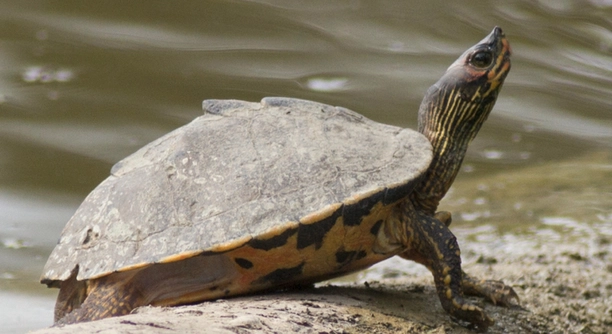
If you’ve noticed your Indian Roofed Tortoise becoming unusually aggressive, it may be surprising and confusing. Tortoises are generally calm, so any sudden change in behavior can raise concern.
A sudden increase in aggression can be attributed to several factors, such as changes in their environment, stress, or health issues. Hormonal changes, territorial behavior, and improper care routines are also common causes of aggression in tortoises.
Understanding the root causes of your tortoise’s aggression is key to addressing the issue effectively. The following information will help you identify possible triggers and offer guidance on how to restore calm and balance for your pet.
Common Causes of Aggression in Indian Roofed Tortoises
Aggression in tortoises can be unsettling, but it’s often linked to specific causes. One of the most common reasons is territorial behavior. Tortoises can become aggressive when they feel their space is threatened, especially during breeding seasons. This is particularly true for males, who may become more dominant and territorial. In addition, environmental changes such as new pets, alterations in their enclosure, or moving them to a new home can lead to stress. Stress can make your tortoise act out in ways that are unusual for its normal behavior. Overcrowding in their space is another factor that can cause tension. If your tortoise doesn’t have enough room, it may start acting aggressively to defend its space.
It’s important to observe the surrounding factors and environment to better understand your tortoise’s behavior. Identifying the cause will help you determine the appropriate course of action.
Understanding why your tortoise is acting aggressively is crucial for its well-being. When they feel cornered or threatened, they may lash out. Addressing these stressors promptly and appropriately can prevent further issues. Regular checks on their habitat and routine are necessary to keep your tortoise calm and healthy.
How to Manage Aggressive Behavior in Your Tortoise
Managing an aggressive tortoise starts with evaluating its living conditions. Ensure your pet has enough space and isn’t being overwhelmed by environmental factors. A spacious enclosure with plenty of hiding spots can reduce stress and allow your tortoise to feel safe. Also, check the temperature and humidity levels in the enclosure. A sudden change in climate could affect your tortoise’s mood, making it more irritable.
Once the living conditions are ideal, you can work on re-establishing trust and comfort. Avoid handling your tortoise too much, as this may increase stress. Let it settle in its space and acclimatize to its environment. Make sure it has a routine that includes proper feeding and a peaceful environment. Over time, with attention to these factors, your tortoise should return to its calm, usual behavior.
Hormonal Changes and Breeding Season
Hormonal fluctuations can play a big role in aggression. During the breeding season, male tortoises may act more aggressively to compete for mates. This is a natural behavior, though it can be startling. It’s important to monitor their interactions with females to avoid unnecessary stress.
To help manage these hormonal changes, it may be useful to provide your tortoise with more space during the breeding season. This reduces the likelihood of territorial disputes. You can also avoid overcrowding by limiting contact with other tortoises if possible. Maintaining a calm and steady environment will help your tortoise cope better with hormonal shifts.
If your tortoise’s aggression is particularly severe, consider providing hiding spots or shelters where it can retreat when feeling overwhelmed. This offers your tortoise a sense of security and minimizes aggression towards other animals or humans.
Stress and Environmental Factors
Stress from environmental changes is another major cause of aggression. Moving your tortoise to a new home, changing its enclosure, or introducing new animals can make it feel unsettled. These changes disturb your tortoise’s comfort zone, leading to stress-induced behavior.
In response to these stresses, your tortoise may become more aggressive as it tries to protect itself. To reduce this stress, try to keep the environment consistent. Avoid moving the tortoise or making changes to its habitat too often. Ensure its living conditions are peaceful, quiet, and stable. A routine feeding and cleaning schedule can also help your tortoise feel more secure in its space.
Creating a secure environment will help your tortoise adapt more easily and reduce the chances of aggression. If aggression continues, you may need to adjust its space, ensuring it has enough room to roam freely without feeling trapped or threatened.
Illness or Injury
Aggression can also result from illness or injury. If your tortoise is in pain, it may act out. Common signs of illness include a lack of appetite, lethargy, or changes in behavior. If aggression is sudden and persistent, it might be due to an underlying health issue.
If you suspect illness or injury, a visit to the vet is necessary. A professional can identify any health problems that could be affecting your tortoise’s behavior. Early diagnosis can prevent further stress and help with the proper treatment. Always keep an eye on any unusual signs to catch problems early.
Inadequate Space or Overcrowding
When tortoises don’t have enough space to move around, they can become territorial and aggressive. A cramped environment leads to stress and frustration. It’s important to provide enough room for your tortoise to explore and hide when needed.
Overcrowding can also be problematic, especially in smaller enclosures. Ensure your tortoise has enough space to establish its own territory and feel comfortable. Too many tortoises in one area can lead to fights over resources and space. This can quickly escalate to aggression.
FAQ
Why is my tortoise suddenly biting?
Biting is a common aggressive behavior that often happens when a tortoise feels threatened, stressed, or provoked. It can be related to territorial disputes, hormonal changes during breeding seasons, or even discomfort from illness or injury. If your tortoise feels cornered or pressured, it may resort to biting as a defense mechanism.
Ensure your tortoise has enough space and a stress-free environment. If this behavior continues, consider reducing the amount of handling or adjusting its habitat to give it more freedom. If biting seems abnormal or accompanied by other concerning symptoms, consult a vet to rule out health issues.
How can I tell if my tortoise is stressed?
Stress in tortoises can show up in several ways. Look for signs such as reduced activity, loss of appetite, aggression, or hiding more than usual. If your tortoise seems unusually reclusive or displays abnormal behavior, it may be stressed. Environmental factors like noise, overcrowding, or frequent changes in habitat can all contribute to stress.
Check for issues like temperature fluctuations or inappropriate humidity levels. Ensure that your tortoise’s enclosure mimics its natural environment as much as possible. Reducing handling and offering more hiding spots can also provide comfort to a stressed tortoise.
What should I do if my tortoise is aggressive?
If your tortoise becomes aggressive, the first step is to evaluate its environment. Check if there are any recent changes or stressors, such as overcrowding, new pets, or changes in its enclosure. Removing these factors can help reduce aggression.
Consider giving your tortoise more space or privacy, especially if it is territorial. If aggression persists, avoid handling it too much. Allow it time to settle and adjust. If aggression is linked to health issues, consulting a vet will be necessary to rule out illness or injury.
Can I stop my tortoise from being aggressive?
While some aggression is natural, there are steps you can take to minimize it. Provide enough space for your tortoise to establish its own territory. Ensure that its enclosure is free from stressors and that it has a comfortable environment with the correct temperature, humidity, and lighting.
Avoid handling your tortoise too much if it’s stressed or aggressive. Give it time and space to relax. Offering hiding spots and places to retreat can also help reduce aggression. If aggression continues despite making these changes, a visit to the vet may help identify underlying health issues.
Is my tortoise aggressive or just acting territorial?
Tortoises are territorial animals, and some level of territorial behavior is normal, especially during breeding seasons or when they feel their space is threatened. If your tortoise is showing aggression toward other animals or humans but isn’t consistently hostile, it may just be acting territorial.
Look for signs that the aggression is limited to defending space or resources. If it’s more severe or unprovoked, it may indicate stress, illness, or an imbalance in its environment. Making adjustments to its habitat and providing sufficient room can help reduce territorial behavior.
How can I make my tortoise feel comfortable again?
To help your tortoise feel more comfortable, ensure that its environment is as natural and stress-free as possible. Provide an appropriately sized enclosure with areas for hiding, climbing, and basking. Make sure the temperature, humidity, and lighting match what your tortoise would experience in the wild.
Limit handling during stressful times and allow your tortoise time to settle into its surroundings. Make sure it has access to a balanced diet and clean water. If your tortoise’s aggression continues despite improvements to its environment, it may be time to visit the vet for further evaluation.
Can a tortoise become aggressive because of a change in diet?
Diet changes can impact your tortoise’s behavior, but they are less likely to cause aggression compared to environmental stressors. However, a sudden or improper diet could lead to discomfort or digestive issues, which might cause irritability. If your tortoise is not adjusting well to a new diet, it could become more withdrawn or aggressive.
Stick to a balanced diet appropriate for your tortoise species and make gradual changes. Avoid making drastic shifts that could upset its digestive system. If aggression seems tied to dietary issues, consult a vet for further advice.
What are some signs my tortoise might be in pain?
If your tortoise is in pain, it may show signs of aggression, lethargy, or loss of appetite. It might also display abnormal movements, such as limping or avoiding certain activities. Keep an eye out for changes in its behavior or physical condition.
Check for visible signs of injury, such as swollen limbs or a shell that seems damaged. If your tortoise is acting differently and you suspect pain, schedule a vet visit. Early intervention can help prevent further health problems.
Final Thoughts
Understanding the reasons behind your Indian Roofed Tortoise’s aggression is important in ensuring its well-being. While aggressive behavior can be concerning, it’s often a sign that something in the environment is causing stress or discomfort. It’s essential to observe any changes in its surroundings, routine, or health. By identifying and addressing these factors early on, you can help your tortoise feel more secure and comfortable in its home.
Many of the common causes of aggression, such as hormonal changes, stress, or overcrowding, can be managed with some adjustments to your tortoise’s habitat. Providing ample space, a consistent environment, and ensuring it is not stressed or overcrowded are all important steps to reduce aggressive behavior. It’s also important to monitor your tortoise for signs of illness or injury, as these can also lead to aggression if not addressed. A calm and stable environment will help your tortoise adjust and reduce unwanted behavior.
If aggression persists or if you are unsure of the cause, it’s always a good idea to consult a veterinarian. A professional can help you rule out health issues and guide you through managing your tortoise’s behavior. While some aggression is natural and part of a tortoise’s personality, understanding the triggers and making the necessary changes will help your tortoise live a happier, healthier life. By staying attentive to their needs and behaviors, you can ensure a peaceful relationship with your pet.

Hello,
If you enjoy the content that we create, please consider saying a "Thank You!" by leaving a tip.
Every little bit helps us continue crafting quality advice that supports the health, happiness, and well-being of pets around the world, for pets of all shapes, sizes, and species.
We really appreciate the kindness and support that you show us!