
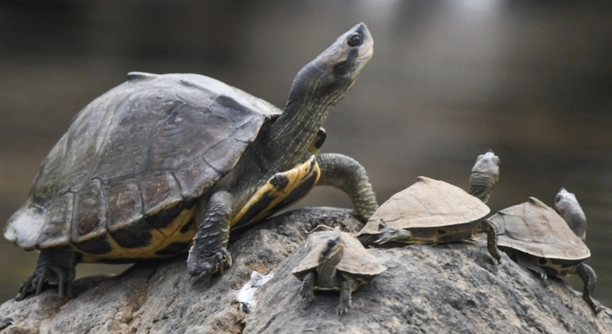
Some pet owners notice their Indian Roofed Tortoise ignoring their water bowl, which may leave them wondering about the cause. Understanding the reasons behind this behavior can help improve your pet’s environment and wellbeing.
The main reasons your Indian Roofed Tortoise may avoid its water bowl are environmental factors, lack of habit, water temperature, stress, or even the bowl’s placement. Identifying these factors can help encourage better hydration habits for your pet.
By exploring the causes behind this behavior, you’ll be better equipped to address the issue. Creating a comfortable and consistent environment will promote healthier habits and overall happiness for your tortoise.
Uncomfortable or Inadequate Environment
If the environment where your tortoise lives isn’t right, it can make your pet avoid the water bowl. Tortoises need a warm, humid habitat to feel comfortable and secure. If the enclosure is too dry or the temperature is inconsistent, they may refuse to drink. It’s important to maintain a proper balance of warmth and moisture in their surroundings. A dry environment can make your tortoise hesitant to approach the water bowl since it doesn’t feel like the right place for hydration.
The ideal temperature for your Indian Roofed Tortoise is between 85 and 95°F during the day, with a cooler spot for resting. Humidity levels should also be carefully monitored to make sure your tortoise stays comfortable.
Adding a humidity gauge and making adjustments to the enclosure will help ensure your tortoise feels safe enough to drink regularly. Creating the right environment can encourage your tortoise to make use of its water bowl. Regular checks and adjustments to the habitat can make a big difference in your pet’s hydration habits.
Stress and Anxiety
Stress can cause your tortoise to avoid drinking. Changes in its surroundings or routine can affect its behavior.
Tortoises are sensitive to changes like loud noises, new pets, or even a change in their routine. These stressors can cause them to avoid their water bowl, leaving them feeling unsettled. When they are stressed, they might avoid any activity that requires them to leave their safe space, including drinking. Keeping their space quiet and peaceful can help.
Try to minimize sudden changes to your tortoise’s enclosure. Give it time to adjust to any new elements, whether that’s a new decoration or a shift in its feeding schedule. Creating a calm environment where your tortoise feels safe can encourage it to drink from its water bowl again.
Water Temperature
If the water temperature is too cold or too hot, your tortoise may avoid the bowl. Tortoises prefer water that’s comfortably warm. Too cold, and it may feel unpleasant; too hot, and it could be uncomfortable. Finding the right balance is key to ensuring your tortoise stays hydrated.
The water should be lukewarm, around 75-85°F. This temperature range feels natural to your tortoise and encourages it to drink. Too cold or too hot water can make your tortoise hesitant to use the bowl. You can easily adjust the temperature by adding warm water to a cooler bowl or replacing it with fresh lukewarm water.
It’s important to test the water temperature regularly to ensure it stays within the right range. An affordable thermometer placed near the water bowl can help you monitor it throughout the day. Keeping the water comfortable will encourage your tortoise to drink more often and stay hydrated.
Unfamiliar Water Bowl
Sometimes, your tortoise may not drink from the bowl simply because it is unfamiliar with it. A new bowl, especially one with a different shape or material, can confuse your pet. If your tortoise is used to a specific type of bowl, it may avoid drinking from a new one.
Try using a low, wide bowl made from a natural material, such as ceramic, which can mimic the type of surface your tortoise would encounter in its natural habitat. A shallow bowl is also a good option to make it easy for your tortoise to access the water. Ensuring that the bowl is stable and doesn’t tip over easily will make your tortoise feel secure while drinking.
Consistency is key when introducing a new bowl. Give your tortoise some time to adjust, and consider placing the water in the same spot it was before. This can help the tortoise associate the new bowl with its regular water source, eventually encouraging it to drink from it.
Lack of Hydration Habits
If your tortoise has never developed a consistent drinking habit, it may not recognize the importance of using its water bowl. Tortoises are creatures of habit, and it may take time to establish this behavior.
Try placing your tortoise in front of the water bowl regularly, especially after meals or in the morning. This can help create a routine. If your tortoise doesn’t drink immediately, don’t be discouraged. Over time, the action of seeing and interacting with the bowl will encourage it to drink.
Bowl Placement
The placement of the water bowl matters more than you might think. If it’s in a corner or far from the tortoise’s usual path, it may not use it.
Position the water bowl where your tortoise naturally roams. This could be near their basking spot or wherever they spend most of their time. Avoid placing it in dark corners or hard-to-reach areas. A well-placed bowl will make it easier for your tortoise to stay hydrated.
Water Quality
Dirty or contaminated water can discourage your tortoise from drinking. Even if the bowl is easily accessible, poor water quality might be the issue.
Clean the water bowl regularly, removing debris and old water to keep it fresh. Consider changing the water daily, especially in warmer months when bacteria can grow quickly. This simple step helps keep the water clean and attractive to your tortoise, ensuring it drinks more often.
FAQ
Why isn’t my tortoise drinking water?
There are several reasons why your tortoise might avoid drinking water. Common causes include improper environmental conditions, such as incorrect temperature or humidity levels, a dirty water bowl, or water that is too cold or too hot. Stress from changes in its surroundings or routine may also cause the tortoise to avoid drinking. The key is to observe your tortoise’s behavior and look for factors that could be affecting its comfort and hydration.
How do I encourage my tortoise to drink more water?
To encourage your tortoise to drink more water, you should ensure its environment is ideal. Make sure the temperature and humidity levels are correct. You can also try placing the water bowl in a more accessible spot where the tortoise feels comfortable. If the water temperature is too cold or too warm, adjust it to a lukewarm temperature. Additionally, offering fresh water daily and cleaning the bowl regularly can also encourage your tortoise to hydrate.
How often should I change my tortoise’s water?
Water should be changed daily to keep it clean and free from bacteria or debris. Even if your tortoise isn’t drinking from the bowl regularly, it’s important to maintain good hygiene in its environment. Regularly refreshing the water helps promote hydration and prevents contamination, ensuring the water remains appealing.
Can I offer my tortoise water from a different source?
Yes, you can offer your tortoise water from different sources. Some tortoises prefer slightly different types of water, such as rainwater or filtered water, over tap water. Ensure the water you offer is free from chemicals like chlorine, as these can be harmful to your tortoise. You could try using purified or bottled water, but always ensure it’s at the right temperature and clean.
Should I worry if my tortoise isn’t drinking much water?
If your tortoise isn’t drinking water regularly, it could indicate an issue with its environment or health. Dehydration can lead to serious health problems, so it’s important to address the cause promptly. Check its habitat conditions, such as temperature, humidity, and water quality. If there is no improvement, consult a veterinarian to rule out any underlying health issues.
Can my tortoise get enough hydration from food?
Tortoises do get some hydration from their food, especially if you’re feeding them water-rich vegetables like leafy greens, cucumbers, or bell peppers. However, this should not replace access to fresh water. Even with a diet high in water-rich foods, your tortoise needs a consistent supply of clean, fresh water to stay fully hydrated.
Is it normal for my tortoise to avoid water after it has been placed in a new bowl?
Yes, it is normal for your tortoise to be hesitant around a new water bowl. Tortoises are creatures of habit, and sudden changes in their environment or routine may make them hesitant. If you’ve recently changed the water bowl or its location, give your tortoise some time to adjust. Be patient and make sure the new bowl is easy to access and in a comfortable spot.
How can I tell if my tortoise is dehydrated?
Signs of dehydration in tortoises include lethargy, dry skin, sunken eyes, and a lack of interest in food or water. You may also notice that your tortoise’s shell feels soft or slightly wrinkled. If you suspect dehydration, it’s important to address it immediately by improving access to fresh water and adjusting the environment to be more comfortable. If the issue persists, it’s best to consult a vet for proper treatment.
Can my tortoise drink from a shallow dish instead of a deep bowl?
Yes, a shallow dish is often a better option than a deep bowl. It allows your tortoise to drink without feeling overwhelmed or unable to reach the water. The shallow bowl should be wide enough to accommodate the tortoise’s head comfortably and prevent it from tipping over easily. This also makes it easier for your tortoise to drink, especially if it’s a smaller species.
Should I offer my tortoise water with added supplements?
Generally, your tortoise should be drinking plain water, as adding supplements could interfere with its hydration. However, if your vet has recommended a specific supplement, such as one for calcium or other nutrients, follow their advice. Always ensure the water is clean, free from chemicals, and at the right temperature before offering it to your tortoise.
Final Thoughts
Getting your Indian Roofed Tortoise to use its water bowl regularly requires patience and attention to its environment. Tortoises are creatures of habit, and small changes in their surroundings can have a big impact on their behavior. The right temperature, humidity, and water quality are key factors in encouraging your tortoise to drink. It’s important to regularly monitor these elements in their enclosure to ensure they feel comfortable and safe enough to hydrate.
Sometimes, it’s a matter of getting your tortoise used to a new water bowl or a new placement. Tortoises may avoid unfamiliar things, so give them time to adjust. Keep the water bowl clean and change the water daily to maintain its appeal. Placing the bowl in a spot where your tortoise naturally roams can also make a difference. A low, stable bowl will help your tortoise feel more secure when drinking. Remember, consistency and routine are important when encouraging your tortoise to drink from its bowl.
If your tortoise still isn’t using its water bowl, take a closer look at its overall health and environment. Stress, health issues, or a lack of proper hydration habits may be contributing to the problem. If the situation doesn’t improve after adjusting environmental factors, consulting a vet can help ensure your tortoise’s health is not at risk. Your tortoise’s hydration is important for its overall well-being, and taking the time to understand its needs will help you provide the best care.

Hello,
If you enjoy the content that we create, please consider saying a "Thank You!" by leaving a tip.
Every little bit helps us continue crafting quality advice that supports the health, happiness, and well-being of pets around the world, for pets of all shapes, sizes, and species.
We really appreciate the kindness and support that you show us!