
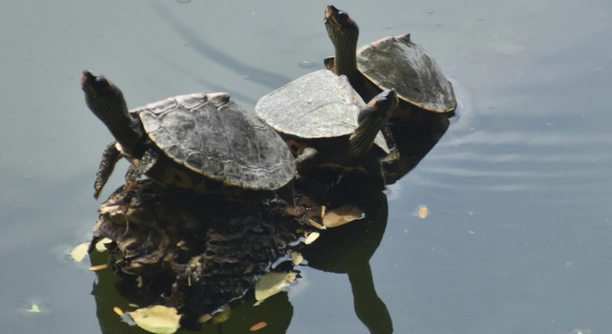
Is your Indian roofed tortoise acting differently, seeming less active, or spending more time hiding? Recognizing signs of loneliness in your pet is important for its overall well-being and happiness. Understanding these behaviors can help you provide the best care.
Indian roofed tortoises can feel lonely when they lack social interaction, mental stimulation, or an enriched environment. Signs of loneliness include reduced activity, lack of appetite, excessive hiding, or repetitive behaviors. Addressing these issues can improve their health and quality of life.
A lonely tortoise may not thrive as well as one that feels engaged in its habitat. Providing enrichment and proper care will help ensure your tortoise remains happy and active.
Signs Your Indian Roofed Tortoise Might Be Lonely
A lonely Indian roofed tortoise may show clear changes in behavior. It might become less active, spending more time hiding or staying in one spot. A decrease in appetite is another sign, as loneliness can lead to stress, affecting eating habits. Some tortoises develop repetitive behaviors, such as pacing or rubbing against objects, indicating boredom or distress. If your tortoise seems uninterested in its surroundings or rarely explores, it may be feeling lonely. Changes in sleep patterns, such as excessive sleeping or restlessness, can also be signs of loneliness. Paying attention to these small shifts in behavior can help you understand what your tortoise needs.
A tortoise that lacks interaction or stimulation may start showing signs of frustration. It might react less to feeding times or become more withdrawn. If you notice these changes, making adjustments to its environment can help.
Creating a more engaging habitat can prevent loneliness. Providing hiding spots, climbing structures, and different textures can keep your tortoise stimulated. A larger enclosure with varied terrain allows for exploration, making the space feel less empty. Simple additions like logs, plants, or a shallow water dish encourage movement and activity. Keeping the environment dynamic is an effective way to keep your tortoise content.
How to Keep Your Tortoise Engaged
A bored tortoise is less likely to be active or responsive. Adding enrichment to its enclosure can improve its well-being and prevent loneliness. Small changes can make a big difference in keeping your tortoise engaged.
Introducing new objects regularly can make the habitat more interesting. Rearranging items or adding safe plants encourages exploration. Providing food puzzles or hiding treats under leaves can stimulate natural foraging instincts. Tortoises enjoy having different textures to walk on, such as smooth stones, bark, or soft grass. If your tortoise seems uninterested in its space, small adjustments can make it more exciting.
Temperature and lighting also play a role in keeping your tortoise engaged. Ensuring it has a proper basking area and shaded spots allows for natural movement throughout the day. A well-balanced diet with fresh greens, fruits, and occasional protein sources supports overall health. Observing your tortoise’s reactions to changes in its space will help you understand what makes it more active and content.
The Role of Social Interaction
Indian roofed tortoises do not require constant companionship, but they still benefit from occasional interaction. A lack of stimulation can lead to boredom and stress. Providing regular engagement, either through human interaction or environmental enrichment, helps maintain their mental and physical well-being.
Spending time near your tortoise can make a difference. While they may not seek attention like other pets, they recognize routines and associate you with positive experiences. Hand-feeding treats, gently misting their shell, or sitting near their enclosure can provide a sense of companionship. Some tortoises respond to gentle handling, but always observe their reactions. If they seem stressed or retreat into their shell, limit handling and focus on indirect interactions instead.
Adding another tortoise is an option, but it requires careful planning. Not all tortoises tolerate companionship, and territorial behavior can occur. If introducing a second tortoise, monitor their interactions closely. Separate enclosures may be necessary if aggression arises.
Creating a Stimulating Environment
A well-designed habitat keeps your tortoise active and engaged. The enclosure should have a variety of surfaces, hiding spots, and climbing opportunities. Logs, rocks, and plants encourage movement and exploration. Providing a basking area with proper lighting helps maintain their natural activity patterns.
Changing the habitat occasionally prevents boredom. Rearranging decorations or adding new elements stimulates curiosity. Introducing different textures, such as moss, sand, or bark, adds variety. A shallow water dish for soaking can also enhance comfort and hydration. Creating a space that mimics their natural environment keeps them healthier and more engaged.
Recognizing Signs of Stress
Stress in an Indian roofed tortoise can manifest in various ways, from refusal to eat to excessive hiding. A stressed tortoise may also be more lethargic than usual. Watching for these signs can help you understand if it’s due to loneliness or another factor.
Over time, stress can affect a tortoise’s health. If your tortoise is constantly hiding, pacing, or refusing food, these behaviors are signals to reassess its environment or routine. Addressing the source of stress will lead to a more relaxed and healthier pet.
Temperature and Lighting Needs
Indian roofed tortoises rely on proper lighting and temperature to stay healthy and active. A basking spot with a heat lamp helps regulate their body temperature, while UVB lighting promotes shell health. Keeping these elements in check ensures your tortoise feels comfortable and engaged.
Without proper temperature gradients, your tortoise may become lethargic or avoid moving around its enclosure. Ensure that the basking area stays between 85–90°F, and the cooler side stays around 75–80°F. Adding a thermometer will help maintain these essential ranges.
Feeding to Promote Health
Feeding your tortoise the right foods is key to its overall well-being. Offering a balanced diet of leafy greens, vegetables, and occasional fruits supports its health and energy levels. A proper diet can also improve its mood and prevent feelings of loneliness.
A tortoise that is well-fed will likely be more active and less withdrawn. Providing fresh foods and keeping mealtime consistent helps maintain their interest in their surroundings. Avoid overfeeding or underfeeding, as both can negatively impact their health and behavior.
FAQ
How do I know if my Indian roofed tortoise is lonely?
Loneliness in tortoises may show in behaviors like hiding, reduced activity, or pacing. If your tortoise isn’t eating or is sleeping too much, it might be feeling isolated. Pay attention to how often your tortoise moves around and interacts with its environment. If it’s spending long periods of time in one spot or seems uninterested in its surroundings, it could be a sign that it needs more stimulation or interaction.
Can I keep two Indian roofed tortoises together?
While it is possible to keep two tortoises together, it requires caution. Some tortoises can become territorial and aggressive, especially if the enclosure isn’t large enough. If you plan to house two tortoises together, make sure their space is big enough for both to have their own areas. Monitor them closely for signs of stress or aggression. In some cases, it may be better to keep them in separate enclosures to avoid fighting or stress-related issues.
How can I improve my tortoise’s environment to make it feel less lonely?
To reduce loneliness, create an enriching environment. Add hiding spots, climbing structures, and different textures for exploration. Use rocks, logs, or plants to provide variety. Regularly change the layout to keep the space exciting and prevent boredom. Offering fresh food and varying your tortoise’s diet can also help maintain interest and activity. Consider adding safe, non-toxic plants to the habitat to encourage foraging behavior.
Can I interact with my tortoise to help it feel less lonely?
Yes, your tortoise may enjoy mild interaction, but it’s important to understand its preferences. Some tortoises are more social than others. You can sit near its enclosure, gently talk to it, or offer food by hand. If your tortoise seems interested in you, gentle handling might be acceptable. However, if it hides or retreats into its shell when approached, it may prefer space.
How often should I feed my Indian roofed tortoise?
Feed your tortoise daily, offering a variety of leafy greens, vegetables, and occasional fruits. Providing a balanced diet is essential for maintaining its health. You can offer a fresh meal each day, but remove any uneaten food after a few hours to prevent it from spoiling. Make sure to include calcium and fiber in the diet to support shell growth and digestive health.
Can loneliness affect my tortoise’s health?
Yes, loneliness can affect your tortoise’s physical and mental health. A stressed tortoise may become lethargic, lose its appetite, or develop behavioral issues. Over time, this can weaken its immune system and make it more susceptible to illness. To ensure your tortoise stays healthy, maintain a balanced environment with enough stimulation to reduce stress.
Do Indian roofed tortoises need constant companionship?
Indian roofed tortoises are generally solitary animals in the wild and do not require constant companionship. However, they benefit from environmental enrichment, which can include interaction with their owners or the presence of another tortoise, depending on their temperament. If you can’t provide constant attention, make sure their environment is stimulating enough to keep them engaged.
How can I prevent my tortoise from becoming stressed?
To prevent stress, keep your tortoise’s enclosure clean, properly heated, and spacious. Provide a variety of textures and hiding spots. Ensure it has access to fresh food and water regularly. Avoid overcrowding the enclosure with other animals and monitor your tortoise’s behavior for signs of discomfort. Consistent care and a stable routine can help reduce stress.
Should I get another tortoise to keep my tortoise company?
Introducing another tortoise might work, but it’s not always the best solution. Some tortoises prefer to be alone and can show aggression or stress when housed with another. If you decide to introduce a second tortoise, make sure their space is large enough to avoid territorial disputes. Start with separate enclosures and gradually allow them to interact under supervision. If there’s aggression or excessive stress, it’s best to keep them apart.
How long can my tortoise go without food?
Indian roofed tortoises can go without food for several days, but it’s not ideal. In the wild, they may fast for short periods due to food scarcity. However, prolonged fasting can cause health problems. It’s important to ensure your tortoise is eating regularly and has access to fresh food. If it refuses to eat for more than a few days, it may be a sign of stress, illness, or discomfort, and you should consult a veterinarian.
Is it okay to let my tortoise roam outside?
Letting your tortoise roam outside can be beneficial for natural sunlight and exercise, but it must be done safely. Ensure the area is secure and free of potential predators, such as dogs or other animals. Also, make sure the temperature is appropriate for your tortoise. Never leave it outside unattended. Outdoor exploration should be in a safe, enclosed area to prevent escape.
How can I tell if my tortoise is happy?
A happy tortoise is usually active, exploring its environment, and eating well. It should show curiosity by moving around the enclosure, climbing over objects, or foraging. If your tortoise reacts positively to interaction, such as approaching the glass when you’re nearby or eating from your hand, it is likely content. A healthy appetite and regular activity are good signs of happiness.
Final Thoughts
Caring for an Indian roofed tortoise involves more than just providing food and water. It’s important to pay attention to their behaviors and make sure their environment supports their physical and mental well-being. Tortoises are unique creatures that require stimulation, comfort, and care to thrive. If your tortoise seems lonely, stressed, or inactive, it may be a sign that its needs aren’t being met. Addressing these issues can improve its health and happiness in the long run.
One of the key factors in ensuring a happy tortoise is creating an enriched environment. Tortoises need space to roam, explore, and hide. By adding logs, rocks, plants, and varied textures, you can help prevent boredom. A variety of surfaces and hiding spots encourages natural behavior and gives your tortoise places to feel secure. Keep in mind that their environment should not only be spacious but also safe from dangers like predators or hazards that could harm them. Regularly changing the layout of their enclosure keeps it interesting, helping your tortoise stay active and engaged.
While an Indian roofed tortoise may not need constant companionship, they still benefit from regular interaction with their owner. Spending time with your tortoise—whether it’s through gentle handling, offering food, or simply sitting near its enclosure—helps strengthen the bond between you and your pet. Recognizing signs of stress, such as a lack of appetite or unusual hiding, can help you adjust your care routine. Ultimately, a well-balanced diet, proper lighting, and a stimulating environment are the best ways to ensure that your tortoise stays healthy and happy for years to come.

Hello,
If you enjoy the content that we create, please consider saying a "Thank You!" by leaving a tip.
Every little bit helps us continue crafting quality advice that supports the health, happiness, and well-being of pets around the world, for pets of all shapes, sizes, and species.
We really appreciate the kindness and support that you show us!