
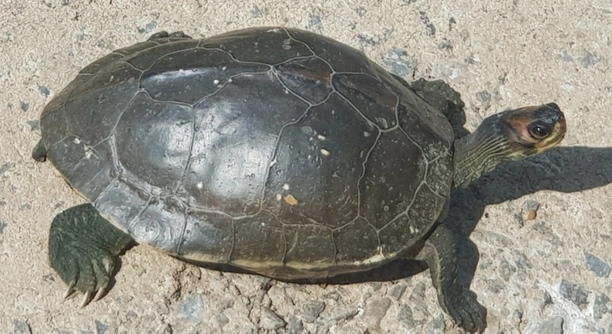
Indian roofed tortoises are fascinating pets, but like all reptiles, they have specific care needs. One of the most important factors in their health is proper UVB exposure. Without it, they may develop serious health problems.
UVB light is essential for Indian roofed tortoises as it helps them produce vitamin D3, which is crucial for calcium absorption and bone health. Insufficient UVB exposure can lead to metabolic bone disease and other health issues.
Ensuring your tortoise receives adequate UVB light is key to maintaining its well-being. The right lighting setup can prevent health complications and improve your tortoise’s overall quality of life.
Understanding the Importance of UVB for Your Tortoise
UVB light is vital for the health of your Indian roofed tortoise. Without proper exposure, they cannot synthesize vitamin D3, which helps them absorb calcium. Calcium is essential for strong bones and shell growth. Without enough UVB, tortoises are at risk for developing metabolic bone disease, a condition where bones become weak and deformed. This can lead to severe health problems and even death if left untreated.
Providing proper UVB lighting is necessary, whether through natural sunlight or specialized UVB bulbs. In captivity, it can be difficult for tortoises to get enough natural sunlight, especially if they are housed indoors. Even outdoor enclosures may not offer consistent access to UVB rays depending on location and time of year.
UVB exposure also regulates your tortoise’s circadian rhythm and overall well-being. Tortoises are naturally active during daylight hours and depend on a reliable day-night cycle. UVB bulbs that simulate natural sunlight can provide these cues, encouraging proper behavior and health. Regular exposure to UVB helps your tortoise feel more comfortable in its environment.
Signs Your Tortoise Needs More UVB
Your tortoise’s behavior and appearance can indicate a lack of UVB exposure. If you notice your pet becoming more lethargic, hiding frequently, or not eating as much, these could be signs of insufficient UVB.
Lack of UVB can lead to significant changes in your tortoise’s physical health. Without adequate UVB, the shell may become soft or weakened, and bones can become misshapen. If you notice these signs, it is important to address the issue as soon as possible. Metabolic bone disease can be difficult to treat but is preventable with proper UVB exposure.
To avoid these risks, ensure your tortoise has access to proper UVB lighting for at least 10-12 hours per day. If you’re using artificial lighting, replace the bulbs every 6 months, as UVB output weakens over time. Regularly monitor your tortoise’s behavior and appearance for early signs of UVB deficiency to address the issue before it becomes serious.
Types of UVB Lighting for Your Tortoise
There are two main types of UVB lighting for tortoises: fluorescent bulbs and mercury vapor bulbs. Fluorescent bulbs are the most commonly used and affordable, while mercury vapor bulbs provide both heat and UVB light in one.
Fluorescent UVB bulbs should be placed within 12-18 inches of your tortoise. They are effective but only provide UVB in a limited area, so placement is key. These bulbs need to be replaced every 6 months, even if they appear to still work. Over time, their UVB output decreases, which may not be visible to the human eye.
Mercury vapor bulbs, on the other hand, can be placed further away and provide a broader spectrum of UVB light. They also generate heat, which can be beneficial for maintaining a proper basking temperature. These bulbs are more expensive but can last up to a year or longer, depending on use.
Choosing the Right Setup for Your Tortoise’s Habitat
When setting up UVB lighting, it’s important to create an environment that mimics your tortoise’s natural habitat. Your enclosure should have a basking area with UVB light and a cooler area for rest.
Consider your tortoise’s size and activity level. If they are in a larger enclosure, you may need more than one UVB source to cover the space evenly. Be sure to position the lights properly so your tortoise can bask underneath them without any obstacles blocking the light. You can use a timer to ensure the lights stay on for the right amount of time. UVB exposure should follow a natural day-night cycle, so keep the light on for 10-12 hours each day.
It’s also important to monitor the temperature of the basking area. UVB bulbs can produce heat, which can raise the temperature. Keep it between 85°F and 90°F (29-32°C) for the tortoise to be comfortable. An area that’s too hot or too cold can stress your tortoise, so adjust the lights to maintain a stable environment.
Risks of Insufficient UVB Exposure
Without enough UVB light, your tortoise can develop metabolic bone disease, causing weak bones and a soft shell. This can make movement difficult and lead to deformities. Lack of UVB can also cause poor appetite and lethargy.
A tortoise that doesn’t receive proper UVB may struggle to absorb calcium, leading to bone fractures or a soft, deformed shell. This condition is painful and, if untreated, can be fatal. The risk increases if you don’t replace the UVB bulbs regularly. Be proactive and ensure your tortoise’s lighting setup is working properly.
Monitoring Your Tortoise’s Health
Regularly observe your tortoise’s behavior and health. If it starts eating less, appears weak, or has a soft shell, it might need more UVB light. A healthy tortoise should be active, feeding well, and have a firm shell.
Make sure to examine your tortoise regularly for signs of soft or malformed bones, and check their appetite and activity levels. If any of these changes occur, it’s best to adjust the lighting or consult with a vet.
Replacing UVB Bulbs
UVB bulbs lose their effectiveness over time, even if they still produce visible light. It’s essential to replace them every 6 months to ensure proper exposure. Even the best UVB bulbs degrade over time, leading to inadequate lighting.
FAQ
How do I know if my UVB bulb is still working?
UVB bulbs degrade over time, and even if the light seems bright, they may not be providing the proper UVB rays. One way to check if the bulb is still effective is by using a UVB meter, which measures the actual UV output. If you don’t have a UVB meter, it’s recommended to replace the bulb every 6 months to ensure proper UVB exposure.
Can my tortoise get enough UVB from natural sunlight?
Yes, your tortoise can get UVB from natural sunlight, but the exposure must be direct. Placing your tortoise in a sunny area for about 30 minutes to 2 hours daily is ideal, depending on the weather. Ensure your tortoise is outside when the sun is strong enough to produce UVB rays. Be cautious of cloudy days or windows blocking UVB, as they can prevent your tortoise from getting the necessary light.
What happens if my tortoise gets too much UVB?
Too much UVB exposure can lead to sunburn, dehydration, and stress. Excessive UVB can cause your tortoise to overheat or become dehydrated, as the heat from the light can make the environment too warm. Always monitor the temperature in the basking area and make sure there are cooler spots in the enclosure for your tortoise to rest. If your tortoise starts showing signs of distress, such as staying in the shade or becoming inactive, it may be a sign they’re getting too much UVB or heat.
Can UVB bulbs be used for both heat and light?
Yes, there are UVB bulbs available that also provide heat, known as mercury vapor bulbs. These are convenient because they combine both UVB and heat in one light source. However, these bulbs can be more expensive than fluorescent UVB bulbs and may generate more heat, so you need to monitor your enclosure’s temperature closely. They’re especially helpful for larger enclosures or if you have a basking area that requires extra heat.
Do UVB bulbs emit heat?
Some UVB bulbs, especially mercury vapor bulbs, do emit heat along with UVB rays. This can be beneficial for providing a basking spot in your tortoise’s enclosure. Fluorescent UVB bulbs, on the other hand, typically do not produce much heat. If you’re using a fluorescent UVB bulb, you may need a separate heat source like a heat lamp to regulate the temperature.
Can I use a regular light bulb for my tortoise’s UVB needs?
No, regular light bulbs do not provide the necessary UVB rays that tortoises need. While they may provide visible light, they don’t help with the production of vitamin D3, which is essential for calcium absorption. You need a specialized UVB bulb to meet your tortoise’s needs. Fluorescent and mercury vapor UVB bulbs are designed to mimic the sun’s natural UVB rays and are the best options for your tortoise’s health.
How far should the UVB light be from my tortoise?
The distance between the UVB light and your tortoise depends on the type of bulb you use. For fluorescent UVB bulbs, place them about 12-18 inches above the basking area. Mercury vapor bulbs can be placed further away but should be positioned so that the basking area reaches the ideal temperature. Always check the manufacturer’s instructions for the recommended distance for optimal UVB exposure.
How long should I leave the UVB light on each day?
UVB light should be provided for 10-12 hours per day to mimic a natural day-night cycle. This helps regulate your tortoise’s circadian rhythm, which is important for their overall health. Use a timer to ensure the light stays on for a consistent amount of time. At night, the light should be turned off to give your tortoise a rest.
Can I use a UVB light for my tortoise if it is in a glass enclosure?
Glass can block some UVB rays, so if your tortoise is housed in a glass enclosure, it may not get the full benefits of the UVB light. You’ll need to ensure that the UVB bulb is positioned close enough to provide effective exposure. Alternatively, you could use a mesh or screen top to allow the UVB rays to reach your tortoise. If using a glass tank, make sure to test the light to ensure your tortoise is getting the proper amount of UVB.
Should I supplement my tortoise’s diet with vitamin D3?
Vitamin D3 supplementation is not necessary if your tortoise is getting enough UVB exposure, as UVB light helps them produce their own vitamin D3. However, if your tortoise is not getting adequate UVB light or has health issues related to calcium absorption, a vitamin D3 supplement may be recommended by your vet. Always consult with a veterinarian before adding any supplements to your tortoise’s diet.
Do tortoises need UVB light in the winter?
Yes, tortoises still need UVB light during the winter months, even if they are kept indoors. During winter, they may not have access to enough natural sunlight, so it’s crucial to provide artificial UVB lighting to maintain their health. Even if the temperature is cooler, keeping the light on for 10-12 hours each day is important to mimic the natural cycle and ensure proper vitamin D3 production.
Can I use a UVB light for more than one tortoise?
Yes, you can use the same UVB light for more than one tortoise as long as the light reaches all of them equally. If your enclosure is large, you may need multiple lights or a more powerful bulb to ensure that each tortoise has access to the UVB rays. Make sure all areas of the enclosure have access to both UVB light and heat for optimal health.
Final Thoughts
Ensuring that your Indian roofed tortoise gets the proper UVB exposure is essential for its overall health. UVB light helps tortoises produce vitamin D3, which is vital for calcium absorption and bone health. Without enough UVB, your tortoise can develop serious health issues like metabolic bone disease, which can affect its bones, shell, and overall well-being. It is important to understand that UVB light is just as important as the right diet, temperature, and habitat setup. If you notice your tortoise becoming more lethargic, eating less, or showing signs of shell softness, it could be a sign that it needs more UVB light.
Regularly checking your tortoise’s behavior and physical condition will help you identify any signs that it might be suffering from a lack of UVB exposure. Providing the correct type of UVB lighting, whether fluorescent or mercury vapor, is necessary. Fluorescent bulbs are effective for smaller enclosures, while mercury vapor bulbs are better for larger spaces as they also provide heat. UVB bulbs should be replaced every six months to ensure they are still providing effective exposure. Keeping the basking area properly lit for 10-12 hours each day is key to mimicking a natural day-night cycle. Be mindful of the distance between the light and your tortoise to avoid excessive heat or inadequate UVB exposure.
By taking the time to set up the right environment for your tortoise, you can help it live a healthier and happier life. UVB light is a simple but crucial factor in your tortoise’s care routine. Along with proper diet, hydration, and temperature, UVB lighting will ensure your tortoise thrives in captivity. Always monitor the temperature and adjust the light as needed to avoid creating an environment that’s too hot or too cold. With the right setup, your tortoise can enjoy a healthy, active life with fewer health risks related to improper UVB exposure.

Hello,
If you enjoy the content that we create, please consider saying a "Thank You!" by leaving a tip.
Every little bit helps us continue crafting quality advice that supports the health, happiness, and well-being of pets around the world, for pets of all shapes, sizes, and species.
We really appreciate the kindness and support that you show us!