
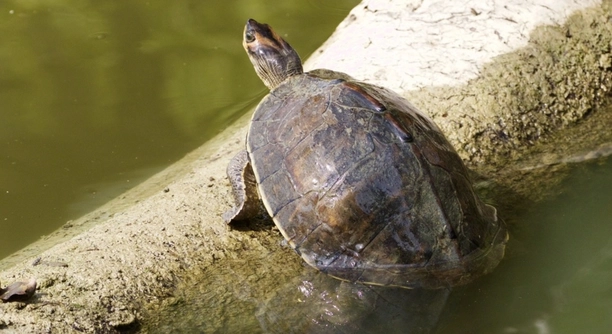
Leafy greens are a healthy and essential part of an Indian Roofed Tortoise’s diet. Knowing which greens are safe and beneficial for them is important for their overall health. Not all leafy vegetables are suitable for these tortoises, so it’s crucial to choose wisely.
Indian Roofed Tortoises can safely eat several types of leafy greens, including dandelion greens, collard greens, mustard greens, turnip greens, and kale. These greens provide essential nutrients like calcium, fiber, and vitamins that promote a healthy digestive system and strong shell development.
Understanding which leafy greens are safe for your tortoise can help you provide a nutritious diet. It’s just as important to be aware of what to avoid for their well-being.
Safe Leafy Greens for Indian Roofed Tortoises
Indian Roofed Tortoises thrive on a variety of leafy greens, which are a key part of their diet. Offering them fresh and pesticide-free greens ensures they get the nutrients they need. Dandelion greens are a top choice, rich in calcium and antioxidants. They also support healthy digestion, essential for tortoises. Collard greens and mustard greens are also great options, providing fiber and important vitamins. Turnip greens are another excellent choice, helping to maintain strong bones. Kale, when offered in moderation, can also be included for added variety. It’s important to rotate these greens for a balanced diet.
These greens provide your tortoise with all the necessary nutrients for healthy growth. Regularly feeding them a mix of these vegetables will help avoid nutritional deficiencies.
Offering a variety of leafy greens also keeps your tortoise engaged and interested in its meals. Always make sure to wash the greens thoroughly to remove any dirt or pesticides. Keep an eye on how your tortoise responds to different greens to ensure they are getting the right nutrition.
What to Avoid for Indian Roofed Tortoises
Not all leafy greens are suitable for Indian Roofed Tortoises. Some can cause health issues.
Certain vegetables, like spinach, contain oxalates that can interfere with calcium absorption. Feeding them too much spinach can lead to health problems. Similarly, iceberg lettuce provides little nutritional value and can lead to digestive issues. Swiss chard is also high in oxalates, which can be harmful in large quantities. Stay away from these greens to ensure your tortoise stays healthy.
Nutritional Benefits of Leafy Greens for Indian Roofed Tortoises
Leafy greens are packed with essential nutrients that support the overall health of Indian Roofed Tortoises. These greens provide calcium, fiber, and vitamins that help maintain strong bones and a healthy digestive system. They also promote proper hydration, which is crucial for a tortoise’s well-being.
Calcium is particularly important for tortoises to maintain a strong shell and bones. Greens like dandelion and collard greens are especially rich in calcium, which helps prevent shell deformities and supports proper growth. Fiber, found in greens like mustard and turnip, aids digestion and helps regulate bowel movements. Vitamins A and C from these greens help boost the immune system, ensuring your tortoise remains healthy.
Offering a variety of greens ensures your tortoise receives a balanced diet. It’s essential to rotate the types of greens offered, as each has different nutritional benefits. This not only provides a well-rounded diet but also keeps your tortoise interested in its meals.
How to Prepare Leafy Greens for Indian Roofed Tortoises
Properly preparing leafy greens is essential to ensure they are safe for your tortoise. Always wash the greens thoroughly to remove dirt, pesticides, or any chemicals that might harm your tortoise. If the greens are not organic, washing them multiple times is a good practice.
Chop the greens into bite-sized pieces to make them easier for your tortoise to eat. Large leaves can be difficult to manage, especially for younger tortoises. Make sure to remove any stems, as these can be tough and difficult to digest. Serving the greens fresh is best, as they lose their nutritional value over time. It’s also recommended to serve the greens at room temperature to prevent digestive issues.
If you are mixing different greens, avoid overfeeding any one type to maintain balance. Offer a range of leafy vegetables regularly and ensure that your tortoise has access to fresh water at all times.
Frequency of Leafy Greens in an Indian Roofed Tortoise’s Diet
Leafy greens should be provided daily to maintain a healthy diet for your Indian Roofed Tortoise. A balanced mix of greens can keep their system running smoothly, supporting digestion and bone health. Too much of any one type can lead to imbalances, so variety is key.
Offering a mix of leafy greens each day ensures your tortoise gets a full range of nutrients. Make sure not to overfeed high-oxalate greens, like spinach, which can cause health issues over time. The goal is to provide a variety without overwhelming your tortoise with too much of one kind.
Hydration and Leafy Greens for Tortoises
Leafy greens contribute to hydration, which is crucial for Indian Roofed Tortoises. The moisture content in greens like lettuce and dandelion helps keep your tortoise hydrated. Proper hydration supports healthy organ function and aids in digestion.
While leafy greens help with hydration, it’s still important to provide fresh water for your tortoise. Having access to clean water will prevent dehydration, especially in dry conditions. Always check that your tortoise’s water is fresh and free of contaminants to support overall health.
Leafy Greens as a Supplement to Other Foods
Leafy greens should be part of a varied diet that includes other vegetables, fruits, and safe proteins. While greens provide essential nutrients, adding variety ensures your tortoise gets a broad range of vitamins and minerals. Some fruits like apples and berries can add a sweet treat to their diet.
Including occasional protein sources like insects or cooked eggs can also support growth and shell health. Avoid feeding too much fruit or protein, as it can upset their digestion. A balanced approach with different foods ensures a well-rounded diet that keeps your tortoise healthy and thriving.
FAQ
What leafy greens can I feed my Indian Roofed Tortoise?
Indian Roofed Tortoises can enjoy a variety of leafy greens such as dandelion greens, collard greens, mustard greens, turnip greens, and kale. These are all nutritious and provide the calcium, fiber, and vitamins your tortoise needs. It’s best to offer a rotation of these greens to ensure a well-balanced diet. Make sure the greens are fresh, and always wash them thoroughly to remove any dirt or pesticides before serving.
Can I feed my Indian Roofed Tortoise spinach?
Spinach contains high levels of oxalates, which can interfere with calcium absorption and potentially cause kidney issues in tortoises if fed regularly. While an occasional small amount of spinach won’t harm your tortoise, it should not be a regular part of their diet. It’s safer to stick to greens like dandelion, collard, and mustard greens instead.
How often should I feed leafy greens to my Indian Roofed Tortoise?
Leafy greens should be offered daily to your Indian Roofed Tortoise. A daily supply of fresh greens provides necessary vitamins and minerals, supporting healthy digestion and strong shell growth. However, it’s important to provide a variety of greens each day to ensure your tortoise gets a balanced diet and doesn’t develop nutritional imbalances.
Are there any leafy greens I should avoid feeding my Indian Roofed Tortoise?
Yes, there are a few leafy greens to avoid. Iceberg lettuce has little nutritional value and can cause digestive issues. Swiss chard is high in oxalates and should be given sparingly. Additionally, rhubarb leaves are toxic to tortoises and should never be fed. Always research any greens you are unsure about before feeding them to your tortoise.
Can Indian Roofed Tortoises eat lettuce?
Yes, tortoises can eat lettuce, but only certain types. Romaine lettuce is a safer option since it has more nutritional value than iceberg lettuce. Iceberg lettuce is mostly water and provides little nutrition. However, lettuce should be given in moderation and not as the primary food source. Variety is key.
How do I prepare leafy greens for my Indian Roofed Tortoise?
First, wash the greens thoroughly to remove any dirt, pesticides, or chemicals. Chop them into manageable pieces for easier eating. Remove any thick stems as they can be difficult to digest. Offering the greens fresh and at room temperature is best for your tortoise’s digestion and health. Avoid over-storing greens as they lose their nutritional value over time.
Can I feed my Indian Roofed Tortoise kale?
Kale can be fed to Indian Roofed Tortoises in moderation. It contains important nutrients like calcium and vitamin A, but it also has high levels of oxalates, which can interfere with calcium absorption when fed in large amounts. Offering kale occasionally, along with other greens, is a great way to add variety to their diet.
Is it okay to feed my Indian Roofed Tortoise fruit?
Fruits can be fed to Indian Roofed Tortoises, but they should be given in moderation due to their high sugar content. Some safe options include apples (without seeds), berries, and melon. Too much fruit can lead to digestive issues or obesity. Fruit should be treated as an occasional treat and not a regular part of their diet.
What should I do if my Indian Roofed Tortoise stops eating leafy greens?
If your tortoise suddenly stops eating greens, it could be due to stress, temperature changes, or an underlying health issue. Ensure their habitat is warm enough and that they have access to fresh, clean water. You may also want to try offering different types of greens or other safe vegetables to stimulate their appetite. If the issue persists, it’s important to consult with a veterinarian who specializes in reptiles.
Can Indian Roofed Tortoises eat flowers or herbs?
Yes, many edible flowers and herbs are safe for Indian Roofed Tortoises. Common safe options include hibiscus flowers, dandelions (both flowers and leaves), clover, and plantain. Always ensure that the flowers and herbs are pesticide-free and properly identified, as some plants can be toxic. Always avoid flowers from stores unless they are confirmed to be pesticide-free.
Can I feed my Indian Roofed Tortoise cooked vegetables?
It’s generally best to feed your tortoise raw vegetables, as cooking can reduce the nutrient content and affect digestion. While some vegetables may still be safe when cooked, it’s better to focus on fresh, raw leafy greens and vegetables to provide the most nutrients. However, small amounts of cooked squash or sweet potato are occasionally fine, but they should not replace raw greens.
Should I provide supplements to my Indian Roofed Tortoise’s diet?
While a balanced diet of fresh leafy greens and vegetables is usually sufficient, some tortoises may require calcium or vitamin D3 supplements. If your tortoise is not getting enough calcium from their diet, a calcium supplement can help prevent shell deformities or other health issues. Always consult with a reptile vet before adding supplements to ensure it’s necessary.
What are the signs of a vitamin deficiency in my Indian Roofed Tortoise?
Signs of vitamin deficiency in Indian Roofed Tortoises can include soft or deforming shells, sluggishness, poor appetite, and abnormal growth. If you notice any of these symptoms, it’s important to consult with a veterinarian for proper diagnosis and treatment. A well-rounded diet with a variety of leafy greens can prevent these deficiencies.
How can I ensure my Indian Roofed Tortoise gets enough calcium?
To ensure your tortoise gets enough calcium, provide calcium-rich leafy greens like dandelion and collard greens regularly. You can also offer calcium supplements, but consult a vet before adding these. Always ensure your tortoise has access to UVB lighting, as it helps with calcium absorption.
Final Thoughts
Feeding your Indian Roofed Tortoise the right leafy greens is crucial for its health and well-being. These greens provide essential nutrients like calcium, fiber, and vitamins, which support strong bones, a healthy digestive system, and overall growth. Offering a variety of greens, such as dandelion, collard, mustard, and turnip greens, helps maintain a balanced diet. It’s also important to remember that not all leafy vegetables are suitable. Some, like spinach, should be given only occasionally due to the oxalates that can interfere with calcium absorption.
Maintaining a consistent feeding routine with fresh and pesticide-free greens is essential. Rotating between different types of greens helps ensure your tortoise gets a variety of nutrients. Additionally, the way you prepare these greens matters. Washing them thoroughly to remove any dirt or chemicals, and cutting them into manageable pieces, makes them easier for your tortoise to eat. Serving the greens fresh and at room temperature will also aid digestion. Keep in mind that a diet consisting mostly of greens should still be complemented with other safe foods like fruits, vegetables, and occasional protein sources.
Finally, understanding what to avoid is just as important as knowing what to feed your tortoise. Some leafy greens, like iceberg lettuce and Swiss chard, are not ideal for regular feeding. Too much of these could lead to digestive problems or nutritional imbalances. Always observe your tortoise’s eating habits and consult a veterinarian if you notice any signs of illness or nutritional deficiencies. By offering the right mix of leafy greens and paying attention to proper preparation, your tortoise can enjoy a healthy, balanced diet that supports its long-term health.

Hello,
If you enjoy the content that we create, please consider saying a "Thank You!" by leaving a tip.
Every little bit helps us continue crafting quality advice that supports the health, happiness, and well-being of pets around the world, for pets of all shapes, sizes, and species.
We really appreciate the kindness and support that you show us!