
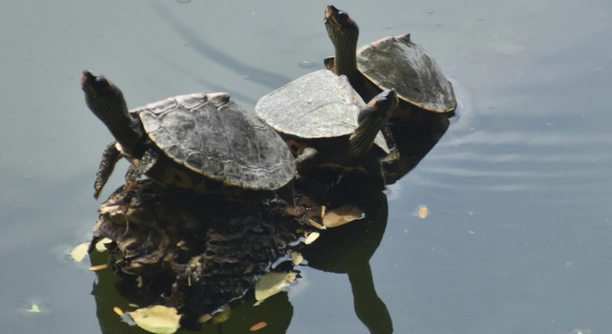
Is your Indian roofed tortoise acting restless, refusing food, or hiding more than usual? These signs might be worth noticing. Overstimulation in tortoises is often overlooked but can affect their well-being if not properly managed.
Overstimulation in Indian roofed tortoises is primarily caused by excessive handling, loud noises, or constant environmental changes. These factors can lead to stress, behavioral shifts, and weakened immune responses, impacting the tortoise’s overall health and daily habits.
Understanding the subtle signs and knowing how to create a calm environment will help you keep your tortoise happy and stress-free.
Common Causes of Overstimulation in Indian Roofed Tortoises
Indian roofed tortoises can easily become overstimulated due to factors in their environment or daily routine. Loud noises, frequent handling, and sudden changes in habitat layout are common triggers. Tortoises are naturally quiet, slow-moving animals, and their well-being depends heavily on consistency and calm surroundings. Household sounds like television, music, or vacuuming can cause them stress. Additionally, if children or pets frequently interact with them, it may disrupt their natural rhythm. Lighting that is too bright or inconsistent can also be overwhelming. Even small shifts, like moving decorations or plants in their enclosure, might create unnecessary tension. It’s essential to recognize that these tortoises thrive best when their habitat closely mimics their natural environment. By paying attention to these details, you can help prevent overstimulation and support their long-term health.
Changes in temperature or humidity levels also play a role. Stability is key to avoiding stress-related behaviors.
Once you understand the causes, it becomes easier to adjust the environment. Avoiding loud noises, limiting handling, and maintaining consistent temperatures are simple steps. Regular observation will help you notice what might be unsettling your tortoise. The fewer changes, the more relaxed and healthy they will feel in their space.
Signs Your Indian Roofed Tortoise Is Overstimulated
Some of the most noticeable signs include hiding, refusing food, pacing, or becoming overly defensive. These behaviors usually appear when their surroundings feel too chaotic.
When overstimulated, Indian roofed tortoises might withdraw into their shells more often, even during times they would normally be active. Refusing food is another key sign, as stress can directly affect their appetite and digestion. You may also notice them pacing along the edges of their enclosure or attempting to climb out, indicating discomfort. Excessive handling might make them flinch, hiss, or close their eyes tightly. Their breathing might appear faster, and they may avoid basking spots altogether. These behaviors are not random; they are their way of signaling distress. If left unaddressed, chronic stress can weaken their immune system, making them more vulnerable to illness. Recognizing these signs early allows you to take immediate action to calm their environment and promote a healthy routine.
How to Calm an Overstimulated Indian Roofed Tortoise
Start by reducing noise and movement around their enclosure. Keep the area quiet, dim the lights slightly, and limit interactions. Let them stay undisturbed for a few hours or even a full day. Giving them space is often enough to ease their stress.
Check the enclosure setup to ensure it remains consistent. Avoid rearranging items frequently. Provide plenty of hiding spots like logs or caves, allowing them to feel secure. Maintain proper temperature and humidity levels without sudden changes. Keep loud appliances or heavy foot traffic away from their space. Gradually reduce handling and only interact when necessary. Offer fresh food but don’t worry if they skip a meal—stress often affects appetite. Observe from a distance to see if their behavior improves. Consistency and minimal disturbances will help your tortoise feel safe again.
If your tortoise shows signs of improvement, continue the calm routine. Keep interactions gentle and brief. Over time, you can slowly reintroduce normal activities like feeding routines or mild enrichment. Avoid introducing new toys or tank decorations too soon. If they still appear stressed after several days, it may help to review every aspect of their care—lighting, noise, diet, and temperature settings—to identify overlooked stressors. Patience is key.
Long-Term Prevention Tips
Always keep a consistent daily routine for feeding, lighting, and cleaning. Avoid moving their enclosure or making sudden changes. Offer plenty of hiding places, stable temperatures, and limit unnecessary handling. Predictability helps reduce stress and supports their well-being.
Provide a habitat that mimics their natural environment. Use substrate suitable for digging, offer shaded spots, and maintain proper basking areas. Keep the enclosure in a quiet area of the house, away from heavy traffic and noise. Only handle the tortoise when necessary and allow them to initiate interaction when possible. Regularly monitor their behavior, appetite, and activity level to catch signs of stress early. Avoid overcrowding their space with unnecessary objects. Instead, focus on keeping it simple and familiar. Long-term stability in their environment plays a huge role in keeping overstimulation at bay and ensuring your tortoise stays relaxed and healthy.
Environmental Adjustments That Help
Keep lighting soft and natural. Bright, artificial lights can overwhelm your tortoise. Use a timer to maintain regular light cycles, simulating natural daylight patterns. Avoid changing bulbs or light positions too often, as consistency keeps your tortoise comfortable.
Limit loud sounds near the enclosure. Place their habitat away from televisions, speakers, or household appliances. Sudden noises or vibrations can startle them and lead to stress. Keeping their environment peaceful will help prevent overstimulation and allow them to feel secure throughout the day.
When to Seek Professional Help
If your tortoise continues showing signs of stress despite environmental changes, it’s time to consult a reptile veterinarian. Prolonged overstimulation can weaken their immune system and lead to more serious health issues. A vet can check for underlying conditions and ensure there’s no illness contributing to their behavior. Sometimes, dietary imbalances, parasites, or improper lighting can mimic signs of overstimulation. Professional guidance ensures all aspects of care are covered. Early intervention helps prevent long-term problems, so don’t hesitate to reach out if things don’t improve after adjustments at home.
Final Thoughts
Small changes make a big difference in keeping your tortoise calm and healthy. A stable, quiet environment is the key.
FAQ
How often should I handle my Indian roofed tortoise to avoid overstimulation?
Limit handling to a few times a week, and keep each session short—around 5 to 10 minutes. Tortoises prefer minimal interaction. Frequent or long handling sessions can stress them, especially if they are not used to being touched regularly. Always allow them time to relax after.
What noises are too loud for my tortoise?
Sounds like loud music, televisions at high volume, vacuum cleaners, or sudden bangs are too much. Tortoises are sensitive to vibrations and unexpected sounds. Keeping their enclosure in a quiet area helps reduce unnecessary noise and makes them feel safer.
Can overstimulation cause long-term health problems?
Yes, prolonged stress weakens their immune system, making them prone to illnesses like respiratory infections or digestive issues. Over time, it can also lead to reduced appetite, lethargy, and behavioral changes. Managing their environment early prevents long-term problems.
How do I know if lighting is overstimulating my tortoise?
If your tortoise avoids basking spots, stays hidden, or seems restless under the light, it may be too bright or too hot. Stick to UVB bulbs designed for reptiles and maintain a consistent day-night cycle. Avoid frequently changing lights or positions.
Do Indian roofed tortoises need toys or enrichment?
They don’t need toys in the traditional sense. Instead, they prefer natural enrichment like hiding spots, logs, rocks, and varied terrain. Too many artificial objects or frequent changes can overstimulate them. Simple, familiar setups are better for their well-being.
Is a tank near a window okay for my tortoise?
A tank near a window may expose your tortoise to drafts, temperature fluctuations, and too much light. Direct sunlight through glass can also overheat the enclosure quickly. It’s safer to keep the habitat in a controlled, stable area away from windows.
What should I do if my tortoise refuses food due to stress?
First, give them space and reduce environmental stressors—noise, handling, and changes. Offer their favorite foods without forcing them to eat. Usually, once they feel secure again, their appetite returns. If they continue refusing food after several days, consult a reptile vet.
Can moving their enclosure cause overstimulation?
Yes, moving the enclosure to a new room or location can be unsettling. Changes in light, noise, or temperature patterns might confuse them. If you must move it, make the transition gradual and keep everything inside their enclosure the same.
How long does it take for a tortoise to calm down after overstimulation?
It varies, but typically a few days to a week of a calm, stable environment helps. Some may relax sooner if the stressors are removed quickly. Avoid rushing interactions and focus on quiet, predictable routines to give them time to adjust.
Do other pets in the house overstimulate tortoises?
Yes, pets like dogs or cats can easily overstimulate tortoises. Constant movement, noise, or attempts to interact can make them feel threatened. Keep other pets away from their enclosure, especially during feeding or resting times, to minimize stress.
What temperature range keeps them comfortable without overstimulation?
Maintain a basking area around 90°F (32°C) and a cooler side around 75°F (24°C). Sudden temperature swings can stress your tortoise. Use thermostats and thermometers to keep conditions stable and consistent, which helps prevent overstimulation.
Can too much light exposure affect their sleep?
Yes, too much light, especially without a proper night cycle, can disrupt their sleep patterns. Use a timer to ensure they have around 10-12 hours of light, followed by darkness. Consistent light-dark cycles support both their rest and overall health.
Final Thoughts
Overstimulation in Indian roofed tortoises is something many owners may overlook. These tortoises thrive in calm, stable environments with minimal disruptions. Loud sounds, frequent handling, bright lights, and sudden changes in their habitat can all cause unnecessary stress. Over time, this stress may affect their health, behavior, and appetite. Paying close attention to their reactions and daily habits is one of the easiest ways to spot early signs of overstimulation. Hiding more often, refusing food, or pacing around the enclosure are key signals to watch for. By recognizing these behaviors early, you can make small adjustments before the stress turns into a long-term problem.
One of the best ways to prevent overstimulation is by keeping things predictable. Simple steps like maintaining a consistent light cycle, offering plenty of hiding spots, and limiting handling make a big difference. Always set up their enclosure in a quiet area, away from heavy foot traffic and loud appliances. Avoid moving their habitat around or adding too many new objects at once. Indian roofed tortoises prefer routine. When their surroundings feel familiar and stable, they are more likely to stay healthy, active, and relaxed. If you need to make changes, do it gradually, giving them time to adjust.
It’s also helpful to regularly monitor their behavior. If something feels off, it’s worth checking their temperature, humidity, lighting, and noise levels to see if any small adjustments can be made. Sometimes, small environmental factors may go unnoticed but have a big impact on their comfort. And if you find that the stress signs continue despite all your efforts, don’t hesitate to reach out to a reptile vet. Professional help ensures that no underlying health issues are contributing to their behavior. Overall, keeping their space calm, simple, and consistent is the best way to prevent overstimulation and support their long-term well-being. Small changes and attentive care go a long way in keeping your tortoise happy.

Hello,
If you enjoy the content that we create, please consider saying a "Thank You!" by leaving a tip.
Every little bit helps us continue crafting quality advice that supports the health, happiness, and well-being of pets around the world, for pets of all shapes, sizes, and species.
We really appreciate the kindness and support that you show us!