
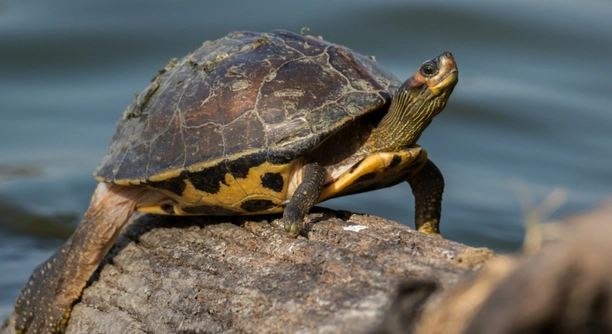
Many pet owners are concerned about keeping their Indian roofed tortoise comfortable and happy. Stress can affect their health and well-being, making it important to know how to prevent it.
To prevent stress in an Indian roofed tortoise, ensure it has a proper environment with appropriate temperature, humidity, hiding spots, and a balanced diet. Avoid sudden changes and handling, as these can also contribute to stress.
By maintaining the right conditions and offering some basic care, your tortoise will thrive. We’ll explain some easy ways to reduce stress and promote a healthy, calm environment for your pet.
Providing a Proper Environment for Your Tortoise
One of the most important things to prevent stress in an Indian roofed tortoise is to provide a suitable environment. These tortoises thrive in a warm, humid habitat that mimics their natural surroundings. Ensure the temperature is around 80°F to 85°F (27°C to 29°C) during the day, with a slight drop at night. Humidity should be maintained at 60% to 80%, which helps prevent dehydration and respiratory problems. A shallow water dish and regular misting will support the right humidity levels.
Adding hiding spots like small caves or plants can give your tortoise a sense of security, as they naturally seek shelter. Ensure the enclosure is large enough for them to move around comfortably. Too small a space can lead to stress, affecting their behavior and health.
A proper setup doesn’t just prevent stress, but also supports their physical well-being. Always monitor the temperature and humidity levels and adjust as needed. With the right habitat, your tortoise will feel more at ease and healthier.
Offering a Balanced Diet
A balanced diet is essential to keeping an Indian roofed tortoise happy. Their meals should include a mix of leafy greens, vegetables, and a small amount of fruit. Avoid feeding them too much fruit, as it can lead to digestive issues. Providing calcium and vitamin supplements can also prevent health problems.
You can offer foods like dandelion greens, collard greens, and cactus pads. Always remove uneaten food to prevent mold growth. A proper diet will boost their immune system and help them maintain energy.
Minimizing Handling and Interaction
Indian roofed tortoises are not fond of excessive handling. Overhandling can cause them stress, making them feel threatened. Try to limit your interaction to necessary cleaning or health checks. If you must handle them, do so gently and calmly.
Too much attention can make your tortoise anxious. They are naturally shy and need time to adjust to their environment. If you notice your tortoise hiding or retreating into its shell more often, it may be a sign that they feel overwhelmed. Keeping handling to a minimum will allow them to feel more secure and reduce their stress levels.
When you do interact with them, take your time and avoid sudden movements. This creates a calmer environment for your tortoise and helps them become more comfortable over time.
Providing Consistent Lighting
Proper lighting plays a key role in the health and happiness of your Indian roofed tortoise. They require a UVB light to synthesize vitamin D3, which is crucial for calcium absorption. Without it, they may experience shell deformities or other health issues.
UVB lights should be used for around 10 to 12 hours daily to mimic the natural light cycle. These lights should be replaced regularly, as their effectiveness diminishes over time. Providing a basking area with a heat lamp will also help your tortoise regulate its body temperature and feel comfortable in its space.
A consistent light schedule helps your tortoise’s internal clock stay on track, reducing stress. When the lighting and heat are stable, your tortoise will have a better chance to thrive and feel less anxious.
Creating a Stress-Free Habitat
Creating a habitat that feels like home for your tortoise can do wonders for reducing stress. It’s important to provide both open spaces and hiding spots. This gives your tortoise control over its environment, allowing it to feel safe when it needs a break.
Incorporate natural elements like plants or logs to create a more enriching environment. These additions not only provide hiding places but also stimulate your tortoise’s natural behavior. A well-planned habitat encourages exploration and helps alleviate boredom, which can be stressful for them.
Maintaining Regular Cleaning
A clean environment is vital for your tortoise’s health and well-being. Dirty enclosures can lead to bacterial growth, which can cause infections or other health issues. Clean your tortoise’s enclosure regularly, including the water dish, substrate, and any surfaces your tortoise comes into contact with.
A dirty habitat can also increase stress levels. Your tortoise will feel much more comfortable and relaxed in a clean, tidy space. Make sure to clean the enclosure with non-toxic cleaners to avoid any harm to your pet. A fresh environment contributes to a less stressful and healthier life.
Avoiding Loud Noises
Tortoises are sensitive to loud noises, which can make them feel stressed. Keeping your tortoise’s enclosure in a quiet, peaceful area will help it feel more secure. Avoid sudden or loud sounds near their habitat, as this can trigger a stress response.
When setting up their space, consider the noise level in the room. If the area is too noisy, your tortoise may not feel comfortable or safe. Reducing loud noises will help your tortoise remain calm and less anxious.
FAQ
How can I tell if my tortoise is stressed?
Signs of stress in an Indian roofed tortoise can include excessive hiding, loss of appetite, aggressive behavior, or lethargy. If your tortoise starts retreating into its shell more often, this could indicate they feel threatened or uncomfortable. Additionally, rapid breathing or lack of movement can signal distress. Regularly observing your tortoise’s behavior can help you catch early signs of stress and make adjustments to its environment accordingly. Keep an eye on their eating habits as well; if they refuse food for more than a couple of days, stress could be the cause.
Can stress affect my tortoise’s health?
Yes, prolonged stress can negatively impact your tortoise’s health. Chronic stress can weaken their immune system, making them more susceptible to diseases and infections. Stress can also result in digestive issues, loss of appetite, and reduced activity. Over time, if left unaddressed, it can cause long-term health problems like shell deformities or weight loss. It’s essential to address any signs of stress early and adjust their living conditions or routine to provide a more comfortable environment.
What can I do to help my tortoise relax?
To help your tortoise relax, ensure it has a calm and quiet environment. Reducing handling, avoiding loud noises, and ensuring the enclosure is clean and secure are essential. Create hiding spaces within the enclosure where your tortoise can retreat when it feels threatened. Providing a consistent day/night light cycle and maintaining proper humidity and temperature will also contribute to a more relaxed state. Additionally, offering a balanced diet and keeping them hydrated is crucial for their overall comfort and health.
Can I put my tortoise with other pets?
It’s not recommended to keep an Indian roofed tortoise with other pets. Tortoises can become stressed if placed in an environment with other animals, particularly more active or predatory ones. Even other reptiles can be a source of stress if they are too aggressive or territorial. Additionally, interactions with other pets can lead to injury or cause the tortoise to feel threatened. It’s best to house your tortoise alone or with other compatible species in an appropriately designed enclosure.
What’s the best way to handle my tortoise?
Handling your tortoise should be done gently and sparingly. Avoid picking them up too often, as it can cause unnecessary stress. When handling, support the tortoise fully by cradling its body and avoiding sudden movements. Always keep the tortoise low to the ground to prevent injury in case they try to escape. If they seem agitated, it’s best to return them to their enclosure immediately. Let them come to you when they feel comfortable, instead of forcing interaction.
Should I give my tortoise a bath?
Giving your tortoise a bath can help with hydration, but it’s important to do so properly. Place your tortoise in shallow, lukewarm water for about 10 to 15 minutes. This encourages them to drink and helps with their overall hydration. However, avoid making baths a frequent occurrence, as this can cause stress. Some tortoises may also dislike water, so only do it when necessary. After a bath, make sure to dry your tortoise gently and return it to a warm, dry environment.
How often should I feed my tortoise?
Indian roofed tortoises should be fed daily, but the amount depends on their age and size. Young tortoises require more frequent feedings, while adults can be fed every other day or as needed. Offer a variety of leafy greens, such as dandelion greens and kale, along with other vegetables. It’s important to avoid overfeeding them, as obesity can lead to health problems. Monitor their weight and adjust the amount of food based on their individual needs.
What’s the ideal temperature for my tortoise?
Maintaining the right temperature is crucial for your tortoise’s well-being. During the day, the temperature should be around 80°F to 85°F (27°C to 29°C), with a basking area that reaches 90°F (32°C). At night, temperatures should drop slightly, between 70°F and 75°F (21°C to 24°C). Ensure that your tortoise has access to a heat source, like a basking lamp, and a cooler area where it can retreat when it needs to. Consistent temperatures help with digestion and overall comfort.
How do I know if my tortoise is dehydrated?
Dehydration can be a serious issue for tortoises. Signs of dehydration include sunken eyes, dry or wrinkled skin, and a lack of appetite. If you notice your tortoise becoming lethargic or its skin appearing dry, it’s important to address the issue immediately. Offering a shallow bath and ensuring access to fresh water at all times can help keep your tortoise hydrated. In severe cases, consult a veterinarian to ensure proper care and treatment.
Can I take my tortoise outside?
It’s possible to take your tortoise outside, but you must take precautions. Always supervise your tortoise when outside, and make sure the area is secure to prevent escape. Avoid areas with pesticides or chemicals, as these can harm your tortoise. When introducing them to outdoor spaces, ensure there is a shaded area to escape the sun and that the ground is safe for them to walk on. Never leave your tortoise outside unattended, as they can get stressed or overheated quickly.
What kind of substrate should I use for my tortoise’s enclosure?
The substrate for your tortoise’s enclosure should be absorbent and safe for them to dig into. Common options include coconut coir, cypress mulch, or a mix of organic soil. Avoid using sand or gravel, as these can cause digestive issues if ingested. The substrate should be deep enough to allow for natural digging behavior. Make sure it’s regularly cleaned to prevent bacteria buildup and provide a comfortable, stress-free environment for your tortoise.
How often should I replace the substrate?
The substrate should be replaced every few months, depending on how often it is cleaned. If you notice a buildup of waste or a foul odor, it’s time to change the substrate sooner. Regular cleaning, such as removing droppings daily, can help extend the time between full substrate changes. A fresh substrate will help maintain proper humidity and cleanliness in your tortoise’s enclosure, reducing stress and the risk of infections.
Can my tortoise get too much light?
While your tortoise needs proper lighting, too much exposure to direct heat or UVB light can cause stress. Prolonged exposure to high temperatures can lead to overheating and dehydration, while excessive UVB light can cause skin damage or other health issues. It’s important to monitor the intensity of the lights and make sure there are areas in the enclosure where your tortoise can escape from direct light if needed. Balancing light and temperature will help ensure your tortoise’s comfort.
Final Thoughts
Caring for an Indian roofed tortoise involves a few simple but essential steps to ensure they remain healthy and stress-free. By providing a proper environment with appropriate temperature, humidity, and lighting, you’re giving your tortoise the best chance to thrive. A clean and secure space, along with a balanced diet, goes a long way in preventing stress and promoting well-being. When your tortoise feels comfortable in its surroundings, it will be more active and content.
Handling should be kept to a minimum to avoid causing anxiety. Remember, tortoises are naturally shy and can become easily stressed with too much interaction. Offering them plenty of hiding spots and allowing them to retreat when they need to is an important part of their care. It’s also essential to keep their habitat quiet and free from loud noises, as this can make them feel unsafe. The more calm and predictable their environment is, the less stressed they will become.
Lastly, it’s important to observe your tortoise regularly. Pay attention to changes in their behavior, eating habits, and overall health. If you notice signs of stress or discomfort, consider adjusting their environment, lighting, or diet. Small changes can make a big difference in reducing stress and ensuring your tortoise lives a long and healthy life. Regular care, observation, and patience are key to helping your Indian roofed tortoise feel secure and content in its home.

Hello,
If you enjoy the content that we create, please consider saying a "Thank You!" by leaving a tip.
Every little bit helps us continue crafting quality advice that supports the health, happiness, and well-being of pets around the world, for pets of all shapes, sizes, and species.
We really appreciate the kindness and support that you show us!