
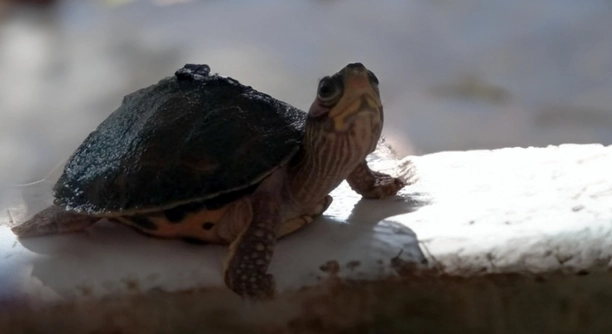
If you have an Indian Roofed Tortoise, you might notice it rubbing its eyes from time to time. This can be concerning, especially when you’re unsure what could be causing the behavior.
The most common cause of eye rubbing in Indian Roofed Tortoises is irritation, which may stem from factors such as dust, shedding, or possible eye infections. It’s important to observe the tortoise’s behavior and environment for any noticeable changes.
Understanding the causes behind this behavior can help prevent further discomfort. With the right care and attention, your tortoise can remain healthy and happy.
Common Causes of Eye Rubbing
Eye rubbing in Indian Roofed Tortoises is often linked to irritants in their environment. Dust, bedding, and shedding skin can easily get into their eyes, causing discomfort. Another possibility is an infection or an injury to the eye, which can lead to the tortoise trying to relieve the irritation by rubbing its eyes. Environmental factors like humidity and lighting can also play a role. For example, if the humidity is too low, it can cause dryness and make the tortoise more likely to rub its eyes. Observing their behavior and checking for any other signs of illness will help in understanding what might be bothering them.
If the eye rubbing seems excessive or persistent, it’s a good idea to check their enclosure for any environmental issues. Dry or dusty conditions can aggravate their eyes, so ensuring a proper habitat can reduce discomfort. You can also take steps to remove any potential irritants.
Sometimes, a simple environmental change can solve the issue. However, if the rubbing continues, it may indicate a more serious problem like an eye infection or injury that requires medical attention.
When Eye Rubbing Is a Sign of Infection
If you notice swelling, discharge, or changes in the tortoise’s behavior, an eye infection could be to blame. Infections can occur for many reasons, such as bacteria or viruses entering the eye, or if the tortoise is exposed to unclean water or surfaces. Tortoises that are housed in damp, unhygienic environments are more prone to eye infections. If an infection is the cause of eye rubbing, there may be a visible discharge, which can be either clear or pus-like. The tortoise may also show signs of lethargy or a loss of appetite.
You should immediately clean the tortoise’s eyes with saline solution to remove any debris. Then, seek advice from a veterinarian. In some cases, the tortoise may need prescribed eye drops or oral medication to treat the infection. Never attempt to diagnose or treat an infection without professional help, as improper care can worsen the situation.
An untreated eye infection can lead to permanent damage or even blindness. Keeping the tortoise’s living area clean and providing proper lighting and humidity can prevent future issues. It’s essential to act quickly and follow the vet’s advice to ensure a speedy recovery.
How to Prevent Eye Rubbing
To prevent your Indian Roofed Tortoise from rubbing its eyes, maintain a clean and comfortable living space. Make sure their enclosure is free from dust and debris, and change bedding regularly. Providing a proper balance of humidity and lighting also plays a vital role in keeping them comfortable.
Regularly check the humidity levels in your tortoise’s enclosure. If it’s too dry, consider adding a humidity box or spraying the enclosure lightly with water. Also, use soft bedding materials like coconut coir, which are less likely to irritate their eyes. Keeping the tortoise’s space clean and offering a consistent, natural environment can prevent discomfort.
Routine health checks are essential as well. Look for any early signs of eye irritation, such as watery eyes or excessive blinking. By addressing these issues promptly, you can avoid complications that may arise from untreated irritations. If you spot any unusual symptoms, it’s always best to consult with a vet.
When to Seek Veterinary Help
If your tortoise continues to rub its eyes despite environmental adjustments, it may be time to seek professional help. Prolonged eye rubbing can indicate something more serious, such as an eye infection or injury. A vet can provide an accurate diagnosis and recommend appropriate treatment.
In some cases, eye rubbing could be the result of a more complex health issue, like respiratory problems or an internal infection. These conditions can affect your tortoise’s overall health, leading to eye irritation and other symptoms. A thorough examination by a vet can help identify any underlying issues, such as a systemic infection, that may require specific care.
It’s important not to wait too long if the problem persists. Timely intervention can prevent further complications. A vet may recommend specific treatments, such as eye drops or antibiotics, depending on the severity of the condition. Prompt care ensures that your tortoise will have a better chance of recovering fully.
Eye Care for Your Tortoise
Proper eye care involves cleaning their eyes regularly to remove any dirt or debris. You can gently wipe the eyes with a soft cloth soaked in saline solution. This will help prevent buildup and irritation. Keep an eye out for any changes in their behavior or eyes.
Make sure their enclosure is free from anything that could irritate their eyes. Using a gentle, non-toxic disinfectant to clean their living space can also reduce the risk of infections. Regularly check their eyes to ensure there are no signs of swelling or discharge, which might indicate an issue.
Proper lighting also supports eye health. Tortoises need UVB light to ensure they get the proper nutrients for healthy skin and eyes. A balanced environment with the right lighting, humidity, and temperature can reduce the risk of eye irritation and promote overall well-being.
The Role of Diet in Eye Health
A balanced diet is crucial for your tortoise’s eye health. Provide a variety of leafy greens, vegetables, and occasional fruits. This helps to ensure they get the necessary vitamins and minerals, especially vitamin A, which supports healthy eyesight.
Vitamin A deficiency can lead to eye issues in tortoises, such as swelling or cloudiness. Including foods like carrots, kale, and dandelion greens in their diet can help prevent these problems. Also, make sure to avoid overfeeding them with high-fat or sugary foods, as they may disrupt their health.
A well-rounded diet will not only promote good vision but also boost your tortoise’s overall immune system, making them less prone to infections and other health issues.
FAQ
Why does my Indian Roofed Tortoise keep rubbing its eyes?
Eye rubbing in your tortoise can occur for various reasons. One common cause is irritation from dust, shedding skin, or debris in the enclosure. Tortoises may also rub their eyes if they’re suffering from an eye infection or injury. Dryness due to low humidity or poor lighting can further contribute to eye discomfort. If the rubbing continues, it’s important to assess your tortoise’s living environment and check for any other symptoms such as discharge or swelling.
How can I tell if my tortoise has an eye infection?
If your tortoise has an eye infection, you may notice swelling around the eyes, discharge (which can range from clear to pus-like), or a cloudy appearance. They might also squint, blink excessively, or seem more lethargic than usual. In severe cases, your tortoise may have difficulty opening its eyes. If you observe these symptoms, it’s best to take your tortoise to a vet for a proper diagnosis and treatment.
What can I do to treat my tortoise’s eye irritation at home?
At home, you can clean your tortoise’s eyes gently with a saline solution to remove any dirt or debris. Use a soft cloth or cotton ball soaked in the solution to wipe around the eyes. Ensure the tortoise is in a clean, well-maintained environment with appropriate humidity levels. Avoid using any harsh chemicals or over-the-counter eye drops without a vet’s recommendation, as these could worsen the issue.
How often should I clean my tortoise’s eyes?
It’s a good idea to clean your tortoise’s eyes when you notice any dirt, discharge, or irritation. Regular cleaning isn’t always necessary unless your tortoise is prone to eye irritation or has an eye infection. Keeping their environment clean and free of dust will reduce the need for frequent eye cleaning.
Can low humidity cause eye rubbing in tortoises?
Yes, low humidity can cause dryness in your tortoise’s eyes, leading to irritation and eye rubbing. Tortoises, particularly those that require a higher humidity level, may experience discomfort if their enclosure is too dry. To prevent this, ensure their living space has the right humidity levels, typically between 50-70%, depending on the species. Adding a humidity box or lightly misting the enclosure can help keep the environment comfortable.
Is it normal for my tortoise to blink a lot?
Occasional blinking is normal for tortoises, just like it is for other animals. However, if you notice excessive blinking along with other signs of irritation, such as eye rubbing or squinting, this could indicate discomfort or an issue like dryness or an infection. It’s important to monitor for additional symptoms and take action if needed.
Should I take my tortoise to the vet for eye problems?
If the eye rubbing or other symptoms such as swelling, discharge, or difficulty opening the eyes persist, it’s a good idea to consult a vet. While some minor irritations may improve with environmental adjustments or cleaning, more serious issues like infections or injuries require professional care. Prompt attention from a vet can prevent the issue from worsening.
Can a tortoise’s diet affect its eye health?
Yes, a tortoise’s diet plays an important role in maintaining healthy eyes. Vitamin A is particularly crucial for eye health, and a lack of this nutrient can lead to issues like swollen eyes or cloudiness. Including foods rich in vitamin A, such as carrots, kale, and dandelion greens, can support good eye health. A balanced diet helps boost your tortoise’s immune system, making it less likely to suffer from infections.
What types of foods can help my tortoise’s eyes stay healthy?
Leafy greens, carrots, squash, and dark leafy vegetables like kale are all good choices to ensure your tortoise gets enough vitamin A. Offering a variety of vegetables and fruits will provide a broad range of nutrients to keep your tortoise healthy. Be sure to avoid overfeeding high-fat or sugary foods, as these may disrupt their overall health.
How do I prevent eye irritation in my tortoise’s enclosure?
To reduce the risk of eye irritation, make sure your tortoise’s enclosure is clean and free from dust and debris. Regularly change bedding and disinfect the enclosure using safe, non-toxic cleaning products. Ensure that the enclosure has proper humidity levels and temperature to maintain comfort. If you use artificial lighting, ensure that it provides adequate UVB rays for your tortoise’s health.
What should I do if my tortoise’s eyes are swollen?
Swelling around your tortoise’s eyes can be a sign of infection or irritation. If the swelling doesn’t go down after cleaning, it’s important to consult a vet. In some cases, swelling may indicate an eye infection or injury that needs medical treatment. It’s important to address this as soon as possible to prevent long-term damage.
Can stress cause eye rubbing in tortoises?
Stress can contribute to a variety of health issues in tortoises, including eye rubbing. Factors such as sudden environmental changes, overcrowding, or handling can cause stress in your tortoise. Reducing stress by providing a stable, calm environment can help alleviate some of the eye irritation caused by stress.
Final Thoughts
Understanding the reasons behind your Indian Roofed Tortoise rubbing its eyes is an important step in ensuring its well-being. Eye rubbing can be a natural response to minor irritants like dust or shedding skin, but it can also be a sign of something more serious, such as an eye infection. By keeping a close eye on your tortoise’s behavior and environment, you can address minor issues before they become bigger problems. Regular observation and proper care are key to preventing eye discomfort and other health concerns.
The most common causes of eye rubbing are usually related to environmental factors, such as dryness or dust. However, more serious causes like infections should never be ruled out. Providing the right habitat with proper humidity, lighting, and cleanliness can prevent many of the issues that lead to eye irritation. If your tortoise continues to rub its eyes despite these adjustments, it may be time to consult a veterinarian. Timely intervention can prevent further complications and help ensure your tortoise’s health and comfort.
In addition to environmental care, diet plays a significant role in maintaining eye health. A balanced diet, rich in vitamin A, can help support good vision and prevent issues like swollen or cloudy eyes. Ensuring that your tortoise gets the nutrients it needs, combined with a clean and comfortable living environment, will go a long way in reducing the risk of eye problems. Remember that the health of your tortoise depends on many factors, and small changes to its care routine can make a big difference in its overall well-being.

Hello,
If you enjoy the content that we create, please consider saying a "Thank You!" by leaving a tip.
Every little bit helps us continue crafting quality advice that supports the health, happiness, and well-being of pets around the world, for pets of all shapes, sizes, and species.
We really appreciate the kindness and support that you show us!