
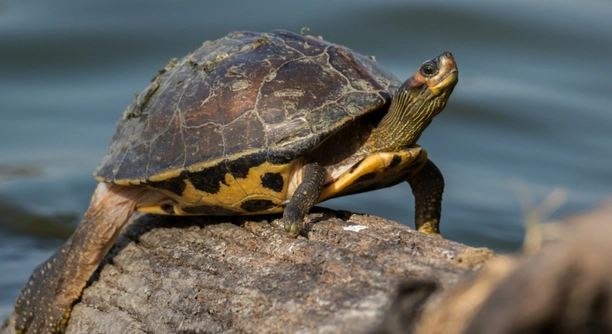
Do you ever find yourself wondering what the best tank size is for your Indian roofed tortoise? Providing the right enclosure is essential for their health, growth, and happiness. A well-sized tank ensures they have enough space to thrive.
The ideal tank size for an Indian roofed tortoise depends on its age and size. Hatchlings need at least a 20-gallon tank, while adults require a minimum of 75 gallons. Larger enclosures, preferably outdoor setups, are always recommended for optimal well-being.
Understanding the right tank size will help you create a comfortable and enriching environment for your tortoise. Proper space, along with heating and lighting, plays a vital role in their overall health and development.
Best Tank Size for Hatchlings
Hatchling Indian roofed tortoises need a properly sized enclosure to stay safe and comfortable. A 20-gallon tank is the minimum requirement, but a larger setup is always better. The tank should have enough space for them to move around, bask, and access fresh water. A shallow water dish is essential, as these tortoises enjoy soaking. A secure lid is also necessary to prevent escapes and keep out potential dangers. Since hatchlings are more vulnerable to temperature fluctuations, the enclosure should have a reliable heat source and UVB lighting. A well-maintained habitat helps them grow strong and healthy.
A small enclosure can limit movement and lead to stress. Tortoises that feel restricted may not eat well or develop properly. Ensuring enough space helps them feel secure and active, which is crucial for their well-being.
If space allows, upgrading to a larger tank or an indoor tortoise table will provide even more benefits. More room means better heat and humidity distribution, making it easier to maintain an ideal environment. Hatchlings thrive when they have a setup that supports their natural behaviors, including basking, hiding, and foraging. Investing in a spacious enclosure from the start makes caring for them easier and reduces the need for frequent upgrades.
Best Tank Size for Juveniles
A 40-gallon tank is the minimum requirement for juvenile Indian roofed tortoises. At this stage, they need more space to explore, bask, and grow properly. A larger enclosure allows them to move freely and maintain a healthy activity level.
A 75-gallon tank is a great choice for juveniles, as it provides ample space for enrichment. Adding natural elements like rocks, logs, and hiding spots encourages natural behaviors. Proper lighting and heating remain essential, with UVB exposure playing a key role in shell and bone development. The water dish should be slightly deeper than for hatchlings, allowing them to soak comfortably. Good ventilation is necessary to prevent excess humidity buildup, which can lead to respiratory issues.
Regular cleaning is important to keep the tank hygienic. Tortoises are messy eaters, and leftover food or waste can attract bacteria. Keeping their habitat clean reduces the risk of infections and promotes overall health. A well-maintained tank ensures they continue to grow strong and stay active.
Best Tank Size for Sub-Adults
A 75-gallon tank is the minimum requirement for sub-adult Indian roofed tortoises. At this stage, they are more active and require extra space to roam. A larger tank allows for better temperature control, a proper basking area, and enough room for natural behaviors like soaking and exploring.
Upgrading to a 100-gallon tank or an outdoor setup is ideal. Sub-adults benefit from more space, which helps prevent stress and promotes healthy growth. The enclosure should include a mix of dry and moist areas, as well as hiding spots to make them feel secure. A well-balanced temperature gradient ensures they can thermoregulate properly. The basking spot should be kept at around 90°F, while the cooler area should stay between 75-80°F. UVB lighting remains essential for calcium absorption and shell health.
Regular monitoring of the enclosure is important. Sub-adults tend to be more curious and active, meaning they may attempt to climb or dig. Ensuring the walls are high enough prevents escapes. A strong filtration system for the water dish helps maintain hygiene. Providing fresh vegetables and occasional protein sources keeps them healthy. An adequately sized tank gives them enough space to thrive while keeping their environment manageable.
Best Tank Size for Adults
A 100-gallon tank is the absolute minimum for an adult Indian roofed tortoise. However, larger enclosures, preferably outdoor setups, are highly recommended. Tortoises of this size need plenty of room to move, forage, and regulate their body temperature naturally.
A properly sized outdoor pen, at least 6 feet by 4 feet, is ideal. If keeping them indoors, a custom-built tortoise table is a better option than a traditional tank. Adults require a well-ventilated space with access to both shaded and sunny areas. A deep water dish is necessary for soaking, and a varied terrain helps keep them engaged. Proper fencing is important to prevent escapes, as adults are strong enough to push through weak barriers.
Keeping their habitat clean is crucial. Regularly changing water, removing waste, and checking for mold or bacteria helps maintain a healthy environment. A spacious enclosure allows them to exhibit natural behaviors and stay stress-free.
Best Outdoor Enclosure Size
An outdoor enclosure should be at least 8 feet by 4 feet for a single adult Indian roofed tortoise. This provides ample space for movement, basking, and grazing. A secure fence, at least 12 inches tall, helps prevent escapes and keeps predators out.
The enclosure should have a mix of sun and shade, along with a shallow water source for soaking. A variety of plants can provide natural hiding spots and encourage foraging. The substrate should be soft but well-draining to prevent shell rot. Regular monitoring ensures the environment stays safe and suitable.
Importance of Proper Tank Size
A properly sized enclosure prevents stress and promotes healthy growth. Tortoises kept in cramped spaces may become lethargic, develop health issues, or exhibit aggressive behavior. Providing enough room allows them to explore, bask, and engage in natural activities that keep them active and happy.
Common Mistakes to Avoid
Keeping a tortoise in a small enclosure limits movement and affects its health. Neglecting proper heating, lighting, and humidity can lead to respiratory problems and shell deformities. Ignoring enclosure cleanliness increases the risk of infections. Ensuring the right tank size and proper care helps prevent these common issues.
FAQ
What is the best tank size for a baby Indian roofed tortoise?
A baby Indian roofed tortoise needs at least a 20-gallon tank. However, a larger enclosure, like a 40-gallon setup, is much better. This gives them enough space to move, bask, and access fresh water. A secure lid is necessary to prevent escapes and protect them from household hazards.
Can an Indian roofed tortoise live in a fish tank?
A fish tank can work for hatchlings and juveniles, but it is not ideal for adults. Glass tanks can trap heat and humidity, leading to poor ventilation. A tortoise table or outdoor enclosure is a much better option, providing better airflow and more space for movement.
How much space does an adult Indian roofed tortoise need?
An adult Indian roofed tortoise requires at least a 100-gallon tank. However, larger setups or outdoor enclosures of at least 6 feet by 4 feet are recommended. More space allows them to move freely, bask properly, and engage in natural behaviors like foraging and soaking.
Is a tortoise table better than a tank?
A tortoise table is a better option than a glass tank, especially for juveniles and adults. It provides more ventilation and space for the tortoise to move around. Tanks can create excessive humidity buildup, which may lead to respiratory issues. A tortoise table allows for better air circulation and a more natural habitat.
Can Indian roofed tortoises be kept outside year-round?
Indian roofed tortoises can be kept outside if temperatures stay within their preferred range of 75-90°F. If temperatures drop below this, they need to be brought indoors. Outdoor enclosures should have a secure fence, shaded areas, and a heated shelter for colder days. Regular monitoring ensures their safety.
What happens if a tank is too small?
A small tank can cause stress, limited movement, and poor shell development. Tortoises in cramped spaces may become lethargic and develop health problems like metabolic bone disease. Lack of space also makes it harder to maintain a proper temperature gradient, affecting their ability to thermoregulate.
Do Indian roofed tortoises need UVB lighting?
Yes, UVB lighting is essential for their health. It helps with calcium absorption and prevents metabolic bone disease. Without UVB exposure, tortoises can develop weak shells and skeletal problems. The UVB light should be on for 10-12 hours a day and replaced every six months.
Can multiple Indian roofed tortoises live in the same tank?
Keeping multiple tortoises together can lead to competition for space, food, and basking areas. If housing more than one, a much larger enclosure is needed. Males may become territorial and aggressive, so close monitoring is required. Separate enclosures are often the best way to prevent stress and injuries.
What is the best substrate for an Indian roofed tortoise’s tank?
A mix of topsoil and coconut coir works well. It holds moisture without becoming too wet and allows for natural digging behavior. Avoid using sand, as it can cause impaction if ingested. Regularly cleaning the substrate helps maintain a hygienic environment.
How often should the tank be cleaned?
Spot-cleaning should be done daily to remove waste and uneaten food. A deep clean, including replacing the substrate and disinfecting the enclosure, should be done every 2-4 weeks. Keeping the habitat clean reduces the risk of infections and promotes a healthier living environment.
Does the tank need a water feature?
A shallow water dish is necessary for drinking and soaking. It should be large enough for the tortoise to fit in but not too deep. The water should be changed daily to prevent bacterial growth. Adding a gentle water filter can help maintain water cleanliness in larger enclosures.
Final Thoughts
Providing the right tank size for an Indian roofed tortoise is essential for its overall health and well-being. A small enclosure can lead to stress, limited movement, and improper shell development. Hatchlings need at least a 20-gallon tank, while juveniles require a 40- to 75-gallon setup. Sub-adults and adults need even larger spaces, with a 100-gallon tank being the minimum for long-term care. Outdoor enclosures are always the best option if the climate allows, as they provide more room for movement, natural sunlight, and a healthier environment. A well-sized tank helps the tortoise stay active, bask properly, and maintain a natural routine.
Aside from tank size, other factors play a role in keeping a tortoise healthy. Proper lighting, heating, and humidity levels must be maintained at all times. UVB lighting is especially important, as it helps prevent metabolic bone disease and supports shell growth. A varied diet with fresh vegetables, calcium supplements, and occasional protein sources is also necessary. Clean water for drinking and soaking should always be available. The tank or enclosure should have a mix of dry and moist areas, along with natural hiding spots to create a more comfortable environment. Keeping the habitat clean prevents infections and keeps the tortoise happy.
Choosing the right enclosure size from the start makes caring for an Indian roofed tortoise much easier in the long run. A spacious setup reduces the need for frequent upgrades and provides a stable environment where the tortoise can grow without restrictions. While tanks can work for hatchlings and juveniles, larger tortoises benefit more from outdoor pens or custom-built tortoise tables. Each setup should be designed to match the tortoise’s needs, ensuring it has enough space to explore, bask, and thrive. By providing the right enclosure and proper care, owners can ensure their tortoise stays healthy and lives a long, active life.

Hello,
If you enjoy the content that we create, please consider saying a "Thank You!" by leaving a tip.
Every little bit helps us continue crafting quality advice that supports the health, happiness, and well-being of pets around the world, for pets of all shapes, sizes, and species.
We really appreciate the kindness and support that you show us!