
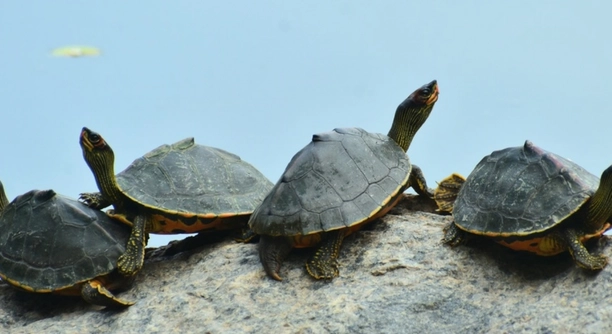
Indian Roofed Tortoises are fascinating pets that need proper care to stay healthy. One important aspect of their well-being is maintaining the right levels of vitamin D. Without this essential nutrient, their health can suffer.
A lack of vitamin D in Indian Roofed Tortoises typically leads to signs like weakness, poor shell growth, and difficulty moving. Ensuring they receive adequate sunlight or UVB lighting is vital for their overall health and development.
Knowing how to spot signs of vitamin D deficiency can help you take action quickly. Proper care can make all the difference in keeping your tortoise happy and healthy.
Importance of Vitamin D for Indian Roofed Tortoises
Vitamin D is essential for your Indian Roofed Tortoise to absorb calcium properly, which is necessary for healthy shell and bone development. Without enough vitamin D, the tortoise might develop metabolic bone disease (MBD), a condition that weakens bones and makes them more fragile. This deficiency can lead to difficulty moving, weakened shells, and overall poor health. The main way your tortoise gets vitamin D is from sunlight, which helps produce the vitamin in their skin. If your tortoise is kept indoors, providing a UVB light is crucial, as it mimics sunlight. A lack of natural sunlight or proper UVB lighting can lead to these vitamin deficiencies.
Your tortoise needs the right balance of vitamin D for a healthy life. Inadequate exposure to sunlight or UVB rays can lead to serious health issues.
To make sure your tortoise stays healthy, monitor the lighting conditions in its habitat. If you have an indoor tortoise, invest in a proper UVB light designed for reptiles. Make sure the light is the correct strength and is placed at the proper distance to effectively mimic the sun. Offering your tortoise some time in natural sunlight outside is also a great way to ensure it gets the vitamin D it needs. When exposing your tortoise to natural sunlight, ensure that the temperature is right, and always supervise them to avoid any dangers. Regularly check the condition of your tortoise’s shell and behavior, as early signs of vitamin D deficiency can include lethargy, soft or malformed shell, and a reluctance to move.
Signs of Vitamin D Deficiency
If your tortoise is lacking vitamin D, its behavior and appearance will change.
Common symptoms include weakness, lack of appetite, and a soft or deformed shell. Tortoises may become lethargic and refuse to move, a clear sign that something isn’t right. A weak shell is often one of the first noticeable signs.
How to Provide Vitamin D to Your Tortoise
The best way to ensure your tortoise gets enough vitamin D is through exposure to UVB light.
Natural sunlight is ideal for tortoises. If your tortoise is kept indoors, a high-quality UVB light should be used. The UVB light should be placed within a specific distance, and it should be replaced every six months for optimal performance. Ensure the light is on for 10-12 hours a day to mimic the natural sunlight cycle. Tortoises should also be given the opportunity to soak up some direct sunlight outdoors if possible, but be mindful of the temperature and weather conditions.
Maintaining proper lighting can make a significant difference. Without it, your tortoise may experience a decline in health. Tortoises kept in enclosures without adequate UVB lighting often show signs of vitamin D deficiency. Regularly inspect the condition of your tortoise’s shell, movement, and activity. If they appear weak or uninterested in moving, it could be a sign that they’re not getting the necessary sunlight. Make sure that your tortoise’s UVB light mimics the sun’s rays effectively.
Additional Tips for Ensuring a Healthy Tortoise
A well-balanced diet is just as important as proper lighting.
Your tortoise’s diet should include dark leafy greens, such as dandelion greens and collard greens, which provide calcium. These greens help support bone and shell health, especially when paired with adequate vitamin D. A calcium supplement is another option, but make sure it is used in moderation. Over-supplementation can lead to other health issues, so consult a veterinarian for guidance. Avoid offering too much fruit, as it can be high in sugar, which isn’t suitable for tortoises.
Along with proper diet and lighting, hydration is crucial. Make sure your tortoise has access to fresh, clean water at all times. Regular soaking in shallow water will also help them stay hydrated and support their overall health. This helps with digestion and can prevent dehydration, which is another common issue. When setting up your tortoise’s environment, create a proper temperature gradient, providing a warm basking area and a cooler zone, so your tortoise can regulate its body temperature.
How to Spot If Your Tortoise Needs More Sunlight
Tortoises that aren’t getting enough sunlight may appear sluggish or weak.
If you notice your tortoise spending more time hiding or avoiding movement, it may be a sign that it’s not getting enough UVB exposure. A lack of sunlight can cause these behaviors as it impacts their overall energy levels.
Check the tortoise’s shell for softness or deformities, as this can be an early indicator of a vitamin D deficiency. It may also be more reluctant to eat or show reduced activity. If you observe these changes, consider adjusting the lighting and offering more natural sunlight.
Using UVB Lighting Effectively
A good UVB light should be placed within 12-18 inches of your tortoise.
UVB lighting is essential for vitamin D production, which helps your tortoise absorb calcium. If the light is too far away, it won’t be effective. A basking area with the correct heat and light conditions is necessary for your tortoise to thrive. Always replace the UVB bulbs every six months.
The Role of Diet in Vitamin D Absorption
A balanced diet helps support proper vitamin D absorption.
Offering leafy greens and foods high in calcium will work together with the right lighting to ensure your tortoise is getting all the nutrients it needs. A well-balanced diet also contributes to overall health, supporting strong bones and a healthy shell.
FAQ
How do I know if my tortoise is getting enough UVB light?
You can tell if your tortoise is getting enough UVB light by observing its behavior and shell condition. If it’s active, eating regularly, and its shell is firm and healthy, it’s likely getting enough UVB exposure. If you notice signs like lethargy, soft or deformed shell, or a decrease in appetite, the UVB light may not be adequate. Regularly check the distance between the UVB light and your tortoise, and ensure the light is on for at least 10-12 hours per day.
Can my tortoise get too much UVB light?
Yes, too much UVB light can be harmful. Excessive exposure can lead to burns on the skin or shell, especially if the light is placed too close. Tortoises need a proper balance—too much light can stress them, just like too little. Make sure your UVB light is positioned correctly, and never leave your tortoise under direct light for too long.
How long should I leave the UVB light on each day?
The UVB light should be on for about 10 to 12 hours per day. This mimics the natural daylight cycle. Make sure to turn it off at night to give your tortoise a proper rest period, as they also need time to sleep in a cooler, darker environment.
Can I use a regular light bulb for UVB exposure?
No, a regular light bulb will not provide UVB rays. UVB light bulbs are specifically designed to emit the UVB rays that your tortoise needs for vitamin D production. You can find UVB bulbs at pet stores or online, but be sure to select one appropriate for reptiles and follow the manufacturer’s instructions for optimal distance and use.
What are the signs of a vitamin D deficiency in my tortoise?
Signs of vitamin D deficiency include lethargy, a weak or soft shell, difficulty moving, and a reduced appetite. You may also notice your tortoise not basking as much, avoiding its usual activities, or showing signs of bone deformities. If you notice these symptoms, it’s essential to check your tortoise’s lighting and diet.
Can I give my tortoise a vitamin D supplement?
Yes, but be cautious. Over-supplementing vitamin D can cause toxicity and harm your tortoise’s health. It’s often better to provide vitamin D through natural sunlight or UVB lighting. If you are concerned about a deficiency, consult a veterinarian before introducing any supplements to ensure you are giving the correct dosage.
Should I let my tortoise outside for natural sunlight?
Yes, natural sunlight is the best source of UVB for your tortoise. However, it’s important to supervise your tortoise while it’s outside to avoid potential dangers like predators or extreme temperatures. Make sure the weather is appropriate, and that your tortoise has a safe space to roam.
How often should I replace the UVB bulb?
UVB bulbs lose their effectiveness over time. It’s recommended to replace them every 6 months, even if they still appear to be working. UVB bulbs can weaken without visible signs, so regular replacement ensures your tortoise is getting the proper light exposure. Keep track of the bulb’s lifespan and replace it according to the manufacturer’s guidance.
Can my tortoise live indoors without UVB light?
No, tortoises need UVB light to produce vitamin D, which is essential for calcium absorption. Without UVB light, they are at risk of developing metabolic bone disease and other health issues. If you keep your tortoise indoors, providing a good UVB light is essential for its health.
What should I do if my tortoise refuses to eat?
If your tortoise refuses to eat, it may be a sign of illness or vitamin deficiency. Check its lighting, temperature, and overall habitat. Poor lighting or insufficient UVB exposure can lead to a lack of appetite. If the refusal to eat persists for more than a few days, consult a vet to rule out any underlying health issues.
What temperature should my tortoise’s habitat be?
Tortoises need a temperature gradient in their habitat. The basking area should be around 90-95°F (32-35°C), while the cooler side should be around 75-80°F (24-27°C). This allows your tortoise to regulate its body temperature and find a comfortable spot. Make sure the temperature is stable, and provide a heat source like a basking bulb for warmth.
Can I give my tortoise fruits and vegetables?
Yes, fruits and vegetables are an important part of your tortoise’s diet, but they should be given in moderation. Leafy greens, like collard greens, kale, and dandelion greens, are excellent choices. Fruits should be offered sparingly due to their sugar content, but small amounts of berries, melon, and apples are fine occasionally. Always avoid feeding your tortoise iceberg lettuce, as it lacks nutritional value.
How do I know if my tortoise’s shell is unhealthy?
A healthy tortoise shell should be firm, smooth, and without visible deformities. If you notice that the shell is soft, has noticeable indentations, or is flaking excessively, this may indicate a vitamin D deficiency or calcium imbalance. Any changes in your tortoise’s shell should be addressed immediately to prevent long-term damage.
Is it okay to keep multiple tortoises together?
While some tortoises can coexist peacefully, others may become territorial, especially if they are of different species or if the habitat is too small. Always provide enough space for each tortoise to have its own territory. Be sure to monitor their behavior for signs of aggression or stress, such as biting or excessive hiding.
What should I do if my tortoise gets sick?
If your tortoise shows signs of illness, such as lethargy, a lack of appetite, or abnormal behavior, take it to a vet experienced with reptiles. It’s important to address health issues early, as they can quickly worsen. Don’t wait too long to seek professional help if you notice changes in your tortoise’s behavior or appearance.
Can tortoises hibernate?
Yes, many species of tortoises hibernate during colder months. However, indoor tortoises may not hibernate naturally unless their environment is set up correctly. It’s important to ensure they are healthy before hibernation. Consult with a vet to make sure your tortoise is in good condition before allowing it to hibernate.
What type of enclosure is best for my tortoise?
The best enclosure for your tortoise is one that mimics its natural habitat. It should provide ample space for movement, a basking area, and a cooler zone. You should also include hiding spots and access to clean water for soaking. Make sure the enclosure is escape-proof and large enough for the tortoise to move around comfortably.
How often should I clean my tortoise’s habitat?
Cleaning your tortoise’s habitat is important for preventing bacterial growth and maintaining a healthy environment. Spot clean the enclosure daily by removing waste, food remnants, and soiled bedding. Perform a more thorough cleaning once a week, replacing any soiled substrate and cleaning the surfaces. Always use reptile-safe cleaning products to avoid harming your tortoise.
Final Thoughts
Maintaining proper vitamin D levels is essential for the health of your Indian Roofed Tortoise. Without it, they can suffer from metabolic bone disease and other serious health issues. The key to preventing these problems is ensuring your tortoise gets adequate UVB exposure. Whether through natural sunlight or UVB lighting, both are crucial to your tortoise’s well-being. Keeping their environment properly lit, along with providing a balanced diet and hydration, will help your tortoise thrive. Regular monitoring of their health and shell condition will allow you to catch any early signs of deficiency, so you can address issues promptly.
It’s important to remember that tortoises are sensitive creatures, and their needs vary depending on their environment. Indoor tortoises, in particular, require UVB lights that mimic natural sunlight, and it’s essential to follow the correct guidelines for placement and bulb replacement. Additionally, providing outdoor exposure to sunlight when the weather allows is one of the best ways to ensure your tortoise’s vitamin D levels stay high. A proper basking area with the right temperature gradient will help them regulate their body temperature and absorb vitamin D effectively. When you set up your tortoise’s habitat, consider their natural environment and replicate it as closely as possible for their health and comfort.
While keeping a tortoise may seem challenging, the proper care and attention to detail will ensure your pet remains happy and healthy. Vitamin D deficiency can be easily prevented with the right measures in place, including UVB lighting, exposure to sunlight, and a well-balanced diet. If you notice signs of deficiency, take action right away by adjusting the lighting, providing supplements if necessary, and consulting with a vet. By following these guidelines, you can help your tortoise live a long, healthy life, free from the complications of vitamin D deficiency.

Hello,
If you enjoy the content that we create, please consider saying a "Thank You!" by leaving a tip.
Every little bit helps us continue crafting quality advice that supports the health, happiness, and well-being of pets around the world, for pets of all shapes, sizes, and species.
We really appreciate the kindness and support that you show us!