
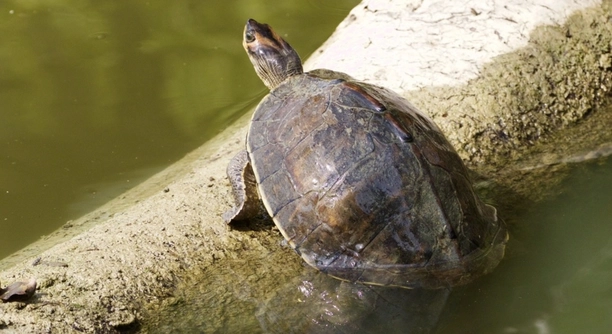
Do you ever find your Indian roofed tortoise constantly climbing onto your hand, as if it is trying to interact with you? This behavior may seem unusual, but it is actually quite common among pet tortoises.
Your Indian roofed tortoise is likely climbing your hand due to curiosity, seeking warmth, or recognizing you as a source of food. Tortoises are intelligent and can associate their owners with positive experiences, leading them to approach and climb.
Understanding this behavior can help strengthen your bond with your tortoise while ensuring its comfort and well-being in its enclosure.
Understanding Your Tortoise’s Behavior
Tortoises are naturally curious animals. When your Indian roofed tortoise climbs your hand, it might be trying to explore its surroundings. It recognizes your scent and warmth, making it feel comfortable enough to interact. This behavior is also linked to food anticipation. If you frequently feed your tortoise by hand, it may associate your presence with meals. Additionally, tortoises seek warmth, and your hand provides a heat source that feels inviting. Some tortoises also enjoy climbing as a form of exercise, which helps with muscle development and mental stimulation.
If your tortoise is climbing on you frequently, observe its overall behavior. If it appears restless or constantly attempts to escape its enclosure, it may need more stimulation. Providing climbing structures, hiding spots, and enrichment activities can help satisfy its natural instincts. A well-maintained habitat with proper heating and lighting will also keep your tortoise comfortable.
Understanding why your tortoise behaves this way will help you respond appropriately. This behavior is not unusual, but ensuring your tortoise has everything it needs in its environment will prevent unnecessary stress. If it still seeks your attention frequently, spending time interacting with it can create a stronger bond and improve its overall well-being.
Creating a Comfortable Habitat
A proper enclosure plays a big role in your tortoise’s behavior. If the habitat lacks space, warmth, or stimulation, your tortoise may try to climb on you more often. Making sure its enclosure meets all its needs can reduce this behavior.
A spacious enclosure with proper lighting, heating, and enrichment is essential. Indian roofed tortoises need a warm basking area around 85-90°F and a cooler section for regulation. Providing a variety of surfaces, such as logs, rocks, and hiding spots, encourages exploration. A shallow water dish is also necessary for hydration. Regularly checking humidity levels helps prevent health issues.
If your tortoise continues to climb onto you despite having a well-equipped habitat, it may simply enjoy interaction. Some tortoises are more social and like to explore their owners. Spending time near its enclosure, offering occasional treats, and gently handling it can create a positive relationship. Paying attention to its behavior will help you understand what it needs and ensure it stays happy and healthy.
Recognizing Signs of Stress
If your tortoise is climbing excessively, it might be stressed. Stress can be caused by loud noises, frequent handling, or an improper environment. Signs of stress include loss of appetite, hiding for long periods, and excessive pacing or scratching at the enclosure walls.
A stressed tortoise may also become less active and show irregular eating patterns. If the enclosure is too small or lacks proper heating, your tortoise may feel uncomfortable and try to escape. Checking for any sudden changes in behavior can help identify stress early. Adjusting temperature, humidity, and providing hiding spots can make a big difference. Reducing loud noises and minimizing handling can also help your tortoise feel more secure.
If stress continues despite making adjustments, a vet visit may be necessary. Underlying health issues, such as parasites or respiratory infections, can also cause behavioral changes. Ensuring a stable and enriched environment will help your tortoise feel safe.
Encouraging Healthy Interaction
Some tortoises naturally enjoy interaction, while others may need time to get used to it. Letting your tortoise approach you at its own pace helps build trust. Sitting near the enclosure and offering treats can encourage positive interactions without overwhelming it.
Handling your tortoise gently and for short periods prevents stress. If it climbs on your hand willingly, keep your movements slow and steady. Letting it explore in a safe space outside the enclosure can also help it feel more comfortable around you. Providing enrichment, like different textures and climbing structures, gives your tortoise mental stimulation while reducing excessive climbing behavior.
Every tortoise has its own personality, and understanding its comfort level is important. If your tortoise prefers minimal interaction, giving it space while maintaining a well-equipped habitat is the best approach. Creating a balance between interaction and independence will keep your tortoise happy and healthy.
Providing Proper Nutrition
A well-balanced diet keeps your tortoise healthy and active. Feeding it a mix of leafy greens, vegetables, and occasional fruits ensures it gets the right nutrients. Calcium supplements are important for shell health, and clean water should always be available for drinking and soaking.
Overfeeding or offering too many high-sugar foods can lead to health problems. Stick to natural, plant-based foods and avoid processed treats. Observing your tortoise’s eating habits helps identify any dietary issues early. A varied diet not only supports physical health but also keeps your tortoise engaged with different textures and flavors.
Ensuring Safe Exploration
Allowing your tortoise to explore outside its enclosure provides exercise and mental stimulation. A safe, enclosed space with grass, soil, and shaded areas mimics its natural habitat. Supervised outdoor time helps prevent boredom and reduces excessive climbing behavior inside its enclosure.
Monitoring Behavior Changes
Sudden changes in activity levels, eating habits, or interaction patterns may indicate stress or illness. Paying attention to these shifts helps you respond quickly. If your tortoise’s behavior seems unusual for an extended period, consulting a vet ensures any potential health issues are addressed early.
FAQ
Why does my tortoise climb my hand but not other objects?
Your tortoise may associate your hand with food, warmth, or interaction. If you often feed it by hand, it learns to recognize you as a source of positive experiences. Your hand also provides warmth, which can be comforting. If the enclosure lacks climbing structures, your tortoise might climb your hand simply because it enjoys exploring but has limited options. Providing rocks, logs, or other safe climbing surfaces can encourage natural behaviors inside its habitat.
Is my tortoise trying to escape when it climbs on me?
Not necessarily. While tortoises do attempt to escape if their enclosure is too small or lacks proper enrichment, climbing on you is often a sign of curiosity. If your tortoise constantly tries to get out, check the enclosure size, temperature, and overall setup. A stressed or uncomfortable tortoise may seek a way out, but if everything is in order, climbing on you is likely just a form of interaction or exploration.
Should I stop my tortoise from climbing on my hand?
If your tortoise enjoys climbing your hand and shows no signs of stress, there is no harm in allowing it. However, always support its body properly to prevent falls. If you prefer to discourage this behavior, gently redirect it by placing your hand lower or offering another surface for it to climb. Avoid sudden movements, as this can startle your tortoise.
Can climbing on my hand be a sign of hunger?
Yes, especially if your tortoise associates your presence with feeding. If it frequently climbs on you around feeding times, it may be expecting food. Keeping a consistent feeding schedule and providing a balanced diet can help regulate its behavior. If your tortoise seems excessively hungry despite regular meals, check its diet to ensure it is getting enough nutrients.
Is it normal for a tortoise to climb frequently?
Yes, climbing is a natural behavior for many tortoises. In the wild, they navigate uneven terrain and explore their surroundings. If your tortoise climbs often, it may simply be expressing its natural instincts. However, excessive climbing combined with signs of stress, such as constant pacing or attempts to escape, may indicate that something is off in its environment.
How can I make my tortoise’s habitat more engaging?
Adding different textures, levels, and hiding spots can make an enclosure more stimulating. Rocks, logs, and platforms give your tortoise something to climb on safely. Providing fresh plants, safe digging areas, and occasional rearrangement of objects can also keep your tortoise engaged. A well-designed enclosure encourages exploration and reduces boredom.
What if my tortoise falls while climbing?
Tortoises have strong shells, but falls can still cause injuries. If your tortoise frequently falls, check that its enclosure is safe and does not have high, unstable surfaces. If it falls from your hand, observe it for any signs of distress or injury, such as limping or reluctance to move. A vet visit may be necessary if you notice anything unusual.
Does my tortoise recognize me?
Tortoises can recognize their owners over time. They learn to associate you with food, safety, and interaction. Some tortoises become more comfortable and may even seek out their owners for attention. While they may not show affection in the same way as other pets, they can develop trust and familiarity.
Why does my tortoise climb and then stop moving?
This could be due to several reasons. Your tortoise may simply be resting after expending energy to climb. If it stops moving frequently and seems lethargic, check its environment for proper temperature and humidity. If it persists, consider consulting a vet to rule out any health issues.
How do I know if my tortoise is happy?
A content tortoise is active, eats well, and explores its enclosure. It should have a regular appetite, show curiosity about its surroundings, and move comfortably. Signs of distress include excessive hiding, refusing food, or pacing the enclosure walls. Keeping its environment enriched and well-maintained ensures a happy and healthy tortoise.
Final Thoughts
Climbing is a natural behavior for many tortoises, including the Indian roofed tortoise. When your tortoise climbs onto your hand, it could be showing curiosity, seeking warmth, or associating you with food. While this behavior is usually harmless, it is important to make sure that your tortoise has a well-maintained enclosure with enough enrichment to keep it engaged. A spacious habitat with climbing structures, hiding spots, and proper lighting can help satisfy its instincts and reduce excessive climbing. Observing its behavior regularly will help you determine if it is acting out of curiosity or if something in its environment needs adjustment.
If your tortoise is climbing excessively, pacing, or showing other signs of stress, it may be a sign that something is missing in its habitat. Checking for proper temperature, humidity, and space can help ensure that it feels safe and comfortable. Encouraging exploration outside the enclosure in a controlled and safe space can also be beneficial. If you are concerned about changes in behavior, a vet check-up can rule out any potential health issues. Paying attention to small behavioral cues can help you better understand your tortoise’s needs and create an environment where it thrives.
Each tortoise has its own personality, and some may naturally be more interactive than others. Some tortoises will seek out their owners more often, while others may prefer solitude. Respecting your tortoise’s preferences while providing the right care is key to maintaining its well-being. Whether it climbs onto your hand out of curiosity or habit, ensuring that it feels secure and comfortable will help build trust between you and your pet. With the right care and attention, your tortoise can live a long and happy life in its enclosure while still enjoying moments of interaction with you.

Hello,
If you enjoy the content that we create, please consider saying a "Thank You!" by leaving a tip.
Every little bit helps us continue crafting quality advice that supports the health, happiness, and well-being of pets around the world, for pets of all shapes, sizes, and species.
We really appreciate the kindness and support that you show us!