
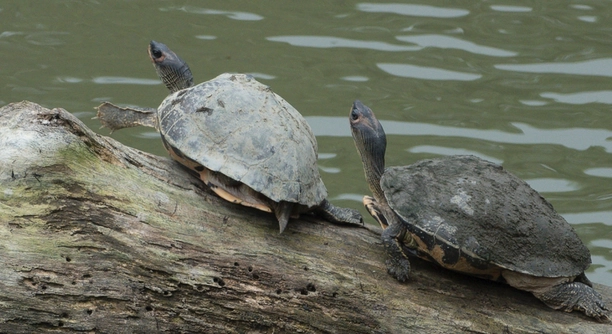
Overheating is a common concern for pet owners, especially when it comes to reptiles like the Indian Roofed Tortoise. These creatures need careful attention to their environment to stay healthy. Recognizing the signs of heat stress is essential for their well-being.
If your Indian Roofed Tortoise is overheating, signs such as lethargy, excessive panting, or seeking cooler areas may appear. It’s important to monitor their habitat temperature closely and ensure it remains within the ideal range to avoid heat-related stress.
Proper care and awareness of temperature fluctuations are key to maintaining a healthy habitat for your tortoise. Knowing the signs of overheating will help you take the right steps in adjusting their environment.
How Overheating Affects Your Indian Roofed Tortoise
Overheating can have serious effects on your Indian Roofed Tortoise. They are native to warm climates but still require a balance of heat to thrive. When the temperature rises too high, it can cause dehydration, stress, and even organ failure. This makes it crucial to monitor their environment, both indoors and outdoors, especially during warmer months. Prolonged exposure to excessive heat can also lead to a weakened immune system, leaving them vulnerable to illness. By ensuring that their habitat stays within the recommended temperature range, you can help avoid these health risks and keep your tortoise active and happy.
To prevent overheating, make sure your tortoise’s enclosure has areas to cool down, like shaded spots or a cool substrate. Regular checks on their behavior, including eating habits and movement, are also helpful in identifying any discomfort early.
Providing access to fresh water is essential to help your tortoise stay hydrated. When the temperature rises, they need to drink more frequently to maintain proper fluid levels. If your tortoise appears sluggish or disinterested in eating, it could be a sign that they are too hot. You can encourage hydration by offering a shallow water dish or even misting the habitat lightly. Regularly monitoring the temperature and humidity of their environment helps prevent overheating and ensures they remain comfortable throughout the day.
Recognizing Overheating Symptoms
Excessive heat may cause several noticeable symptoms in your tortoise. They may begin to hide or become unusually inactive.
Look out for signs like heavy panting or an unwillingness to eat. If your tortoise starts to avoid movement, it could be their way of trying to escape the heat. Check the temperature of the basking area and reduce it if necessary.
How to Manage Temperature in Your Tortoise’s Habitat
To manage the temperature in your tortoise’s habitat, always use a reliable thermometer to monitor both the warm and cool areas. This will help ensure that the environment is neither too hot nor too cold. Avoid placing the enclosure in direct sunlight for long periods, as this can cause temperature spikes.
Adjusting the basking light and using heating pads can help maintain the right temperature. The ideal temperature for an Indian Roofed Tortoise is around 85-90°F (29-32°C) in the basking area and slightly cooler in the rest of the enclosure. If you notice the temperature exceeds this range, consider adding more shade or moving the enclosure to a cooler spot. Having the right balance between warmth and cooler areas will help your tortoise stay comfortable.
Humidity is also important to consider. Ensure the environment stays between 50% and 70% humidity. Too much humidity can cause respiratory issues, while too little can lead to dehydration. Regular misting or adding a humidity tray can help maintain the ideal moisture level for your tortoise.
The Role of Hydration in Preventing Overheating
Hydration plays a key role in preventing overheating. Make sure your tortoise has access to clean water at all times. Offer a shallow water dish that they can easily drink from, ensuring it’s changed regularly.
If your tortoise is showing signs of overheating, providing water can help them regulate their body temperature. You can also soak your tortoise in lukewarm water for a short period to help cool them down if they seem overly warm. This is especially important during hotter months, when they may need more hydration to stay cool.
Providing Shade and Cooling Options
It’s important to provide shaded areas within the enclosure. These spaces give your tortoise the chance to cool down when needed. Ensure that there are spots where they can retreat to escape the heat.
Consider using natural materials like rocks or plants for shade. These items can mimic the tortoise’s natural habitat, giving them a safe and comfortable space to relax. You can also use a piece of cloth or a mesh cover over part of the enclosure to create a shaded area, allowing your tortoise to regulate their body temperature.
Temperature Regulation Through Proper Lighting
The right lighting can help maintain a comfortable temperature for your tortoise. Use a heat lamp that simulates natural sunlight for basking. This can encourage your tortoise to stay active and absorb essential UVB rays.
Keep in mind that a heat lamp should be placed at a safe distance, as it can get very hot. Consider using a dimmer or adjustable lighting system to fine-tune the warmth in the basking area. Providing a steady, controlled heat source is key to keeping your tortoise comfortable and healthy.
When to Seek Veterinary Help
If your tortoise shows severe signs of overheating, such as continuous lethargy or irregular breathing, it’s crucial to consult a veterinarian immediately. These could be symptoms of heatstroke or other serious conditions.
FAQ
How can I tell if my tortoise is overheating?
Signs of overheating in your tortoise include lethargy, panting, loss of appetite, or hiding in cool areas. They may also show irregular behavior, such as being less active or seeking cooler spots in their habitat. Monitoring their behavior closely during hot weather can help you identify overheating early. If your tortoise shows these signs, adjust the temperature in their environment and provide access to cool areas immediately.
What temperature should my tortoise’s habitat be?
The ideal temperature for an Indian Roofed Tortoise’s basking area is around 85-90°F (29-32°C). The cooler areas of the habitat should be between 75-80°F (24-27°C). It’s essential to have a temperature gradient so the tortoise can regulate its body temperature by moving between warmer and cooler spots.
How can I prevent my tortoise from overheating in the summer?
During the summer, ensure your tortoise’s enclosure is not exposed to direct sunlight for too long. You can set up a shaded area with natural or artificial coverings, like mesh or cloth. Keep the habitat well-ventilated and regularly check the temperature to make adjustments as needed. Additionally, provide access to fresh water and consider increasing humidity levels if it’s particularly dry.
What should I do if my tortoise is too hot?
If you suspect your tortoise is overheated, immediately move them to a cooler area. Offer a shallow water dish to help them cool down and stay hydrated. You can also soak them in lukewarm water for 10 to 15 minutes to help bring their body temperature down. Ensure that their habitat is well-ventilated and that the temperature is adjusted.
How often should I check my tortoise’s temperature?
It’s a good practice to check your tortoise’s temperature daily, especially during extreme weather. A reliable thermometer will allow you to monitor both the basking and cool areas. Checking the temperature regularly ensures that your tortoise’s environment stays within the ideal range for comfort and health.
Can I use a heat lamp for my tortoise?
Yes, heat lamps are a great way to provide warmth for your tortoise, especially in the basking area. Use a lamp that simulates natural sunlight and provides both heat and UVB light. Ensure the lamp is at the correct distance to avoid overheating or burning your tortoise.
How can I keep my tortoise hydrated during hot weather?
During warmer months, your tortoise may require more water to stay hydrated. Ensure they always have access to clean, fresh water. You can also soak them in shallow, lukewarm water to encourage drinking and help regulate their body temperature. Mist the habitat lightly to help maintain proper humidity levels.
Is it necessary to provide a cooler area in the habitat?
Yes, it’s essential to have cooler areas in your tortoise’s habitat. This allows them to regulate their body temperature. A temperature gradient, with both warm and cool spots, gives your tortoise the option to move to a cooler area if they are too hot. Without this, your tortoise may become overheated.
What are the signs of heatstroke in a tortoise?
Heatstroke can occur if your tortoise becomes too hot. Symptoms include excessive panting, rapid breathing, weakness, loss of coordination, and refusal to eat or drink. If you notice these symptoms, it’s critical to cool your tortoise down immediately and seek veterinary assistance. Heatstroke can be life-threatening if not treated promptly.
Can my tortoise get too cold as well?
Yes, your tortoise can become too cold if the temperature drops too low. Indian Roofed Tortoises prefer warmth and can suffer from health issues if they get too cold, such as a weakened immune system or difficulty digesting food. Keep the habitat within the recommended temperature range to ensure they stay healthy.
How long can my tortoise stay outside in hot weather?
If you plan to keep your tortoise outside, monitor the temperature carefully. On extremely hot days, it’s better to limit their time outside and provide shaded areas where they can retreat. Never leave them outside for long periods in direct sunlight, as they can quickly overheat.
What is the best way to cool down my tortoise?
The best way to cool down an overheated tortoise is by moving them to a cooler environment. Provide access to cool, shaded areas, and offer fresh water. You can also soak them in lukewarm water to help lower their body temperature. It’s important to avoid sudden temperature changes, as this can cause shock.
Can a tortoise overheat if it has access to water?
While water helps keep your tortoise hydrated and cool, it’s not a guaranteed protection against overheating. If the temperature in their habitat becomes too high, even with access to water, your tortoise may still overheat. Regularly monitor the temperature and humidity levels to ensure they remain within the ideal range.
What should I do if I can’t keep my tortoise’s enclosure cool enough?
If you can’t maintain a cool enough environment in your tortoise’s enclosure, consider moving them to a different location, such as a basement or shaded area, where the temperature is more stable. You may also need to add fans or cooling pads to help lower the temperature. Ensure the tortoise still has access to shaded spots and fresh water.
Final Thoughts
Managing the temperature of your Indian Roofed Tortoise’s environment is crucial for its health and well-being. These tortoises are native to warm climates, but that doesn’t mean they can tolerate extreme heat without proper care. Overheating can cause stress, dehydration, and serious health problems, so it’s essential to monitor their habitat regularly. By providing a temperature gradient, shaded areas, and plenty of water, you can help your tortoise stay comfortable and avoid overheating. Keeping an eye on their behavior will also give you clues about whether they need more cooling or a break from the heat.
It’s not just about the heat; humidity levels matter too. While your tortoise needs warmth, they also need an environment with the right amount of moisture. Too much or too little humidity can lead to health problems like dehydration or respiratory issues. Regularly misting their habitat and providing a shallow water dish can help maintain the ideal humidity levels. This balance between temperature and humidity ensures that your tortoise thrives in a comfortable space, reducing the risk of overheating or other health complications.
In the end, staying on top of the temperature and making small adjustments to their environment can make a big difference in your tortoise’s quality of life. Be mindful of the weather changes, and don’t hesitate to adjust their habitat accordingly. Taking a few extra steps to keep their space cool and well-hydrated will pay off by ensuring your tortoise remains healthy and active for years to come. Keep in mind that their comfort should always be your priority, and you’ll notice how much better they look and behave when their environment is just right.

Hello,
If you enjoy the content that we create, please consider saying a "Thank You!" by leaving a tip.
Every little bit helps us continue crafting quality advice that supports the health, happiness, and well-being of pets around the world, for pets of all shapes, sizes, and species.
We really appreciate the kindness and support that you show us!