
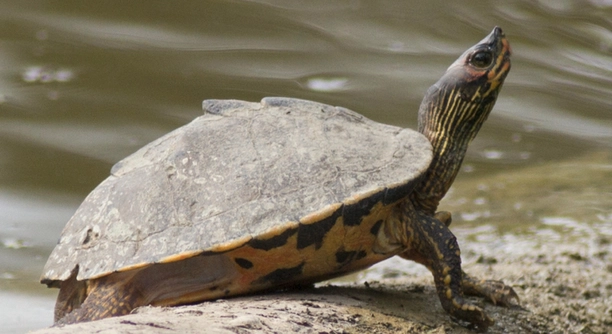
Is your Indian roofed tortoise acting differently, hiding more than usual, or refusing to eat? Subtle changes in behavior can indicate anxiety, which can affect their overall well-being and quality of life.
An Indian roofed tortoise may experience anxiety due to environmental stressors, improper habitat conditions, or lack of enrichment. Signs include excessive hiding, loss of appetite, restlessness, and defensive behaviors. Addressing these issues can help improve your tortoise’s mental and physical health.
A well-maintained habitat and proper care can make a big difference. Understanding the causes of anxiety will help you create a safe and comfortable environment for your tortoise.
Signs Your Indian Roofed Tortoise Is Anxious
An anxious tortoise may behave differently than usual. It might hide for long periods, refuse food, or become restless. Some may scratch at the walls of their enclosure or pace back and forth. Sudden aggression, such as hissing or retracting into their shell more often, can also be a sign of distress. Physical symptoms like weight loss or irregular shell growth may indicate ongoing stress. Changes in their usual routine, such as avoiding basking areas or refusing to interact, can also suggest anxiety. Paying attention to these signs can help you address potential issues early.
If your tortoise is showing any of these behaviors, something in its environment may be causing stress. Identifying the source of discomfort is the first step in helping them feel safe again.
Anxiety in tortoises can come from loud noises, improper lighting, or sudden changes in their surroundings. A stable, comfortable habitat is important for their well-being.
Common Causes of Anxiety in Indian Roofed Tortoises
Changes in their environment, such as new decorations or enclosure rearrangements, can make a tortoise feel uneasy. Even small adjustments can cause stress, especially if done too often.
Incorrect temperature and humidity levels can also create anxiety. If the enclosure is too cold or too dry, your tortoise may struggle to regulate its body functions. An improper basking spot or lack of hiding places can leave them feeling vulnerable. Loud noises, frequent handling, or exposure to unfamiliar pets can increase stress levels. Poor diet or irregular feeding schedules can also contribute to anxiety. Ensuring a consistent routine with proper nutrition helps them feel secure.
Providing a quiet, stable environment is key. Avoid making sudden changes to their habitat and maintain a proper temperature gradient. Offer a variety of hiding spots so they feel safe. A well-balanced diet and gentle handling will also help your tortoise feel more comfortable.
How to Help an Anxious Indian Roofed Tortoise
A quiet and stable environment can reduce stress. Keep their enclosure in a low-traffic area away from loud noises and sudden movements. Providing hiding spots, like logs or plants, helps them feel secure. Consistency in temperature, humidity, and lighting is also important for their comfort.
Handling should be minimal, especially if your tortoise shows signs of stress. If handling is necessary, be gentle and avoid sudden movements. Ensure their enclosure has a proper basking area, as warmth helps them feel safe. Regular feeding times and a well-balanced diet prevent anxiety related to food insecurity. Avoid rearranging their habitat too often, as changes can make them nervous.
Adding enrichment, such as safe objects to explore, can keep your tortoise engaged. A varied diet with fresh greens and calcium supplements supports their health. Monitor their behavior closely, and if signs of anxiety persist, consult a reptile veterinarian.
When to Seek Professional Help
If your tortoise refuses to eat for more than a week, loses weight, or remains inactive, it may need medical attention. Persistent signs of stress, such as excessive hiding, aggression, or unusual shell conditions, should not be ignored. A veterinarian can assess any underlying health issues.
A professional can help identify hidden causes of stress, such as parasites, infections, or metabolic disorders. They may recommend changes to the habitat, diet, or lighting. If behavioral issues persist despite adjustments, expert advice can ensure your tortoise’s long-term health. Seeking help early can prevent minor issues from becoming serious problems.
Preventing Anxiety in Indian Roofed Tortoises
A predictable routine helps reduce stress. Keep feeding times, lighting schedules, and cleaning routines consistent. Sudden changes in their environment can make them anxious. If adjustments are needed, introduce them gradually to allow your tortoise time to adapt.
Proper enclosure setup is important. Ensure they have a warm basking area, a cooler retreat, and plenty of hiding spots. A well-maintained habitat with clean water and fresh food prevents unnecessary stress. Providing a variety of enrichment items keeps them mentally stimulated and engaged.
Choosing the Right Habitat Setup
A spacious enclosure allows your tortoise to move freely and explore. The substrate should be safe and comfortable, such as coconut fiber or cypress mulch. Avoid overly dry or dusty bedding, as it can cause respiratory issues. Include shaded areas, basking spots, and hiding places to create a secure environment.
Final Thoughts
Caring for an Indian roofed tortoise requires attention to both physical and mental well-being. A stable environment, proper diet, and gentle handling can prevent anxiety. Small changes can make a big difference in helping your tortoise feel safe and comfortable.
FAQ
How can I tell if my tortoise is stressed or just shy?
A stressed tortoise may hide excessively, refuse food, or show aggressive behaviors like hissing or retreating suddenly. It may also pace, scratch at the enclosure, or avoid basking areas. A shy tortoise will still eat and explore but may take time to warm up to new surroundings.
Can an Indian roofed tortoise get anxious from being handled too much?
Yes, excessive handling can cause stress. Tortoises prefer minimal interaction and need time to adjust to their environment. If they retract into their shell, struggle, or show signs of distress when picked up, it is best to limit handling and let them feel secure in their habitat.
Does a lack of hiding spots cause anxiety in tortoises?
Yes, tortoises need hiding spots to feel safe. Without proper shelter, they may become stressed and refuse to eat or bask. Adding logs, plants, or small caves in their enclosure helps them feel secure and reduces anxiety.
Can loud noises stress my tortoise?
Yes, loud sounds can make a tortoise anxious. Their hearing is sensitive to vibrations, and sudden or constant noise may cause them to hide or become restless. Keeping their enclosure in a quiet area helps them feel more comfortable and relaxed.
Is a lack of sunlight or UVB lighting linked to anxiety in tortoises?
Yes, inadequate lighting can affect their health and mood. UVB light is essential for calcium absorption and overall well-being. Without it, they may feel sluggish, lose their appetite, or develop shell problems. A proper lighting setup mimics natural sunlight and keeps them healthy.
Can improper diet lead to anxiety in my tortoise?
Yes, a poor diet can make a tortoise feel stressed. If they are not getting enough nutrients, they may become weak or irritable. Feeding a balanced diet with leafy greens, calcium supplements, and occasional fruits ensures they stay healthy and reduces stress-related behaviors.
How can I introduce changes to my tortoise’s habitat without causing stress?
Make changes gradually. Instead of rearranging the entire enclosure at once, modify one section at a time. Give your tortoise time to adjust before adding new decorations, hiding spots, or substrates. Observing their reaction helps ensure they remain comfortable.
Can my tortoise sense my emotions?
Tortoises do not understand human emotions the way mammals do, but they can sense changes in their environment. If you are frequently handling them with nervous energy or making sudden movements, they may become wary and stressed. Staying calm and consistent helps them feel at ease.
Why does my tortoise refuse to eat even when everything seems fine?
Stress, improper temperature, or illness can cause a tortoise to refuse food. Ensure their enclosure has the right temperature gradient, proper humidity, and a quiet environment. If refusal to eat continues for more than a week, consult a reptile veterinarian.
How long does it take for a stressed tortoise to recover?
The recovery time depends on the cause of stress. Minor stress from a small environmental change may resolve within a few days. Long-term stress due to poor habitat conditions or health issues can take weeks to improve. A stable, comfortable environment speeds up recovery.
Can a tortoise recognize its owner?
Tortoises can learn to associate their owner with food and care. They may not show affection like a dog or cat, but over time, they become familiar with their owner’s presence, voice, and routines. This familiarity can help them feel more secure.
Is pacing back and forth in the enclosure a sign of stress?
Yes, pacing can indicate anxiety, restlessness, or discomfort. It may happen if the enclosure is too small, lacks enrichment, or has improper temperature conditions. Providing a spacious habitat with hiding spots and proper heating can help reduce this behavior.
Should I be worried if my tortoise hides all the time?
If your tortoise hides frequently but still eats, basks, and moves around occasionally, it may just be shy. However, if it refuses food, avoids basking, or appears lethargic, stress or illness could be the cause. Monitoring their behavior helps determine if there is an underlying problem.
Can changes in weather affect my tortoise’s behavior?
Yes, temperature and humidity fluctuations can influence their activity levels. Tortoises may become less active during colder weather or if humidity is too low. Keeping their enclosure conditions stable prevents sudden behavioral changes due to environmental shifts.
What is the best way to create a stress-free environment for my tortoise?
A well-maintained enclosure with a proper temperature gradient, hiding spots, UVB lighting, and a balanced diet helps reduce stress. Keeping their space quiet and avoiding frequent handling also ensures they feel safe and comfortable.
Final Thoughts
Caring for an Indian roofed tortoise requires attention to both its physical and mental well-being. A well-maintained habitat with proper temperature, humidity, and lighting helps prevent stress. Providing a quiet environment, a consistent routine, and plenty of hiding spots allows your tortoise to feel safe. Avoiding sudden changes in their surroundings and handling them gently can also help reduce anxiety. Watching for signs of stress, such as excessive hiding, loss of appetite, or unusual behaviors, is important. Early intervention can prevent minor stress from turning into serious health issues.
Understanding what makes your tortoise feel comfortable can take time. Every tortoise has its own personality and may react differently to changes. Some adjust quickly, while others need more time to feel secure. Patience is key when creating a stress-free environment. Simple adjustments, such as adding new hiding spots or ensuring they have a proper basking area, can make a big difference. Paying close attention to their behavior helps you determine what works best for them. The more you observe and learn about their needs, the easier it becomes to provide proper care.
A tortoise that feels safe and comfortable will be more active, eat regularly, and show natural behaviors. Consistency in care is essential for their overall well-being. If stress-related behaviors persist despite improvements in their environment, seeking help from a reptile veterinarian is always a good idea. Ensuring their long-term health requires effort, but the reward is a happy and thriving tortoise. With the right care and attention, your Indian roofed tortoise can live a healthy and peaceful life.

Hello,
If you enjoy the content that we create, please consider saying a "Thank You!" by leaving a tip.
Every little bit helps us continue crafting quality advice that supports the health, happiness, and well-being of pets around the world, for pets of all shapes, sizes, and species.
We really appreciate the kindness and support that you show us!