
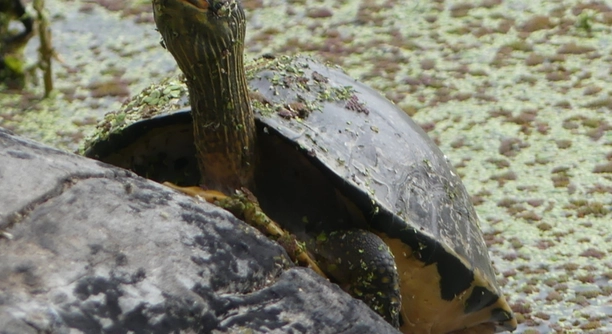
Indian roofed tortoises are charming pets, but their well-being can sometimes be affected by stress. Stress in these tortoises can lead to a variety of health issues, making it important to address the cause quickly.
To help ease stress in Indian roofed tortoises, providing proper care and adjusting their environment can make a big difference. Simple fixes like improving their habitat, feeding routines, and handling practices can reduce stress and improve overall health.
In this article, we will walk through a few simple tips to help ensure your tortoise stays calm and comfortable. Keep reading to learn more about improving their well-being.
Create a Stress-Free Habitat
One of the most important steps in reducing stress for your Indian roofed tortoise is ensuring that their habitat is comfortable. These tortoises need a well-balanced environment, which includes a proper temperature range, humidity level, and space to roam. A small, overcrowded enclosure can cause discomfort and anxiety. Tortoises need space to explore, stretch, and exhibit natural behaviors like basking and foraging.
Ensure the enclosure has enough room for your tortoise to move freely and avoid clutter. Make sure that there are separate areas for basking, hiding, and resting. The lighting should mimic the natural sunlight they would receive in the wild. Heating lamps or UVB lights can help keep the environment at the right temperature and support their health.
Pay attention to their substrate as well. Avoid using rough or toxic materials, and ensure that the bedding allows for easy cleaning while maintaining proper humidity. A clean, organized enclosure can go a long way in reducing stress.
Regulate Their Diet
A balanced diet is essential for keeping your tortoise healthy and stress-free. Poor feeding habits can lead to digestive issues or even anxiety. Offering a variety of fresh vegetables, greens, and the occasional fruit will keep your tortoise nourished. Avoid overfeeding and make sure that their food is appropriate for their age and size.
Provide fresh water daily and ensure that it’s easy for your tortoise to drink. Some tortoises will also enjoy soaking in shallow water to stay hydrated and to help with shedding. This can also act as a form of enrichment.
The key is to find a routine that keeps them happy and full, without overloading them with too much food at once. A consistent feeding schedule will help them feel secure and reduce stress over time.
Handle Your Tortoise With Care
Handling your Indian roofed tortoise gently and minimally can prevent stress. Tortoises are naturally cautious animals and may become stressed if handled too often or too roughly. Try to avoid picking them up unless necessary. If you do need to move them, support their shell from both sides to ensure they feel secure.
When handling, keep the movements slow and deliberate. Fast or jerky motions can startle your tortoise, leading to stress. It’s best to let them explore their space at their own pace rather than forcing interaction. Over time, they may become more accustomed to your presence and be less anxious when you approach.
It’s also important to remember that stress can build up from environmental changes. Try not to disrupt their habitat too frequently or expose them to sudden loud noises or changes in lighting. The key is to create a peaceful routine.
Provide Enrichment Activities
Tortoises can easily become bored if they don’t have enough to do, which may increase stress. Providing different types of enrichment can help keep them mentally stimulated. You can add safe hiding spots, toys, or even occasional foraging opportunities in their enclosure.
Offering a variety of textures to walk on, like smooth rocks or soft sand, can also add to their environment’s complexity. This mimics the natural terrain they would encounter in the wild and provides some physical exercise.
Be sure to adjust the enrichment activities to their size and preferences. Some tortoises enjoy exploring objects while others prefer a quiet space. The more you observe their behavior, the more you’ll understand what they enjoy most.
Control Temperature and Lighting
Maintaining the right temperature and lighting is essential for your tortoise’s health. Too hot or too cold can cause stress, making your tortoise uncomfortable. Ideal temperature ranges for an Indian roofed tortoise should be between 75°F to 85°F during the day. A basking spot should be around 95°F.
Proper UVB lighting is just as important. Without UVB light, your tortoise can suffer from calcium deficiencies and weakened bones. The light should be on for 10 to 12 hours a day. Use a UVB bulb specifically designed for reptiles, and ensure it’s placed at the correct distance to provide full benefits. Keep the light source within the tortoise’s range for proper basking.
In addition to the UVB light, provide a cooler area in the enclosure where the tortoise can retreat when needed. This allows them to regulate their body temperature naturally. Regularly check the temperature and adjust your heating equipment if necessary.
Avoid Overcrowding in the Enclosure
Overcrowding can increase stress in Indian roofed tortoises. They need personal space to feel safe, so avoid housing multiple tortoises in a small area. If you do keep more than one, ensure each tortoise has plenty of room to roam without competition for food or basking spots.
A crowded space can lead to territorial behavior, aggression, and stress. Providing ample space will also reduce the risk of illness spreading between multiple animals. If you notice signs of fighting or stress between tortoises, separate them to prevent harm.
Make sure to clean the enclosure regularly and ensure each tortoise has a designated area for rest and eating. Reducing stress factors like overcrowding will help maintain a calm and healthy environment for your tortoise.
Minimize Handling and Stressful Interactions
Indian roofed tortoises are not overly fond of frequent handling. Handling them too often can cause them to feel stressed and anxious. Allow them to remain in their habitat, where they feel safest, and only pick them up when absolutely necessary.
When you do need to handle them, make sure the movements are slow and steady. Quick or abrupt motions can startle your tortoise, leading to heightened stress levels. Always ensure that your grip is gentle and secure. Excessive handling can negatively affect their health and cause unnecessary distress.
Monitor Their Behavior Regularly
Keep an eye on your tortoise’s behavior and health. If you notice any changes in eating habits, activity levels, or shell condition, it could be a sign of stress. Regular observation allows you to catch potential problems early. If unsure, consult a vet for advice.
Look for signs such as lack of appetite, lethargy, or hiding more than usual. These can indicate your tortoise is feeling overwhelmed or unwell. By tracking their behavior closely, you can adjust their environment and care to prevent further stress.
Maintain Consistent Care Routines
Tortoises thrive on routine. A consistent schedule for feeding, cleaning, and handling can help reduce anxiety. When your tortoise knows what to expect, it can help them feel secure in their environment. Keep feeding times and light cycles regular.
A predictable routine also contributes to their overall well-being. If possible, avoid making abrupt changes to their living environment, as they may react negatively to disruptions. Whether it’s bath time or a change in bedding, making these events a part of their routine helps reduce stress over time.
FAQ
What are the signs of stress in an Indian roofed tortoise?
Stress in Indian roofed tortoises can show up in several ways. Common signs include reduced appetite, lethargy, excessive hiding, and unusual behavior like pacing or circling the enclosure. If they seem to be avoiding their basking spot or soaking in water more than usual, this could be a sign that something isn’t right. Also, if their shell starts showing cracks, discolouration, or soft spots, stress may be contributing to these health issues. Watch their behavior carefully and act quickly if anything seems off.
How can I help my Indian roofed tortoise feel more secure?
Creating a more secure environment is key to reducing stress. Ensure your tortoise has plenty of hiding spots within their enclosure, like small caves or plant cover. These will allow them to retreat and feel safe when they need quiet time. Make sure their habitat is free from loud noises or sudden movements that could frighten them. Having a consistent routine for feeding, cleaning, and handling will also provide a sense of security.
Is it safe to keep multiple tortoises together?
Indian roofed tortoises can live together, but only if there’s enough space in their enclosure. Overcrowding can cause stress, territorial aggression, and even injury. If you plan to keep multiple tortoises, provide plenty of hiding spaces, basking areas, and separate feeding stations. It’s essential to monitor their interactions closely to make sure no one is being bullied or stressed out. If signs of aggression appear, you may need to separate them.
How often should I handle my Indian roofed tortoise?
It’s best to minimize handling to avoid stressing your tortoise. Only handle them when necessary, such as during health check-ups or cleaning. If you do handle them, keep it brief and gentle. Slow movements and support under their shell are key to making them feel secure. Excessive handling can lead to stress, so always prioritize their comfort and well-being.
What should I do if my tortoise isn’t eating?
A lack of appetite can be a sign of stress, illness, or improper conditions. First, check their habitat to ensure the temperature and lighting are correct. If the environment is too cold or too hot, it can affect their digestion. Offer a variety of fresh greens and vegetables, ensuring they’re safe for tortoises. If the lack of appetite persists for more than a couple of days, or if other symptoms appear, it’s best to consult a vet.
Can temperature changes cause stress in my tortoise?
Yes, drastic temperature changes can cause stress in Indian roofed tortoises. These tortoises need a stable temperature range of about 75°F to 85°F, with a basking area around 95°F. If the enclosure is too cold or too hot, they may retreat into their shell or show signs of stress. Always make sure the heating elements are functioning correctly and check the temperatures regularly to keep your tortoise comfortable.
How can I reduce stress caused by loud noises or activity?
Indian roofed tortoises can be sensitive to loud noises or sudden movements. To reduce stress, place their enclosure in a quiet area away from foot traffic, loud appliances, or other pets. Avoid playing loud music or making sudden movements around their habitat. If they feel secure in a calm environment, they will experience less stress overall.
Should I offer water for soaking?
Yes, offering your tortoise a shallow water dish for soaking is a great way to reduce stress and improve hydration. Indian roofed tortoises enjoy soaking, as it helps with digestion and shedding. Provide clean water that’s deep enough for them to soak in, but not too deep where they can’t easily get in or out. Make sure to change the water daily to keep it fresh and free from bacteria.
How do I know if the substrate is causing stress?
The wrong substrate can cause discomfort and stress in your tortoise. Avoid rough, sharp, or chemically treated materials. Opt for substrates like organic coconut coir, organic soil, or reptile-safe sand. The substrate should be soft, easy to clean, and maintain the right humidity levels. If your tortoise starts digging excessively or seems uncomfortable, it may be time to switch to a different substrate.
Can I use artificial plants in the enclosure?
Artificial plants can be used in the enclosure, but only if they are non-toxic and safe for your tortoise. Ensure the plants do not have sharp edges that could harm your tortoise. While live plants are a more natural option, artificial plants can still provide hiding spots and enrichment. Just make sure to clean them regularly and avoid using decorations that may cause injury.
Final Thoughts
Caring for an Indian roofed tortoise requires attention to their specific needs, especially when it comes to stress management. These tortoises thrive in a calm and stable environment. By ensuring their habitat is spacious, clean, and well-maintained, you can significantly reduce stress. Temperature, lighting, and humidity levels play a big role in their comfort, so it’s important to monitor these factors regularly. A proper routine for feeding, cleaning, and handling can help create a sense of security for your tortoise, making them feel more at ease in their home.
Stress in tortoises can manifest in many ways, from changes in behavior to physical signs like a lack of appetite or shell issues. If you notice any unusual behavior, it’s essential to address the cause quickly. Sometimes, simply adjusting the environment or making small changes to their routine can help ease stress. However, if the stress continues or other health issues arise, consulting a vet is always a good idea. A healthy tortoise is a happy tortoise, and regular check-ups can prevent problems before they become more serious.
While it may take some time to get to know your tortoise’s individual needs, being attentive and making small adjustments can make a big difference in their well-being. Reducing stress is about providing a safe, secure, and comfortable environment. Your tortoise will appreciate the effort, and in return, you’ll have a happier, healthier pet. By following simple practices like regulating their habitat, offering a balanced diet, and minimizing stress-inducing factors, you can ensure your Indian roofed tortoise thrives in your care.

Hello,
If you enjoy the content that we create, please consider saying a "Thank You!" by leaving a tip.
Every little bit helps us continue crafting quality advice that supports the health, happiness, and well-being of pets around the world, for pets of all shapes, sizes, and species.
We really appreciate the kindness and support that you show us!