
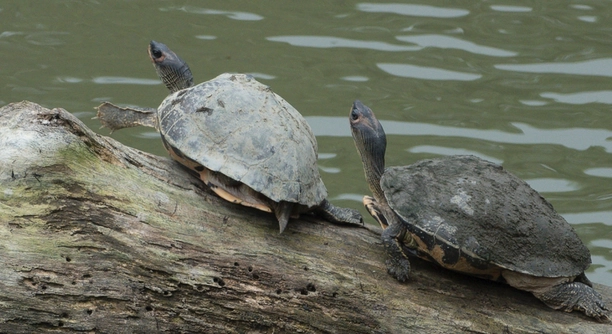
An Indian Roofed Tortoise is a unique and fascinating pet that can live for many years with proper care. Understanding the importance of exercise for your tortoise will help keep it healthy and active.
To ensure your tortoise is getting enough exercise, observe its behavior. If it appears lethargic, spends too much time resting, or avoids movement, these may be signs that it needs more physical activity and environmental enrichment.
Providing a variety of activities and spaces for exploration can promote healthy movement. This simple step can improve your tortoise’s well-being and happiness.
Signs Your Indian Roofed Tortoise Needs More Movement
If your Indian Roofed Tortoise is spending more time in its shell or simply not moving around much, it could be a sign it needs more exercise. These tortoises are naturally active creatures, and keeping them active helps them stay healthy. Without enough movement, they can become lethargic, leading to poor health over time. It’s crucial to pay attention to your tortoise’s behavior and take steps to encourage it to be more active. Make sure it has enough space to roam around, explore, and interact with its environment.
Encouraging your tortoise to move is essential for its overall well-being. Lack of movement can lead to issues like obesity, weak bones, and poor digestion. Regular exercise helps maintain its muscle tone, boosts its metabolism, and ensures it gets the proper nutrients from its diet.
Your tortoise needs regular access to a space that is large enough for it to explore freely. If it’s confined to a small area, it may not move around much. Adding different textures, such as rocks and logs, can provide interesting obstacles and encourage your tortoise to stretch its legs. A shallow water dish can also motivate your tortoise to walk more and explore different areas of its habitat. Ensure that the temperature and lighting are optimal for your tortoise’s comfort and activity levels, as this can also affect its movement.
How to Set Up a Better Exercise Space
Creating the right environment for your tortoise to exercise is vital.
The exercise space should be spacious, with different types of terrain to challenge your tortoise. A variety of elements like rocks, plants, and hiding spots will make the area more interesting and keep your tortoise moving around. The more it has to explore, the more likely it will remain active throughout the day. Make sure the space is safe, with no sharp edges or hazards that could cause injury.
How to Encourage Your Tortoise to Be Active
One of the simplest ways to encourage your tortoise to move more is by increasing the size of its enclosure. A larger space will give your tortoise more room to explore, which is key to encouraging physical activity.
Place objects like rocks, logs, and tunnels in the enclosure to create a stimulating environment. These items not only provide hiding spots but also encourage climbing and exploring. You can also rotate the objects occasionally to keep the space interesting. Adding a shallow pool of water is another way to entice your tortoise to move. It’ll enjoy walking around the edges and dipping in when it’s hot.
Feeding time can also promote activity. When offering food, spread it out over a larger area of the enclosure, encouraging your tortoise to search for its meal. This can mimic natural foraging behavior, which will get your tortoise moving. Be sure to offer a variety of foods to keep things exciting for your tortoise. Adding new elements to its daily routine will give it something to look forward to and keep it physically active.
The Importance of Proper Diet for Exercise
A balanced diet plays an important role in your tortoise’s energy levels and overall health.
Make sure you’re feeding your tortoise the right mix of vegetables, fruits, and leafy greens. A diet high in fiber and low in protein will help keep your tortoise healthy and active. Overfeeding with high-protein food can cause lethargy, while insufficient fiber can lead to digestive issues. Providing the right food also keeps your tortoise’s energy up, making it more likely to engage in physical activity. Proper nutrition supports muscle function, which is crucial for movement and coordination.
In addition to a healthy diet, offer calcium supplements to support strong bones. This is especially important if your tortoise is growing or if its diet doesn’t provide enough calcium naturally. A well-balanced diet is essential not only for keeping your tortoise’s energy high but also for its long-term health.
Common Mistakes That Limit Exercise
Many owners make the mistake of keeping their tortoise in too small of an enclosure. This restricts movement and makes it harder for your pet to stay active.
Another mistake is not offering enough variety in the habitat. Without interesting things to interact with, your tortoise will get bored and stay inactive. A lack of environmental enrichment limits the chances for exercise.
Temperature and Lighting Impact Activity Levels
Proper lighting and temperature are critical for your tortoise’s energy levels and physical activity.
If the enclosure is too cold or lacks proper UVB lighting, your tortoise may not have enough energy to move around. Tortoises rely on heat to regulate their body temperature and encourage movement. Be sure the enclosure is warm enough, with a basking spot around 90°F to 95°F. UVB lighting is necessary to help your tortoise process calcium and stay active. Without it, your pet can become sluggish and less likely to exercise. Maintaining the correct environment ensures that your tortoise stays healthy and motivated to move.
Benefits of Outdoor Time
Allowing your tortoise to roam outside can significantly improve its exercise routine.
When outside, your tortoise has access to natural sunlight and a variety of terrain, which can stimulate more physical activity. The outdoors gives your tortoise room to explore, climb, and forage, promoting natural movement patterns that are crucial for its health. Just be sure the environment is safe, without any hazards or predators. Keeping your tortoise in a secure outdoor area also provides mental stimulation and a change of scenery, which can help keep it active.
FAQ
How much exercise does an Indian Roofed Tortoise need daily?
Indian Roofed Tortoises require a moderate amount of exercise each day to stay healthy. Ideally, they should have access to a large enclosure that encourages movement, with space for exploration, climbing, and foraging. They need at least 1-2 hours of exercise each day, whether in their enclosure or outside. This will help prevent obesity and maintain their muscle tone. Regular activity also supports their digestive system, ensuring they can process food properly. However, the amount of exercise depends on the tortoise’s age, size, and overall health, so always monitor for signs of fatigue or stress.
Can I let my tortoise roam freely around my house?
Allowing your tortoise to roam freely around your house is not ideal, especially if the environment is not suitable for its needs. Tortoises are slow and may not be able to avoid potential hazards, like sharp edges or chemicals. Also, the temperature indoors might not be consistent with what they need to stay active and healthy. It’s best to create a designated, safe, and enclosed area where your tortoise can move around freely. This area should include appropriate lighting, heat, and a variety of surfaces for exploration.
What should I do if my tortoise isn’t moving much?
If your tortoise is not moving much, there could be several reasons behind it, such as improper environmental conditions, illness, or boredom. First, check the temperature and lighting in its enclosure to ensure they are optimal. A temperature range between 80°F and 90°F, with a basking spot of around 95°F, is essential. Ensure it has access to UVB lighting as well. If the environment seems fine, consider adding more enrichment to the habitat, such as rocks or logs for climbing. If inactivity persists, consult a veterinarian to rule out any health issues.
Is it okay for my tortoise to be inactive during cold weather?
It’s normal for tortoises to slow down or become less active during colder months, as they are ectothermic animals. However, they should not be completely inactive or lethargic. If your tortoise is kept indoors, make sure its enclosure stays warm enough to encourage movement. A basking spot between 90°F to 95°F should be maintained, even during colder weather. Outdoors, if temperatures drop below 50°F, it’s best to bring your tortoise indoors to prevent it from becoming too cold and inactive.
How can I tell if my tortoise is overweight?
You can tell if your tortoise is overweight by looking for certain signs. If your tortoise has a rounded or bloated belly, difficulty moving, or a lack of energy, these may indicate that it is carrying excess weight. Additionally, check its shell. If the shell appears wider than usual and the shape is distorted, it could be a sign of obesity. Ensure your tortoise is eating a balanced diet and getting enough exercise. If in doubt, a veterinarian can help assess your tortoise’s weight and overall health.
Can my tortoise get too much exercise?
While exercise is essential for your tortoise’s health, over-exercising can lead to stress or exhaustion. It’s important to give your tortoise breaks between physical activities and allow it to rest when needed. If your tortoise is showing signs of exhaustion, such as staying in its shell for long periods or moving slowly, reduce the exercise routine. It’s crucial to keep a balance, as over-exercise can also lead to injuries or unnecessary wear and tear on joints.
How often should I change my tortoise’s exercise space?
To keep your tortoise engaged, it’s a good idea to rearrange its exercise space regularly. This will prevent boredom and encourage your tortoise to explore different areas. Changing the position of rocks, logs, or other enrichment items in the enclosure every couple of weeks can help maintain your tortoise’s interest in its environment. Additionally, varying the surfaces and adding new elements like a different type of plant or a small hiding spot can help stimulate movement and physical activity.
Can my tortoise exercise in water?
While tortoises do not swim like turtles, they can exercise in shallow water. A shallow water dish that allows your tortoise to move around and climb in and out can encourage physical activity. However, always make sure the water level is low enough for your tortoise to get in and out easily, and monitor it to avoid the risk of drowning. Water can help promote movement, but it should never be the only form of exercise.
What are some signs that my tortoise is not getting enough exercise?
Signs that your tortoise may not be getting enough exercise include lethargy, weight gain, or difficulty moving. It may spend most of its time in its shell or seem uninterested in its environment. If your tortoise is not eating as much or has trouble walking, it could be due to a lack of physical activity. If you notice these signs, try increasing its exercise routine and offering more space and enrichment. If the issues continue, it might be time to consult a vet to rule out any underlying health problems.
Should I take my tortoise outside for exercise?
Taking your tortoise outside can be an excellent way to provide extra exercise. The natural environment offers a variety of surfaces and challenges that can help your tortoise move more. Make sure the outdoor area is secure and free from predators or other hazards. The natural sunlight will also provide essential UVB rays, which are necessary for healthy bones and overall activity. Be mindful of the temperature, and never leave your tortoise outside if it gets too cold or too hot. Outdoor exercise should be supervised to ensure safety.
Final Thoughts
Ensuring that your Indian Roofed Tortoise gets enough exercise is vital for its overall health and well-being. These tortoises naturally enjoy exploring their environment, and providing opportunities for physical activity helps keep them active and engaged. A lack of exercise can lead to several health issues such as obesity, weak muscles, and digestive problems. By creating a larger, enriching space for your tortoise and offering variety in its environment, you can encourage it to stay active. It’s also essential to maintain the proper temperature and lighting in its enclosure, as these factors influence your tortoise’s activity levels.
Monitoring your tortoise’s behavior is key to understanding its exercise needs. If you notice signs of inactivity or lethargy, it may be time to make some adjustments to its environment or routine. Adding elements like rocks, logs, and plants can provide new opportunities for movement. Rotating these objects regularly helps keep things interesting and encourages exploration. Outdoor time is another great way to get your tortoise moving, but it’s important to ensure the area is safe and temperature-controlled. Be mindful of your tortoise’s age, size, and health when determining the amount of exercise it needs.
Remember that every tortoise is different, and their exercise needs may vary. While some may be naturally more active, others may require more encouragement to move. Offering a balanced diet is just as important as exercise. Proper nutrition supports energy levels, bone health, and muscle strength, which in turn helps your tortoise stay active. Regular observation and a little effort in providing a stimulating environment will go a long way in keeping your Indian Roofed Tortoise healthy and happy.

Hello,
If you enjoy the content that we create, please consider saying a "Thank You!" by leaving a tip.
Every little bit helps us continue crafting quality advice that supports the health, happiness, and well-being of pets around the world, for pets of all shapes, sizes, and species.
We really appreciate the kindness and support that you show us!