
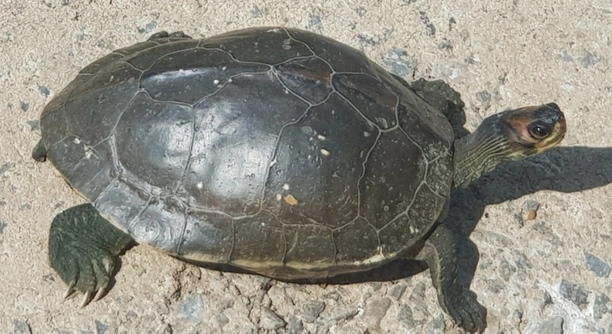
Indian Roofed Tortoises are fascinating pets, known for their calm demeanor and unique behaviors. If you own one, you might wonder which tank mates are suitable for them. Choosing compatible companions is crucial for their well-being.
Indian Roofed Tortoises can safely coexist with certain species like peaceful herbivores and slow-moving animals. However, they should be kept away from aggressive or highly active animals, which may cause stress or injury. Proper research is key.
It’s important to know which tank mates work well and which could disrupt the peace. Understanding these dynamics will help create a better environment for your tortoise.
Safe Tank Mates for Indian Roofed Tortoises
When selecting safe tank mates for Indian Roofed Tortoises, it’s best to go with animals that are calm, slow-moving, and not aggressive. Tortoises are peaceful creatures and thrive in environments where they feel safe. Many herbivores make great companions as they are generally not interested in fighting for territory. Consider species such as certain types of snails, large peaceful fish, or other slow-moving reptiles that do not compete for food. These animals will not stress out the tortoise and will allow it to go about its day without disturbance. Avoid keeping tank mates that are territorial or faster-moving, as they may cause anxiety. Proper size and temperament matter greatly to ensure a harmonious environment.
Other reptiles like box turtles or other slow-moving tortoises could share the same space. Just remember to keep an eye on their behavior to make sure they don’t start competing for territory.
It’s essential to create an environment where your tortoise can live stress-free and at ease. Researching different species before adding them to the tank will ensure that your tortoise stays healthy and happy.
Unsafe Tank Mates for Indian Roofed Tortoises
It’s equally important to avoid certain animals that could harm your tortoise. For instance, fast-moving fish and aggressive reptiles can stress out or even hurt the tortoise.
Predatory species like certain types of turtles or amphibians can pose a real threat to the tortoise, often viewing it as food. Some fish, like carnivorous types, may try to nip at the tortoise’s limbs or shell, causing injury. Even some herbivores can be too competitive when it comes to feeding time, leading to aggression. Avoiding these dangerous species is vital to ensure a peaceful living situation for your tortoise.
Incompatible tank mates can lead to more than just stress. They can cause physical injury, disrupt feeding habits, or even introduce diseases to your tortoise. Always monitor the tank’s dynamics and be prepared to make changes if necessary. Keeping the right balance of tank mates will ensure your tortoise has a healthy, safe, and calm environment to thrive in.
Tank Setup for Indian Roofed Tortoises with Other Pets
When housing multiple species, tank setup is key to maintaining a healthy environment. The tank should have enough space for each animal to have its own territory. Create separate areas for food, basking, and hiding, especially if you have species with different needs. This will prevent overcrowding and help reduce stress for all the animals.
Use tanks with clear divisions or separate zones to avoid territorial disputes. Make sure there’s enough space for the tortoise to move freely, and ensure each species has its own area for hiding and resting. It’s important to provide basking spots and enough room for each animal to establish its space. Including hiding spots will allow each pet to retreat when needed, which is essential for their comfort. Keep the tank clean and monitor temperatures to ensure it remains a healthy, safe environment for all.
Adding live plants or rocks can also help create a more natural habitat for everyone. These additions not only help with visual appeal but also provide hiding places. Just be careful not to overcrowd the space, as it can stress the animals out.
Monitoring Your Tortoise’s Health in a Shared Tank
It’s important to observe your tortoise’s health regularly, especially in a tank shared with other pets. Keep an eye out for signs of stress or injury, which could be caused by other animals in the tank.
Look for any changes in behavior, such as a lack of appetite or unusual movements. If your tortoise is being harassed or stressed by tank mates, it may hide more often, stop eating, or act more defensively. If you notice any signs of illness or injury, take immediate action and separate the animals if necessary. Regular checkups will help catch problems early.
Tortoises are slow to show signs of discomfort, so it’s crucial to keep a close watch. Make sure all tank mates are getting along and that the environment is ideal for your tortoise’s needs.
Potential Stress Factors for Indian Roofed Tortoises
Stress can come from various sources in a shared tank. Fast-moving tank mates, frequent changes in the environment, or competition for food can all cause your tortoise to feel unsettled. Signs of stress include hiding more often, reduced eating, or aggressive behaviors.
Monitor the tank carefully for any changes in behavior. If your tortoise becomes more withdrawn or starts acting differently, check for stress triggers. Sometimes, the issue might be as simple as an overcrowded tank or a more dominant pet that’s affecting the tortoise’s well-being.
Feeding Considerations for Multiple Species
When keeping different species together, feeding can be tricky. Make sure each species has access to its appropriate diet and that no one is hogging the food. Tortoises are herbivores, so it’s important that they have access to fresh vegetables and greens without competition from other animals.
You might need to feed your tortoise separately to ensure they get enough food. If you’re housing omnivores or carnivores, feed them away from the tortoise to avoid stress or food-related aggression. Pay attention to portion sizes and the animals’ eating habits to keep everyone healthy.
Handling Aggression in Shared Tanks
Aggressive behavior in a shared tank can create a lot of tension. If any of your pets are being overly territorial, it may lead to fights. Keeping tank mates with different temperaments or energy levels can help reduce conflict.
Make sure to monitor interactions carefully, especially when introducing new animals. Separate them immediately if you notice aggression. Creating a peaceful environment is important for the long-term health of your tortoise.
FAQ
What are the best tank mates for Indian Roofed Tortoises?
Some of the best tank mates for Indian Roofed Tortoises include calm, slow-moving animals like snails, peaceful herbivorous fish, and other non-aggressive reptiles, such as box turtles. These animals tend to get along well with tortoises because they don’t compete for food or space. It’s also important to ensure that all tank mates have similar environmental needs, such as temperature and humidity, to avoid stress or discomfort.
Can Indian Roofed Tortoises live with fish?
Yes, Indian Roofed Tortoises can live with fish, but it’s best to choose peaceful, non-predatory species. Avoid carnivorous fish that may nip at the tortoise’s limbs or shell. Peaceful species like goldfish or guppies tend to be fine as long as there is enough space and the fish do not compete for food with the tortoise.
Can you keep Indian Roofed Tortoises with other tortoises?
Yes, you can keep Indian Roofed Tortoises with other tortoises, but there are some important considerations. Make sure both species have similar needs in terms of temperature, humidity, and diet. It’s also important to monitor their behavior closely for signs of aggression or territorial disputes. If you notice any issues, it’s best to separate them.
Are Indian Roofed Tortoises good with small reptiles?
It depends on the species. Slow-moving, non-aggressive reptiles like certain types of lizards or slow-moving turtles can work well with Indian Roofed Tortoises. However, more active or territorial reptiles may cause stress or harm. Always monitor interactions carefully to ensure that no one is being bullied or hurt.
Can I keep Indian Roofed Tortoises with amphibians?
It’s generally not recommended to keep Indian Roofed Tortoises with amphibians like frogs or newts. Amphibians are often more sensitive to environmental changes and may not thrive in the same conditions as tortoises. Additionally, amphibians can be more vulnerable to stress and might be harmed by the tortoise’s slow movements or territorial behavior.
Should I provide hiding spots for Indian Roofed Tortoises?
Yes, providing hiding spots is very important for your tortoise’s well-being. Tortoises need places where they can retreat and feel safe, especially in a tank shared with other animals. Hideouts allow them to avoid stress and recover from any social interactions. Use rocks, plants, or commercial reptile hides to create these safe spaces.
Can I house my Indian Roofed Tortoise with my pet bird?
No, it’s not a good idea to house an Indian Roofed Tortoise with a pet bird. Birds can be quite active and may see the tortoise as a source of competition or a threat. Birds can also spread diseases to reptiles, which could lead to health issues. It’s best to keep them in separate spaces.
How do I prevent my Indian Roofed Tortoise from being stressed by tank mates?
To prevent stress, always choose compatible tank mates and provide enough space for everyone. Create separate zones for food, basking, and hiding, so each animal has its own territory. Monitor the animals closely, especially when introducing new species, to ensure they are getting along and there are no signs of bullying or aggression.
Can Indian Roofed Tortoises live with other species of turtles?
Yes, but it’s essential to choose species with similar needs. If you have other species of turtles that have similar habitat, temperature, and dietary requirements, they can potentially share the same tank. However, be cautious, as some turtle species may be more aggressive, which could stress out your tortoise.
Are there any signs I should look for to know if my Indian Roofed Tortoise is stressed by its tank mates?
Common signs of stress in tortoises include hiding more than usual, a lack of appetite, or excessive movement. If your tortoise becomes more defensive or tries to flee from tank mates, it may be a sign of stress. You might also notice changes in its overall behavior or health, such as shell damage or reduced activity levels.
What do I do if my Indian Roofed Tortoise is being bullied by its tank mates?
If your tortoise is being bullied, you should immediately separate it from the aggressive animal. You can either move the tortoise to another tank or provide barriers within the existing tank to give it space. It’s important to monitor interactions regularly and make sure all animals are comfortable in their environment.
How often should I clean the tank when keeping Indian Roofed Tortoises with other pets?
You should clean the tank regularly, at least once a week, and remove any waste or uneaten food daily. Keeping the tank clean is especially important when you have multiple pets, as waste buildup can lead to health problems for all animals. Ensure that the water is clean and that hiding spots and basking areas are regularly maintained.
Final Thoughts
Choosing the right tank mates for your Indian Roofed Tortoise is essential for its well-being. Tortoises are peaceful and slow-moving creatures, so they do best with other calm, non-aggressive animals. When considering tank mates, think about their behavior, diet, and space needs. Avoid animals that are too fast, aggressive, or territorial, as these can stress out your tortoise and even cause injury. You want to create an environment where your tortoise feels safe and comfortable, so it’s important to plan carefully before introducing any new animals.
The setup of the tank plays a large role in ensuring a peaceful cohabitation. Make sure the tank has enough space for each animal, with designated areas for food, basking, and hiding. This helps to reduce stress by giving each pet its own space. Hiding spots are especially important, as tortoises often need a place to retreat and feel secure. The tank should also be cleaned regularly to maintain a healthy environment, and the temperature and humidity should be carefully monitored to suit all inhabitants. Taking the time to create a balanced, stress-free space will help your tortoise and other pets thrive.
If you notice any signs of stress, aggression, or illness, it’s crucial to take action quickly. Regularly check on your tortoise and other pets to ensure they are healthy and getting along well. With the right environment and the right companions, your Indian Roofed Tortoise can live a long, happy, and healthy life. Proper care, attention, and understanding of each species’ needs are key to creating a peaceful and safe tank for your tortoise.

Hello,
If you enjoy the content that we create, please consider saying a "Thank You!" by leaving a tip.
Every little bit helps us continue crafting quality advice that supports the health, happiness, and well-being of pets around the world, for pets of all shapes, sizes, and species.
We really appreciate the kindness and support that you show us!