
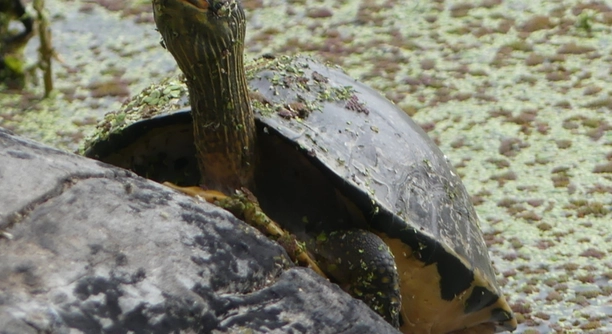
An Indian Roofed Tortoise’s shell plays a vital role in its protection and overall health. Ensuring its strength is important for its well-being. Strengthening its shell involves understanding various factors that can affect it.
The strength of an Indian Roofed Tortoise’s shell can be improved by providing a balanced diet, proper UV exposure, regular exercise, and a stress-free environment. Additionally, maintaining optimal humidity levels and preventing shell damage are crucial to shell health.
Taking the right steps can help improve your tortoise’s shell strength. Keep reading to find out how small changes can make a big difference for your pet’s health.
Balanced Diet for Strong Shells
A proper diet is essential for strengthening your Indian Roofed Tortoise’s shell. A balanced mix of leafy greens, vegetables, and high-quality pellets will provide the necessary vitamins and minerals. Foods rich in calcium, such as dandelion greens and clover, help support shell health. Avoid feeding your tortoise too much fruit, as it can lead to an imbalance in their diet. Offer a variety of vegetables like spinach, collard greens, and squash to ensure they get the necessary nutrients. Additionally, fresh water should always be available to keep your tortoise hydrated and healthy.
Feeding them correctly will give them the nutrients needed to grow a strong shell.
Without the right nutrition, your tortoise may have a weak or brittle shell. Consistency in feeding and providing the right foods ensures they are getting the essential building blocks for a strong, healthy shell. The key is balance and variety.
Proper UV Exposure
Tortoises need access to UVB light to properly process calcium, which is critical for shell health. Without adequate UVB exposure, they may develop shell deformities or suffer from metabolic bone disease. A good way to ensure proper exposure is to use a high-quality UVB bulb in their enclosure. Ensure the bulb is placed at the correct distance and changed regularly to provide consistent light. You can also allow your tortoise outdoor time, but be mindful of the temperature and other weather conditions. Natural sunlight is an excellent source of UVB.
Providing UVB light helps your tortoise metabolize calcium and strengthens its shell.
For a healthy shell, ensure your tortoise receives daily UV exposure for several hours. Without it, their ability to absorb calcium and other essential minerals will be impaired, leading to weakened shells over time. A consistent light cycle mimics natural conditions, helping to maintain their overall health.
Regular Exercise
Exercise is crucial for the health and strength of your Indian Roofed Tortoise’s shell. Letting your tortoise roam and explore helps keep its muscles strong, contributing to overall shell strength. A spacious and safe enclosure with varied terrain is ideal for encouraging movement.
Exercise is also important to prevent obesity, which can strain your tortoise’s bones and shell. Regular movement helps them stay active, ensuring their shells are supported and resilient. Even short daily walks or time in an outdoor area can make a noticeable difference in your tortoise’s health. Keep their environment stimulating with rocks, logs, and gentle obstacles to encourage physical activity.
Allowing your tortoise to explore in safe, secure spaces encourages natural behaviors that support shell strength. Over time, the combination of exercise and environmental stimulation contributes to a well-developed, healthy shell. The more active your tortoise is, the stronger its shell will be, so make exercise a regular part of their routine.
Stress-Free Environment
Stress can negatively affect your tortoise’s health, including the condition of its shell. Providing a calm and stable environment is essential for shell strength. Too much disturbance or a constantly changing environment can lead to stress and weaken the shell.
To reduce stress, ensure your tortoise’s habitat is quiet and free from sudden loud noises or frequent handling. Ensure they have a consistent routine, including feeding and lighting schedules. Provide hiding spots to give them a sense of security, which can help them feel more comfortable and reduce stress. Avoid overcrowding in their enclosure, as this can lead to competition and anxiety.
A stress-free environment allows your tortoise to thrive. A calm habitat will contribute to a healthier tortoise overall, promoting proper growth and a stronger, more resilient shell. By paying attention to their emotional needs, you’ll ensure your tortoise stays happy and healthy.
Optimal Humidity Levels
Maintaining the right humidity level in your tortoise’s environment is crucial for shell health. Too low or too high humidity can cause skin shedding issues and negatively affect their shell. Aim for a humidity range of 60-80%.
You can regulate humidity with a simple hygrometer. Keep the habitat moist but not soggy, ensuring proper ventilation. Misting the enclosure or providing a shallow water dish will help maintain the ideal levels. Regular monitoring will prevent dehydration, which can lead to shell problems.
The right humidity ensures proper hydration and skin health. It also supports a strong, flexible shell that is less prone to cracks or damage.
Shell Protection
Preventing damage to your tortoise’s shell is as important as strengthening it. Avoid placing sharp objects or rough surfaces in their enclosure that could cause scratches or cracks. If they’re outside, always supervise them to prevent falls or injury.
Even a small crack in the shell can lead to infections, so protecting it from harm is key to its health. Ensuring that they have a smooth, safe environment will also help keep them active and comfortable. A well-maintained shell is less likely to suffer from trauma, ensuring it stays strong.
Routine Check-Ups
Regular check-ups with a reptile vet are essential for monitoring your tortoise’s health. A vet can detect early signs of shell problems and offer advice on diet, UVB exposure, and overall care. Regular checks will also help identify any signs of infection or illness.
FAQ
How can I tell if my Indian Roofed Tortoise’s shell is weak?
A weak shell can manifest in a few different ways. If your tortoise’s shell appears soft, cracked, or has indentations, it may be an indication of weakness. The shell should be hard and smooth, without any visible deformities. If you notice unusual softness, it could be a sign of calcium deficiency or improper UVB exposure. Another sign is if the tortoise is lethargic or shows a lack of appetite, as this can sometimes point to underlying health issues affecting the shell.
Can my tortoise’s shell get damaged easily?
Yes, the shell can be damaged, though it is quite sturdy. It is important to avoid any impact that might cause cracks or breaks. For example, if the tortoise falls from a height or is exposed to sharp objects, the shell could suffer. Injuries to the shell can lead to infections and other serious health issues. Keeping the tortoise in a safe, controlled environment helps prevent such risks. Avoiding rough handling and providing a safe space to roam is also key.
What foods should I feed my tortoise to strengthen its shell?
A diet rich in calcium and other essential nutrients is vital for shell strength. Offer foods such as dark leafy greens (like kale, dandelion greens, and collard greens) and calcium-rich vegetables (such as broccoli). Certain herbs like clover and basil also help. Avoid feeding too much fruit, as it can cause imbalances in their nutrition. You can also supplement their diet with a high-quality calcium powder, which can be sprinkled on their food a couple of times a week.
How often should I provide UVB light to my tortoise?
Your tortoise should receive UVB exposure for about 10-12 hours a day. This is necessary for the proper absorption of calcium and helps prevent metabolic bone disease. If your tortoise is housed indoors, use a UVB bulb that covers the entire basking area. Remember to replace UVB bulbs every 6-12 months, as they lose effectiveness over time. If possible, provide your tortoise with natural sunlight exposure for several hours a week, as this is an excellent source of UVB.
What happens if my tortoise doesn’t get enough calcium?
A lack of calcium can lead to soft, weak, or deformed shells. Over time, it can cause serious health problems, such as metabolic bone disease, which can cause pain and difficulty moving. To avoid calcium deficiency, provide a diet rich in calcium, and ensure your tortoise gets plenty of UVB light to process the calcium effectively. If you suspect a deficiency, consult a vet for advice on supplementation.
Can my tortoise’s shell heal if it gets damaged?
Minor damage, like small scratches, can heal over time, as long as it doesn’t lead to infection. However, if the shell is severely cracked or broken, it may need veterinary care. A vet can treat the injury and may recommend a special shell repair procedure. Always keep an eye on damaged areas for signs of infection, such as swelling, discharge, or a change in color. Prompt care is essential to ensure that healing occurs properly.
How can I improve the humidity in my tortoise’s habitat?
Humidity plays an important role in your tortoise’s shell health. To increase humidity, you can mist the enclosure regularly, use a humidity box, or place a shallow water dish in the habitat. Adding moss or damp substrate also helps keep the humidity levels up. A hygrometer is essential to monitor humidity accurately. Be careful not to make the enclosure too wet, as excessive moisture can cause mold growth or respiratory issues. The goal is to maintain a consistent level of humidity, around 60-80%.
Why is my tortoise not eating?
If your tortoise is refusing food, it could be due to several factors. Stress, illness, or improper temperature and lighting conditions can lead to a loss of appetite. Check to make sure the enclosure is set up properly, with the right temperature and UVB light. Make sure the diet is varied and includes fresh, nutritious foods. If the problem persists, it may be time to visit the vet to rule out any underlying health issues.
Should I take my tortoise outside?
Taking your tortoise outside can be beneficial, as long as the conditions are right. Natural sunlight provides excellent UVB exposure, which is essential for your tortoise’s health. However, be cautious about the temperature and weather conditions. Never expose your tortoise to extreme heat or cold, and always supervise outdoor time to prevent injury. Make sure the area is secure and free of predators. If the weather isn’t suitable, outdoor time should be limited to short, supervised sessions.
How often should I clean my tortoise’s shell?
Cleaning your tortoise’s shell should be done regularly to prevent buildup of dirt, algae, and bacteria. Gently wipe the shell with a damp cloth every few weeks to keep it clean. Avoid scrubbing too hard, as this could cause damage. It’s also important to clean their enclosure regularly to maintain a hygienic environment. If you notice any cracks, sores, or discoloration on the shell, consult a vet for further examination.
Can I use supplements for my tortoise’s shell health?
Yes, calcium and vitamin D3 supplements can help support your tortoise’s shell health. These supplements ensure your tortoise is getting the nutrients it needs to maintain a strong shell. However, it’s important not to over-supplement, as this can lead to toxicity. Always follow your vet’s recommendations on supplementation. Alongside proper diet and UVB exposure, supplements should be used to fill any gaps in nutrition.
Final Thoughts
Taking care of an Indian Roofed Tortoise’s shell strength requires attention to several factors, including diet, exercise, and proper care. By providing a balanced diet with plenty of calcium-rich foods, you ensure your tortoise has the nutrients it needs to grow and maintain a strong shell. Avoid overfeeding fruits, and focus on leafy greens, vegetables, and other healthy options. When combined with appropriate calcium supplements, this diet can prevent common shell issues and help your tortoise stay healthy.
Another important factor is UVB light. Tortoises need UVB exposure to properly process calcium and keep their shells strong. Ensure your tortoise gets enough natural sunlight or use a high-quality UVB bulb if kept indoors. Without sufficient UVB light, your tortoise could develop metabolic bone disease, leading to weak and malformed shells. Regular, consistent light is essential to maintain their health, and spending time outdoors in good weather can further improve their overall well-being.
Finally, maintaining a stress-free environment is essential for your tortoise’s health. A safe, clean space, with regular access to exercise and plenty of room to explore, helps keep your tortoise active and happy. Stress can affect not only their emotional well-being but also the strength of their shell. Be mindful of any signs of illness or injury and take your tortoise to a vet if necessary. Keeping their habitat safe, clean, and stable will support a long, healthy life and a strong, protective shell.

Hello,
If you enjoy the content that we create, please consider saying a "Thank You!" by leaving a tip.
Every little bit helps us continue crafting quality advice that supports the health, happiness, and well-being of pets around the world, for pets of all shapes, sizes, and species.
We really appreciate the kindness and support that you show us!