
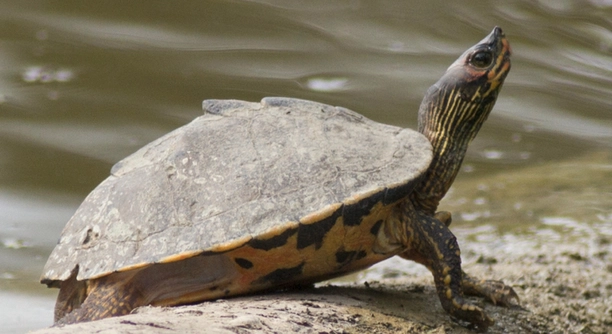
Indian Roofed Tortoises are fascinating creatures with unique behaviors, but sometimes, they may exhibit unusual actions, such as biting their own shells. Understanding why they do this is essential for ensuring their well-being and health.
The most common reason for this behavior is stress, boredom, or an underlying medical issue. If your tortoise is not properly stimulated or is in an uncomfortable environment, it may engage in this repetitive action.
Identifying the root cause of your tortoise’s behavior is important. Proper care and attention can help prevent further issues and improve your pet’s quality of life.
Stress or Anxiety in Indian Roofed Tortoises
Stress is a leading cause of unusual behavior in tortoises, including biting their own shells. These reptiles are sensitive to changes in their environment, such as temperature fluctuations, excessive noise, or the presence of other animals. If their habitat feels unsafe or unpredictable, they may exhibit behaviors like shell-biting as a way to cope. It’s essential to maintain a stable environment for your tortoise, providing them with a consistent temperature, quiet surroundings, and minimal disturbances. Tortoises are creatures of habit, and when their routines are disrupted, they may act out in strange ways.
If your tortoise’s habitat has recently been altered or they’ve experienced a stressful situation, this could explain their odd behavior. Ensuring their environment is calm and secure can help them feel safe and reduce stress.
Creating a peaceful and stable space is key to reducing stress-related behaviors. Additionally, providing hiding spots and ways to burrow or climb can help them feel more secure, allowing them to relax. Consistent routines and predictable interactions can also make a significant difference in calming your pet.
Boredom and Lack of Stimulation
Lack of stimulation is another common reason for tortoises to engage in shell-biting. These reptiles need mental and physical enrichment to stay healthy.
Tortoises are naturally curious and require both physical and mental stimulation to keep them engaged. Without sufficient activity, they may begin biting their shells as a form of self-entertainment or frustration. A lack of exercise can also lead to unhealthy weight gain and overall health decline.
To prevent boredom, consider providing your tortoise with varied enrichment options, such as obstacles to climb, places to hide, or safe items to interact with. You can rotate toys, such as different textured surfaces or tunnels, to encourage exploration. Engaging with your tortoise daily can also improve their mental health and prevent destructive behaviors like shell-biting. Keep their environment interesting and active to help them thrive and remain content.
Medical Issues and Health Concerns
Shell-biting may be a sign of underlying health problems. If your tortoise is in pain or discomfort, it might try to relieve it by biting its own shell.
One common health issue is fungal or bacterial infections on the shell. These can cause irritation, leading to scratching or biting. In some cases, your tortoise may also have a parasite infestation, which can cause stress and result in abnormal behavior. If you notice any signs of swelling, discoloration, or abnormal growth on the shell, it’s important to get your tortoise checked by a vet.
Another potential health concern is metabolic bone disease (MBD). MBD can cause discomfort and weakness, prompting your tortoise to exhibit odd behaviors like biting its shell. A lack of calcium or UVB exposure can lead to this condition, making it important to provide proper lighting and a calcium-rich diet. Regular vet check-ups can help prevent or address these medical issues.
Lack of Proper Diet
A poor diet can lead to behavioral issues in tortoises, including shell-biting. Tortoises require a balanced diet to stay healthy, and inadequate nutrition can cause stress.
A common cause of improper diet is insufficient calcium intake. Without enough calcium, tortoises may experience bone weakness, which can cause discomfort. This discomfort might result in biting the shell. Additionally, a diet lacking variety can make tortoises bored or malnourished, leading them to engage in behaviors like shell-biting.
Ensure that your tortoise has access to a varied diet, including leafy greens, high-fiber vegetables, and calcium-rich foods such as cuttlebone or calcium powder. Offering a balanced diet will not only improve your tortoise’s overall health but may also help resolve the shell-biting behavior. Proper hydration and access to fresh water are also essential to your tortoise’s well-being.
Poor Shell Health
Your tortoise may bite its shell if it’s suffering from shell damage or injury. A cracked or damaged shell can cause discomfort, leading the tortoise to try to fix it.
Infections, poor shell care, or accidents can lead to shell damage. Biting could be an attempt to alleviate irritation or discomfort caused by these issues. Regularly inspect your tortoise’s shell for cracks, chips, or signs of infection. Keeping the shell clean and properly maintained can help prevent this behavior.
Improper Temperature or Humidity
If the temperature or humidity levels in the enclosure are not right, it can cause stress and lead to shell-biting.
Tortoises need a consistent, warm environment to thrive. If the temperature is too low or the humidity is off, your tortoise may become stressed or uncomfortable. This discomfort can lead to abnormal behaviors such as biting their own shell. Make sure to monitor and adjust the habitat accordingly.
FAQ
Why is my tortoise biting its shell?
Biting its shell could be a sign of stress, boredom, or an underlying health issue. Tortoises may bite their shells when they feel uncomfortable or anxious, or if their habitat isn’t suitable. Medical problems, like fungal or bacterial infections, can also cause this behavior. Ensure your tortoise’s environment is stable, clean, and comfortable, and keep an eye out for any signs of illness.
How can I stop my tortoise from biting its shell?
To stop this behavior, start by addressing the cause. Ensure your tortoise has a proper diet with adequate calcium, enough UVB light, and a stress-free environment. Add enrichment items, like hiding spots or climbing structures, to reduce boredom. If the behavior persists, a vet visit is recommended.
Can shell-biting cause harm to my tortoise?
Yes, excessive biting can cause damage to the shell, leading to cracks or infections. Shell injuries can also cause pain, which may lead to more biting. If the biting is frequent or intense, it’s essential to investigate the cause and address it immediately.
What should I do if I notice shell damage or cracks?
If you spot cracks or damage on your tortoise’s shell, it’s important to consult a vet as soon as possible. Infections from shell injuries can worsen if left untreated. The vet may treat the injury and advise on ways to prevent further damage.
How do I know if my tortoise is stressed?
Signs of stress in tortoises can include excessive shell-biting, hiding, loss of appetite, or lethargy. If your tortoise seems more withdrawn than usual or is showing other unusual behaviors, stress could be the cause. Try adjusting the environment to make it more comfortable.
What are common causes of stress for tortoises?
Tortoises can get stressed from changes in their habitat, improper temperatures, poor diet, overcrowding, or too much handling. They also need enough space to move and explore. Minimizing these stressors will help your tortoise feel more secure and comfortable.
How can I make my tortoise feel more comfortable?
Ensure your tortoise’s enclosure is large enough for them to roam. Maintain a consistent temperature and humidity level. Offer a balanced diet with adequate calcium, and provide enrichment activities like hiding spots or climbing structures. Reducing handling can also help alleviate stress.
Could my tortoise be bored?
Yes, boredom can lead to unusual behaviors like shell-biting. Tortoises are naturally curious and need mental stimulation. If their environment is too predictable or lacks variety, they might resort to biting their shells as a form of entertainment. Providing enrichment activities can help.
What can I do to entertain my tortoise?
You can add climbing structures, tunnels, or safe items for your tortoise to explore. Changing the layout of their enclosure and rotating toys will keep them engaged. Offering fresh foods in different ways, like scattering them around the enclosure, can also keep their minds active.
Is it important to provide UVB light for my tortoise?
Yes, UVB light is crucial for a tortoise’s health. It helps them produce vitamin D3, which is necessary for calcium absorption and preventing metabolic bone disease. Ensure your tortoise has access to proper UVB lighting for about 10-12 hours daily.
How do I know if my tortoise has a medical issue?
If your tortoise is showing signs like swollen limbs, discoloration on the shell, abnormal growth, or changes in behavior, they may have a medical issue. Loss of appetite or difficulty moving can also indicate a health problem. A vet visit is necessary for a proper diagnosis.
Can shell-biting be a sign of poor diet?
Yes, a poor diet can lead to shell-biting. Tortoises require a balanced diet, including leafy greens, vegetables, and a calcium source. Lack of calcium, in particular, can cause discomfort and lead to unhealthy behavior, including biting their own shell.
What should I feed my tortoise to prevent shell-biting?
Provide a variety of leafy greens, like dandelion, collard greens, and mustard greens. You can also give your tortoise safe vegetables and some fruits occasionally. Supplement with calcium and ensure they have access to clean water. A balanced diet will keep them healthy and reduce stress.
Is there any way to fix shell damage at home?
For minor cracks or damage, you can clean the area gently with a soft brush and warm water, but it’s best to take your tortoise to a vet for proper care. Shell injuries often require professional treatment to avoid infections and further complications.
Should I be concerned if my tortoise is acting lethargic?
Lethargy could be a sign of stress, poor health, or an improper environment. If your tortoise isn’t moving around much, it may be due to a temperature issue, lack of UVB light, or illness. Check their habitat and consult a vet if necessary.
How can I prevent shell-biting from happening again?
After addressing the cause of shell-biting, make sure to maintain a consistent, enriching environment for your tortoise. Regular vet check-ups, a balanced diet, and a comfortable enclosure can go a long way in preventing future issues.
Final Thoughts
Understanding why your Indian Roofed Tortoise may be biting its own shell is important for addressing the behavior and ensuring your pet’s well-being. There are several factors that can contribute to this action, including stress, boredom, health issues, or environmental factors. By carefully observing your tortoise and identifying potential triggers, you can take steps to correct the behavior. Whether it’s providing a more stable environment, improving its diet, or seeking veterinary care, addressing the root cause will help your tortoise feel more comfortable and reduce the likelihood of shell-biting.
Creating the right environment for your tortoise is key. Tortoises need a stable temperature, humidity, and plenty of space to move around. They also need access to a proper diet that includes calcium, UVB light, and a variety of fresh foods. If any of these factors are off, it can cause stress or discomfort, which might lead to unusual behaviors like shell-biting. Ensuring that their enclosure is calm and consistent will make a big difference in their happiness and health.
Lastly, regular check-ups with a vet are important for addressing any underlying health problems that may be causing the shell-biting. Whether it’s an infection, a fungal issue, or a calcium deficiency, early detection and treatment can prevent the behavior from becoming a serious problem. By maintaining a balanced diet, providing enrichment, and monitoring your tortoise’s health closely, you can help keep your pet happy and healthy in the long term. Taking care of these needs not only prevents shell-biting but also ensures your tortoise enjoys a healthy, active life.

Hello,
If you enjoy the content that we create, please consider saying a "Thank You!" by leaving a tip.
Every little bit helps us continue crafting quality advice that supports the health, happiness, and well-being of pets around the world, for pets of all shapes, sizes, and species.
We really appreciate the kindness and support that you show us!