
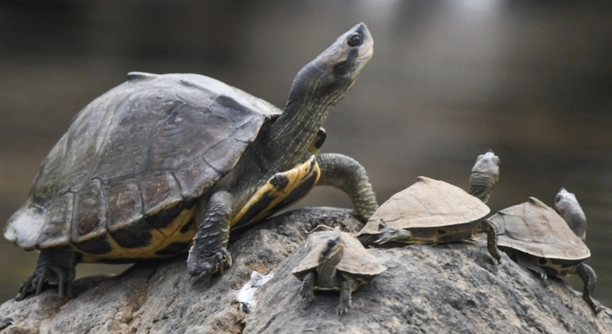
If you own an Indian Roofed Tortoise, you may notice some changes in its shell from time to time. This article will help you identify and understand whether your tortoise is experiencing Soft Shell Syndrome, a common condition that affects many reptiles.
Soft Shell Syndrome occurs when the tortoise’s shell becomes softer than usual due to poor diet, lack of UVB light, or insufficient calcium. This condition can lead to deformities and other health complications if not addressed quickly.
Understanding how to spot the signs early will ensure your tortoise receives the proper care. Keeping an eye on their health can help prevent further issues and improve their quality of life.
What Causes Soft Shell Syndrome in Indian Roofed Tortoises?
Soft Shell Syndrome in Indian Roofed Tortoises is primarily caused by nutritional imbalances, lack of proper UVB light, and insufficient calcium intake. These factors weaken the tortoise’s shell, causing it to lose its natural firmness. A poor diet, particularly one lacking in essential vitamins and minerals, can prevent proper shell development. Tortoises need a balanced mix of calcium, vitamin D3, and UVB exposure to keep their shells strong and healthy. Without these, their shells may become soft, making them more prone to injury and infection. The shell acts as the tortoise’s defense mechanism, so any weakness leaves it vulnerable. Over time, the condition can get worse if not corrected.
Low-quality pellets, improper calcium supplementation, and lack of exposure to sunlight or UVB light sources are the main causes of Soft Shell Syndrome. Without enough UVB light, the tortoise’s body can’t process calcium effectively, leading to softening of the shell.
To prevent this, providing a diet rich in leafy greens and a UVB light source is essential. Regular vet checkups also ensure early detection and treatment.
How to Spot Soft Shell Syndrome in Your Tortoise
A key sign of Soft Shell Syndrome is the shell becoming noticeably soft, squishy, or deformed. If you press gently on the shell, it may not feel as firm as usual. The shape of the shell may also appear uneven or more flexible than before.
You may also notice that your tortoise becomes lethargic or shows signs of weakness. It could move slower than normal, and its appetite might decrease. In severe cases, the shell can become misshapen, leading to noticeable deformities that affect the overall structure of the tortoise. Soft Shell Syndrome doesn’t only impact the shell; it affects the tortoise’s overall health and mobility.
A tortoise with Soft Shell Syndrome may also have trouble walking or moving due to the weakened shell. You may see them struggle to climb or explore their enclosure like they used to. In extreme cases, the soft shell can become vulnerable to cracks and infections, making it crucial to act quickly.
Preventing Soft Shell Syndrome in Your Tortoise
The best way to prevent Soft Shell Syndrome is by providing a proper diet. Make sure to include plenty of leafy greens, such as dandelion leaves and kale, which are rich in calcium. You can also supplement with calcium powders or foods specifically designed for reptiles.
It’s important to set up a proper environment for your tortoise to thrive. Ensure they have access to UVB light daily, as this helps with calcium absorption and overall shell health. Without UVB light, your tortoise won’t be able to synthesize vitamin D3, which is essential for strong bones and shell. Be mindful of the light’s distance and ensure it is placed correctly to provide the right amount of exposure.
How to Treat Soft Shell Syndrome
To treat Soft Shell Syndrome, start by correcting your tortoise’s diet. Provide calcium supplements and make sure they are getting enough vitamin D3. UVB lighting is essential for absorption, so ensure it’s set up correctly in their habitat. You might also want to consult a vet for further guidance.
If your tortoise is severely affected, the vet may recommend injectable calcium or other treatments to speed up recovery. Keep in mind that treatment may take time, and gradual improvements will help restore the tortoise’s shell strength. Don’t expect an overnight change, but with consistent care, recovery is possible.
Importance of Proper Habitat Setup
A proper habitat setup is key to preventing Soft Shell Syndrome. Ensure your tortoise’s enclosure has a consistent temperature, proper humidity, and access to a basking area. Providing areas for hiding and climbing can also promote natural behavior, which is important for overall health.
The right environment allows your tortoise to feel comfortable and secure, reducing stress and promoting its well-being. Proper lighting, along with good diet management, ensures your tortoise stays healthy and its shell stays strong. A balanced habitat can make a significant difference in preventing this condition.
FAQ
What should I feed my Indian Roofed Tortoise to prevent Soft Shell Syndrome?
To prevent Soft Shell Syndrome, a diet rich in calcium is essential. Provide your tortoise with leafy greens like dandelion greens, kale, and collard greens. You can also offer calcium-rich vegetables like turnip greens and squash. Some fruits, such as strawberries and papaya, can be given occasionally. Avoid feeding them high-oxalate foods, like spinach, that can prevent calcium absorption. Additionally, using a calcium supplement, especially one with vitamin D3, is crucial. Make sure to sprinkle it on the greens at least two to three times a week. Proper diet and supplementation will go a long way in preventing this condition.
How much UVB light does my tortoise need?
Your tortoise should get around 10-12 hours of UVB light per day. It’s important to use a proper UVB light designed for reptiles, placed within the correct distance from the tortoise (typically 10-12 inches). UVB light helps the tortoise absorb calcium, which is vital for shell health. Without UVB light, the tortoise cannot produce vitamin D3, which leads to calcium deficiencies and softening of the shell. The light should be on for a consistent cycle each day, with no more than 12 hours of darkness. Be sure to replace the UVB bulb every six months to ensure proper effectiveness.
Can Soft Shell Syndrome be reversed?
Yes, Soft Shell Syndrome can be reversed with the right care, though recovery takes time. The most important step is correcting your tortoise’s diet and UVB exposure. Providing calcium supplements, especially if recommended by a vet, can help restore shell strength. In severe cases, a veterinarian may administer injectable calcium. It’s also vital to ensure your tortoise has the correct living environment, including temperature control, humidity, and proper lighting. Although the shell may not return to its original firmness right away, with consistent care, your tortoise’s shell can regain its strength over time.
How do I know if my tortoise’s shell is soft?
Gently press on the shell to see if it feels soft or squishy. Healthy tortoise shells should be hard and firm to the touch. If you notice any areas that feel unusually soft, this could indicate Soft Shell Syndrome. Also, look for any visible deformities or changes in the shape of the shell. A soft shell can bend or feel flexible, which is not typical. It’s important to monitor your tortoise regularly to catch early signs of the condition. If you’re unsure, a trip to the vet for an examination is recommended to ensure proper diagnosis.
What other health issues can result from Soft Shell Syndrome?
Soft Shell Syndrome can lead to several health complications, such as fractures or infections. A soft shell makes the tortoise more vulnerable to injury, and cracks or punctures can easily occur. Additionally, the weakness of the shell can lead to poor mobility, affecting your tortoise’s ability to move around or even walk. The condition can also result in metabolic bone disease (MBD), where the bones become weak and brittle. If not addressed promptly, these issues can worsen and cause permanent damage to the tortoise’s overall health.
How long does it take for a tortoise to recover from Soft Shell Syndrome?
Recovery time varies depending on the severity of the condition and how quickly the appropriate treatment is started. If the condition is caught early and the tortoise receives a proper diet, UVB light, and calcium supplements, you may start seeing improvements in a few weeks to a couple of months. For more severe cases, it may take several months or even up to a year for the shell to fully regain strength. Be patient and consistent with the care, and don’t expect quick results. Regular vet checkups are important during recovery to monitor progress.
Can Soft Shell Syndrome affect other types of tortoises?
Yes, Soft Shell Syndrome can affect various species of tortoises, not just Indian Roofed Tortoises. Any tortoise that does not receive proper nutrition, calcium, and UVB exposure is at risk of developing the condition. While the causes and symptoms may be similar across species, each type of tortoise may have slightly different needs in terms of diet and habitat. It’s important to research the specific requirements for your tortoise species to prevent Soft Shell Syndrome and other related health issues.
Is it necessary to take my tortoise to the vet for Soft Shell Syndrome?
It’s always a good idea to take your tortoise to the vet if you suspect Soft Shell Syndrome. A veterinarian can confirm the diagnosis and guide you on the best treatment plan. They may recommend specific calcium supplements or injectable treatments to speed up recovery. If the condition is severe, they can monitor the tortoise’s progress and ensure no further complications arise. Early intervention is key to preventing long-term damage to your tortoise’s shell and overall health.
What temperature should I keep my tortoise’s habitat at?
The temperature in your tortoise’s habitat should be around 80-85°F (27-29°C) during the day. It’s also important to provide a basking spot with a temperature of about 90-95°F (32-35°C) so the tortoise can regulate its body heat. At night, the temperature can drop slightly to around 70°F (21°C). Temperature control is crucial for digestion and overall health. If your tortoise is kept in temperatures that are too low, its metabolism can slow down, making it harder to absorb nutrients and calcium. Make sure the habitat is equipped with a reliable thermometer to keep track of these temperatures.
Can I use a regular light bulb for UVB lighting?
No, a regular light bulb will not provide UVB lighting for your tortoise. You need a specialized UVB light that is designed for reptiles. Regular light bulbs only provide visible light, not the UVB rays needed for your tortoise to produce vitamin D3. UVB lights are available in both fluorescent and mercury vapor bulb options. Be sure to choose one that is appropriate for the size of your tortoise’s enclosure. Regular replacement of the UVB light is essential to maintain effectiveness, as the UVB rays degrade over time, even if the bulb still emits visible light.
Final Thoughts
Soft Shell Syndrome is a serious condition that can affect your Indian Roofed Tortoise if not properly managed. It’s caused by a lack of calcium, insufficient UVB light, or poor nutrition. If not addressed quickly, it can lead to lasting damage to your tortoise’s shell, bones, and overall health. The most important thing is to act early by providing a balanced diet rich in calcium and vitamin D3, and ensuring proper UVB exposure. With the right care, your tortoise can recover, but it requires patience and consistency.
If you notice any signs of Soft Shell Syndrome, such as a soft or deformed shell, it’s crucial to seek help from a veterinarian. They can guide you in choosing the best treatment and help you understand the specific needs of your tortoise. Along with diet and proper lighting, your tortoise’s habitat needs to be well-maintained, with the right temperature, humidity, and plenty of space for movement. Creating an environment where your tortoise feels comfortable will promote their overall health and help prevent future issues.
The road to recovery from Soft Shell Syndrome may take time, but with proper care, your tortoise can regain strength and health. Regularly check their shell, behavior, and diet to ensure they are thriving. By staying proactive and monitoring their condition, you can give your Indian Roofed Tortoise the best chance for a healthy and happy life.

Hello,
If you enjoy the content that we create, please consider saying a "Thank You!" by leaving a tip.
Every little bit helps us continue crafting quality advice that supports the health, happiness, and well-being of pets around the world, for pets of all shapes, sizes, and species.
We really appreciate the kindness and support that you show us!