
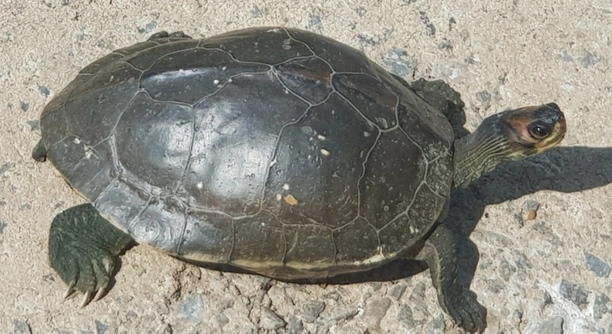
Indian roofed tortoises are unique and fascinating pets that require specific care and attention. One of the most important aspects of their care is providing them with healthy and safe treats. Understanding their dietary needs can make a big difference in their overall well-being.
There are several safe and healthy treat options for Indian roofed tortoises that offer essential nutrients. These treats should be natural and free from harmful additives to support their growth and energy levels. Providing the right treats ensures a happy and healthy tortoise.
Choosing the right treat can be overwhelming, but we will explore the best options available. These treats not only boost their health but also keep them engaged. Keep reading to discover which treats are most beneficial for your pet’s diet.
1. Nutrient-Rich Vegetables: A Must-Have in Your Tortoise’s Diet
Vegetables are essential for your Indian roofed tortoise’s diet. They provide vital nutrients like vitamins, fiber, and minerals that support their immune system, digestion, and overall health. Leafy greens such as dandelion greens, collard greens, and kale are excellent choices. They offer a range of important nutrients that your tortoise will enjoy and benefit from.
For a balanced diet, mix vegetables to avoid monotony and ensure that your tortoise gets a variety of nutrients. Make sure to wash all vegetables thoroughly before feeding them. Organic options are always a good choice to avoid chemicals or pesticides. Offering vegetables daily is essential for maintaining a healthy tortoise.
Providing vegetables that are rich in fiber helps with digestion and prevents constipation. These vegetables also keep your tortoise hydrated, especially if they tend to drink less water. Offering a colorful variety of vegetables like bell peppers and squash not only boosts the nutritional value but also keeps things interesting for your pet.
2. Fruits: Natural Sweet Treats for Your Tortoise
Fruits can be a delightful addition to your tortoise’s diet. However, they should only be offered occasionally. High in sugar, fruits should be given in moderation to avoid digestive problems or obesity. Safe fruit options include strawberries, apples, and melons.
When feeding fruit, always ensure it is fresh and free from pesticides. Cut the fruits into manageable pieces to make it easier for your tortoise to consume. Overfeeding fruits can lead to an imbalance in their diet, so keep portions small.
Offering a variety of fruits like papaya or banana provides a sweet treat that also contains beneficial nutrients like antioxidants and vitamin C. These nutrients support the tortoise’s immune system and promote healthy skin and shell growth. Keep in mind that fruits should only make up a small portion of their diet, as they are not meant to be the primary food source.
3. Commercial Tortoise Treats: Convenience with Caution
Commercial tortoise treats are readily available and can be convenient. However, it’s essential to check the ingredients before feeding them to your tortoise. Look for natural, preservative-free options that contain minimal sugar and artificial additives. Always read labels carefully to avoid harmful ingredients.
Some commercial treats are fortified with vitamins and minerals, making them a good addition to your tortoise’s diet. Be cautious, though, as these treats should not replace fresh vegetables or fruits. Too many processed treats can lead to weight gain or nutrient imbalances. Use them sparingly and as a supplement rather than a regular part of their meals.
It’s important to consider the size and shape of commercial treats as well. Ensure they’re appropriately sized for your tortoise to avoid choking hazards. Offering these treats in moderation will help maintain a balanced diet and ensure that your pet stays healthy and active. Stick to well-known brands to ensure you’re providing safe options.
4. Edible Flowers: An Extra Boost of Nutrition
Edible flowers are a unique and safe treat option for Indian roofed tortoises. Flowers like hibiscus, dandelions, and pansies can be offered in small quantities, adding variety to your tortoise’s diet. They are rich in antioxidants and provide hydration. Make sure to avoid flowers treated with pesticides.
Many tortoises love the bright colors and fresh textures of edible flowers. They not only add nutritional value but also stimulate your tortoise’s senses. Flowers are a great way to enrich their diet without overloading them on sugars or fats. Always pick flowers from pesticide-free areas to ensure their safety.
Introduce flowers to your tortoise’s meals gradually. Some tortoises may not take to flowers right away, but others may find them irresistible. Mixing flowers with their regular leafy greens can make mealtime more exciting. Just be cautious about offering flowers in excess, as they should remain a supplementary treat rather than the main dish.
5. Leafy Greens: The Foundation of a Healthy Diet
Leafy greens are the cornerstone of any tortoise’s diet. They provide essential vitamins, minerals, and fiber. Some favorites for Indian roofed tortoises include collard greens, mustard greens, and turnip greens. These greens are nutrient-dense and easy to digest, making them perfect for regular meals.
Offer a variety of leafy greens to keep things interesting and to ensure your tortoise gets a broad range of nutrients. Some greens, like kale, should be offered in moderation due to their high calcium content. Overfeeding can lead to kidney problems, so balance is key.
6. Herbs: Adding Flavor and Nutrients
Herbs are a great addition to your tortoise’s diet, offering both flavor and nutritional benefits. Safe herbs like basil, parsley, and cilantro provide vitamins and minerals while giving your tortoise variety. Offering these herbs in small amounts can also encourage foraging behavior, which is important for mental stimulation.
Herbs can be introduced alongside vegetables or fruits to add a new layer of flavor. Your tortoise may enjoy chewing on fresh herbs, which also helps keep their beak healthy and trim. However, avoid herbs like oregano, thyme, and rosemary in large quantities, as they can be too strong for their system.
7. Safe Insects: A Natural Protein Source
Insects can provide your tortoise with a natural source of protein, which is crucial for growth and energy. Earthworms, crickets, and mealworms are some great options to consider. They’re high in protein, low in fat, and offer additional nutritional benefits. Be sure to feed them live or freeze-dried.
Adding insects to your tortoise’s diet offers variety and mimics their natural food sources. While they may not need insects every day, offering them once or twice a week can provide a healthy protein boost. Just be sure to avoid feeding insects caught in the wild to prevent exposure to pesticides.
FAQ
What foods are toxic to Indian roofed tortoises?
Indian roofed tortoises should avoid certain foods that are toxic to them. These include lettuce varieties like iceberg lettuce, which offers no nutritional value and can cause diarrhea. Additionally, foods like avocado, rhubarb, and onions are harmful to tortoises and should never be offered. Oxalate-rich foods, such as spinach, should also be avoided in large amounts as they can interfere with calcium absorption. Always research foods thoroughly before feeding them to ensure they are safe.
How often should I feed my tortoise treats?
Treats should only be given sparingly and in moderation. You can offer treats like fruits, edible flowers, or commercial snacks once or twice a week. The majority of their diet should consist of leafy greens and vegetables. Overfeeding treats, especially sugary ones, can lead to obesity and digestive issues. It’s important to keep their main meals balanced and healthy.
Can Indian roofed tortoises eat fruits every day?
While fruits are a good source of vitamins and hydration, they should not be part of your tortoise’s daily diet. Fruits are high in sugar, which can lead to digestive problems, weight gain, and other health issues if overfed. Offering fruits a couple of times a week is sufficient to provide variety and sweetness to their meals.
Can Indian roofed tortoises eat tomatoes?
Tomatoes can be fed to your tortoise, but only in moderation. They are high in acidity, which can cause stomach upset if consumed in large quantities. Always remove the seeds and offer them as an occasional treat. Ensure that tomatoes are ripe, as unripe tomatoes contain solanine, a compound toxic to tortoises.
What are some safe vegetables for Indian roofed tortoises?
Leafy greens such as dandelion greens, collard greens, and mustard greens are safe and nutritious options for your tortoise. Other vegetables like squash, zucchini, and bell peppers can be offered. Avoid starchy vegetables such as potatoes, as they can lead to digestive issues. Make sure all vegetables are fresh, washed, and free from pesticides.
Is it okay to feed my tortoise wild plants?
Feeding your tortoise wild plants can be a bit risky unless you are absolutely sure they are safe and pesticide-free. Many plants in the wild are toxic to tortoises. If you want to offer wild plants, be sure to carefully identify them, and always double-check their safety. It’s safer to stick to well-known, safe vegetables and herbs that are commonly available at pet stores or grocery stores.
Can I feed my tortoise commercial pellet food?
Commercial pellet food can be fed occasionally, but it should never be the main part of your tortoise’s diet. Pellets often lack the variety and nutrients found in fresh vegetables, and some contain fillers or additives that may not be ideal for your tortoise’s health. Use pellets as a supplement to their regular diet of fresh greens and vegetables.
How much should I feed my Indian roofed tortoise?
The amount of food you feed your tortoise depends on its size and age. Generally, younger tortoises require more food to support their growth, while adults eat less. Offer a variety of vegetables, ensuring that their plate is filled with fresh greens every day. Monitor their weight and adjust portions accordingly to avoid underfeeding or overfeeding.
Can I feed my tortoise dairy products?
Dairy products are not suitable for tortoises and should be avoided completely. Tortoises are lactose intolerant and cannot properly digest dairy. Feeding them dairy can lead to digestive issues, discomfort, and diarrhea. Stick to natural plant-based foods for the healthiest diet.
Are there any treats that can help with shell growth?
While there is no direct “treat” that will cause shell growth, a well-balanced diet rich in calcium and vitamin D is essential for healthy shell development. Offer calcium-rich foods like dark leafy greens and provide a calcium supplement if needed. A proper diet combined with adequate sunlight exposure will help your tortoise maintain a strong and healthy shell.
What is the best way to introduce new foods to my tortoise?
When introducing new foods, do so slowly to avoid digestive upset. Start with small amounts and observe how your tortoise reacts. If they seem interested and have no issues, you can gradually increase the portions. Keep an eye out for any changes in behavior or stool consistency, which could indicate an intolerance.
Can Indian roofed tortoises eat mushrooms?
Mushrooms should be avoided, as some varieties are toxic to tortoises. Even edible mushrooms from the store can cause problems for your tortoise’s digestive system. It’s best to stick to safe, tried-and-true vegetables and fruits, ensuring they are thoroughly washed and free from harmful pesticides or chemicals.
Final Thoughts
Providing the right treats for your Indian roofed tortoise is an important part of keeping them healthy and happy. It’s essential to focus on natural, nutrient-rich foods like leafy greens, vegetables, and occasional fruits. These offer the necessary vitamins, minerals, and hydration that support their overall well-being. The key to a balanced diet is variety, so it’s important to rotate the foods you offer to ensure that your tortoise receives a range of nutrients. The occasional commercial treat or edible flower can add variety, but fresh, whole foods should make up the majority of their diet.
It’s also important to avoid harmful foods and toxic plants. While many plants and vegetables are safe for your tortoise, some can cause serious health issues. Be cautious of foods like avocado, lettuce varieties that lack nutrients, and certain wild plants that may be toxic. When feeding treats, moderation is key. Offering too much of one thing, like sugary fruits or high-fat treats, can lead to obesity or digestive problems. By keeping their diet well-balanced, you can ensure they receive the proper nutrients without overfeeding.
Lastly, observe your tortoise’s response to different foods. Each tortoise is unique, and what works well for one might not be ideal for another. If your tortoise refuses certain foods or shows signs of digestive discomfort, adjust their diet accordingly. It’s always best to consult a veterinarian if you have concerns about what to feed your tortoise. By offering safe, healthy treats and maintaining a varied, well-rounded diet, you’ll help your Indian roofed tortoise live a long, healthy, and active life.

Hello,
If you enjoy the content that we create, please consider saying a "Thank You!" by leaving a tip.
Every little bit helps us continue crafting quality advice that supports the health, happiness, and well-being of pets around the world, for pets of all shapes, sizes, and species.
We really appreciate the kindness and support that you show us!