
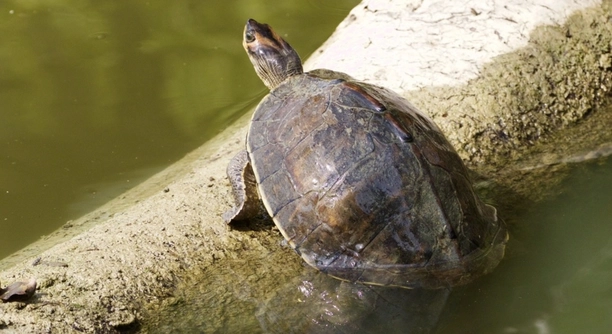
It can be tough to watch your Indian Roofed Tortoise not seem quite right, especially when you’re unsure whether it’s in pain. Recognizing signs of distress can help you take action early to ensure its well-being.
The simplest way to identify if your Indian Roofed Tortoise is in pain is by observing changes in behavior, eating habits, or physical signs such as limping, swollen body parts, or lethargy. These symptoms should not be ignored and require attention.
Understanding these signs early can help prevent more serious health issues. By being vigilant, you can ensure your tortoise stays healthy and comfortable.
Signs of Pain in Your Indian Roofed Tortoise
Pain in your Indian Roofed Tortoise can often go unnoticed, as they are quite good at hiding discomfort. However, there are several clear indicators you can look out for. If your tortoise seems to move less or avoids its usual activities, this could be a sign. You may also notice changes in eating habits, like not feeding as much or refusing food altogether. Physical symptoms such as swollen limbs or a lack of normal mobility can also point to pain. Watching your tortoise’s behavior carefully, especially any signs of lethargy, can give you a clue that something is wrong. If any of these changes occur, it’s time to take a closer look at what’s going on.
Pain can also lead to breathing problems. If you notice your tortoise is breathing heavily or has mucus around its nose, this might be a sign of discomfort. These symptoms should be treated as urgent and require prompt attention.
Your tortoise’s habitat can impact its well-being. A dirty or uncomfortable living space might lead to stress or injury, which could cause pain. Be sure to keep its enclosure clean and safe. Make sure your tortoise has enough space to move around and doesn’t feel cramped. An environment that mimics its natural habitat will also help prevent unnecessary stress.
Possible Causes of Pain
Many things can cause pain in your tortoise, from minor injuries to serious health problems. A common issue is shell damage, which can happen if they fall or bump into something hard. Shell injuries can be painful and may require a vet’s care to heal properly. Another common cause of pain is respiratory infections. These infections are often linked to poor habitat conditions, such as temperature fluctuations or excessive humidity. Keep the enclosure at the right temperature and humidity level to help avoid these issues. Another possibility is digestive problems, which may cause bloating or discomfort. If your tortoise is having trouble moving or eating, digestive issues may be at play. Regularly check its food and water quality to prevent such problems.
Observing Behavior Changes
If your Indian Roofed Tortoise is in pain, one of the first things you might notice is a change in its behavior. They might become more withdrawn, hiding in corners or staying in one spot for extended periods. When they’re in discomfort, they often move less and avoid interacting with their surroundings. If your tortoise is normally active and suddenly seems lethargic, it could be an indication that something is wrong.
Reduced movement and lack of interaction with its environment are warning signs that should not be ignored. Pain can cause tortoises to retreat into their shells more often, or they may exhibit unusual behaviors, such as excessive scratching or rubbing their body against objects. A normally sociable tortoise that suddenly avoids contact is likely experiencing some form of distress. These changes, while subtle, are important to watch for, especially if combined with other symptoms.
It’s also important to consider the length of time these changes last. If your tortoise is acting out of character for more than a day or two, it’s a strong indication that something may be causing pain or discomfort. Immediate attention is needed to help identify the source of distress and avoid further health issues. Keep in mind that stress can also trigger these symptoms, so observe the overall situation before jumping to conclusions.
Checking for Physical Signs of Injury
Physical injury can be a major cause of pain in your tortoise. Look for any visible wounds, swelling, or scratches on the shell or skin. Shell damage is one of the most common injuries, and even minor cracks can lead to significant pain and discomfort. If you notice any open wounds, it’s important to address them quickly by seeking professional veterinary care.
Aside from visible injuries, check for any changes in movement. Limping or dragging one leg may indicate a fracture or sprain. If your tortoise is holding its limbs in an unusual position, or if you notice any swelling in its legs or neck, there may be an underlying injury. This could be caused by a fall or rough handling, so be sure to check for any accidents that may have occurred. In cases where there’s no visible injury, swollen body parts can signal internal problems, such as infection, which also needs prompt medical attention.
Even if you can’t find a visible injury, subtle changes in posture can indicate pain. If your tortoise has trouble moving or seems stiff when walking, it could be struggling with joint pain or muscle strain. Pay close attention to how your tortoise carries itself, as this can give important clues about its comfort level. If these signs are persistent, visiting a vet should be your next step.
Changes in Eating Habits
A noticeable change in your tortoise’s eating habits can be an early sign of pain. If it refuses food or eats less than usual, it could be because it’s feeling unwell. Tortoises typically have a hearty appetite, so a sudden decrease in consumption is worth monitoring.
Pain can cause a loss of appetite, especially if your tortoise is experiencing digestive issues or mouth problems. If you notice your tortoise turning away from food, it’s important to check for any signs of oral injury or infection, as these can make eating painful.
Respiratory Distress
Respiratory issues, such as heavy breathing or wheezing, can be a sign of infection or discomfort. Tortoises with respiratory problems may also have nasal discharge or struggle to breathe normally. These signs can cause distress and pain, especially if not treated promptly.
If your tortoise’s breathing becomes labored, or you notice any abnormal sounds, it’s crucial to act quickly. Respiratory infections are common, particularly in environments with poor ventilation or humidity. A vet will be able to diagnose the issue and provide appropriate treatment to relieve the discomfort.
Stress and Its Impact
Stress is another factor that can contribute to pain and discomfort in tortoises. A stressed tortoise may show signs of lethargy, aggression, or abnormal behaviors like excessive hiding. Stress can result from sudden changes in the environment, like temperature fluctuations or overcrowding.
Chronic stress can weaken your tortoise’s immune system, making it more susceptible to illness and injury. Make sure your tortoise has a stable and calm environment to thrive. If the signs of stress are persistent, consider adjusting its habitat or routine to promote a sense of security.
FAQ
How do I know if my Indian Roofed Tortoise is in pain?
If your tortoise is in pain, you may notice changes in its behavior such as lethargy, reduced movement, or excessive hiding. It might refuse food or show physical signs like swelling or limping. Any signs of difficulty breathing or abnormal posture can also indicate pain. It’s important to observe any changes in daily habits carefully.
What should I do if my tortoise is not eating?
If your tortoise isn’t eating, it could be a sign of stress or pain. First, check its environment—make sure the temperature and humidity are ideal. If these are in balance and your tortoise still won’t eat, look for signs of mouth injuries, respiratory issues, or digestive problems. Consulting a vet is advisable if the behavior persists.
Can stress cause pain in my tortoise?
Yes, stress can lead to physical discomfort or exacerbate existing pain. Stress can cause a tortoise to stop eating, become lethargic, or behave aggressively. Factors such as sudden temperature changes, loud noises, or improper habitat conditions can cause stress. Maintaining a consistent, calm environment is essential for your tortoise’s well-being.
What are some common causes of pain in Indian Roofed Tortoises?
Pain can result from various causes, such as shell injuries, respiratory infections, or digestive problems. If your tortoise falls, bumps into something hard, or is exposed to harmful conditions, it may sustain injuries that cause pain. Improper diet or an unhealthy environment can also lead to internal issues that make your tortoise uncomfortable.
How can I tell if my tortoise has a shell injury?
If your tortoise’s shell is cracked, bruised, or has visible marks, it could be injured. Even small damage can cause pain or infection, especially if not treated. A tortoise with a shell injury may act more defensively or avoid moving. It is important to clean any open wounds and seek vet care immediately for proper treatment.
Is it normal for my tortoise to hide when it’s in pain?
Yes, tortoises tend to hide when they are feeling unwell or in pain. They naturally retreat to their shells for protection. However, if your tortoise stays hidden for extended periods and shows other signs of distress, it may be suffering from an underlying issue that needs attention. Keep an eye on its behavior and consider a vet visit.
Can I treat my tortoise’s pain at home?
Minor injuries or discomfort might improve with simple adjustments like a better environment, proper temperature, and humidity. However, for anything more serious, such as a respiratory infection, fractures, or severe pain, it’s best to consult a vet. Never try to administer medication or treatments not recommended for tortoises, as it can worsen the situation.
How do I prevent pain in my tortoise?
To prevent pain in your tortoise, ensure it lives in a clean and safe environment. Regularly check its shell for any damage, keep the habitat at the right temperature and humidity levels, and provide a balanced diet. Be cautious when handling your tortoise to avoid accidental injuries. Regular vet check-ups will also help catch potential issues early.
How long does it take for a tortoise’s injury to heal?
The healing time for a tortoise injury depends on the severity of the damage. Minor shell cracks or cuts may heal in a few weeks, while more serious injuries can take months. If the injury becomes infected, it may take longer to heal. Always follow your vet’s advice for recovery and monitor your tortoise for signs of improvement or complications.
Should I be worried if my tortoise is breathing heavily?
Heavy breathing can indicate that your tortoise is in pain, stressed, or suffering from a respiratory issue. If it’s persistent and accompanied by nasal discharge or wheezing, seek veterinary care immediately. Respiratory infections are common in tortoises, especially if their environment is too humid or the temperature is inconsistent.
How can I help my tortoise recover after an injury?
After an injury, it’s essential to provide a calm, clean environment for your tortoise. Limit its movement if necessary, and make sure it has access to food and clean water. If your tortoise has a shell injury, monitor it for signs of infection, and follow any treatment plans prescribed by your vet. Regular vet check-ups will ensure a smooth recovery process.
What should I do if my tortoise is limping?
Limping can be a sign of injury or pain in your tortoise’s legs, shell, or muscles. Examine the affected limb for swelling, cuts, or any visible wounds. If no injury is visible, consider the possibility of a muscle strain or joint issue. It’s best to consult with a vet to determine the cause and appropriate treatment. Limiting movement to avoid further injury may also be necessary.
Can my tortoise live with chronic pain?
Chronic pain is not something your tortoise should have to endure. If you suspect long-term pain, it’s important to seek veterinary advice. Pain can affect your tortoise’s quality of life and lead to more severe health problems. Early diagnosis and treatment can prevent pain from becoming chronic, so be proactive in addressing any health concerns.
What should I feed my tortoise if it’s not eating?
If your tortoise is refusing food, try offering a variety of fresh, leafy greens or fruits. Some tortoises may be more inclined to eat certain types of food when they’re not feeling well. Make sure the food is fresh and free from pesticides. If your tortoise continues to refuse food, a vet visit is recommended.
Can poor diet cause pain in tortoises?
Yes, a poor diet can cause digestive issues, malnutrition, and other health problems that result in pain. An imbalanced diet lacking in necessary nutrients can lead to weakened bones, digestive troubles, and shell deformities. Offering a varied diet of fresh vegetables, leafy greens, and appropriate supplements will help prevent these issues.
Final Thoughts
Understanding whether your Indian Roofed Tortoise is in pain can sometimes be difficult because they are very good at hiding discomfort. However, by paying close attention to behavioral changes, physical signs, and any shifts in their usual habits, you can spot potential issues early. Changes like reduced movement, refusal to eat, or physical injury should not be ignored. If your tortoise begins showing signs of distress, it’s essential to respond quickly to ensure its health and well-being. Observing your tortoise carefully and maintaining a clean, safe environment can go a long way in preventing unnecessary pain and stress.
It’s also important to recognize that pain can be caused by a variety of issues, ranging from shell injuries and digestive problems to respiratory infections. Ensuring your tortoise’s habitat is ideal—keeping the temperature and humidity levels stable, avoiding overcrowding, and providing proper nutrition—can prevent many common problems. Regular vet check-ups also play a key role in identifying underlying health issues early. If you suspect that your tortoise is in pain, don’t hesitate to take them to a professional. Proper care, attention, and treatment can help your tortoise recover and live a healthier, more comfortable life.
Ultimately, your tortoise’s comfort and happiness should be a priority. With proper observation, a good habitat, and timely veterinary care, most pain-related issues can be resolved. Always keep in mind that any changes in behavior or physical health are signs that something might be wrong. By being proactive and attentive, you can ensure your Indian Roofed Tortoise stays healthy and content for many years.

Hello,
If you enjoy the content that we create, please consider saying a "Thank You!" by leaving a tip.
Every little bit helps us continue crafting quality advice that supports the health, happiness, and well-being of pets around the world, for pets of all shapes, sizes, and species.
We really appreciate the kindness and support that you show us!